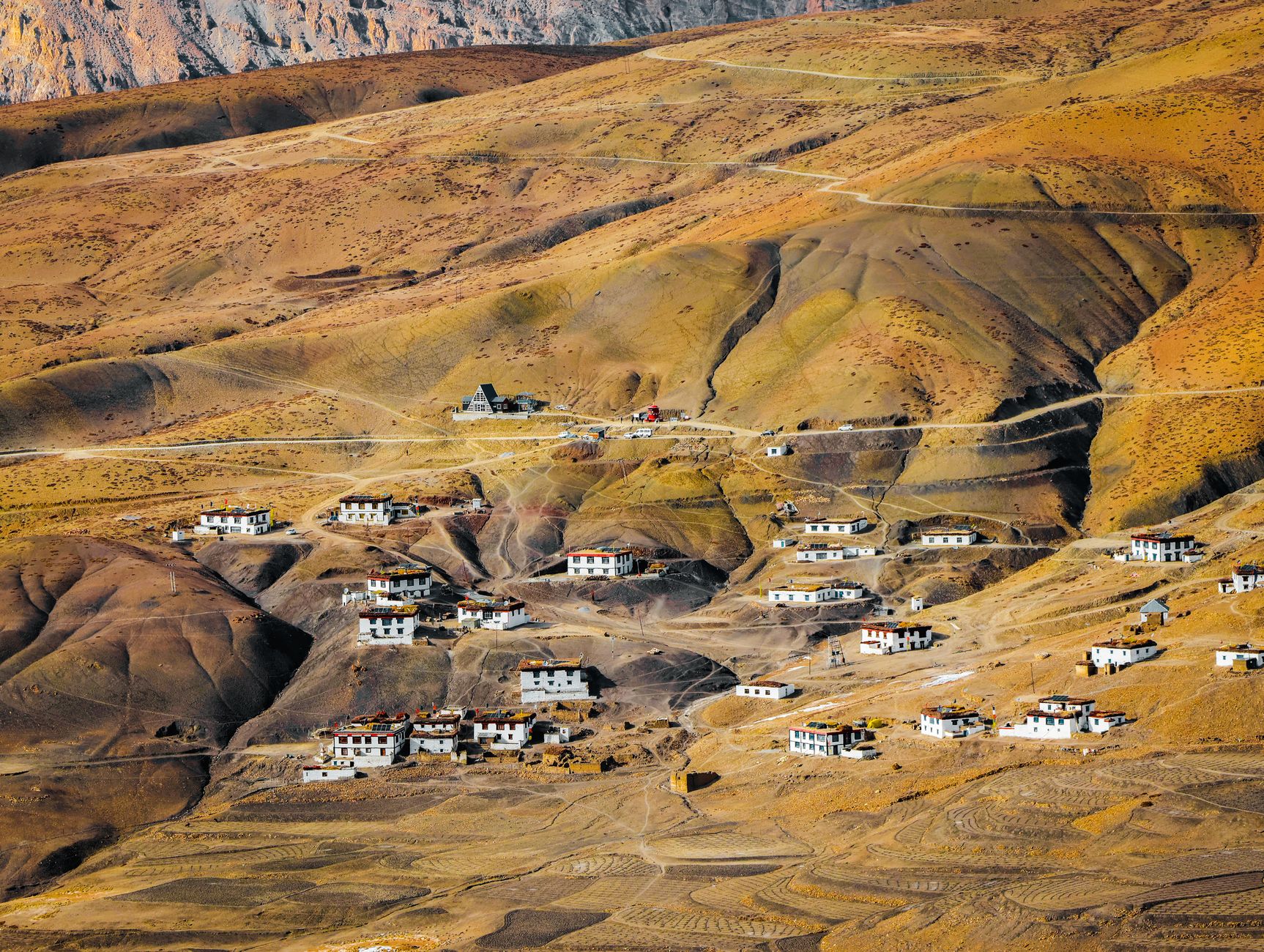
Every summer, we dream of idyllic escapes, but often find ourselves battling hordes of tourists. This year, I vowed to do things differently, embarking on a journey to find serene, soul-stirring destinations that not only avoided the crowds but profoundly changed my perspective on travel and life itself. Join me as I reveal these transformative hidden gems. ---
Escape the Summer Rush: My 5 Life-Changing Hidden Gems That Redefined Travel
The summer sun beats down, and with it, the annual pilgrimage begins. Instagram feeds fill with idyllic shots of Santorini, the Amalfi Coast, or Bali, yet the reality for many of us is a different picture: Elbow-to-elbow crowds, overpriced everything, and the nagging feeling that you're just another face in a sea of tourists. I've been there. Too many times, I’ve returned from a "relaxing" summer vacation feeling more exhausted than refreshed, my soul craving genuine connection, not just a photo op.
Last year, something snapped. I was scrolling through endless images of packed beaches, and a profound weariness settled in. I craved authenticity, solitude, and a destination that would challenge me, inspire me, and truly allow me to disconnect. I wanted a trip that wasn't just a break from routine but a journey of self-discovery. So, I made a pact with myself: This summer, I would deliberately seek out destinations off the well-trodden path. Places where the crowds were sparse, the experiences raw, and the potential for life-changing moments was high.
What I discovered wasn't just a collection of pretty places; it was a series of profound encounters that shifted my perspective, tested my limits, and ultimately, changed me forever. These weren't just vacations; they were lessons in humility, resilience, and the sheer beauty of the untamed world. If you're ready to trade the tourist hordes for genuine immersion, the frantic pace for peaceful introspection, and the predictable for the truly transformative, then pack your bags and let me introduce you to my five life-changing summer sanctuaries.
1. The Undiscovered Adriatic Jewel: Himara, Albania
Why it Changed Me: Stepping onto the white pebble beaches of Himara, I felt a sense of calm wash over me that I hadn't experienced in years. This wasn't the glitzy, overpriced Mediterranean I knew; this was raw, authentic, and breathtakingly beautiful. The genuine warmth of the Albanian people, their unwavering hospitality, and the feeling of discovering a truly hidden gem made me realize that the most profound travel experiences often lie where you least expect them. It taught me to slow down, to appreciate simplicity, and that true luxury isn't about extravagance, but about authenticity and connection.
My Journey & Experience: After flying into Corfu, Greece, I took a short ferry ride to Sarandë, Albania, and then a local bus north along the stunning Albanian Riviera. The journey itself was an adventure, winding roads clinging to dramatic cliffs, revealing glimpses of turquoise coves below. When I arrived in Himara, a small town nestled between the Ionian Sea and towering mountains, it felt like I'd stumbled upon a secret.
My days were a blissful rhythm of waking up to the sound of waves, swimming in crystal-clear waters at Livadhi Beach, and indulging in fresh seafood at family-run tavernas. One afternoon, I hiked up to the Old Town of Himara, a charming ghost village perched high above, offering panoramic views of the coastline. The highlight, however, was a day trip to Porto Palermo Castle, a triangular fortress built by Ali Pasha, jutting into the sea. Standing there, with the wind whipping my hair and the vast expanse of the Adriatic before me, I felt a profound sense of history and solitude. Evenings were spent sipping strong Albanian coffee, watching the sunset paint the sky in fiery hues, and chatting with locals who were eager to share stories and a shot of raki.
Practical Tips & Details:
- Getting There: Fly to Corfu (CFU), Greece, then take a ferry to Sarandë, Albania (approx. 30 min). From Sarandë, local buses run regularly to Himara (approx. 1.5-2 hours). Alternatively, fly into Tirana (TIA) and take a bus/rental car south (longer journey).
- Best Time: June or September offer perfect weather and significantly fewer crowds than peak July/August.
- Accommodation: Charming guesthouses and small hotels are abundant. I stayed at a lovely family-run place called "Dhima Hotel" for about €35/night, offering sea views and a delicious breakfast.
- Cost: Albania is incredibly affordable. A fresh seafood dinner with wine rarely exceeded €15-20. Local transport is also very cheap.
- Must-Do: Explore Livadhi Beach and Llamani Beach, hike to Himara Old Town, visit Porto Palermo Castle, and take a boat trip to secluded coves.
- Instagram Moment: A dramatic shot of Porto Palermo Castle against the deep blue sea, or a serene sunset over Livadhi Beach.
2. Slow Living on the Nam Ou River: Nong Khiaw & Muang Ngoi Neua, Laos
Why it Changed Me: In the remote villages along the Nam Ou River, time seemed to stand still. There was no Wi-Fi in Muang Ngoi Neua, and the only sounds were the river flowing, the distant calls of villagers, and the occasional longtail boat. This forced disconnection was initially jarring, then incredibly liberating. It taught me the profound beauty of being present, of finding joy in simplicity, and of connecting with people without the filter of technology. The genuine smiles of the children and the peaceful resilience of the Lao people left an indelible mark on my soul, reminding me of what truly matters.
My Journey & Experience: My journey began in the charming city of Luang Prabang, but my true destination was Nong Khiaw, a riverside town nestled amidst towering limestone karsts. From there, the real adventure began: a one-hour longtail boat ride upriver to Muang Ngoi Neua. This tiny village, accessible only by boat, felt like stepping into another era.
My days were filled with gentle explorations. I rented a simple bamboo bungalow overlooking the river for a mere $5 a night. Mornings were for watching the mist rise from the Nam Ou, painting the karsts in ethereal hues. I trekked through rice paddies to nearby ethnic minority villages, where I was greeted with curious smiles and offers of tea. I explored Tham Kang Cave, a former war shelter, and swam in the cool river. One particularly memorable afternoon, I joined a local cooking class, learning to prepare sticky rice and laap (a traditional Lao meat salad) over an open fire. The evenings were spent under a blanket of stars, sharing stories with other travelers and locals, illuminated only by candlelight. It was a profound digital detox, forcing me to engage with my surroundings and the people in them in a way I hadn't in years.
Practical Tips & Details:
- Getting There: From Luang Prabang, take a minivan or bus to Nong Khiaw (approx. 3-4 hours). From Nong Khiaw, catch a public longtail boat to Muang Ngoi Neua (approx. 1 hour, around 25,000 LAK/$2.50).
- Best Time: October to March offers cooler, dry weather. Avoid rainy season (June-September).
- Accommodation: Simple guesthouses and bungalows are the norm. Expect basic amenities. In Muang Ngoi, I stayed at "Riverside Bungalows" for about $5-7/night.
- Cost: Laos is incredibly cheap. Meals cost $2-5, activities are budget-friendly.
- Must-Do: Trekking to local villages, exploring caves, kayaking on the Nam Ou River, enjoying a traditional Lao massage, and simply soaking in the peaceful atmosphere.
- Instagram Moment: Sunrise over the Nam Ou River with limestone karsts shrouded in mist, or a candid shot of children playing in the village.
3. Where the Land Meets the Sea: The Faroe Islands
Why it Changed Me: The Faroe Islands are a place where nature reigns supreme, and humanity feels like a respectful guest. The sheer scale of the cliffs, the dramatic waterfalls plunging into the ocean, and the ever-present, unpredictable weather instilled in me a deep respect for the raw power of the earth. It was a humbling experience, stripping away the trivialities of daily life and forcing me to confront my own resilience. I felt a profound sense of connection to something ancient and untamed, a feeling that reshaped my understanding of beauty and solitude. It taught me that strength isn't always loud; sometimes, it's in the quiet endurance of a landscape.
My Journey & Experience: My summer quest for solitude led me to the remote North Atlantic archipelago of the Faroe Islands. From the moment my plane descended through the clouds, revealing emerald-green islands rising dramatically from the tumultuous sea, I knew this would be different. I rented a car – essential for exploring these scattered islands – and embarked on a journey that felt like driving through a fantasy novel.
Days were spent hiking along vertiginous cliffs, past turf-roofed houses in tiny villages like Gasadalur, and chasing waterfalls that seemed to appear out of nowhere. The hike to the "floating lake" of Sørvágsvatn, where the lake appears to hover above the ocean, was an unforgettable experience, as was the ferry trip to Mykines island to witness thousands of puffins nesting. The weather was a constant companion – sunny one moment, foggy and drizzling the next – adding to the islands' mystical allure. I remember one particular evening, standing alone on a black sand beach, watching the waves crash against ancient basalt columns, feeling utterly insignificant yet completely at peace. The silence, broken only by the wind and the gulls, was deafeningly beautiful.
Practical Tips & Details:
- Getting There: Direct flights are available from Copenhagen (CPH) or Reykjavik (KEF) to Vágar Airport (FAE).
- Best Time: June-August offers the best weather and longest daylight hours, but also the most (still minimal) tourists. May or September can be great for fewer crowds, but with more unpredictable weather.
- Accommodation: Options range from hotels in Tórshavn to charming Airbnbs and guesthouses in smaller villages. I found a cozy Airbnb in Gjogv for about $100/night.
- Cost: The Faroe Islands are relatively expensive, similar to Scandinavia. Renting a car is crucial (budget $70-100/day). Groceries can save money on food.
- Must-Do: Hike to Mulafossur waterfall, visit the village of Gasadalur, take a ferry to Mykines for puffin watching (book well in advance!), hike to Lake Sørvágsvatn, explore the capital Tórshavn.
- Instagram Moment: A breathtaking shot of Mulafossur waterfall cascading directly into the ocean, or the dramatic perspective of Lake Sørvágsvatn.
4. Andean Majesty and Condor Skies: Colca Canyon, Peru
Why it Changed Me: The Colca Canyon trek was physically demanding, pushing my limits in a way I hadn't anticipated. Descending thousands of feet into the canyon and then climbing back out, all while battling altitude, was a profound test of endurance. But the reward was immense: the awe-inspiring sight of condors soaring majestically overhead, the warmth of the local Andean communities, and the feeling of truly earning every breathtaking view. It taught me about perseverance, the beauty of ancient cultures still thriving, and how small we are in the face of such natural grandeur. It was a journey into the heart of the Andes and, unexpectedly, into the depths of my own strength.
My Journey & Experience: My quest for a crowd-free adventure in South America led me away from the well-trodden Inca Trail to the lesser-known, yet equally spectacular, Colca Canyon in Peru. From Arequipa, I joined a small, local tour group for a three-day trek, beginning with an early morning drive to Cruz del Condor. Seeing the majestic Andean condors, with wingspans of up to 10 feet, gracefully riding the thermals just meters above my head, was a moment of pure, unadulterated awe. It was a spiritual experience, connecting me to the ancient Incan reverence for these birds.
The real challenge, and reward, lay in the descent into the canyon. We hiked for hours, switchbacking down steep trails, passing terraced fields that have been cultivated for centuries. We stayed overnight in Sangalle, an "oasis" at the bottom of the canyon, where simple bungalows and a cool swimming pool offered a welcome respite. The next day involved a grueling ascent back out of the canyon, starting before dawn to avoid the midday sun. Each step was a battle, but the camaraderie with my fellow trekkers and the sheer beauty of the landscape propelled me forward. Reaching the rim, exhausted but exhilarated, I felt an immense sense of accomplishment and a renewed appreciation for the human spirit.
Practical Tips & Details:
- Getting There: Most tours and transportation originate from Arequipa, Peru. You can book a 1, 2, or 3-day tour, or hire a private car.
- Best Time: May to November is the dry season, offering clear skies and good trekking conditions. June-August are popular but still manageable for crowds.
- Accommodation: If doing a multi-day trek, accommodation in the canyon villages (like Sangalle) is basic but comfortable, typically included in tour packages. Expect simple rooms and shared bathrooms.
- Cost: A 3-day/2-night trek with a local agency cost me around $80-100, including transport, guide, basic food, and accommodation. The Colca Canyon Tourist Ticket (Boleto Turístico) costs about S/70 ($19).
- Must-Do: Witness the condors at Cruz del Condor (early morning!), trek into the canyon (if fit), visit the hot springs in Chivay, and experience authentic Andean village life.
- Instagram Moment: A wide-angle shot of the vast Colca Canyon with a condor soaring in the distance, or the vibrant traditional dress of a local woman in a market.
5. Wilderness Island Escape: Isle Royale National Park, Michigan, USA
Why it Changed Me: Isle Royale isn't just a destination; it's an immersion. With no roads, no cars, and limited connectivity, it forces a complete disconnect from the modern world. My days were governed by sunrises and sunsets, the rhythms of hiking, and the quiet observation of nature. I saw moose up close, heard the distant howls of wolves, and experienced a true digital detox. It taught me the profound value of solitude, self-reliance, and the restorative power of untouched wilderness. It was a journey that stripped away distractions and allowed me to rediscover a deep inner peace and a profound appreciation for the raw beauty of my own continent.
My Journey & Experience: For my North American summer escape, I sought true wilderness, and I found it in Isle Royale National Park, a remote island archipelago in Lake Superior. Reaching it is an adventure in itself, requiring a ferry or seaplane from Michigan or Minnesota. I opted for the ferry from Houghton, Michigan, a four-hour journey across the vast, often turbulent, waters of Lake Superior. The moment the ferry pulled away from the mainland, I felt the shackles of daily life fall away.
Isle Royale is a backpacker's paradise. I spent five days hiking sections of the Greenstone Ridge Trail, traversing dense forests, rocky ridges, and pristine shorelines. My encounters with wildlife were unforgettable: a mother moose and her calf grazing peacefully by a lake, a beaver slapping its tail in warning, and the spine-tingling sound of wolves howling in the distance one evening. Each night, I camped at designated wilderness sites, cooking simple meals over a fire, and falling asleep under a sky ablaze with stars, unpolluted by city lights. There's no cell service on the island, forcing a complete digital detox. This forced disconnection was incredibly liberating, allowing me to fully immerse myself in the present moment, to listen to the whispers of the wind, and to reconnect with my own thoughts. It was challenging, yet deeply rejuvenating.
Practical Tips & Details:
- Getting There: Access is via ferry or seaplane. Ferries depart from Houghton or Grand Portage, MI, and Grand Portage, MN (check schedules and book well in advance!). Expect a 3-7 hour journey.
- Best Time: June-September. Early summer (June) offers fewer bugs and cooler temps. August is warmer but can have more insects.
- Accommodation: Backcountry camping is the primary option (permits required, book ahead). There's also one lodge (Rock Harbor Lodge) if you prefer more comfort.
- Cost: Ferry tickets range from $80-150 round trip. Park entrance fee ($7/day or annual pass). Camping permits are minimal. Your biggest cost will be supplies/food you bring.
- Must-Do: Backpacking any section of the Greenstone Ridge Trail, kayaking or canoeing (rentals available at Rock Harbor), wildlife viewing (moose, wolves, foxes), stargazing.
- Instagram Moment: A serene sunrise over Lake Superior from a remote campsite, or a captivating shot of a moose grazing in a misty bog.
Beyond the Crowds: A Call to Transformative Travel
These weren't just trips; they were profound teachers. Each destination, in its own unique way, stripped away the superficial, challenged my comfort zones, and offered a mirror to my own resilience and capacity for wonder. From the genuine smiles of the Albanian coast to the silent majesty of the Faroese cliffs, the spiritual journey into the Colca Canyon, the quiet wisdom of the Lao river, and the wild embrace of Isle Royale, these places didn't just offer an escape from the crowds – they offered an escape into myself.
They taught me that the most memorable souvenirs aren't trinkets, but the stories etched into your soul, the perspectives shifted, and the connections forged with people and places far removed from your everyday. They reminded me that true travel is not about checking off a list of famous landmarks, but about opening yourself to the unexpected, embracing the unknown, and allowing the world to change you.
So, this summer, I urge you: Dare to be different. Step away from the crowds. Seek out the roads less traveled. You might just find that the destinations you avoid are the ones that change your life forever.
What crowd-free destinations have transformed your travels? Share your stories and inspire fellow adventurers in the comments below!
---
More pictures
Tags
Share this guide
We may earn a commission if you click a link and buy a product or service, at no extra cost to you. How affiliate links work.
Been there?