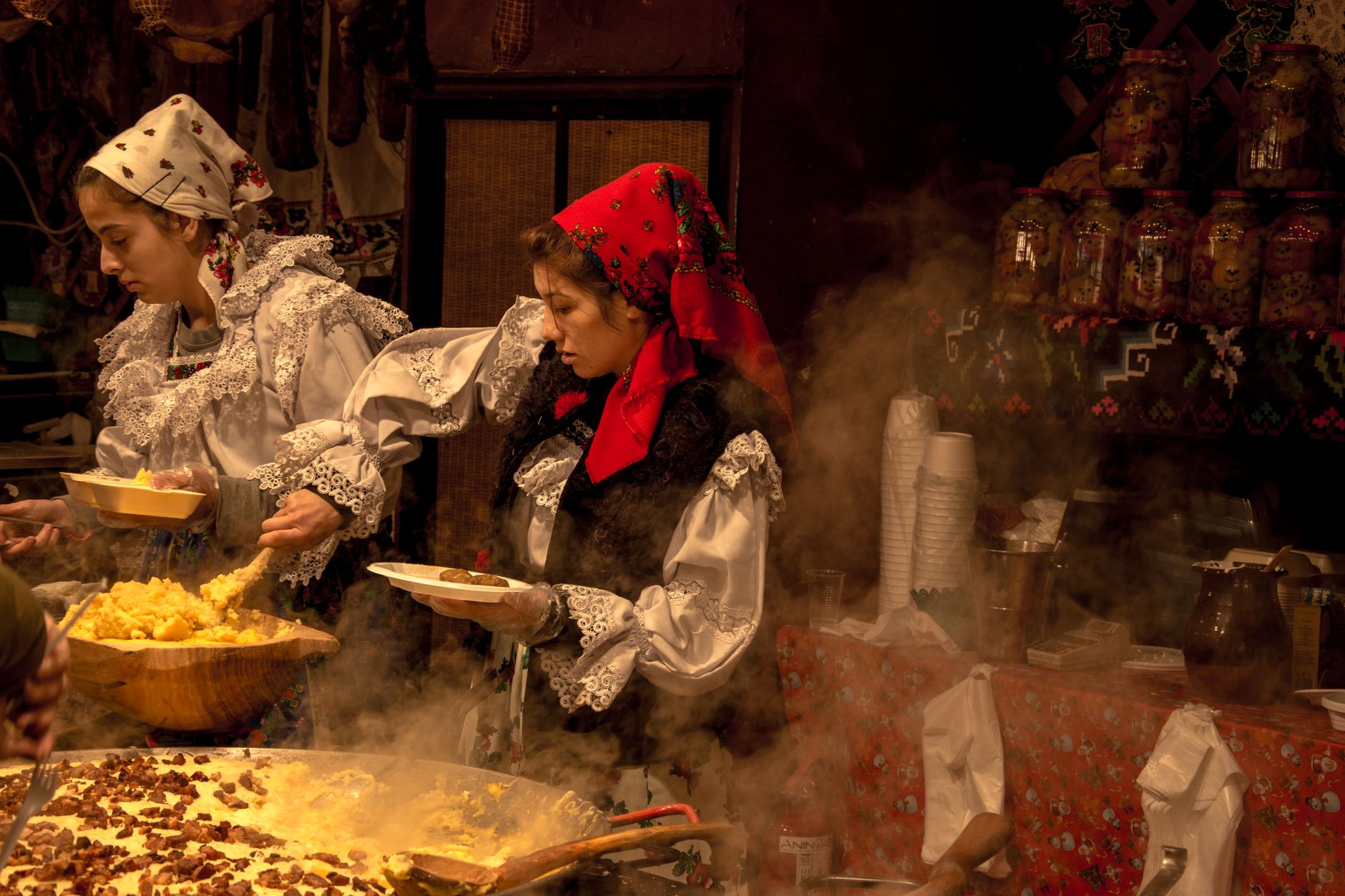
Ever dreamt of diving deep into a destination's true culinary soul, far from tourist traps? We've unearthed a treasure trove of incredible food festivals, so authentic and beloved by locals, they almost don't want you to know. Get ready to plan your next epicurean adventure around these mouth-watering, community-driven celebrations! ---
The Secret Ingredient: Unearthing Food Festivals Locals Don't Want You to Know
There’s a certain magic to travel, isn't there? That moment when you stumble upon something truly authentic, a slice of local life that feels untouched by guidebooks or Instagram trends. For me, that magic almost always happens around food. I'm talking about the kind of food that tells a story, whispers traditions, and tastes like a community's heart and soul.
I remember my first "aha!" moment. It was years ago, in a bustling plaza in Rome. My initial excitement quickly turned into a tourist-trap haze of overpriced, mediocre pasta and souvenir shops. I felt a disconnect, a yearning for the real Italy, the one I'd read about in novels. That evening, a kind local I'd befriended pointed me towards a tiny, unassuming trattoria tucked away on a side street. No English menu, just handwritten specials and the aroma of garlic and olive oil. That meal – a simple, perfectly executed Cacio e Pepe – tasted like a revelation. It wasn't just food; it was an experience, a connection.
Since then, my travel philosophy has shifted. I chase those connections, those genuine moments, especially when it comes to food. And I've discovered that the purest forms of culinary celebration often happen at local food festivals – the ones that haven't quite made it onto the global tourist radar. These aren't your flashy, corporate-sponsored events. These are vibrant, community-driven fiestas where passion for a particular ingredient, dish, or harvest runs deep. They’re where you'll find grandmothers sharing age-old recipes, fishermen proudly displaying their catch, and farmers celebrating the fruits of their labor.
And guess what? I'm about to spill the beans on some of my favorite "secret" food festivals. The kind where you might be the only non-local, where the language barrier melts away with a shared plate of deliciousness, and where every bite feels like a warm hug from a stranger. So, ditch the crowded tourist spots and get ready to plan your next trip around these truly unforgettable, locals-only culinary adventures.
1. The Artichoke Heart of Italy: Sagra del Carciofo, Ladispoli, Italy
- When to Go: Typically late March to early April.
- Where to Find It: Ladispoli, a coastal town just northwest of Rome, Italy.
- Why It's Special: Italy is synonymous with food, but beyond the well-trodden paths of pizza and pasta, lies a world of regional specialties. The Sagra del Carciofo (Artichoke Festival) in Ladispoli is a testament to this. This festival celebrates the Romanesco artichoke, a prized variety known for its tenderness and delicate flavor. Ladispoli, with its fertile volcanic soil, is one of the prime growing regions.
Imagine strolling through a bustling seaside town, the air thick with the scent of fried artichokes, wood smoke, and the lively chatter of Italian families. This isn't just about eating; it's about witnessing a deep cultural reverence for this thorny vegetable. You'll find stalls piled high with fresh artichokes, ready to be transformed into culinary masterpieces. I remember watching a nonna deftly prepare carciofi alla giudia (Jewish-style fried artichokes), her hands moving with a practiced grace that spoke of generations. The first bite – crispy on the outside, meltingly tender within – was an explosion of earthy, slightly sweet flavor. It was simple, perfect, and utterly Italian.
Beyond the fried delights, you'll discover artichoke risotto, pasta with artichoke cream, artichoke pizza, and even artichoke-infused liqueurs. Local producers showcase their wares, from olive oils to regional wines, all designed to complement the star of the show. It's an immersive experience that feels authentically Italian, far removed from the tourist crowds of Rome.
- Insider Tips:
- Getting There: Ladispoli is easily accessible by train from Rome (Roma Termini or Roma Ostiense stations). The ride is about 30-40 minutes.
- Accommodation: Book a charming B&B in Ladispoli itself, or stay in Rome and make it a day trip.
- What to Try: Definitely carciofi alla giudia and carciofi alla romana (braised with herbs). Don't be afraid to try the artichoke-infused gelato – surprisingly delicious!
- Language: While some vendors might speak a little English, basic Italian phrases will go a long way in enhancing your experience.
2. Brittany's Briny Treasure: Fête de la Coquille Saint-Jacques, Erquy, France
- When to Go: Typically in April, though the specific port hosting rotates annually.
- Where to Find It: Coastal towns in Côtes d'Armor, Brittany, France (e.g., Erquy, Saint-Quay-Portrieux, Loguivy-de-la-Mer).
- Why It's Special: When you think of French food, scallops might not be the first thing that comes to mind, but in Brittany, the Coquille Saint-Jacques (King Scallop) is a culinary icon. The Fête de la Coquille Saint-Jacques is a vibrant celebration of this prized mollusk, honoring the fishermen who brave the cold Atlantic waters. This festival rotates between a few key fishing ports in Côtes d'Armor, making each year's event uniquely tied to its host community.
My visit to Erquy for this festival was a sensory feast. The crisp sea air mingled with the aroma of grilling scallops, and the sounds of traditional Breton music filled the harbor. Fishing boats, adorned with colorful flags, lined the docks, their crews proudly displaying mountains of freshly harvested scallops. I watched in awe as skilled fishermen shucked scallops with lightning speed, their hands a blur of motion.
The beauty of this festival is its focus on freshness. You can buy scallops directly from the boats, often at incredibly reasonable prices, and have them cooked on the spot by local chefs. I remember savoring perfectly seared scallops, still warm from the pan, with just a hint of garlic and parsley, paired with a crisp glass of local Muscadet wine. It was a taste of the ocean, pure and unadulterated. Beyond the eating, there are cooking demonstrations, sea-shanty performances, and opportunities to learn about sustainable fishing practices. It's a true community gathering, celebrating the region's strong maritime heritage.
- Insider Tips:
- Checking Dates/Location: The festival typically happens in April, but the exact date and host town change each year. Check the official Côtes d'Armor tourism website well in advance.
- Getting There: A car is recommended for exploring Brittany's charming coastal towns. The nearest major city is Saint-Brieuc.
- Accommodation: Book charming guesthouses or small hotels in the host town or a nearby village.
- What to Try: Raw scallops (if you're brave!), pan-seared scallops, and brochettes de Saint-Jacques (scallop skewers). Don't forget to pair it with local cidre (cider) or Muscadet wine.
3. The Golden Harvest of Spain: Feria de la Vendimia y el Jamón, Jabugo, Spain
- When to Go: Typically in September, coinciding with the grape harvest.
- Where to Find It: Jabugo, in the Sierra de Aracena, Huelva province, Andalusia, Spain.
- Why It's Special: Spain is a land of passionate culinary traditions, and few are as revered as jamón ibérico. While there are many ham festivals, the Feria de la Vendimia y el Jamón in Jabugo offers a unique combination: the celebration of both the grape harvest and the king of hams, all within the very heartland of Iberian pig production. Jabugo is a name synonymous with the highest quality jamón ibérico de bellota.
This festival is a true immersion into Andalusian culture. The air buzzes with flamenco music, the scent of curing ham, and the sweet aroma of ripening grapes. I've always been fascinated by the artistry of cortadores (ham carvers), and here you can witness master carvers in action, their knives gliding with incredible precision, producing paper-thin slices of the exquisite ham. The nutty, melt-in-your-mouth flavor of true jamón ibérico de bellota (acorn-fed Iberian ham) is unlike anything else, and at this festival, you're tasting it at its source.
But it's not just ham. The "Vendimia" (grape harvest) aspect brings forth local wines, grape stomping demonstrations, and a celebratory atmosphere. You can learn about the montanera – the period when Iberian pigs roam freely in the dehesa (oak forests), feasting on acorns – which is crucial to the ham's unique flavor. It's a rustic, authentic experience, surrounded by the rolling hills and oak forests that define this special region. This festival offers a window into the soul of rural Andalusia, where tradition and gastronomy intertwine beautifully.
- Insider Tips:
- Getting There: Jabugo is best reached by car from Seville (about 1.5 hours) or Huelva. Public transport options are limited.
- Accommodation: Look for charming rural guesthouses or casas rurales in Jabugo or nearby Aracena. Book well in advance.
- What to Try: Indulge in jamón ibérico de bellota from different producers. Try local wines and mosto (unfermented grape juice).
- Beyond the Festival: Consider booking a tour of a secadero (ham drying facility) in Jabugo to truly appreciate the craftsmanship.
4. Hokkaido's Warm Embrace: The Secret Ramen Fêtes, Japan
- When to Go: Varies by season, often autumn/winter for specific regional events.
- Where to Find It: Various cities and towns across Hokkaido, Japan.
- Why It's Special: Japan is a land of culinary precision and passion, and ramen is a national obsession. While tourist guides might point you to famous ramen streets in Tokyo or Osaka, Hokkaido holds a deeper, more localized secret: a series of smaller, seasonal, and often pop-up ramen festivals that celebrate the island's unique regional styles. These aren't always grand, advertised events, but rather community gatherings or temporary showcases that true ramen aficionados seek out.
Hokkaido is the birthplace of several iconic ramen styles – Sapporo's rich miso ramen, Asahikawa's soy-sauce-based shoyu ramen, and Hakodate's lighter shio (salt) ramen. The "secret" here isn't one single festival, but the quest for these ephemeral events. I once found myself in a small Hokkaido town during late autumn, guided by a local friend who'd heard whispers of a "Ramen Yokocho" (Ramen Alley) pop-up in a converted warehouse. Inside, a handful of local ramen masters, each with their own unique broth and toppings, served steaming bowls to a delighted crowd.
The warmth of the rich broth on a chilly Hokkaido day, the perfectly chewy noodles, the tender slices of chashu pork, and the unique local toppings (like corn and butter in Sapporo-style miso ramen) – it was pure comfort. These events are often about celebrating local ingredients, innovative techniques, and the camaraderie of sharing a meal in a cozy, unpretentious setting. It's an opportunity to taste ramen as the locals do, often with variations and limited-time specials you won't find anywhere else.
- Insider Tips:
- Finding Them: This requires a bit of detective work! Follow local Hokkaido tourism blogs, check community event calendars (often in Japanese), or even ask at local tourist information centers or small ramen shops. Word-of-mouth is key.
- When to Go: While ramen is a year-round staple, some of the most atmospheric events happen in cooler months.
- Getting Around: Japan's public transport is excellent, but a car might be useful for reaching smaller towns in Hokkaido.
- Etiquette: Slurp your noodles to show appreciation! Be mindful of space in smaller shops.
5. The Pearl of the Chesapeake: Urbanna Oyster Festival, Virginia, USA
- When to Go: First weekend of November.
- Where to Find It: Urbanna, Virginia, USA.
- Why It's Special: While the East Coast of the USA has many seafood festivals, the Urbanna Oyster Festival holds a special place. It’s a quintessential small-town American festival, celebrating the history, culture, and incredible flavor of the Chesapeake Bay oyster. What started in 1957 as a humble oyster shucking contest has grown into a beloved annual tradition that draws people from across the region, yet still retains its charming, community-focused feel.
Stepping into Urbanna during the festival is like stepping back in time. The entire town transforms, with historic streets lined with vendors offering oysters prepared every imaginable way: raw on the half shell, fried to golden perfection, roasted with garlic butter, stewed in creamy chowders, and even in oyster fritters. The air is filled with the briny scent of the sea, the aroma of sizzling food, and the lively sounds of bluegrass music.
I remember standing at a raw bar, watching a speed shucker crack open a plump Rappahannock oyster, its briny liquor glistening. The taste was pure ocean, a perfect balance of salt and sweet. Beyond the food, there are oyster shucking competitions, boat parades, craft fairs, and educational exhibits about oyster farming and Chesapeake Bay conservation. It’s a celebration of a working waterfront, a testament to sustainable aquaculture, and a deeply rooted American culinary tradition. The friendly, welcoming atmosphere and genuine pride of the locals make this a truly memorable experience.
- Insider Tips:
- Getting There: Urbanna is a small town, best accessed by car. It’s about an hour's drive from Richmond or Newport News.
- Accommodation: Book B&Bs or vacation rentals in Urbanna or nearby towns well in advance, as they fill up quickly.
- What to Try: Sample oysters from different local growers – each has a unique flavor profile. Don't miss the fried oyster sandwiches!
- Beyond Oysters: Explore the charming historic district of Urbanna and learn about its maritime past.
6. The King of Fruits: Chantaburi Durian Festival, Thailand
- When to Go: May to July (peak durian season).
- Where to Find It: Chantaburi province, Eastern Thailand.
- Why It's Special: This one is not for the faint of heart, or nose! Durian, the "King of Fruits," is famously pungent, but beneath its thorny exterior and controversial aroma lies a creamy, sweet, and utterly addictive flesh. While durian is available across Southeast Asia, Chantaburi is Thailand's durian capital, and its annual festival is a full-blown ode to this polarizing fruit. This is a festival where locals are truly passionate, and tourists are often a rare, curious sight.
My first encounter with durian was… memorable. The smell, often compared to rotting onions or gym socks, is undeniable. But at the Chantaburi Durian Festival, I learned to look past the aroma and appreciate the fruit's complex beauty. Here, you're surrounded by mountains of durian – different varieties like Monthong, Kanyao, Chanee, and the rare, highly prized Black Thorn. Orchard owners proudly display their harvest, and locals gather for what can only be described as durian buffets.
You can eat as much fresh durian as you can handle, but also discover a surprising array of durian-infused dishes: durian sticky rice, durian ice cream, durian chips, durian candy, and even durian pizza. Visiting the festival felt like a rite of passage. I watched locals expertly crack open the thorny fruit, revealing its golden, custardy segments. After a few hesitant bites, the rich, sweet, custardy flavor won me over. It's a truly unique cultural and gastronomic experience that challenges your senses and rewards you with an unforgettable taste of Thai agriculture and hospitality.
- Insider Tips:
- Getting There: Chantaburi is about a 3-4 hour drive southeast of Bangkok. Buses are available, or you can hire a private car/taxi.
- Accommodation: Book guesthouses or hotels in Chantaburi town.
- What to Try: Sample different durian varieties to find your favorite. Don't be shy about trying the durian sticky rice.
- Smell Management: Be aware that the smell can linger on your clothes. Many hotels and public transport prohibit durian. Embrace the experience!
Practical Planning & Insider Tips for Your Food Festival Quest
Embarking on a journey to these local food festivals requires a little extra planning, but the rewards are immense. Here’s how to make your trip as authentic and delicious as possible:
- Go Local, Really Local: Learn a few basic phrases in the local language (hello, thank you, please, how much, delicious!). It shows respect and opens doors to genuine interactions. Locals appreciate the effort.
- Timing is Everything: These festivals are often tied to harvests or specific seasons. Confirm dates well in advance, as they can shift slightly year to year. Avoid peak tourist seasons for the region if you want a truly local vibe.
- Book Ahead, Especially Accommodation: Smaller towns mean fewer hotels. B&Bs, guesthouses, or even local homestays can fill up quickly, especially during a festival.
- Cash is King: Many small vendors at local festivals prefer, or only accept, cash. Have plenty of local currency on hand.
- Pace Yourself: It’s tempting to try everything, but savor each bite. Food festivals are a marathon, not a sprint. Share dishes with travel companions to taste more variety.
- Engage and Ask Questions: Don't be afraid to strike up conversations with vendors or fellow festival-goers. Ask about the ingredients, the traditions, or how a dish is prepared. You'll often get fascinating insights and perhaps even a secret recipe!
- Embrace the Unfamiliar: Some dishes might look or smell unusual. This is your chance to expand your palate and try something truly unique to the region.
- Sustainable Travel: Support local businesses, minimize waste, and respect the local environment. These festivals thrive on community, so be a respectful guest.
- Capture the Moment (Respectfully): These events are incredibly photogenic! But remember to ask permission before taking close-up photos of people, especially vendors or those preparing food.
The Ultimate Culinary Passport Awaits!
There’s a profound satisfaction in discovering a place through its food, especially when that food is celebrated with such heartfelt passion by its own people. These "secret" food festivals aren't just about eating; they're about cultural immersion, connecting with communities, and experiencing the world in a more authentic, delicious way. They’re the stories you’ll tell for years, the flavors you’ll crave, and the memories that will inspire your next great adventure.
So, which hidden culinary gem will you uncover first? Will it be the earthy delight of an Italian artichoke, the briny sweetness of a Breton scallop, the rich depth of Spanish ham, the comforting warmth of Hokkaido ramen, the briny burst of a Chesapeake oyster, or the controversial charm of Thai durian?
Share your plans in the comments below! And don't forget to tag us @Tripsora on Instagram with your delicious discoveries using #TripsoraFoodSecrets – we can't wait to see what you find!
---
More pictures



Tags
Share this guide
We may earn a commission if you click a link and buy a product or service, at no extra cost to you. How affiliate links work.
Been there?