
Tired of fighting for a photo op and seeing the same places on your feed? This summer, reclaim your vacation with our guide to incredible, crowd-free destinations that offer authentic experiences far from the influencer hordes. Get ready to discover your next favorite escape! ---
Escape the Grid: Your Guide to Crowd-Free Summer Havens Instagram Influencers Don't Want You to Know
Let's be honest, we've all been there. You scroll through your feed, bombarded with picture-perfect shots of sun-drenched beaches, ancient ruins, and charming cobblestone streets. You bookmark them, dream about them, and eventually, you book your trip. Only to arrive and find yourself elbow-to-elbow with hundreds of other eager tourists, all vying for that exact same photo, that exact same experience. The "dream destination" quickly morphs into a frustrating exercise in crowd management, and you leave feeling… well, a little deflated.
I remember my own wake-up call. It was a summer trip to a famously beautiful European island, one plastered all over social media. I envisioned serene sunsets and quaint tavernas. What I got was a brutal fight for a spot on an overcrowded bus, overpriced everything, and a never-ending parade of selfie sticks obscuring every view. The magic I'd seen online was lost in the sheer volume of people. That's when I vowed to change my travel philosophy.
The truth is, while influencers are busy chasing the next viral backdrop, a whole world of breathtaking, authentic, and blissfully uncrowded summer destinations remains. Places where the only queue you'll encounter is at a local bakery, where the sunsets are shared with a handful of fellow travelers, and where genuine interactions replace staged photo shoots. These are the hidden havens, the quiet corners, the places that offer true escapism and a chance to connect with the world, not just photograph it.
Ready to ditch the masses and embark on an adventure that feels truly yours? Let's dive into some of my favorite secret summer spots, complete with personal anecdotes, practical tips, and all the details you need to plan your escape.
1. Slovenia: Lake Bohinj & The Julian Alps – Europe's Undiscovered Alpine Gem
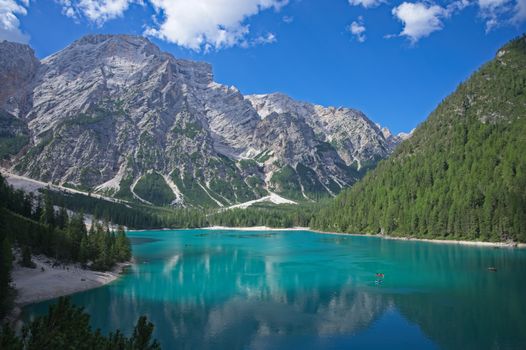
Forget the packed shores of Lake Bled; its quieter, wilder sister, Lake Bohinj, is where you'll find true Slovenian serenity. Nestled deep within the Triglav National Park in the Julian Alps, Bohinj offers the same emerald waters and dramatic mountain backdrops, but with a fraction of the crowds.
Why it's special: While Bled boasts a picturesque island church and castle, Bohinj offers raw, untamed nature. Its shores are less developed, dotted with charming villages like Ribčev Laz and Stara Fužina. The surrounding Julian Alps provide endless opportunities for hiking, from gentle lakeside strolls to challenging climbs up Mount Vogel or the Seven Lakes Valley. Imagine waking up to the sound of cowbells, a misty lake reflecting towering peaks, and the crisp scent of pine. That’s Bohinj.
What to do:
- Hiking: The trails around Bohinj are superb. Take the panoramic cable car up Mount Vogel for breathtaking views, or hike to the Savica Waterfall, the source of the lake. My personal favorite is the walk along the north shore, which is often completely deserted, especially early in the morning.
- Water Activities: Swim in the pristine, surprisingly warm (in summer!) lake, rent a kayak or paddleboard, or even try canyoning in one of the nearby gorges.
- Explore Local Villages: Wander through Stara Fužina, visit the Alpine Dairy Museum, and try some local cheese and cured meats.
- Day Trips: Visit the less-known Vintgar Gorge alternative, Mostnica Gorge, for a stunning river walk without the crowds.
Practicalities:
- Getting There: Fly into Ljubljana (LJU) and rent a car (highly recommended for exploring the region) or take a bus directly to Lake Bohinj. The drive is about an hour.
- Accommodation: Stay in a local guesthouse (like Gostišče Erlah in Stara Fužina, where I once stayed and had the most incredible homemade breakfast) or a small hotel. Camping is also popular and offers a truly immersive experience. Expect to pay €60-€120/night for a charming guesthouse.
- Budget: Slovenia is generally more affordable than its Western European neighbors. Expect to spend around €40-€70 per person per day on food and activities, excluding accommodation.
- Best Time to Visit: June or September offer pleasant weather and fewer people than peak July/August.
My Anecdote: One misty morning, I rented a small rowboat on Lake Bohinj. The water was like glass, reflecting the mountains perfectly. I rowed to the middle of the lake, put down my oars, and just floated, enveloped in silence, save for the distant chirping of birds. It was a moment of pure, unadulterated peace that no crowded beach could ever offer. I felt like I had the entire world to myself.
2. Asturias, Spain: The Green Coast & Picos de Europa – Spain Beyond the Beaches
When people think of Spain in summer, they usually picture scorching southern beaches or the bustling streets of Barcelona. But head north to Asturias, and you'll discover a completely different Spain: a lush, verdant landscape where dramatic mountains meet a rugged coastline, and ancient traditions thrive.
Why it's special: Asturias is "Green Spain" – a land of rolling hills, dense forests, and the formidable Picos de Europa mountain range. Its coastline is dotted with charming fishing villages, pristine coves, and dramatic cliffs. The food scene is legendary, known for its hearty stews, fresh seafood, and, most famously, its unique cider culture. It's a region fiercely proud of its identity, offering an authentic Spanish experience far from the tourist traps.
What to do:
- Explore the Picos de Europa: Hike through glacial valleys, spot wild horses, and visit picturesque mountain villages like Bulnes (accessible only by funicular or a challenging hike). The Cares Gorge trail offers breathtaking views, but there are also quieter, equally stunning alternatives.
- Coastal Drives & Beaches: Drive along the "Costa Verde" (Green Coast), stopping at hidden beaches like Playa del Silencio (a truly stunning, quiet cove) or the dramatic Gulpiyuri Beach (an inland beach fed by underground tunnels!).
- Cider Culture: Visit a traditional sidrería (cider house) in Oviedo or Gijón and experience the unique ritual of escanciar (pouring cider from a height to aerate it). It's an essential Asturian experience.
- Gastronomy: Indulge in local specialties like fabada asturiana (bean stew), cachopo (fried veal cordon bleu), and fresh seafood. The food here is incredible and incredibly affordable.
Practicalities:
- Getting There: Fly into Asturias Airport (OVD), which has connections to major European cities. Renting a car is almost essential to explore the region properly.
- Accommodation: Stay in casas rurales (rural guesthouses) or small boutique hotels in towns like Llanes, Ribadesella, or Cangas de Onís. Expect €70-€150/night.
- Budget: Asturias is one of Spain's more budget-friendly regions. Expect €50-€80 per person per day.
- Best Time to Visit: June to September for good hiking and beach weather, though expect some rain, which keeps everything green!
My Anecdote: I once spent a rainy afternoon in a tiny sidrería in Oviedo, watching the locals expertly pour cider. An old man, seeing my struggle with the pouring technique, patiently showed me the ropes, sharing a laugh and a plate of local cheese. It was a small moment, but it perfectly encapsulated the warmth and authenticity of Asturias, a place where genuine connection still trumps tourist spectacle.
3. Newfoundland, Canada: Rugged Beauty & Maritime Charm – North America's Wild Edge
For a truly unique North American summer adventure, look no further than Newfoundland and Labrador, Canada's easternmost province. This island off the Atlantic coast is a world unto itself, known for its dramatic fjords, icebergs (early summer), puffin colonies, and a culture as distinct as its rugged landscape.
Why it's special: Newfoundland feels like stepping back in time, yet with a vibrant, welcoming spirit. Its coastline is breathtaking, from the towering cliffs of Gros Morne National Park (a UNESCO World Heritage site) to the charming, brightly painted houses of fishing villages clinging to rocky shores. The people, known as "Newfies," are famously friendly, their accents a delightful blend of Irish and West Country English. Wildlife abounds, with whales breaching off the coast and thousands of puffins nesting on offshore islands.
What to do:
- Gros Morne National Park: Hike the iconic Gros Morne Mountain, take a boat tour through the freshwater fjord of Western Brook Pond (a truly majestic experience), and explore the Tablelands, a unique geological site where you walk on the Earth's mantle.
- Puffin & Whale Watching: Take a boat tour from Witless Bay Ecological Reserve (near St. John's) to see thousands of puffins up close. June and July are prime whale-watching months.
- St. John's: Explore North America's oldest city, with its colorful Jellybean Row houses, historic Signal Hill, and vibrant George Street (packed with pubs and live music).
- Fogo Island: For a truly unique and luxurious (but still authentic) experience, consider a stay at the Fogo Island Inn, or simply explore the island's unique "outport" communities.
Practicalities:
- Getting There: Fly into St. John's (YYT) or Deer Lake (YDF) for Gros Morne. Renting a car is essential for exploring the island.
- Accommodation: Stay in quaint B&Bs, local guesthouses, or unique boutique hotels. Expect €100-€200/night, depending on location and amenities.
- Budget: Newfoundland can be pricier than other Canadian provinces due to its remote location. Expect €80-€150 per person per day for food and activities.
- Best Time to Visit: June to September. Early summer (June/early July) for icebergs and puffins; July/August for warmer weather and whale watching.
My Anecdote: On a drive through a tiny coastal village in Newfoundland, I stopped to admire the view. An elderly woman tending her garden called out, "Lovely day for it, eh?" We chatted for twenty minutes about the weather, fishing, and the beauty of her island. She ended our conversation by pressing a freshly baked molasses cookie into my hand. It was a simple, heartfelt interaction that perfectly encapsulated the warmth and genuine hospitality of Newfoundland.
4. Ha Giang Province, Vietnam: The Northern Highlands Loop – Asia's Epic Motorbike Adventure
While Halong Bay and Hoi An are swarming with tourists, the northernmost province of Ha Giang in Vietnam offers an adventure of a lifetime: the Ha Giang Loop. This incredible motorbike journey takes you through some of Southeast Asia's most dramatic landscapes, past towering limestone karsts, terraced rice fields, and remote ethnic minority villages.
Why it's special: This isn't just a scenic drive; it's an immersive cultural experience. The Ha Giang Loop is a challenging but incredibly rewarding journey through landscapes that feel almost otherworldly. You'll encounter the H'mong, Dao, Tay, and other ethnic groups, whose vibrant cultures and traditional ways of life remain largely untouched by mass tourism. The feeling of freedom as you navigate winding mountain passes, with breathtaking vistas around every bend, is unparalleled.
What to do:
- The Ha Giang Loop: Rent a motorbike (or hire an "easy rider" with a local guide) and embark on the 3-4 day loop. Key stops include Dong Van Karst Plateau Geopark, Ma Pi Leng Pass (often called the "King of Mountain Passes"), Lung Cu Flag Tower (the northernmost point of Vietnam), and the ancient H'mong King's Palace.
- Homestays: Stay in local homestays in villages like Dong Van or Meo Vac. It's an incredible opportunity to experience local life, share meals with families, and learn about their customs.
- Local Markets: Visit the bustling Sunday markets in Dong Van or Meo Vac, where ethnic minorities gather to trade goods and socialize in a riot of color and sound.
- Hike & Explore: Pull over whenever you feel like it to explore a hidden trail, visit a local school, or simply soak in the incredible scenery.
Practicalities:
- Getting There: Take an overnight sleeper bus from Hanoi to Ha Giang city (approx. 6-8 hours). From there, arrange your motorbike or easy rider.
- Accommodation: Primarily homestays and basic guesthouses. Expect to pay €10-€20/night for a homestay (often including dinner and breakfast).
- Budget: Vietnam is very affordable. Expect €25-€40 per person per day for food, transport, and basic activities.
- Best Time to Visit: Spring (March-May) or Autumn (September-November) offer the best weather. Summer (June-August) can be hot and rainy, but the landscapes are incredibly lush. I went in late July and found the rain added to the dramatic atmosphere, just be prepared for muddy roads!
- Important Note: You need an international driving permit (IDP) to legally ride a motorbike in Vietnam. If you're not an experienced rider, hiring an "easy rider" is highly recommended and safer.
My Anecdote: Cresting the Ma Pi Leng Pass on my motorbike, with the Nho Que River winding through a deep gorge below, was one of the most awe-inspiring moments of my life. The sheer scale of the landscape, the silence broken only by the wind, and the feeling of being truly tiny in such a magnificent world – it was an experience that felt earned, not just observed, and completely free from the distraction of crowds.
5. Minca, Colombia: Sierra Nevada Foothills – A Cooler, Greener Escape
While Cartagena sizzles and Tayrona National Park draws the beach crowds, Minca, nestled in the foothills of the Sierra Nevada de Santa Marta mountains, offers a refreshing, cooler alternative. This laid-back, eco-friendly village is a haven for nature lovers, coffee aficionados, and those seeking a peaceful escape from the Colombian heat.
Why it's special: Minca provides a stark contrast to Colombia's bustling cities. The air is fresh, the temperatures are milder, and the dominant sounds are those of birdsong and rushing waterfalls. It's a hub for sustainable tourism, with numerous coffee and cacao farms offering tours, and a strong focus on preserving the surrounding cloud forest. It's a place to slow down, reconnect with nature, and enjoy the simple pleasures.
What to do:
- Coffee & Cacao Tours: Visit a local farm like Finca La Victoria or La Candelaria to learn about the coffee-making process from bean to cup, complete with delicious tastings.
- Waterfall Chasing: Hike to the refreshing Pozo Azul swimming holes or the more dramatic Marinka Waterfalls. Take a dip in the cool mountain water.
- Birdwatching: Minca is a renowned birdwatching destination, home to hundreds of species, including toucans and hummingbirds. Join a guided tour for the best chances of spotting them.
- Giant Hammock at Casa Elemento: While Casa Elemento itself has become more popular, its famous giant hammock offers incredible views of the Sierra Nevada. Go early to avoid the crowds, or find a quieter spot at one of the other eco-lodges.
- Explore on a Moto-Taxi: Hire a local moto-taxi driver to take you to various sights, adding a thrilling local touch to your explorations.
Practicalities:
- Getting There: Fly into Santa Marta (SMR). From there, take a local bus or a taxi/moto-taxi directly to Minca (approx. 45 minutes).
- Accommodation: Minca offers a range of eco-lodges, hostels, and guesthouses, many with stunning views and a focus on sustainability. Expect €20-€60/night for a comfortable stay.
- Budget: Minca is very affordable. Expect €30-€50 per person per day.
- Best Time to Visit: The dry season (December-April) is popular, but the green season (May-November) makes the waterfalls more impressive and the landscape incredibly lush, with only occasional afternoon showers.
My Anecdote: I spent an afternoon at a small, family-run coffee farm just outside Minca. After a fascinating tour, the owner, a kind woman with a weathered smile, brewed me the freshest cup of coffee I'd ever tasted, served with a piece of homemade cake. We sat on her porch, overlooking the valley, and she shared stories of her family and the land. It was a moment of genuine connection, a reminder of the simple beauty that travel can offer when you step away from the polished tourist trails.
Your Secret Weapon: How to Find Your Own Un-Influenced Paradise
So, you're inspired to seek out your own hidden gems? Excellent! Here's how to become a master of crowd-free travel:
- Go Local, Go Niche: Instead of searching "best summer destinations," try "underrated places in [country]" or "local secrets [region]." Look for local travel blogs (use Google Translate!), forums, and niche travel communities.
- Embrace Shoulder Season: Traveling just before or after peak season (e.g., late May/early June or late September/early October for Europe) offers better weather, lower prices, and significantly fewer crowds.
- Think Beyond the City: While major cities are always popular, explore their surrounding regions. Often, just an hour or two outside a famous city lies a completely different, uncrowded world.
- Use Satellite View on Maps: When researching, zoom in on Google Maps. Look for green spaces, small roads, and areas with fewer hotels or obvious tourist infrastructure. This can reveal hidden trails, secluded beaches, or quiet villages.
- Ask Locals (Respectfully): Once you arrive at a destination, engage with locals. Ask your B&B host, a shopkeeper, or a restaurant owner for their favorite, lesser-known spots. Be genuine and respectful of their local knowledge.
- Avoid the Obvious Photo Ops: If you see a line for a photo, move on. Seek out alternative viewpoints, explore side streets, and trust your intuition to find equally beautiful, but less-frequented, spots.
- Prioritize Experience Over Checklist: Don't feel pressured to see all the famous sights. Focus on what truly interests you, whether it's a specific type of cuisine, a hiking trail, or just a quiet place to read.
- Digital Detox (Partially): While I encourage sharing your experiences, try to limit your phone time. Being fully present in a place is the best way to soak in its magic and discover its true essence.
Dare to Go Beyond the Feed
The world is vast and full of incredible places waiting to be discovered, far from the curated feeds and sponsored posts. This summer, I challenge you to look beyond the obvious, to trust your adventurous spirit, and to seek out experiences that resonate with you, not just your followers.
These destinations aren't just about escaping crowds; they're about finding authenticity, fostering genuine connections, and creating memories that are truly your own. They're about the quiet satisfaction of discovering something beautiful before the rest of the world catches on.
So, pack your bags, charge your camera (for your personal memories, of course!), and get ready for a summer adventure that Instagram influencers won't even know to envy. Which hidden gem will you uncover first?
Share your thoughts in the comments below! Have you discovered a secret summer spot that blew you away? Tell us about it (but maybe keep the exact coordinates to yourself if it's really good!).
---
More pictures

Tags
Share this guide
We may earn a commission if you click a link and buy a product or service, at no extra cost to you. How affiliate links work.
Been there?