
Skip the sterile grocery store jars. We consulted top luxury travel advisors to pinpoint five elite spice plantations across India, Sri Lanka, Zanzibar, Grenada, and Malaysia where master growers hand over secret, hyper-local ingredients—from fire-smoked *Kudampuli* to raw crimson mace arils. Here is your definitive guide to farm-gate access, insider tasting protocols, and airtight travel logistics. ---
The Unmapped Spice Trail: Secret Ingredients Unlocked by Premier Travel Advisors
I stepped off the local night train at 6:00 AM into the misty highlands of Thekkady, India, and instantly felt the air change. It was thick, heavy, and scented with crushed cardamom, damp earth, and roasted eucalyptus leaves. Walking down a narrow red-clay path flanked by towering pepper vines, I rolled a freshly plucked green cardamom pod between my thumb and index finger. It snapped crisp under my pressure, releasing an intense surge of citrus resin, camphor, and sweet blossom that made my senses vibrate.
For decades, industrial supply chains have stripped spices of their vitality, dulling complex flavor profiles down to flat powders sold in plastic shakers. But high-end travel advisors have quietly redirected their most discerning culinary clients away from crowded tourist markets and straight to the origin: working, bio-diverse spice plantations.
These high-yield agricultural sanctuaries do not just display plants; they reveal secret culinary ingredients—hyper-specific botanical variations, forgotten curing methods, and under-utilized plant components—that top chefs keep locked in their private safes.
If you want to experience food at its rawest, most intoxicating source, here are the premier spice plantations around the globe revealing secret ingredients that travel advisors suggest you seek out right now.
---
1. Thekkady, Kerala (India): The Malabar Coast's Black Gold & Smokey Kudampuli
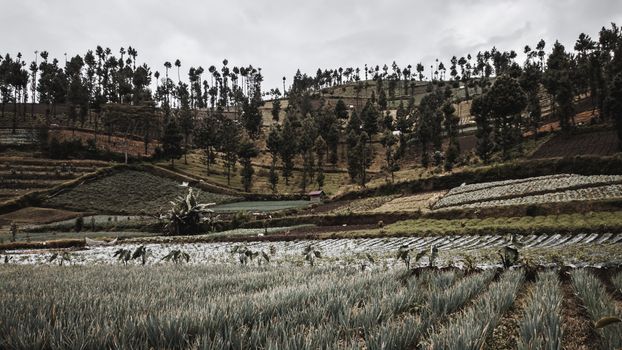
When luxury travel planners send culinary enthusiasts to Southern India, they bypass the generic souvenir shops in Cochin and transfer them straight up into the Western Ghats mountain range. This region, known historically as the Malabar Coast, holds the ideal combination of altitude, monsoon rainfall, and humic soil required to yield high-potency spices.
``` [Western Ghats Ridge: Altitude 1,000m+] | +----------------------+----------------------+ | | [Green Cardamom Slope] [Black Pepper Trellis] (Moist shade, high resin) (Garcinia trees shade) | | +---------------------> <---------------------+ | [Kudampuli Smokehouse] (Rubberwood slow-curing) ```
The Secret Ingredient: Kudampuli (Malabar Tamarind)
While travelers come expecting black pepper and cardamom, seasoned travel advisors tell their clients to ask for Kudampuli (Garcinia cambogia). Known locally as wild tamarind, this pumpkin-shaped fruit is harvested ripe, halved, and slow-dried over open rubberwood fire pits for days until it shrinks into a dark, leathery, charcoal-black rind.
Unlike standard tamarind, Kudampuli imparts a deep, smoky, electric sourness to clay-pot fish curries that cannot be replicated by any vinegar or citrus fruit on Earth.
Estate to Visit: Carmelia Haven & Green Park Estate
Avoid the commercial roadside demonstration gardens lining the Kumily highway. Have your driver take you to the upper ridges of the Green Park Estate or book a private walking route through Carmelia Haven’s high-altitude plots.
- Pro-Tip: Arrive at 7:00 AM while the morning mist still blankets the pepper canopies. Ask for Senior Botanist Saji; he will guide you behind the central processing sheds to the traditional rubberwood smokehouses where raw Kudampuli is turned into black gold.
- What to Buy: Ask to purchase dark Kudampuli stored in terracotta pots sealed with sesame oil—it keeps fresh for over five years without refrigeration.
---
2. Matale Valley, Sri Lanka: True Ceylon Cinnamon & Fresh Cardamom Resin
Driving north from Kandy toward the Central Highlands of Sri Lanka, the air fills with the sharp, sweet tang of true cinnamon (Cinnamomum verum). Most consumer markets sell Cassia cinnamon—a thick, woody bark loaded with harsh coumarin compounds. Sri Lanka, however, remains the exclusive home of soft, multi-layered Ceylon cinnamon, a delicate bark pulled by hand using centuries-old techniques.
``` [Cassia Bark (Common)] [Ceylon Cinnamon (Sri Lanka)]
- Single thick layer - Dozens of parchment-thin layers
- Hard, reddish-brown - Soft, golden-blonde quill
- High coumarin (harsh) - Low coumarin (sweet, complex)
```
The Secret Ingredient: Alba Grade Ceylon Cinnamon Quills
Travel advisors advise luxury travelers to skip standard cinnamon sticks and request Alba Grade Quills. Culled strictly from the thinnest, youngest inner shoots of the cinnamon tree, these quills are hand-rolled until they resemble rolled cigars composed of dozens of paper-thin parchment layers. They crumble easily between two fingers, giving off notes of pure vanilla, citrus, and sweet clove without any bitter burn.
Estate to Visit: Euphoria Spice & Herbal Estate
Located along the Matale valley floor, Euphoria maintains dedicated heirloom cinnamon thickets away from mass-tourist corridors.
- Pro-Tip: Skip the public retail store at the entrance. Walk directly past the main welcome pavilion down the dirt track to the southern quilling sheds at 8:30 AM. Here, master peelers use brass knives to pare away the outer bark. If you politely ask the supervisor, you can taste raw, unrefined cinnamon resin harvested straight from the inner layer of freshly cut wood.
- What to Buy: Purchase vacuum-sealed bundles of certified "Alba Grade" cinnamon quills and small vials of cold-pressed cinnamon leaf essential oil for natural culinary drops.
---
3. Dole & Kidichi, Zanzibar (Tanzania): Crimson Mace Arils & Green-Cured Vanilla
Zanzibar earned its reputation as the "Spice Island" during the 19th-century Sultanate era. Beyond the historic white-coral architecture of Stone Town lie dense agricultural cooperatives where nutmeg, clove, vanilla, and ginger grow together in multi-tiered forest systems.
``` [Nutmeg Fruit Structure] +--------------------------+ | Outer Pericarp (Fruit) | --> Used for preserves & jams | +--------------------+ | | | Crimson Mace Aril | | --> Secret Ingredient: Floral & warm | | +--------------+ | | | | | Black Shell | | | | | | [Nutmeg] | | | --> Standard grated baking spice | | +--------------+ | | | +--------------------+ | +--------------------------+ ```
The Secret Ingredient: Fresh Crimson Mace Arils
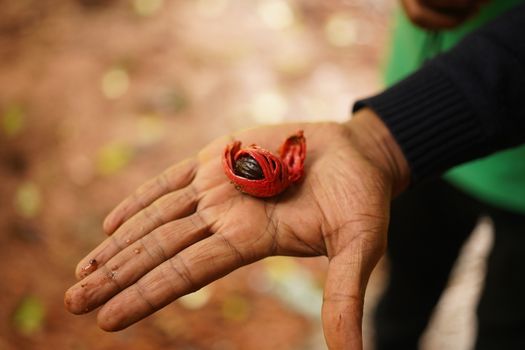
While most travelers know nutmeg as a hard, brown nut for baking, top travel advisors steer their clients toward the fruit's brilliant scarlet secret: Mace. Mace is the vibrant, lace-like crimson covering (aril) that wraps around the dark inner shell of the nutmeg seed.
Eaten fresh off the tree at Zanzibar plantations, raw mace has an intensely aromatic, warm, floral-citrus flavor profile vastly superior to the dried, beige powder sold in commercial stores.
Estate to Visit: Jichi Spice Farm & Kizimbani Rural Co-op
Located roughly 30 minutes northeast of Stone Town, these family-run plots avoid the scripted song-and-dance routines of high-volume tour agencies.
- Pro-Tip: Schedule your arrival for 7:30 AM. Ask your local guide to take you to the older trees at the back of the property. Have the farmer open a ripe, cracked yellow nutmeg fruit directly off the tree. Peel off the wet crimson mace aril and chew a small piece raw with a pinch of sea salt—it is an incredible flavor revelation.
- What to Buy: Buy whole, sun-dried red mace leaves (blades) sealed in glass jars, along with whole green bourbon vanilla beans that have been traditional-cured in mango leaves.
---
4. St. Andrew’s Parish, Grenada: Nutmeg Pericarp & Wild Bay Rum Leaf
Known as the Spice Isle of the Caribbean, Grenada produces a massive share of the world’s nutmeg crop. Volcanic soil, high rainfall, and ocean breezes create ideal growing conditions for essential-oil-rich crops along the island's steep green hills.
``` [Ocean Breezes] --> [Volcanic Slopes] --> [High-Oil Nutmeg & Bay Trees] | +-------------+-------------+ | | [Nutmeg Pericarp] [Bay Rum Leaf] (Jam & Pork Glaze) (Slow-braise Infusion) ```
The Secret Ingredient: Nutmeg Pericarp (Fruit Flesh)
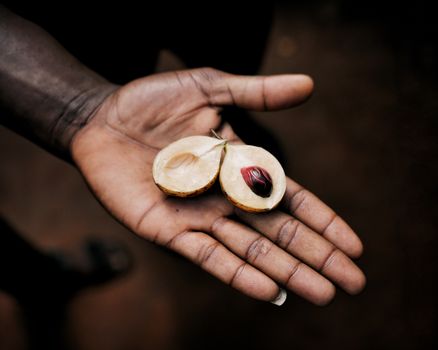
When island farmers harvest nutmeg, they crack open a thick, pale yellow outer fruit about the size of a peach. Most commercial operations throw this away, but local chefs and clued-in travel advisors view Nutmeg Pericarp as a prime culinary ingredient.
The flesh is chopped, simmered with local cane sugar, and turned into a tangy, spiced preserve or reduced down into a glossy, savory glaze for roasted meats and seafood.
Estate to Visit: Belmont Estate
Belmont Estate is an authentic, operational 17th-century plantation located in the northern parish of St. Patrick, away from the southern resort zones.
- Pro-Tip: Skip the standard group tour. Head straight behind the cocoa-drying racks toward the old stone fermentary at 8:30 AM. Ask the field manager if you can sample fresh pericarp jam cooked that morning in the historic estate kitchen.
- What to Buy: Grab jars of homemade Grenadian nutmeg pericarp jam and bags of whole, air-dried wild Bay Rum leaves (Pimenta racemosa), which add an incredible herbaceous depth to slow-cooked stews.
---
5. Sarawak & Penang, Malaysia: Galangal Blossoms & Water-Retted White Pepper
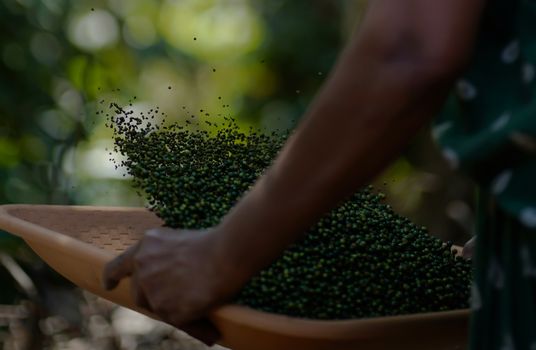
Malaysia offers two distinct, high-potency spice microclimates: the island of Penang with its historic spice terraces, and the dense jungle riverways of Sarawak on the island of Borneo, famous for producing world-class peppercorns.
``` [Sarawak Black Peppercorn] [Sarawak White Peppercorn] (Sun-dried with outer skin) (Water-retted in clear mountain streams) | | Pungent, bite, heat Creamy, fermented, musky floral ```
The Secret Ingredient: Water-Retted Sarawak White Peppercorn
Forget the stale, dusty white pepper that smells like wet cardboard. True Sarawak White Pepper comes from fully ripened, bright red pepper berries that are harvested by hand, packed into burlap sacks, and submerged in clear, running mountain streams for two weeks.
This natural water-retting process strips away the outer skin while preserving volatile essential oils, yielding a peppercorn that is creamy, musky, complex, and packs a smooth heat.
Estate to Visit: Tropical Spice Garden (Penang) & Mt. Serapi Pepper Farm (Sarawak)
Penang's Tropical Spice Garden offers eight acres of natural secondary jungle trails, while the private smallholder farms around Mt. Serapi in Kuching, Sarawak, deliver raw, direct-from-the-source agricultural tours.
- Pro-Tip: At Penang's Tropical Spice Garden, book the 8:00 AM private morning trail with a resident botanist before the humidity builds. Request a detour through the ginger family plot to see—and smell—fresh Pink Galangal Blossoms (Etlingera elatior), the key secret ingredient in authentic Malaysian Laksa.
- What to Buy: Direct-from-farm vacuum-packed single-origin Sarawak White Peppercorns (Grade AAA) and dried, crushed torch ginger buds.
---
Travel Logistics, Costs, & Planning Essentials
Planning a dedicated spice plantation trip requires timing your travel with localized harvest seasons and knowing how to navigate regional transportation routes.
Quick Facts & Field Guide Matrix
| Destination | Best Visit Window | Estimated Day Tour Cost ($ USD) | Key Secret Ingredient | Transit / Access Strategy | | :--- | :--- | :--- | :--- | :--- | | Thekkady, India | September – February | $30 – $60 | Kudampuli (Malabar Tamarind) | Fly to Cochin (COK); hire a private driver for a 4-hour mountain drive to Kumily. | | Matale, Sri Lanka | October – March | $25 – $50 | Alba Grade Ceylon Cinnamon | Take the scenic observation train from Colombo to Kandy, then hire a private tuk-tuk north. | | Zanzibar, Tanzania | July – October; Dec – Feb | $40 – $85 | Fresh Crimson Mace Arils | Fly into Abeid Amani Karume (ZNZ); take a private 4x4 transport directly to Dole Village. | | St. Andrew, Grenada | January – May | $20 – $45 | Nutmeg Pericarp Jam | Fly into Maurice Bishop (GND); rent a vehicle or hire an island taxi for the 1-hour drive north. | | Sarawak, Malaysia | May – September | $50 – $110 | Water-Retted White Pepper | Fly to Kuching (KCH); book a private guide with riverboat transport to high-land plots. |
---
How to Shop, Pack, and Pass Customs Like a Pro
To bring these exceptional ingredients home without losing their flavor—or getting them confiscated at airport security—follow these fundamental rules.
``` [Harvest at Farm] │ ▼ [Airtight Glass / Vacuum Seal] <-- Prevents essential oil evaporation │ ▼ [Declare at Customs] <-- "Dried processed spices for personal use" │ ▼ [Dark, Cool Storage] <-- Avoid direct light & heat exposure ```
1. Buy Whole, Never Ground
Essential oils in spices oxidize rapidly once ground. Always buy whole peppercorns, unground nutmeg, whole cinnamon quills, and dried whole pods. Grind them at home using a heavy granite mortar and pestle or a dedicated burr grinder right before cooking.
2. Vacuum Sealing is Non-Negotiable
Moisture and air are the primary enemies of dried spices. Most top estates offer on-site vacuum-sealing services. If unavailable, bring a small pack of heavy-duty food-grade zip pouches and squeezable vacuum bags.
3. Clear Customs with Complete Transparency
Agricultural laws vary by country, but fully dried, commercially processed, and sealed plant products meant for personal culinary use are generally permitted across US, UK, EU, and Australian borders. Always list your purchases on your immigration declaration forms under "dried processed spices for personal consumption." Avoid bringing back raw, un-dried seeds or soil.
---
Final Verdict: Why Your Next Trip Should Smell Like Spices
Exploring a spice plantation is far more than a simple sightseeing excursion—it is a grounding, sensory journey into the roots of human trade, culture, and flavor. By following the advice of top travel advisors and venturing beyond standard tourist paths, you will not only discover extraordinary, secret ingredients like smoky Kudampuli or sweet Alba Ceylon cinnamon, but you will also support local farming communities who have preserved these ancient agricultural traditions for generations.
Pack your bags, prepare your palate, and step right up to the farm gate. Your kitchen will never be the same again.
---
More pictures

Tags
Share this guide
We may earn a commission if you click a link and buy a product or service, at no extra cost to you. How affiliate links work.
Been there?