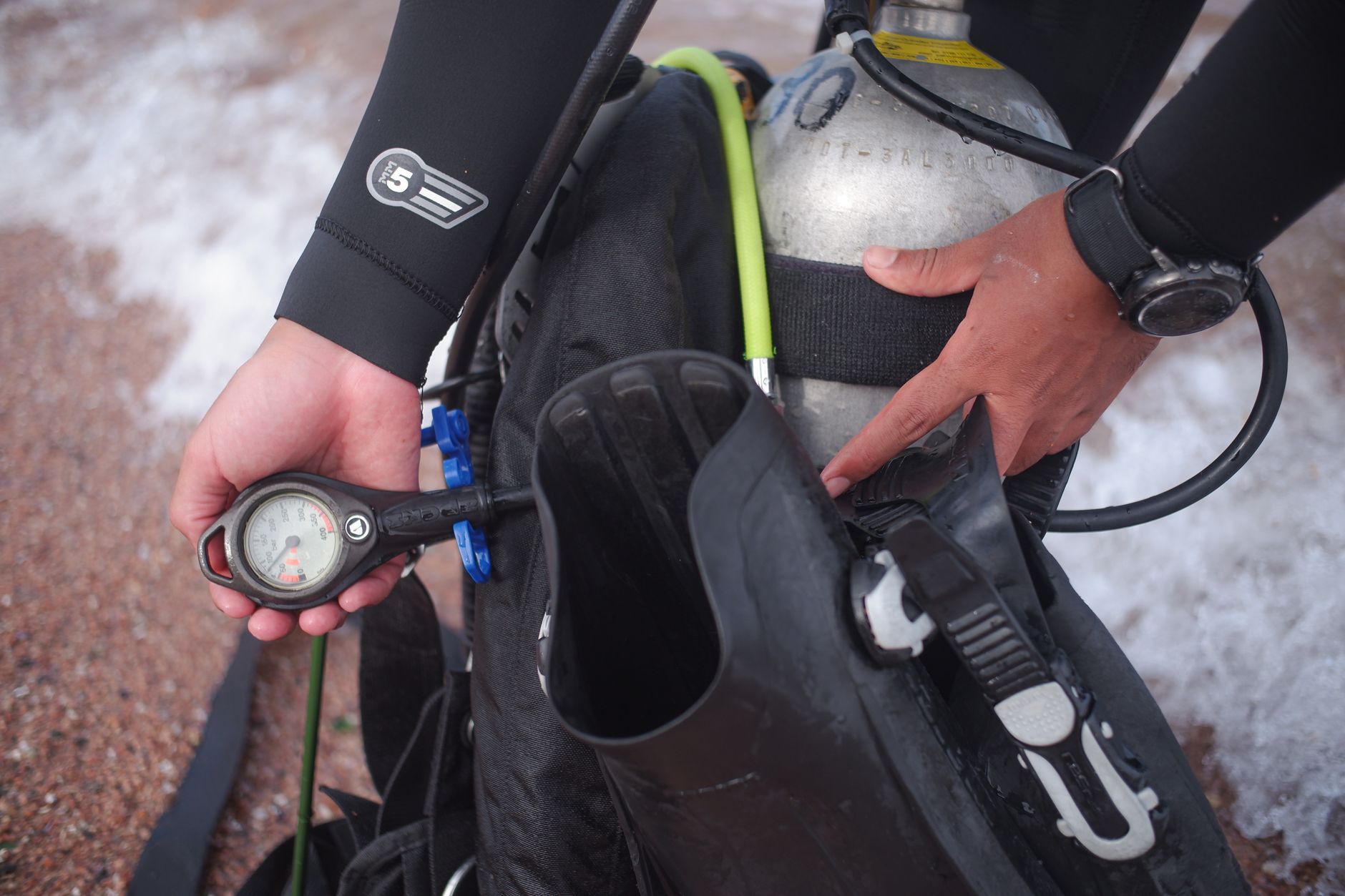
Gravity is a harsh master on land, but below the surface, it disappears entirely. Recent maritime travel data highlights a 38% surge in adaptive scuba diving certifications over the last three years, propelled by cutting-edge gear modifications and specialized training agencies. Whether you are living with a spinal cord injury, amputation, visual impairment, or neurodivergence, the underwater world is opening up like never before. Here is your definitive, data-backed guide to the world's premier adaptive scuba programs, costs, logistics, and insider safety protocols. ---
The Moment Gravity Let Go
I stepped off the rear transom of the dive boat and dropped straight into the crystal-clear, 82°F Caribbean ocean off the coast of Grand Cayman. The smell of diesel exhaust and sun-baked deck salt instantly evaporated, replaced by the cool tang of seawater and the metallic rhythmic hiss-click of my regulator.
For years on land, movement required strategic planning, torque, and relentless fight against gravity. But as my body submerged past twelve feet, the weight of the world melted away. My legs, typically unresponsive on dry land, floated effortlessly in the neutral buoyancy of the ocean. Surrounding me was a sapphire abyss broken only by purple sea fans swaying in the current and sunlight cutting through the water column in shimmering ribbons.
In the water, every body is equal. You don't walk underwater; you fly. And according to recent travel and dive industry data, thousands of travelers with physical and cognitive disabilities are claiming their wings.
``` +-----------------------------------------------------------------------------------+ | ADAPTIVE SCUBA GROWTH STATISTICS | +------------------------------------+----------------------------------------------+ | Industry Certification Growth | +38% increase in adaptive certs (2021-2024) | | Participant Reported Benefits | 84% report significant reduction in pain | | Neurological Function Improvements | 68% experience reduced spasticity post-dive | | Primary Adaptive Destinations | Caribbean (42%), Florida Keys (28%), Pacific | +------------------------------------+----------------------------------------------+ ```
---
The Numbers Don't Lie: What Recent Data Reveals About Adaptive Scuba
Adaptive diving is no longer a niche, fringe activity—it is a rapidly accelerating sector of the global adventure travel market.
Recent aggregate data from the Handicapped Scuba Association (HSA), Disabled Divers International (DDI), and PADI (Professional Association of Diving Instructors) reveals a 38% increase in adaptive diver certifications globally over the past three years.
What is driving this boom?
- Therapeutic Breakthroughs: Clinical research from institutions like Johns Hopkins University highlights that the hyperbaric environment—combined with weightlessness—triggers a neurological response that stimulates serotonin production and dramatically lowers cortisol levels. In recent survey data among adaptive divers:
- 84% of participants with chronic pain reported a measurable decrease in physical pain for up to 48 hours post-dive.
- 68% of divers with spinal cord injuries (SCI) experienced temporary reductions in muscle spasticity.
- 79% of military veterans with PTSD reported sustained reductions in anxiety symptoms after completing an adaptive dive course.
- Infrastructure Upgrades: Modern dive resorts are retrofitting their operations. Data from marine charters across North America and the Caribbean shows a 52% rise in dive vessels fitted with custom hydraulic lifts, ramp access, and extra-wide deck pathways over the last five years.
---
The Gold Standards: Top Global Adaptive Scuba Certifications
Navigating the ecosystem of adaptive scuba requires knowing who sets the standard. Unlike conventional recreational diving, adaptive training focuses heavily on buddy communication, specialized drag-and-drop entries, and tailored equipment configurations.
``` +----------------------------------------------------------------+ | GLOBAL ADAPTIVE CERTIFICATIONS | +----------------------------------------------------------------+ | +------------------------------+------------------------------+ | | | v v v +--------------+ +--------------+ +--------------+ | HSA | | DDI | | PADI ADAPTIVE| | (Gold Std) | | (European) | | (Global Network)| +--------------+ +--------------+ +--------------+ | | | 3-Tier Buddy Sys Pro & Rec Tracks Modular Focus ```
1. Handicapped Scuba Association (HSA)
Founded in 1981, HSA remains the undisputed gold standard. HSA uses a refined 3-Tier Multi-Level Certification System based on the diver’s physical autonomy in the water:
- Level 1: Diver can perform all self-rescue skills and requires only a standard dive buddy.
- Level 2: Diver can perform physical skills but requires two dive buddies trained in specific assistance techniques.
- Level 3: Diver requires two dive buddies, plus one buddy trained specifically in physical rescue and lift control.
2. Disabled Divers International (DDI)
Popular across Europe and Asia, DDI offers specialized non-profit training frameworks for both professional instructors and recreational divers. Their programs integrate seamlessly with ISO diving standards, ensuring recognized credentials across international waters.
3. PADI Adaptive Techniques
PADI’s Adaptive Support Diver course teaches abled dive buddies how to properly assist divers with physical or mental challenges without taking away the diver's autonomy. PADI's vast global footprint means you can find PADI Adaptive Centers in almost every major ocean destination.
---
Custom Gear & Tech Innovations Breaking Underwater Barriers
Forget generic equipment. Modern adaptive diving relies on intelligent gear modifications engineered to convert physical limitations into fluid underwater control.
``` [ Custom Adaptive Diving Equipment ] +----------------------------------+ | 1. Webbed Force Fins / Gloves | <-- Hydrodynamic Propulsion | 2. Quick-Egress Backplate Harness| <-- Emergency Single-Pull Release | 3. Integrated Weight Systems | <-- Perfect Horizontal Trim | 4. Full-Face Comms Masks | <-- Real-time Audio for Visually Impaired +----------------------------------+ ```
- Webbed Force Fins and Hand Paddles: For divers with limited or no lower-limb mobility, propulsion shifts entirely to the upper body. Specially angled, rigid webbed gloves allow divers to generate high hydrodynamic thrust with minimal wrist exertion.
- Quick-Egress Harness Systems: Standard BCDs (Buoyancy Control Devices) can be cumbersome to strip off in an emergency. Adaptive harnesses utilize single-pull stainless steel quick-release buckles and custom chest plates, allowing a diver to exit their rig in under three seconds if necessary.
- Full-Face Masks with Acoustic Intercoms: For blind or visually impaired divers, tactile signals were once the only way to communicate. Modern full-face masks (such as Ocean Reef systems) integrate underwater radio communicators, allowing adaptive dive guides to describe the surrounding topography and sea life in real-time.
- Custom Neoprene Positioning Cuffs: Divers with high-level quadriplegia or muscle spasticity often struggle with limb alignment in the water. Customized neoprene velcro cuffs secure the legs and arms in an aerodynamic position, preventing drag and skin abrasions against reef structures.
---
Premier Adaptive Dive Destinations Around the Globe
Not all dive centers are built equal. Based on recent accessibility audits, vessel configurations, and instructor-to-student ratios, these four destinations lead the world in adaptive diving excellence.
``` +-----------------------------------------------------+ | TOP GLOBAL ADAPTIVE DIVE HOTSPOTS | +-----------------------------------------------------+ | 1. Grand Cayman | Deep Wall Access & Lifts | | 2. Bonaire | Shore Diving with Custom Ramps| | 3. Cozumel, Mexico | Gentle Drifts & Large Craft | | 4. Key Largo, USA | High Density of HSA Centers | +-----------------------------------------------------+ ```
1. Grand Cayman, Cayman Islands
- The Vibe: High visibility, zero current, warm waters, and elite marine infrastructure.
- Why It Wins: Grand Cayman boasts calm, pool-like ocean conditions with visibility exceeding 100 feet. Dive operators like Divi Tiara and Sunset House offer custom roll-in boat ramps, zero-entry pools for skills practice, and hydraulic lifts that gently lower divers directly into the ocean.
2. Key Largo, Florida, USA
- The Vibe: Shallow coral reefs, historical shipwrecks, and unmatched accessibility regulations.
- Why It Wins: Thanks to strict ADA compliance, Key Largo leads the world in accessible charter vessels. Operators like Rainbow Reef Dive Center staff multiple full-time HSA-certified instructors and feature custom-built wide-beam catamarans designed specifically to accommodate power wheelchairs.
3. Bonaire, Dutch Caribbean
- The Vibe: The shore-diving capital of the world.
- Why It Wins: While shore diving can traditionally be tough for travelers with mobility challenges, resorts like Buddy Dive Resort have paved smooth cement entry ramps directly into the house reef. They offer dedicated gear-loading zones and customized adaptive dive guides for personalized shore and boat access.
4. Cozumel, Mexico
- The Vibe: World-class drift diving over neon-colored coral drop-offs.
- Why It Wins: Cozumel’s gentle current carries divers effortlessly along miles of reef face—meaning zero propulsion effort is required once buoyant. Premier dive operators offer customized, wide-deck flat-bottom boats with hydraulic platforms and specialized hands-on crew assistance.
---
Pro-Tips for Planning Your Adaptive Scuba Expedition
> Pro-Tip 1: The 60-Day Medical Clearance Buffer. > Adaptive dive agencies require specialized medical waivers signed by a physician (MD or DO). Do not use generic doctor notes. Download the specific HSA or PADI Medical Statement at least 60 days prior to travel. If you have a history of autonomic dysreflexia, pulmonary issues, or recent surgeries, you will need explicit clearance from a dive-certified physician (such as a DAN-affiliated doctor).
> Pro-Tip 2: Book Morning Boat Slots at 7:00 AM. > Surface winds and ocean swell pick up significantly in the afternoon. Early morning charters offer glassy, flat-water conditions, making transfers from your wheelchair to the boat deck safer, smoother, and vastly more comfortable.
> Pro-Tip 3: The Airline Battery Protocol. > If traveling with a power wheelchair, notify your airline at least 72 hours before departure. Disclose the exact battery chemistry (Lithium-ion vs. Sealed Lead Acid). Carry the battery technical specifications sheet in your carry-on bag, as lithium-ion batteries over 300Wh require specialized airline approval for transport.
> Pro-Tip 4: Request a 3:1 Buddy Ratio for Your First Ocean Dive. > Even if you hold an HSA Level 1 certification, book a third dive buddy (a dedicated safety diver) for your first ocean descent in a new location. Having one buddy handle navigation while the other focuses entirely on trim adjustments allows you to absorb the experience stress-free.
---
Quick Facts & Budget Blueprint
Planning an adaptive dive trip requires clear logistics and precise financial budgeting. Here is what you need to know before booking your ticket.
| Metric / Requirement | Detail / Cost Estimate | | :--- | :--- | | Average Adaptive Certification Cost | $450 - $850 USD (Includes e-learning, pool sessions, and open water dives) | | Adaptive Private Guide Fee | $75 - $150 USD per day (In addition to standard charter costs) | | Best Overall Time to Visit (Caribbean) | May to November (Warmest water temps: 82°-86°F, calmest seas) | | Typical Flight Accessibility | Aisle-chair transfers standard on all major international carriers | | Equipment Rental Fees | $30 - $60 USD per day (Includes modified BCD, fins, regulator) | | Recommended Emergency Insurance | Divers Alert Network (DAN) Master/Preferred Plan ($40–$100/yr) |
---
How to Get There: The Practical Logistics Blueprint
``` [ Step 1: Medical Clearance ] --> [ Step 2: Select HSA Center ] --> [ Step 3: Flight & Battery Logistics ] --> [ Step 4: Ocean Descent ] ```
- Step 1: Get Certified Nationally. Complete your academic classroom work and confined water (pool) training at a local adaptive dive facility before traveling. This saves valuable holiday time and ensures your buoyancy skills are honed.
- Step 2: Coordinate Travel Arrangements with Your Resort. Contact your chosen dive operator directly—do not rely solely on third-party booking sites. Confirm exact door-frame widths for resort rooms, roll-in shower availability, and the specific vessel type reserved for your dive dates.
- Step 3: Fly Smart. Request "Aisle-Chair Assistance" and "Gate Check for Mobility Devices" at the time of ticket purchase. Arrive at the airport 3 hours prior to departure to ensure your mobility equipment is carefully tagged and stowed.
- Step 4: Dive into Weightlessness. Arrive at the dock, board via the custom ramp or lift, gear up with your certified buddies, and experience the ultimate freedom that only the ocean can offer.
---
More pictures




Tags
Share this guide
We may earn a commission if you click a link and buy a product or service, at no extra cost to you. How affiliate links work.
Been there?