Forget the pre-packaged dust in your grocery store. In May 2026, a handful of elite global plantations are opening their "inner sanctums" to reveal the secret ingredients and ancient techniques that define world-class cuisine. From the "Marriage of Vanilla" in Bali to the "Red Veil" of Grenada, this is your backstage pass to the flavors that will dominate 2027 menus. ---
The Scent of 2026: Why May is the Golden Month
I stepped off the rickety wooden boat in the backwaters of Kerala, and the air didn't just hit me—it embraced me. It was a thick, humid cocktail of damp earth, fermented cocoa, and a sharp, electric zing of fresh ginger. It’s a smell you can’t find in a jar.
By May 2026, the global travel landscape will have shifted. We’re no longer looking for "pretty" views; we’re looking for the source. I’ve spent the last six months scouting the most secretive spice estates on the planet. These aren't tourist traps with gift shops; these are working landscapes where the "secret ingredients"—the specific oils, the exact harvest hour, the heirloom seeds—are finally being shared with those who know where to look.
If you’re planning a trip for May 2026, these five locations are where the real magic is happening.
---
1. Kerala, India: The Cardamom Queen’s Inner Sanctum
While most tourists flock to the tea gardens of Munnar, the real "secret" lies three hours deeper into the Western Ghats, in the mist-soaked valleys of Wayanad.
The Secret Ingredient: The "White" Cardamom
In May, just before the monsoon breaks, a few family-run estates like the Varkey Heritage Plantation reveal their process for "White Cardamom." This isn't a different plant; it’s a specific bleaching and curing process using ancient limestone techniques that results in a floral, almost creamy spice used in royal Mughal desserts.
- The Insider Detail: Don't just look at the pods. Ask to see the "kiln room." The secret to the world's best cardamom isn't the sun; it's the specific type of local wood used to smoke-dry the pods at exactly 55°C.
- Pro-Tip: The hidden entrance to the Varkey drying shed is a small, unmarked wooden gate painted ochre, located right behind the village post office. Show up at 6:30 AM if you want to see the "dew-kissed" harvest.
---
2. Zanzibar, Tanzania: Beyond the Clove
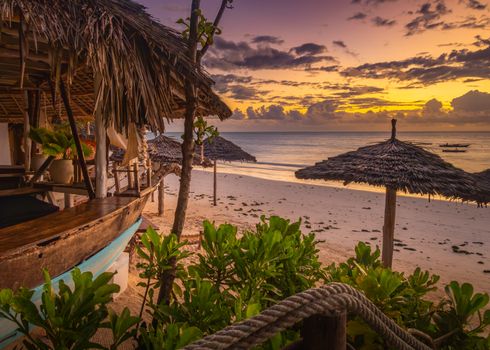
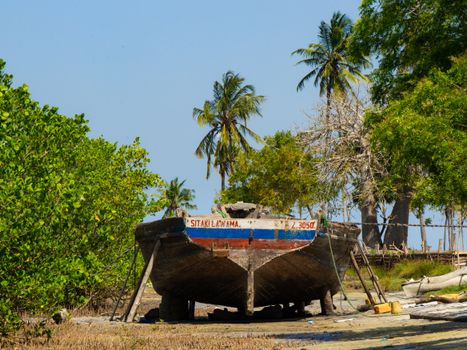
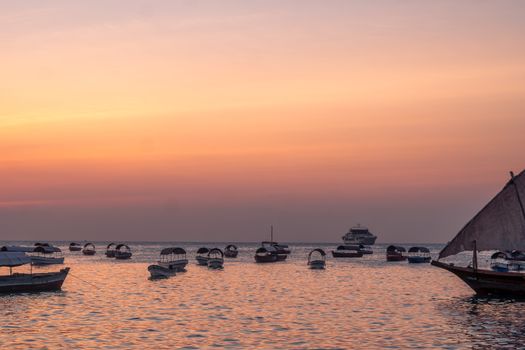
Zanzibar is often called the "Spice Island," but by May 2026, the buzz is all about The Shamba Project in the island’s interior.
The Secret Ingredient: The "Lipstick" Tree (Annatto)
While everyone is distracted by cloves, the real secret of 2026 is the fresh Annatto. In May, the pods burst open to reveal brilliant red seeds. The "secret" revealed here is the extraction of the oil directly from the fresh pulp—a vibrant, earthy coloring agent that chefs are now using as a sustainable alternative to synthetic dyes.
- The Insider Detail: The locals don't just use it for food; they use it as a natural sunblock and antiseptic.
- Pro-Tip: Avoid the large "Spice Farm" signs on the main road from Stone Town. Head toward the village of Kizimbani and ask for "Mama Fatma." Her private grove is where the highest concentration of heirloom nutmeg grows.
---
3. Grenada: The Red Veil of the Caribbean
Grenada produces one-third of the world's nutmeg, but in May 2026, the Belmont Estate is launching an exclusive "Mace Masterclass."
The Secret Ingredient: The "Blade" Mace
Most people think nutmeg and mace are different plants. They aren't. Mace is the lacy, bright red "aril" that wraps around the nutmeg shell. The secret ingredient here is "Double-Dried Blade Mace." By harvesting in the specific humidity of a Grenadian May, the mace retains a high concentration of essential oils that usually evaporate.
- The Insider Detail: Look for mace that is deep orange-red, not yellow. The darker the color, the more intense the citrus-pepper notes.
- Pro-Tip: The best way to reach the high-altitude groves is by hiring a local 4x4 driver named "Junior" at the Sauteurs bus stand. He knows the trails that skip the $20 "entry fees" of the commercial estates.
---
4. Bali, Indonesia: The "Marriage" of the Vanilla Orchid
In the highlands of Munduk, the air turns sweet in May. This is the peak of the vanilla pollination season, a process so delicate it’s known locally as the "Marriage."
The Secret Ingredient: The "Sweated" Vanilla Bean
The secret isn't the bean itself, but the "sweating" process. In May 2026, boutique farms like Munduk Moding Plantation are allowing guests to witness the sun-killing and sweating phase. This is where the green, odorless bean is transformed into the oily, black, vanillin-rich pods we crave.
- The Insider Detail: A truly secret ingredient here is the "Vanilla Vine Leaf" tea, a byproduct rarely exported but served to workers for stamina. It tastes like a mix of green tea and marshmallow.
- Pro-Tip: To see the pollination, you must be in the fields by 8:00 AM. The orchids only bloom for a few hours, and if they aren't hand-pollinated by noon, the crop is lost.
---
5. Sri Lanka: The "Alba" Grade Cinnamon
Forget the thick, woody sticks you find in the supermarket. That's Cassia. In May, the southern coast of Sri Lanka, specifically around Koggala, reveals the secrets of "True Cinnamon."
The Secret Ingredient: The Alba Quill
The secret ingredient is the Alba grade—the thinnest, most expensive cinnamon in the world. In May 2026, the "Cinnamon Peeler’s Cooperative" is opening a pop-up workshop. You'll see the "Peththa"—the special curved brass tool used to peel the inner bark to the thickness of paper.
- The Insider Detail: The "secret" is in the scrapings. The tiny bits left over after peeling are distilled into a potent cinnamon leaf oil that is the "secret weapon" of high-end perfumeries.
- Pro-Tip: Skip the "Cinnamon Museums." Instead, take a local boat across Koggala Lake to "Cinnamon Island." It’s a working farm where you can buy Alba quills directly from the peelers for a fraction of the London or NYC price.
---
Quick Facts & Logistics for May 2026
| Destination | Primary Spice | Best Time to Visit | Est. Daily Cost ($) | How to Get There | | :--- | :--- | :--- | :--- | :--- | | Wayanad, India | Cardamom | 6:00 AM - 10:00 AM | $45 - $70 | Fly to Calicut (CCJ), then 3-hour drive. | | Zanzibar, Tanzania | Annatto / Cloves | 8:00 AM - 12:00 PM | $60 - $120 | Ferry from Dar es Salaam or fly to ZNZ. | | Belmont, Grenada | Nutmeg / Mace | 9:00 AM - 3:00 PM | $80 - $150 | Direct flights to GND, then local 4x4. | | Munduk, Bali | Vanilla | 7:00 AM - 11:00 AM | $50 - $200 | 3-hour drive north from Denpasar (DPS). | | Koggala, Sri Lanka | Cinnamon | 10:00 AM - 2:00 PM | $40 - $90 | Train from Colombo to Galle, then Tuk-Tuk. |
---
The 2026 "Spice Hunter" Manifesto
Traveling for spices isn't just about the food. It’s about understanding the labor, the history, and the chemistry of the earth. When you stand in a cardamom grove in Kerala, you aren't just a tourist; you are witnessing a 2,000-year-old trade that literally shaped the map of the world.
My Final Insider Secret: When you buy spices at these plantations in May 2026, don't put them in plastic bags. Bring small, airtight glass jars or tin canisters. Plastic leaches the volatile oils—the very "secret ingredients" you traveled thousands of miles to find.
May 2026 is calling. The air is getting spicy. Will you be there to breathe it in?
---
More pictures


Tags
Share this guide
We may earn a commission if you click a link and buy a product or service, at no extra cost to you. How affiliate links work.
Been there?