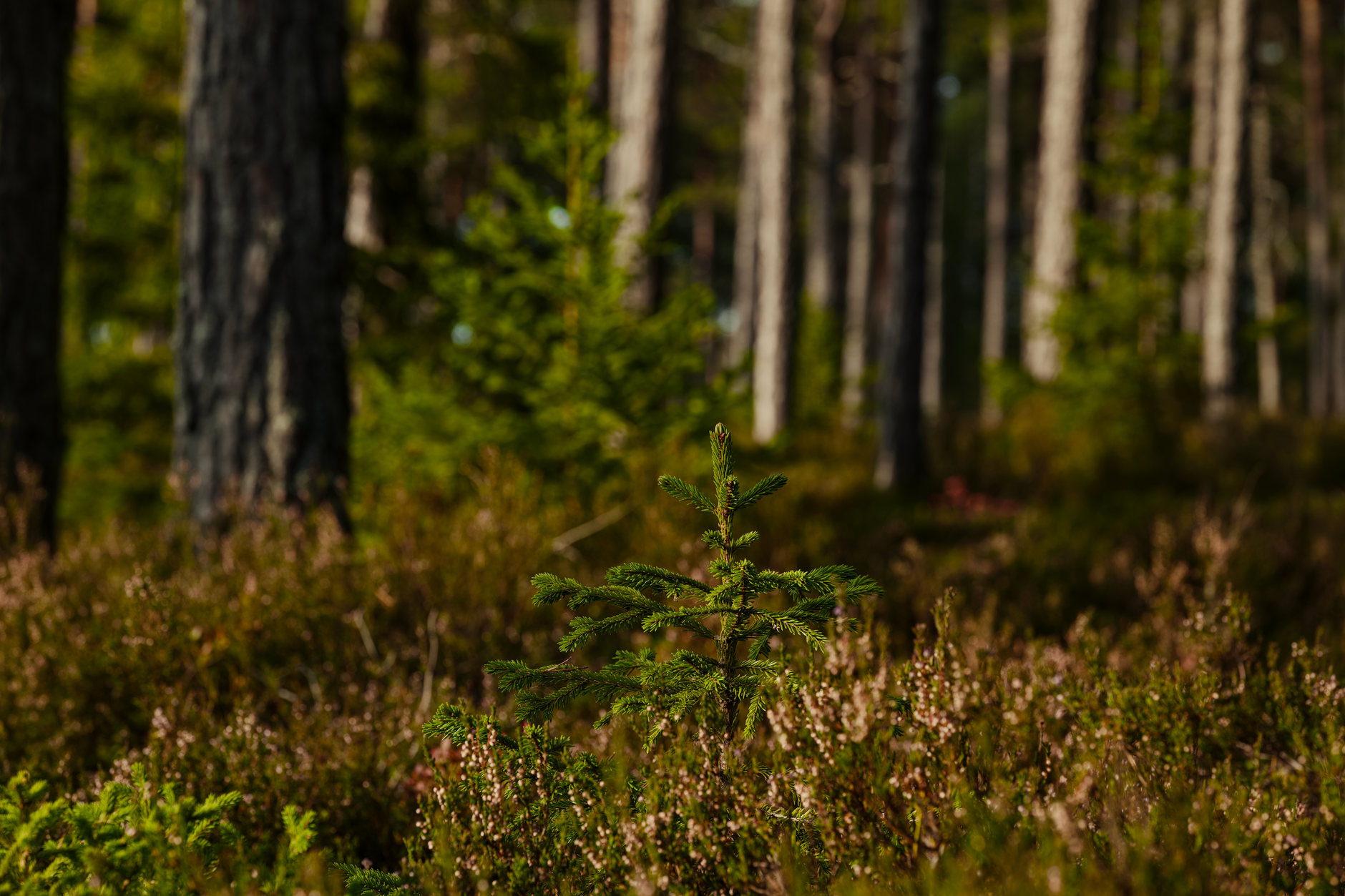
Skip the over-touristed hotspots this season and step into ecosystems brought back from the dead. From tracking wild European bison in the Carpathian mountains to watching free-roaming Tamworth pigs turn up clay in Sussex, this guide breaks down the world's absolute best, most impactful rewilding destinations you can actively visit, support, and explore right now. ---
The Moment the Silence Broke
I stepped out of my cracked leather boot into six inches of damp, unploughed Sussex clay, expecting the quiet monotony of ordinary English farmland. Instead, the air smashed into my ears—a deafening, euphoric choir of nightingales, turtle doves, and buzzing insects so dense you could almost chew it. The air smelled intoxicatingly damp, sour with rotting oak bark, wild garlic, and the musk of a Tamworth pig rooting in the underbrush forty paces ahead.
Just twenty years ago, this land was a chemical-drenched agricultural dead zone. Today, it is a roaring, chaotic engine of wild life.
Rewilding isn't about setting land aside behind glass; it is about stepping back and letting nature take the wheel—and surprisingly, humans are invited along for the ride. Across the globe, bold conservationists are pulling down fences, reintroducing keystone species, and building sustainable tourism infrastructure that directly finances ecosystem recovery.
If you are looking to trade generic resort infinity pools for raw, roaring landscapes, here are seven extraordinary rewilding projects you can visit and support this summer.
---
1. Knepp Wildland (Sussex, United Kingdom)
The Gold Standard of Lowland Restoration
When Isabella Tree and Charlie Burrell threw in the towel on intensive arable farming at Knepp Estate in 2000, critics called them mad. Today, their 3,500-acre estate is Europe’s most famous rewilding success story. Instead of planting trees or managing landscapes, they introduced free-roaming proxy megafauna—Tamworth pigs, Exmoor ponies, Longhorn cattle, and red deer—to dynamic-graze the landscape, creating a messy mosaic of scrub, woodland, and wetland.
- What to Experience: Book a foot safari with an expert ecologist to track rare Purple Emperor butterflies, listen to the dusk song of nightingales, or canoe down the un-canalized River Adur to spot beaver dams.
- Pro-Tip: Skip the weekend daytime crowds. Book an overnight stay in a glamping yurt on a Tuesday or Wednesday evening; sunset is when the free-roaming herds of Longhorn cattle wander right past the camp perimeters.
- The Taste of Place: Order a slow-cooked brisket stew made from Knepp’s own wild-range, pasture-fed cattle at the low-impact site café.
---
2. The Great Côa Valley (Northern Portugal)
Western Europe’s Wild Wildlife Corridor
In the rocky hills of northern Portugal, rural abandonment left vast swathes of land susceptible to severe wildfires and ecological decline. Enter Rewilding Portugal, an ambitious project creating a 120,000-hectare wild corridor connecting the Serra da Estrela mountains to the Great Côa Valley. By reintroducing semi-wild Sorraia horses and Maronesa cattle to graze down flammable brush, they are paving the way for the return of the endangered Iberian lynx and Iberian wolf.
- What to Experience: Hike through ancient granite gorges to spot ancient Paleolithic rock art carved into cliff faces, framed by soaring Griffon vultures overhead.
- Pro-Tip: Base yourself at the Vale de Enxames field station. Take a guided early-morning tracking walk along the Côa River starting at 6:00 AM; wild Sorraia horses congregate at the river crossings before the midday heat hits.
- The Taste of Place: Try local broa (cornbread) smeared with raw mountain honey harvested from hives placed in the rewilded corridors.
---
3. Affric Highlands & Dundreggan (Scottish Highlands)
Reclaiming the Great Caledonian Forest
Centuries of sheep farming and overmanaged deer populations stripped the Scottish Highlands of their native pine cover, leaving behind stark, ecologically degraded glens. Trees for Life is reversing this through the Affric Highlands project—a 30-year community-led initiative scaling across 500,000 acres to regenerate the Caledonian Forest. At their Dundreggan Rewilding Centre, visitors step directly into a landscape returning to its primeval roots.
- What to Experience: Explore miles of regenerating woodland path, spot red squirrels, Scottish wildcats, and golden eagles, or take part in active citizen science soil sampling.
- Pro-Tip: Head to the hidden bog-woodland trail directly behind the Dundreggan Centre at dawn. The morning mist hanging over the newly planted rowan trees offers unbelievable photography conditions with zero humans in sight.
- The Taste of Place: Savor a hot bowl of Cullen Skink (smoked haddock chowder) at a local glen pub, washed down with single malt whisky aged in oak casks from Highland distilleries supporting pine regeneration.
---
4. Southern Carpathians (Romania)
Tracking Free-Roaming Giants in Europe's Amazon
European bison (bison bonasus) were completely extinct in Romania for over 200 years. Since 2014, Rewilding Europe and WWF Romania have reintroduced over 100 bison to the Southern Carpathian mountains. Today, this herd roams completely free, acting as natural landscape engineers by opening up forest canopy and creating micro-habitats for hundreds of plant, insect, and bird species.
- What to Experience: Embark on a multi-day wildlife tracking expedition on foot alongside local rangers to monitor bison herds, brown bears, and Eurasian lynx.
- Pro-Tip: Pack high-grade binoculars and waterproof gaiters. You will be tracking off-trail through dense beech forests where wet moss and mud are guaranteed.
- The Taste of Place: Share a meal of mămăligă (hot polenta) topped with salty sheep’s milk cheese (brânză de burduf), served by local villagers who act as eco-guides for the project.
---
5. Patagonia National Park (Chile & Argentina)
The Grand Legacy of Grassland Restoration
Spanning hundreds of thousands of acres across the Chacabuco Valley, this land was once a overgrazed sheep ranch with compacted dirt and dead soil. Donated by Tompkins Conservation to the Chilean state, Patagonia National Park represents one of the largest scale habitat restorations on Earth. Fences were pulled down, overgrazing was halted, and native grasslands bounced back with astonishing speed.
- What to Experience: Hike through open steppe where thousands of wild guanacos (South American camelids) graze alongside elusive pumas, Andean condors, and endangered huemul deer.
- Pro-Tip: Enter the park through the sector Lago Jeinimeni rather than the main Valle Chacabuco entrance. The trail traffic is 90% lower, and wild puma sightings are notably higher along the lake rim.
- The Taste of Place: Sip warm mate out of a traditional gourd while listening to local baqueanos (gaucho-rangers) tell stories of taking down cattle fences.
---
6. Arkaba Conservancy (Flinders Ranges, Australia)
Restoring the Ancient Outback Ecosystem
Over a century of sheep grazing and feral pest invasion (foxes, rabbits, goats) eradicated native wildlife across South Australia’s spectacular Ikara-Flinders Ranges. The Arkaba Conservancy purchased a 63,000-acre former sheep station, completely removed livestock, eradicated feral pests, and allowed the native outback flora to bounce back.
- What to Experience: Take a multi-day guided bushwalk across ancient sandstone ridges, sleeping under the stars in open-air "swags," while watching yellow-footed rock wallabies bounce across vertical rock faces.
- Pro-Tip: Book your trek for late August or early September (late Southern Hemisphere winter/early spring). Temperatures are crisp, night skies are crystal clear, and native desert wildflowers explode across the landscape.
- The Taste of Place: Dine on bush-tucker-inspired cuisine at the historic Arkaba Homestead, featuring native mountain pepperberry, saltbush, and locally sourced citrus.
---
7. Gondwana Link & The Australian Bush Heritage (Western Australia)
Reconnecting a Continent’s Biodiversity Hotspot
In the Southwest corner of Australia—one of the planet’s premier biodiversity hotspots—fragmented land cleared for wheat farming threatened thousands of endemic plant species. The Gondwana Link initiative is a massive effort to reconnect 1,000 kilometers of continuous habitat from the dry interior to the Southern Ocean, purchasing farmland and actively replanting native bushland.
- What to Experience: Walk among ancient jarrah and karri forests, spot rare pygmy possums, honey possums, and magnificent black cockatoos across active revegetation zones.
- Pro-Tip: Visit the Nowanup section of the corridor. Here, Noongar Traditional Owners lead walking tours that fuse ecological rewilding science with thousands of years of Indigenous land management wisdom.
- The Taste of Place: Sample native finger lime salad and wattleseed damper cooked over an open fire.
---
Logistics & Planning Matrix
| Destination | Best Visiting Window | Estimated Daily Cost ($ USD) | Primary Target Wildlife | Getting There | | :--- | :--- | :--- | :--- | :--- | | Knepp Estate (UK) | May – September | $120 – $350 (camping vs yurt) | Nightingales, Red Deer, Storks | Train from London Victoria to Horsham + 15 min taxi | | Côa Valley (Portugal) | April – June / Sept – Oct | $90 – $220 | Sorraia Horses, Vultures, Lynx | Fly to Porto, 2.5-hour rental car drive east to Armamar/Côa | | Affric Highlands (Scotland)| May – August | $80 – $200 | Red Squirrels, Golden Eagles, Beavers | Train to Inverness + 40 min drive to Dundreggan Centre | | Carpathians (Romania) | June – September | $100 – $250 | European Bison, Brown Bears, Wolves | Fly to Bucharest/Sibiu, 3-hour 4x4 transport to Armeniș | | Patagonia Park (Chile) | November – March | $150 – $400 | Guanacos, Pumas, Huemul Deer | Fly to Balmaceda, drive 5 hours south down the Carretera Austral | | Arkaba (Australia) | May – September | $600 – $1,200 (all-inclusive walk) | Rock Wallabies, Emus, Parrots | Fly to Adelaide, 5-hour drive north or charter bush flight | | Gondwana Link (Aus) | August – November | $100 – $280 | Honey Possums, Black Cockatoos | Fly to Perth, 4-hour scenic coastal drive south to Albany |
---
How to Visit Rewilding Projects Responsibly
- Pay the Direct Access/Conservation Fee: Always ensure your visit is financially contributing to the land purchase, ranger salaries, or wildlife monitoring. Avoid third-party operators that do not share revenue with the land trusts.
- Stick to Marked Wildlife Corridors: In active rewilding zones, stepping off-trail can crush sensitive ground-nesting bird sites, compact vulnerable soil crusts, or distress grazing herds.
- Hire Local Wildlife Guides: The local communities surrounding these projects were historically dependent on resource extraction (farming, logging, hunting). By tipping and hiring local guides, you demonstrate that standing wild nature brings far higher economic return than dead nature.
- Practice Clean Biosecurity: Scrub your hiking boots thoroughly before entering restoration sites. Introducing invasive weed seeds or fungal pathogens (like chytrid or jarrah dieback) via muddy boots can undo decades of habitat restoration in a single afternoon.
---
More pictures

Tags
Share this guide
We may earn a commission if you click a link and buy a product or service, at no extra cost to you. How affiliate links work.
Been there?