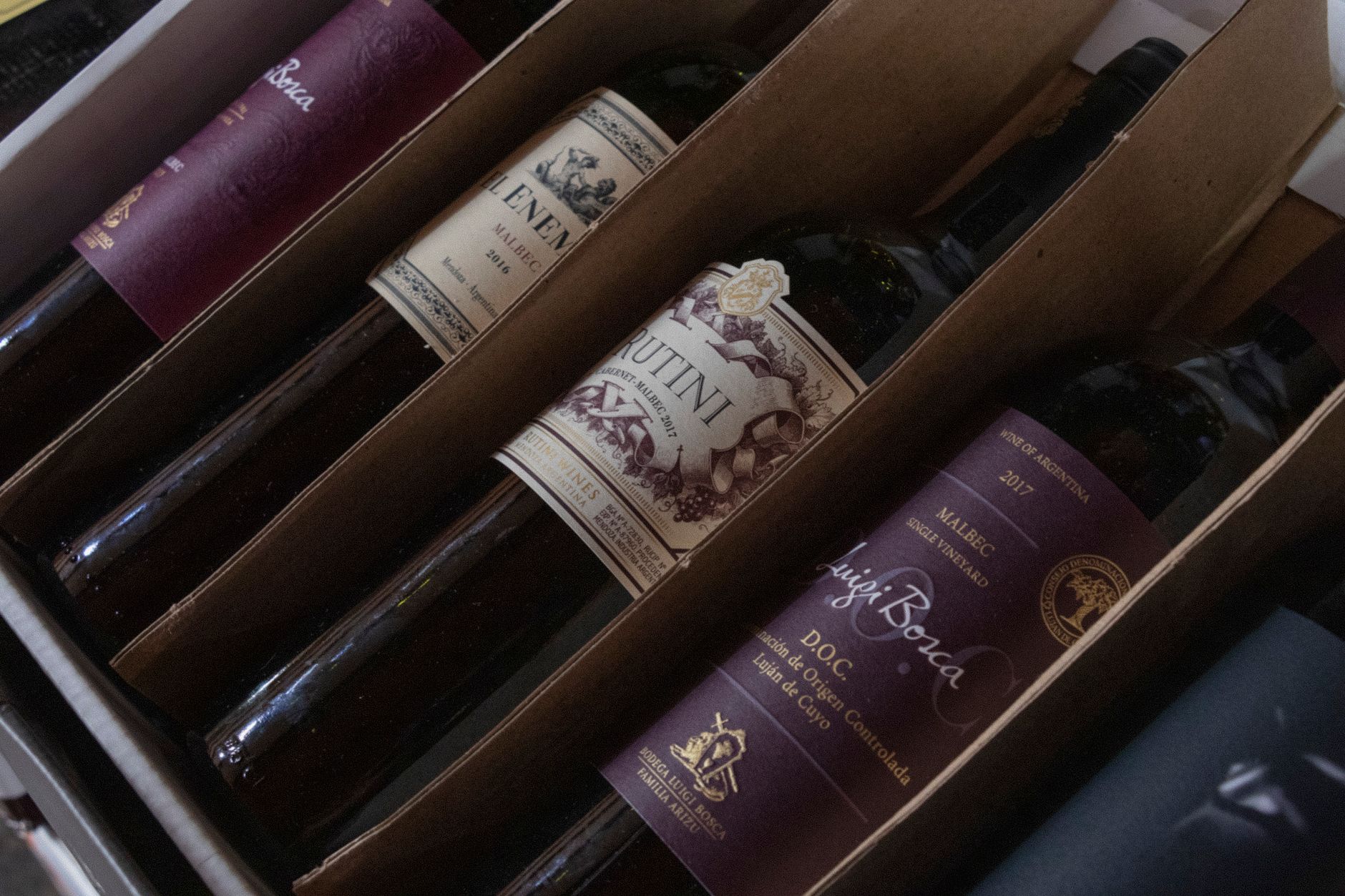
A traveller's guide to the main wine regions of Argentina, Chile, Uruguay, Brazil and beyond, with advice on grapes, seasons, tastings and logistics.
South America has been making wine for centuries, but in recent decades its vineyards have become some of the most interesting places for travellers who love grapes, mountains and long lunches. The idea that these regions "challenge Europe" is a fun headline, yet a more useful way to think about them is as distinct destinations with their own grapes, landscapes and traditions. Some work in styles familiar to European drinkers, while others offer flavours you will not find elsewhere.
This guide covers the main regions in Argentina, Chile, Uruguay and Brazil, plus a few lesser-known areas. It also explains when to go, how to organise visits and how to taste with confidence. Opening hours, tour prices and entry rules change, so confirm details with wineries and official tourism sources.
A quick orientation to the continent's wine map
South America's main wine producers are Argentina and Chile, followed by Brazil and Uruguay, with smaller industries in Peru, Bolivia and others. Many vineyards sit along the Andes, where altitude, sunshine and meltwater from the mountains shape the style of the wines. Seasons are reversed from the northern hemisphere, so harvest generally takes place between roughly February and April.
Here is a simple way to remember the grape stars:
- Malbec in Argentina, known for deep colour and plush fruit.
- Torrontés in Argentina, an aromatic white.
- Carmenère in Chile, a red variety once confused with Merlot.
- Cabernet Sauvignon, Sauvignon Blanc and Syrah across Chile.
- Tannat in Uruguay, a sturdy red.
- Sparkling wines in southern Brazil.
Mendoza, Argentina
Mendoza is the best-known wine region on the continent, set against the high Andes. Vineyards stretch across the plains and foothills, and the area around Luján de Cuyo, Maipú and the Uco Valley is particularly popular with visitors.
What to expect
- Malbec is the headline grape, but Cabernet Franc, Bonarda, Chardonnay and others are important too.
- The Uco Valley, higher in altitude, is known for cooler conditions and more modern, polished winery architecture.
- Many wineries offer tastings paired with lunch, often with grilled meats and local sides.
- Olive oil producers and small distilleries add variety.
How to visit
- Base yourself in Mendoza city, which has restaurants, hotels and tour operators, or in a countryside lodge in the Uco Valley.
- Guided tours, private drivers or cycling in Maipú are popular. If you drink, arrange a driver.
- Book popular wineries in advance, especially for lunches.
- The Andes provide a backdrop for hiking and rafting if you want a break from tasting.
Salta and Cafayate, Argentina
In the far north-west, vineyards sit at some of the highest altitudes in the world. The town of Cafayate is surrounded by red-rock canyons, and the vineyards produce Torrontés, Malbec and Tannat. The sun is intense, the air thin and the days long.
What to expect
- A more rustic, small-town atmosphere than Mendoza.
- Dramatic landscapes, including the Quebrada de las Conchas, a canyon with striking colours along the road from Salta.
- Wineries range from historic estates to new boutique producers.
- Local cuisine includes empanadas salteñas and slow-cooked stews.
Travel notes
- Altitude can affect some visitors, so pace yourself, drink water and limit alcohol until you adjust.
- Roads can be long, so allow time and consider a hired car with a driver for tasting days.
Patagonia, Argentina
Neuquén and Río Negro are among the southern wine areas, with cool, windy conditions that suit Pinot Noir, Malbec and aromatic whites. These vineyards are often smaller, surrounded by desert-like landscapes, and offer a sense of remoteness. Travel here is slower, but rewarding if you enjoy quiet places.
Central Chile: Maipo, Colchagua and Casablanca
Chile's central valleys are easy to reach from Santiago and offer a diverse range of wines.
Maipo Valley
Just outside Santiago, the Maipo is known for Cabernet Sauvignon. Several wineries are within an hour of the capital, so it is an easy half-day outing. Some historic estates have gardens and museums.
Colchagua Valley
Further south, Colchagua is renowned for rich reds, including Carmenère and Syrah. The town of Santa Cruz serves as a base, and the valley supports a range of tours, from horse-drawn carriage visits to vineyard walks. It is a good choice for a relaxed two- or three-night stay.
Casablanca and San Antonio Valleys
Closer to the Pacific, cooler coastal influences bring crisp whites like Sauvignon Blanc and Chardonnay, and elegant Pinot Noir. Casablanca sits between Santiago and Valparaíso, so it fits neatly into a trip to the coast.
Northern and southern Chile
Beyond the central valleys, Chile has some intriguing outposts.
- Elqui Valley in the north is a clear-sky region known for stargazing and pisco distilleries, with vineyards producing Syrah and other grapes at higher altitudes.
- Itata and Bío Bío in the south have old vines of País and Muscat of Alexandria, and a growing interest in traditional, low-intervention winemaking.
- Limarí is known for mineral-rich whites influenced by the Pacific.
These regions are less polished for tourism, so research transport and accommodation in advance.
Uruguay
Uruguay is small, friendly and relaxed, and its wine industry is concentrated near Montevideo, in Canelones and the surrounding areas, with further vineyards along the coast near Punta del Este.
What to expect
- Tannat is the signature red, with structure and deep colour. Albariño and other whites are increasingly popular on the coast.
- Many wineries are family-run, so you may meet the people who make the wine.
- Tastings are often unhurried, with cheese, charcuterie or traditional barbecue.
Why visit
Uruguay offers a gentler pace than its neighbours. It pairs well with a few days in Montevideo, with its old town and waterfront, and a stretch of beach time.
Brazil
Brazil's best-known wine area is the Serra Gaúcha in the south, with Bento Gonçalves and Vale dos Vinhedos as central towns. Italian immigrants shaped the region, so you will find hearty food, vineyard festivals and a strong tradition of sparkling wine.
What to expect
- Sparkling wines made by the traditional or tank methods, plus Merlot and Chardonnay.
- Family wineries with restaurants and warm hospitality.
- Pleasant hill scenery, often compared with Italian countryside.
Brazil also has emerging regions in other states, including high-altitude areas in Santa Catarina and Minas Gerais.
Peru and Bolivia
Peru's wine and pisco heartland is Ica, south of Lima, a desert region with a long viticultural history. Visitors can tour pisco distilleries and old haciendas. Bolivia's Tarija valley hosts some of the highest vineyards in the world, producing wines and singani, a grape spirit. Infrastructure for visitors is more basic, so these suit adventurous travellers.
When to go
Because the seasons are reversed, timing matters.
- Harvest (roughly February to April): festivals, activity and warm days. This is the busiest period. In Mendoza, a harvest festival is held in early in the year, though dates change.
- Autumn (March to May): golden vineyards and comfortable temperatures.
- Winter (June to August): quieter, with snow in the Andes and cosy tastings. Skiing and wine make an unusual combination.
- Spring (September to November): buds and blossoms, fewer crowds.
- Summer (December to February): hot days, outdoor lunches and high demand.
Check local climate patterns and any weather alerts before travel.
Planning your visit
- Choose a region based on your interests. If you want classic Malbec and big mountain views, go to Mendoza. If you prefer coastal whites and a city break, combine Santiago, Casablanca and Valparaíso.
- Book wineries ahead. Many require reservations.
- Arrange transport. Hire a driver, join a tour or use taxis. Do not drink and drive.
- Allow time between visits. Two or three wineries per day is plenty.
- Ask about languages. English is often available at larger wineries, but a little Spanish or Portuguese helps.
- Check entry rules. Visa and health requirements differ by nationality and change, so use official government sources.
Tasting etiquette and tips
- Swirl, sniff and sip, and feel free to use the spittoon.
- Ask about the vineyard, altitude and soils, since producers love to talk about them.
- Eat before and during tasting.
- Drink water between pours.
- Buying a bottle or two is a kind way to thank a small winery, but there is no obligation.
- Check airline and customs rules if you plan to bring wine home. Allowances and taxes vary.
Food pairings you should try
- Argentine beef with Malbec.
- Chilean seafood, such as ceviche or fresh fish, with Sauvignon Blanc.
- Uruguayan asado with Tannat.
- Brazilian sparkling with churrasco or local cheeses.
- Empanadas with Torrontés or light reds.
Frequently asked questions
Is South American wine better than European wine? Quality and style are subjective. These regions offer distinct flavours and excellent value in many cases, but they do not replace European traditions. They complement them.
Can I visit more than one country in a single trip? Yes. Santiago and Mendoza are connected by a scenic road over the Andes, though mountain passes can close in winter. Check conditions and border procedures. Flights link many wine centres too.
Do I need to speak Spanish? Not necessarily, but basic phrases help. Many tourism-focused wineries have English-speaking staff.
Is it suitable for non-drinkers? Yes. Landscapes, food, hiking, cycling and spa stays make wine regions appealing even if you drink little or nothing.
Summary
South America's wine regions each offer something different: Mendoza's mountain-backed Malbec estates, Salta's high-altitude canyons, Chile's accessible valleys, Uruguay's friendly Tannat country and Brazil's sparkling hills. Plan around the southern hemisphere seasons, book tastings in advance, arrange safe transport and keep your itinerary relaxed. Confirm details with official sources, and enjoy discovering how landscape and tradition shape what ends up in the glass.
More pictures


Tags
Share this guide
We may earn a commission if you click a link and buy a product or service, at no extra cost to you. How affiliate links work.
Been there?