
Want to live like royalty on a backpacker’s budget? Global economic shifts have created unprecedented windows of luxury travel arbitrage. From palatial Bosphorus suites in Istanbul to Michelin-starred dining in Tokyo and private vineyard estates in Argentina, we reveal the destinations where your hard currency converts into absolute opulence. This is your masterclass in high-end travel hacking. ---
The Hook: A Room with a Million-Dollar View (For a Hundred Bucks)
I stepped off the private water taxi and onto the damp, centuries-old stone steps of a restored Ottoman palace lining the Bosphorus. The air smelled of roasted pistachios, damp sea salt, and the rich, woodsy smoke of Turkish coffee brewing over hot sand nearby.
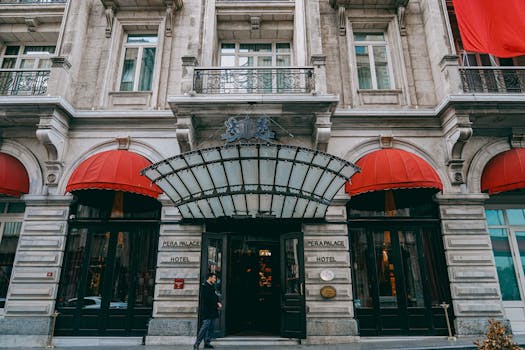
Above me, the neo-baroque plasterwork of the hotel facade glowed a brilliant amber under the setting Istanbul sun. Inside, my suite featured hand-woven silk rugs, a private marble hammam, and 400-thread-count Egyptian cotton sheets.
Three years ago, this room would have easily commanded $900 a night. My credit card statement later revealed the damage: exactly $142.
This isn't a glitch, nor did I cash in a million air miles. It is the result of a calculated economic phenomenon: currency crashes making luxury affordable experts are recommending to those in the know.
When a nation's currency undergoes a sharp devaluation against major currencies like the US Dollar, Euro, or British Pound, the local cost of living plummets for foreign visitors. While local inflation eventually catches up, there is a golden window—often lasting 12 to 24 months—where high-end hotels, fine dining, and private tours become astonishingly cheap for foreigners.
Here is your definitive blueprint to navigating these economic sweet spots safely, ethically, and luxuriously.
---
1. The Economics of Travel Arbitrage: How It Works
Before booking your first-class ticket, you must understand the mechanics of currency arbitrage.
When a country’s central bank struggles, or economic policies shift, its currency devalues. However, luxury infrastructure—such as five-star hotels, high-end restaurants, and private transport—takes time to adjust its pricing upward to match the inflation rate.
During this lag, your foreign currency wields immense purchasing power.
``` [Your Strong Currency (USD/EUR/GBP)] │ ▼ (Favorable Exchange Rate) [Devalued Local Currency] │ ▼ (Delayed Price Adjustments) [Ultra-Luxury Experiences at 50-70% Off] ```
The "Dual Pricing" Caveat
Be aware that some ultra-luxury global hotel chains peg their rates directly to the US Dollar or Euro to protect their margins. To exploit currency crashes, you must target independently owned boutique luxury properties, historic estates, and local high-end dining establishments that price their services in the local currency.
---
2. Turkey: Palaces and Yacht Charters on the Bosphorus
The Turkish Lira has experienced a well-documented downward trajectory over the last few years. While this presents complex challenges for locals, it has transformed Turkey into an absolute playground for luxury travelers.
The Experience
In Istanbul, you can bypass the standardized global chains and check into historic mansions in the Nişantaşı fashion district or along the waterfront in Bebek. Think vaulted ceilings, original 19th-century oil paintings, and private terraces overlooking the strait where Europe meets Asia.
- The Dining: A multi-course tasting menu at a Michelin-starred restaurant like Turk Fatih Tutak—featuring modern interpretations of Anatolian cuisine like slow-cooked lamb shoulder with fermented yogurt—will cost a fraction of a comparable meal in London or New York.
- The Pampering: Skip the tourist-trap baths. Book a private, three-hour ritual at the historic Kılıç Ali Paşa Hamamı (built by the legendary Ottoman architect Mimar Sinan), complete with traditional scrubbing, foam massages, and sherbet service.
> Pro-Tip: Do not book airport transfers through global booking engines. Download the local app BiTaksi or arrange a private Mercedes V-Class transfer directly through your hotel concierge; paying in cash Lira will save you up to 60%.
---
3. Argentina: World-Class Steaks and Malbec in Buenos Aires
Argentina’s economic landscape is famously volatile, characterized by the unique co-existence of official exchange rates and the informal "Blue Dollar" rate. For travelers using foreign cards or exchanging cash, this translates to unparalleled luxury for pennies.
The Experience
Buenos Aires, often called the "Paris of South America," boasts wide, jacaranda-lined avenues, Belle Époque architecture, and an elite cultural scene.
- The Stay: The Recoleta neighborhood is home to legendary properties like the Alvear Palace Hotel. Here, white-gloved buttlers pour champagne while you lounge beneath crystal chandeliers.
- The Food: Argentina is a carnivore's paradise. A dinner at Don Julio—consistently ranked among the best restaurants in the world—involves melt-in-your-mouth Wagyu-grade grass-fed ribeye, grilled sweetbreads, and vintage bottles of Catena Zapata Malbec. In New York, this meal easily tops $400; in Buenos Aires, expect to pay around $75.
``` Meal Comparison: World-Class Steak Dinner for Two ┌──────────────────────────────────────────────┐ │ New York City (Equivalent Quality): $400+ │ ├──────────────────────────────────────────────┤ │ Buenos Aires (Via Currency Arbitrage): $75 │ └──────────────────────────────────────────────┘ ```
> Pro-Tip: To get the best value, ask your hotel concierge where to find an authorized cuevas (informal exchange houses) to swap crisp, unmarked $100 USD bills for local pesos, or use credit cards that now officially support the MEP rate (which closely tracks the Blue Dollar).
---
4. Japan: The Golden Era of the Weak Yen
For decades, Tokyo was synonymous with eye-watering travel costs. However, the Japanese Yen's drop to historic multi-decade lows against the USD has flipped the script, making Japan one of the most recommended luxury destinations by financial experts today.
The Experience
Japan offers a hyper-refined version of luxury based on omotenashi (wholehearted hospitality), immaculate attention to detail, and pristine minimalism.
- The Ryokan Retreat: Travel to Kyoto or the hot spring town of Hakone to stay in a traditional ryokan (luxury inn). You will sleep on thick futons laid over fragrant tatami mats, soak in private cedar wood hot springs (onsen) overlooking maple forests, and partake in a multi-course kaiseki banquet.
- High-End Gastronomy: Tokyo holds more Michelin stars than any city on earth. You can secure a coveted counter seat at a high-end sushi-ya in Ginza, where a master chef serves individual pieces of fatty tuna (otoro) and sea urchin (uni) directly onto your slate plate.
> Pro-Tip: To beat the crowds and secure booking slots at exclusive temples or restaurants, hire a highly specialized local guide through agencies like InsideJapan. Thanks to the weak Yen, their daily rates are currently highly competitive.
---
5. South Africa: Private Safaris and Cape Winelands Opulence
The South African Rand has faced persistent headwinds, turning Cape Town and the surrounding game reserves into prime targets for high-end travelers seeking deep value.
The Experience
South Africa offers a diverse luxury portfolio: dramatic coastal drives, world-class gastronomy, and unmatched wildlife encounters.
- The Safari: Private game reserves adjacent to Kruger National Park, such as Sabi Sands, feature ultra-luxury lodges where floor-to-ceiling glass walls look out over watering holes frequented by elephants. These lodges include private plunge pools, twice-daily game drives in open 4x4s led by expert trackers, and gourmet bush dinners under the stars.
- The Winelands: Spend a few days in Franschhoek or Stellenbosch. Rent a private Cape Dutch-style villa on a historic vineyard estate, dine at award-winning restaurants like La Petite Colombe, and taste complex, aged Pinotage wines.
> Pro-Tip: When booking top-tier safari lodges, check if they offer "last-minute" resident rates or regional promotions. If you book within 30 days of arrival, many luxury lodges drop prices by an additional 30-40% to fill empty beds.
---
6. The Smart Traveler’s Playbook: Rules for Arbitrage Booking
To successfully execute this strategy without getting caught in tourist traps or losing money on bad conversions, follow these five golden rules:
- Always Pay in Local Currency: When a card reader asks if you want to be charged in your home currency (USD/EUR) or the local currency, always choose the local currency. Choosing your home currency triggers Dynamic Currency Conversion (DCC), which carries terrible, marked-up exchange rates.
- Use a Zero-Foreign-Transaction-Fee Card: Ensure your primary travel credit cards do not charge fees for international purchases. Cards like the Chase Sapphire Reserve or Amex Platinum are essential.
- Track the "Spot Rate" vs. the "Cash Rate": In some countries (like Argentina), the cash exchange rate in the street is vastly superior to the official bank rate. Research the local economic landscape before you arrive.
- Book Directly with Local Operators: Global aggregators (like Expedia or Booking.com) often lock in prices in USD to protect themselves. You will find much better rates by emailing the boutique hotel directly or using their localized, native-language website.
- Travel in the Shoulder Season: Combine currency arbitrage with shoulder-season travel (the weeks immediately before or after peak season) to stack your discounts. You will get the best rooms, the best service, and empty venues.
---
Quick Facts: Luxury Arbitrage Comparison Table
| Destination | Target Currency | Est. 5-Star Nightly Cost (USD) | Best Time to Visit | Primary Flight Hub | Insider Secret | | :--- | :--- | :--- | :--- | :--- | :--- | | Istanbul, Turkey | Turkish Lira (TRY) | $150 - $250 | April to May, Sept to Oct | Istanbul Airport (IST) | Visit the Kılıç Ali Paşa Hamamı at 8:00 AM for the quietest, most serene experience. | | Buenos Aires, Argentina | Argentine Peso (ARS) | $120 - $220 | October to December | Ministro Pistarini (EZE) | Enter the San Telmo market through the side alley on Defensa Street to find authentic silver artisans. | | Tokyo & Kyoto, Japan | Japanese Yen (JPY) | $300 - $450 | Late October to November | Haneda (HND) / Narita (NRT) | Book Michelin lunches instead of dinners; they offer almost identical menus for half the price. | | Western Cape, South Africa | South African Rand (ZAR) | $200 - $350 | January to April | Cape Town International (CPT) | Take the Franschhoek Wine Tram's "Double Decker" line to access boutique, family-run vineyards. |
---
The Verdict: Luxury is Within Reach
Economic cycles are temporary. The windows of extreme currency devaluation do not last forever; eventually, local markets stabilize, prices are recalibrated to match global standards, or currencies rebound.
The experts are recommending these destinations right now because they represent a rare alignment of world-class luxury infrastructure and incredible purchasing power.
Pack your bags, secure your reservations, and experience the world’s finest hospitality for a fraction of its usual cost.
---
More pictures
Tags
Share this guide
We may earn a commission if you click a link and buy a product or service, at no extra cost to you. How affiliate links work.
Been there?