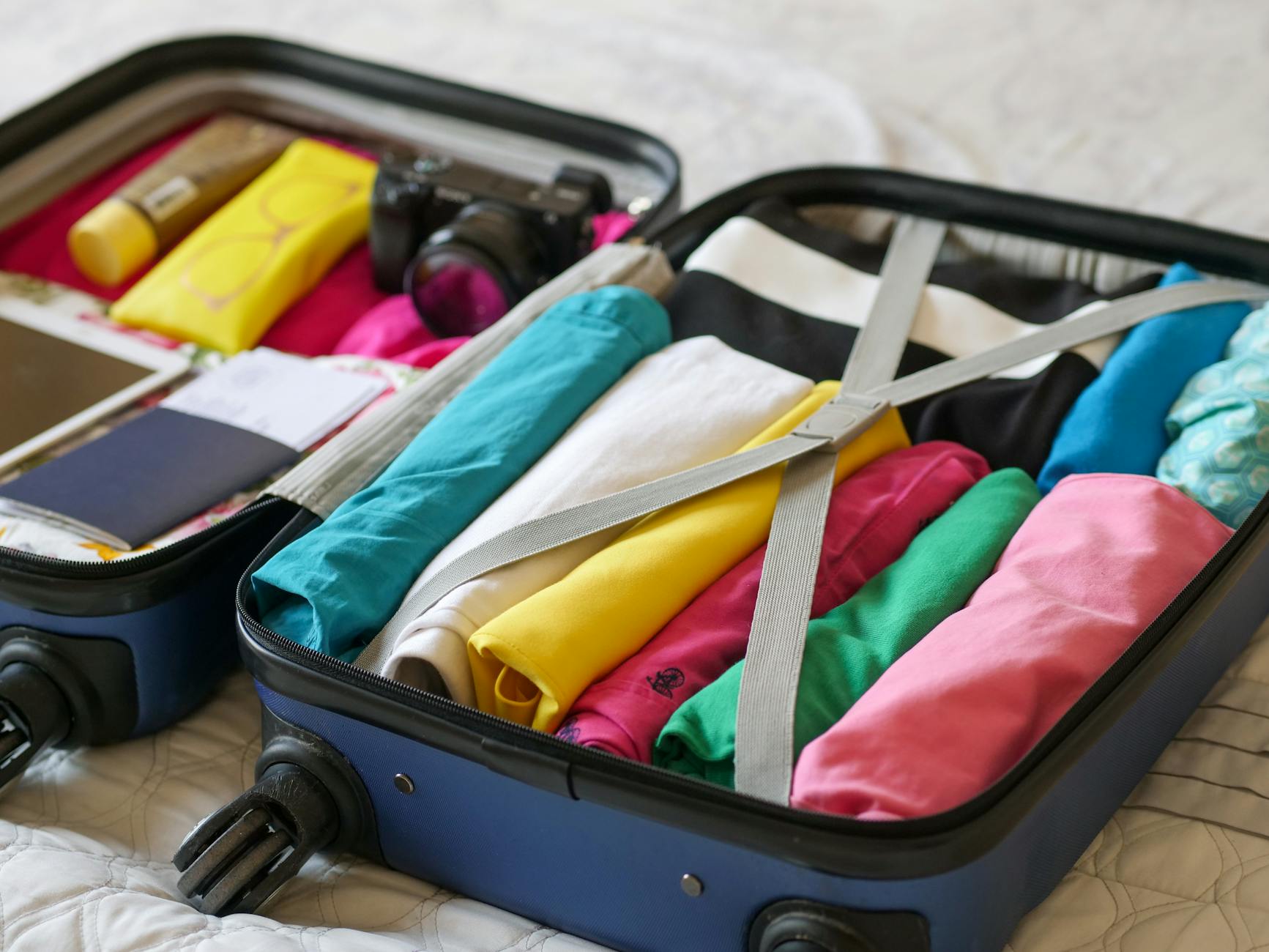
Embarking on solo adventures taught me that the right gear isn't just convenient – it's transformative. These 7 essential items didn't just make my trips easier; they fundamentally changed how I experience the world, offering unparalleled freedom, safety, and joy.
The humid air of Hoi An, Vietnam, still clings to my memory like a second skin. It was late, past midnight, and I was utterly lost. My phone, my lifeline for navigation, translation, and communication, had died a silent, ignominious death hours ago. The bustling market had emptied, the lantern-lit streets were eerily quiet, and my pre-booked guesthouse felt a million miles away. Panic, cold and sharp, began to prickle at my skin. I had no charger, no map, and my attempts at charades with the lone street vendor were proving futile.
That night, huddled on a curb, utterly reliant on the kindness of a stranger with a working phone and a basic grasp of English, I had an epiphany. Solo travel isn't just about courage and wanderlust; it’s about preparedness. It's about empowering yourself with tools that bridge the gaps, mitigate the risks, and enhance the sheer, unadulterated joy of discovery.
Since that humbling night, I’ve meticulously curated my travel kit. And let me tell you, some items aren't just useful; they're transformative. They don't just make a trip easier; they fundamentally change how you experience the world, offering unparalleled freedom, safety, and an almost magical sense of self-reliance. These aren't just gadgets; they’re the silent heroes that have truly changed my solo travel life forever. If you’re dreaming of your next great adventure, bookmark this page, because this gear is about to change yours too.
---
1. The Unstoppable Power Duo: High-Capacity Power Bank & Universal Adapter
Remember that Hoi An story? The first thing I invested in post-crisis was a robust power bank and a multi-functional universal adapter. These two aren't just convenience items; they are the bedrock of modern solo travel. Your phone is your map, your translator, your camera, your emergency contact, and your entertainment system. Losing power is akin to losing your entire support system.
Why it's Life-Changing: Imagine navigating the labyrinthine streets of the Grand Bazaar in Istanbul, your Maps.me app guiding you through the spice-scented chaos, your phone battery happily topped up. Or being on a remote bus journey through the Andes, capturing breathtaking landscapes, knowing you won't miss a shot because of a dead battery. This duo ensures constant connectivity, peace of mind, and the ability to capture every moment. It means never having to choose between using your camera and having enough juice to find your hostel.
My Personal Story: I was once on a multi-day trek through Patagonia, and my power bank was my only source of charging for my phone and headlamp. One evening, after a particularly grueling day, I realized I’d forgotten to charge the power bank itself! Luckily, one of my fellow trekkers had a smaller spare, but it was a stark reminder of how critical this item is. Since then, I always ensure my main power bank is a beast, and I even carry a mini one for emergencies. Another time, in a tiny Italian village, the only available outlet was a bizarre European type I hadn't encountered. My universal adapter with its multiple USB slots saved the day, charging my phone, camera, and Kindle simultaneously while I enjoyed a delicious pasta.
Practical Tips:
- Capacity is Key: Look for a power bank with at least 20,000mAh. This usually provides 4-6 full phone charges.
- Fast Charging: Ensure it supports fast charging (PD or Quick Charge) for your devices.
- Multiple Ports: Two or more USB ports are ideal for charging multiple devices at once.
- Universal Adapter: Choose one with built-in USB-A and USB-C ports, and ensure it covers all major plug types (US, EU, UK, AU). It’s also wise to get one with surge protection.
Specific Recommendations & Prices:
- Power Bank: Anker PowerCore (20,000mAh+) or RAVPower Portable Charger. Expect to pay $40-$80.
- Universal Adapter: EPICKA Universal Travel Adapter or Tessan Universal Power Adapter. Typically $15-$30.
Instagram-Worthy Angle: Picture yourself charging your phone on a rustic train in India, looking utterly prepared and savvy, ready to snap that perfect photo as you pass by vibrant landscapes. Or having your phone ready for that iconic selfie with a stunning backdrop, no low-battery anxiety.
---
2. My Personal Oasis: Noise-Cancelling Headphones
If there's one item that has single-handedly elevated my comfort and mental well-being on the road, it's a quality pair of noise-cancelling headphones. Solo travel can be a sensory overload – bustling markets, loud hostels, crying babies on planes, endless bus engine hums. Sometimes, you just need an escape, a bubble of peace.
Why it's Life-Changing: These aren't just for music; they're for sanity. On a 14-hour flight, they transform the economy cabin into a tolerable space. In a dorm room, they mute snorers and late-night chatters, guaranteeing precious sleep. Walking through a chaotic city, they allow you to focus, listen to an audiobook, or simply enjoy the moment without the overwhelming urban symphony. They're your portable sanctuary, enabling focus, relaxation, and better rest.
My Personal Story: I remember a particular hostel in Barcelona, vibrant and lively, but with paper-thin walls. After a long day of exploring Gaudi’s masterpieces, all I wanted was quiet. My noise-cancelling headphones became my best friend, allowing me to drift off to sleep listening to a calming podcast, completely oblivious to the party happening just outside my door. On another occasion, during a particularly turbulent bus ride through the Atlas Mountains in Morocco, the constant drone and chatter were giving me a headache. Slipping on my headphones and playing some classical music instantly calmed my nerves and made the journey far more enjoyable. They also provide a sense of security; sometimes, simply looking like you're "in your own world" can deter unwanted interactions.
Practical Tips:
- Over-Ear for Comfort: While more bulky, over-ear headphones generally offer better noise cancellation and comfort for long periods.
- Battery Life: Look for extended battery life (20+ hours) so you don't have to charge them constantly.
- Wired Option: A 3.5mm jack is useful for in-flight entertainment systems.
- Sound Quality: While noise cancellation is primary, good sound quality for music and podcasts is a bonus.
Specific Recommendations & Prices:
- High-End: Sony WH-1000XM5 or Bose QuietComfort series. Expect to pay $250-$380. (Worth every penny!)
- Mid-Range: Anker Soundcore Life Q30. Around $80-$100.
Instagram-Worthy Angle: Imagine sipping coffee in a bustling Parisian cafe, looking utterly chic and unbothered, lost in your own world of music or a podcast. Or capturing a serene moment on a train, headphones on, gazing out the window at passing landscapes – the epitome of mindful travel.
---
3. The Eco-Warrior's Essential: Filtered Water Bottle
This isn't just a water bottle; it's a statement. A filtered water bottle is a game-changer for your health, your wallet, and the planet. In many parts of the world, tap water isn't safe to drink, leading to a reliance on single-use plastic bottles. This simple piece of gear liberates you from that cycle.
Why it's Life-Changing: No more constantly searching for bottled water, no more contributing to plastic waste, and most importantly, no more worrying about traveler's stomach issues. You can fill up from almost any freshwater source – a tap, a stream (with caution and the right filter), or even a public fountain – and have clean, safe drinking water. This dramatically cuts down on expenses and gives you incredible freedom, especially when hiking or exploring off-the-beaten-path locations.
My Personal Story: My first trip to Southeast Asia saw me buying countless plastic water bottles. I felt guilty about the waste and frustrated by the constant search for clean water. Then, I discovered the filtered bottle. In Vietnam, I filled it from hostel taps and never had a single stomach issue. In the Peruvian Andes, hiking the Salkantay Trail, I refilled from mountain streams, confident in the purification. It saved me a significant amount of money and, more importantly, gave me immense peace of mind and a sense of contributing positively to the environment. It even sparked conversations with locals who were curious about my "magic" bottle!
Practical Tips:
- Filter Type: Understand the filter. Some remove bacteria and protozoa (like Lifestraw), others also remove viruses (like Grayl). Choose based on your destination.
- Capacity & Durability: A good capacity (600-750ml) and a robust bottle are essential.
- Maintenance: Know how to clean and replace the filter properly.
- Taste: Some filters improve taste, which is a big bonus.
Specific Recommendations & Prices:
- Bacteria/Protozoa Filter: Lifestraw Go Water Filter Bottle. Around $30-$50.
- Virus/Bacteria/Protozoa Filter (Ultimate Protection): Grayl GeoPress Purifier Bottle. Around $70-$90.
Instagram-Worthy Angle: Capture a shot of your eco-friendly bottle being refilled from a beautiful mountain stream in Patagonia, or casually sipping from it in a bustling market in Thailand, looking like a conscious, adventurous traveler. Highlight the "no plastic" aspect.
---
4. The Digital Library & Lifeline: E-Reader & Offline Maps/Apps
In the age of smartphones, a dedicated e-reader might seem redundant, but for solo travel, it's a profound luxury. Coupled with offline maps and essential apps, it transforms your device into a powerhouse of information and entertainment, regardless of connectivity.
Why it's Life-Changing: An e-reader means carrying an entire library in your pocket without the weight of physical books. This is invaluable for long journeys, quiet evenings in hostels, or simply unwinding on a beach. Offline maps (like Maps.me or downloaded Google Maps sections) are non-negotiable for navigation when Wi-Fi is scarce, preventing those "Hoi An moments." Essential apps like offline translators and currency converters empower you to communicate and manage finances confidently, even in the most remote corners.
My Personal Story: During a month-long trip through rural Japan, I often found myself in tiny towns with limited English and even less internet access. My Kindle Paperwhite, loaded with a mix of travel guides and novels, was a constant companion, providing entertainment and cultural context. More critically, my pre-downloaded Google Maps for the entire region allowed me to navigate intricate train schedules and find hidden temples without ever needing a data connection. Once, in a small ramen shop where no one spoke English, my offline Google Translate app saved me from ordering something I absolutely didn't want (octopus, apparently!) and instead helped me get the most delicious pork broth.
Practical Tips:
- E-Reader Choice: Prioritize battery life, glare-free screen (e-ink), and lightweight design.
- Pre-Download Everything: Before you leave, download maps for all your destinations, offline language packs for Google Translate, currency converter apps, and plenty of books/podcasts.
- Backup: Have a physical map or written directions for absolute emergencies.
- Tablet Alternative: If you need more functionality (e.g., watching movies), a small tablet like an iPad Mini can serve a similar purpose, but battery life might be shorter.
Specific Recommendations & Prices:
- E-Reader: Kindle Paperwhite or Kobo Clara HD. Around $100-$150.
- Offline Maps: Maps.me (free), Google Maps (download regions for offline use, free).
- Offline Translator: Google Translate (download language packs, free).
- Currency Converter: Xe Currency (free).
Instagram-Worthy Angle: A serene shot of you reading your e-reader on a scenic train journey, or using your phone with offline maps to confidently navigate a bustling foreign city, looking like a seasoned explorer. Show the liberation from needing constant Wi-Fi.
---
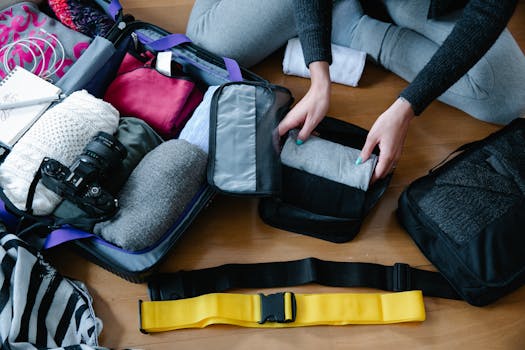
5. The Zen of Organization: Packing Cubes & The Perfect Daypack
Chaos in a backpack is a solo traveler's worst enemy. The struggle to find a clean shirt, the endless rummaging – it wastes time and saps energy. Packing cubes are the ultimate organizational hack, and a well-chosen daypack is your daily adventure companion. Together, they bring a profound sense of calm and efficiency to your travels.
Why it's Life-Changing: Packing cubes transform a messy backpack into a segmented, organized closet. No more exploding bags in hostels! You know exactly where everything is, making packing and unpacking a breeze, especially when moving between locations frequently. The perfect daypack, on the other hand, is your everyday sidekick. It carries your essentials for daily explorations, hikes, or market visits, keeping your main luggage secure back at your accommodation. It should be comfortable, secure, and surprisingly spacious.
My Personal Story: My early solo trips involved a lot of frantic digging through my main backpack, often pulling out half my clothes just to find a pair of socks. Enter packing cubes. On a whirlwind trip through Italy, hopping from Rome to Florence to Venice, I could unpack and repack in minutes. Everything had its place: one cube for tops, one for bottoms, one for underwear, and another for dirty laundry. It was pure bliss. My daypack, a lightweight, anti-theft model, became indispensable for exploring the bustling souks of Marrakech, carrying my water, camera, and a few snacks, knowing my valuables were secure. It felt like I had a miniature base camp on my back, ready for any adventure.
Practical Tips:
- Variety of Sizes: Get a set of cubes in different sizes to accommodate various clothing items.
- Compression Cubes: These are fantastic for maximizing space, especially for bulky items like sweaters.
- Separate Dirty Laundry: Dedicate one cube or a separate bag for dirty clothes to keep them away from clean items.
- Daypack Features: Look for a daypack that's lightweight, packable (if you want to stash it in your main bag), has anti-theft features (lockable zippers, slash-proof material), and comfortable straps. Water bottle pockets are a must.
Specific Recommendations & Prices:
- Packing Cubes: Eagle Creek Pack-It Cubes, Gonex Compression Packing Cubes, or Peak Design Packing Cubes. Expect to pay $25-$60 for a set.
- Daypack: Osprey Daylite, Deuter Speed Lite, or Pacsafe Venturesafe X. Prices range from $50-$150.
Instagram-Worthy Angle: A perfectly organized backpack interior, showing off your neatly packed cubes, or a dynamic shot of you hiking with your stylish daypack against a stunning natural backdrop, looking effortlessly prepared.
---
6. The Unseen Guardian: Personal Safety Alarm & Smart Travel Lock
As a solo traveler, safety is paramount. While most people you meet will be kind and helpful, having a few discreet tools for personal security can make all the difference in your peace of mind. These small, often overlooked items are your unseen guardians.
Why it's Life-Changing: A personal safety alarm, often no bigger than a USB stick, can emit a piercing siren at the press of a button, drawing attention and potentially deterring an aggressor. It's a non-lethal, empowering tool. Smart travel locks, particularly TSA-approved cable locks, secure your belongings in hostels, on trains, or even just when you step away from your bag in a cafe. They provide a vital layer of protection against opportunistic theft, allowing you to relax and enjoy your surroundings without constant vigilance.
My Personal Story: I was walking alone through a quiet alley in Naples, Italy, late one evening. While nothing overtly threatening happened, I felt a flicker of unease. Knowing I had my personal alarm clipped to my bag gave me a quiet surge of confidence. I didn't need to use it, but the knowledge that it was there, ready to create a scene if necessary, made me walk taller. Another time, in a busy hostel in Berlin, I used a cable lock to secure my backpack to my bunk bed frame, in addition to locking my locker. This meant I could explore the city all day without worrying about my entire life's possessions. These items don't just protect your belongings; they protect your peace of mind, which is priceless on a solo journey.
Practical Tips:
- Personal Alarm: Choose one that's loud (120dB+), easy to activate quickly, and has a long-lasting battery. Practice using it once or twice in a safe environment.
- Travel Locks: Opt for TSA-approved locks for luggage, and consider a small cable lock for securing bags to immovable objects. Remember, locks deter opportunistic thieves but aren't foolproof against determined ones.
- Common Sense: These items supplement, not replace, common-sense safety practices like being aware of your surroundings, not flashing valuables, and trusting your gut.
Specific Recommendations & Prices:
- Personal Safety Alarm: Sabre Personal Alarm or WETEN Personal Alarm. Typically $10-$20.
- Smart Travel Lock: Master Lock TSA-Approved Locks (combination or key), Lewis N. Clark Cable Lock. Typically $10-$30.
Instagram-Worthy Angle: A subtle shot of your small, sleek personal alarm clipped to your daypack, or your stylish luggage secured with a smart lock in a vibrant hostel common area. It conveys a sense of preparedness and savvy travel.
---
7. The Instant Translator: Offline Translator Apps/Devices
Breaking down language barriers is one of the most rewarding aspects of solo travel, but it can also be daunting. An offline translator app or device isn't just a convenience; it's a bridge to deeper cultural immersion and a massive confidence booster.
Why it's Life-Changing: Imagine being able to order food exactly how you like it in a tiny, family-run restaurant in rural France, or asking for directions from a kind local in Japan who speaks no English. An offline translator allows you to navigate daily interactions, understand local customs, and even make new friends, all without needing an internet connection. It transforms frustrating communication gaps into opportunities for connection and learning. It empowers you to go beyond tourist traps and truly engage with the local culture.
My Personal Story: I once found myself in a small village in the highlands of Guatemala, trying to explain to a local bus driver that I needed to get off at a specific, unmarked crossroads. My basic Spanish wasn't cutting it. Pulling out my phone and using the offline Google Translate app to speak the precise phrase in K'iche' (a local Mayan language I had downloaded) was a revelation. The driver's face lit up, and he nodded, understanding perfectly. It was a small moment, but it profoundly changed my confidence in navigating non-English speaking environments. Another time, in a local market in Laos, I used it to haggle for a beautiful textile, turning a potentially awkward transaction into a friendly, laughter-filled exchange.
Practical Tips:
- Download Language Packs: Crucially, download the language packs for your destination before you leave home or while you have strong Wi-Fi.
- Voice & Text: Ensure the app supports both voice input/output and text translation.
- Phrasebook Functionality: Some apps include common travel phrases, which are incredibly useful.
- Dedicated Device: If you travel frequently to highly non-English speaking regions, a dedicated translation device might be a worthwhile investment for its speed and accuracy.
Specific Recommendations & Prices:
- App: Google Translate (free, download offline language packs), iTranslate (free with premium features).
- Dedicated Device: Pocketalk, Vasco Translator. These can range from $200-$350 but offer superior real-time translation.
Instagram-Worthy Angle: A candid shot of you interacting with a local vendor in a bustling market, your phone displaying a translated phrase, highlighting the authentic connection you're making through technology. Or a fun selfie with a new local friend, thanks to seamless communication.
---
The Road Ahead: Your Empowered Journey Awaits
These aren't just items I pack; they're the silent partners that have shaped my solo travel experiences, turning potential challenges into triumphs and moments of uncertainty into opportunities for growth. They've given me the confidence to venture further, embrace the unknown, and truly immerse myself in the world.
Solo travel is an incredible journey of self-discovery, and the right gear can amplify that experience tenfold. It's about empowering yourself to be resilient, resourceful, and utterly free. Don't just dream of your next adventure; equip yourself to conquer it.
Now, I want to hear from you! What's the one piece of solo travel gear that has truly changed your life forever? Share your stories and recommendations in the comments below! Let’s inspire each other to pack smarter and travel bolder.
What are you waiting for? Start curating your life-changing travel kit and book that next solo adventure!
More pictures


Tags
Share this guide
We may earn a commission if you click a link and buy a product or service, at no extra cost to you. How affiliate links work.
Been there?