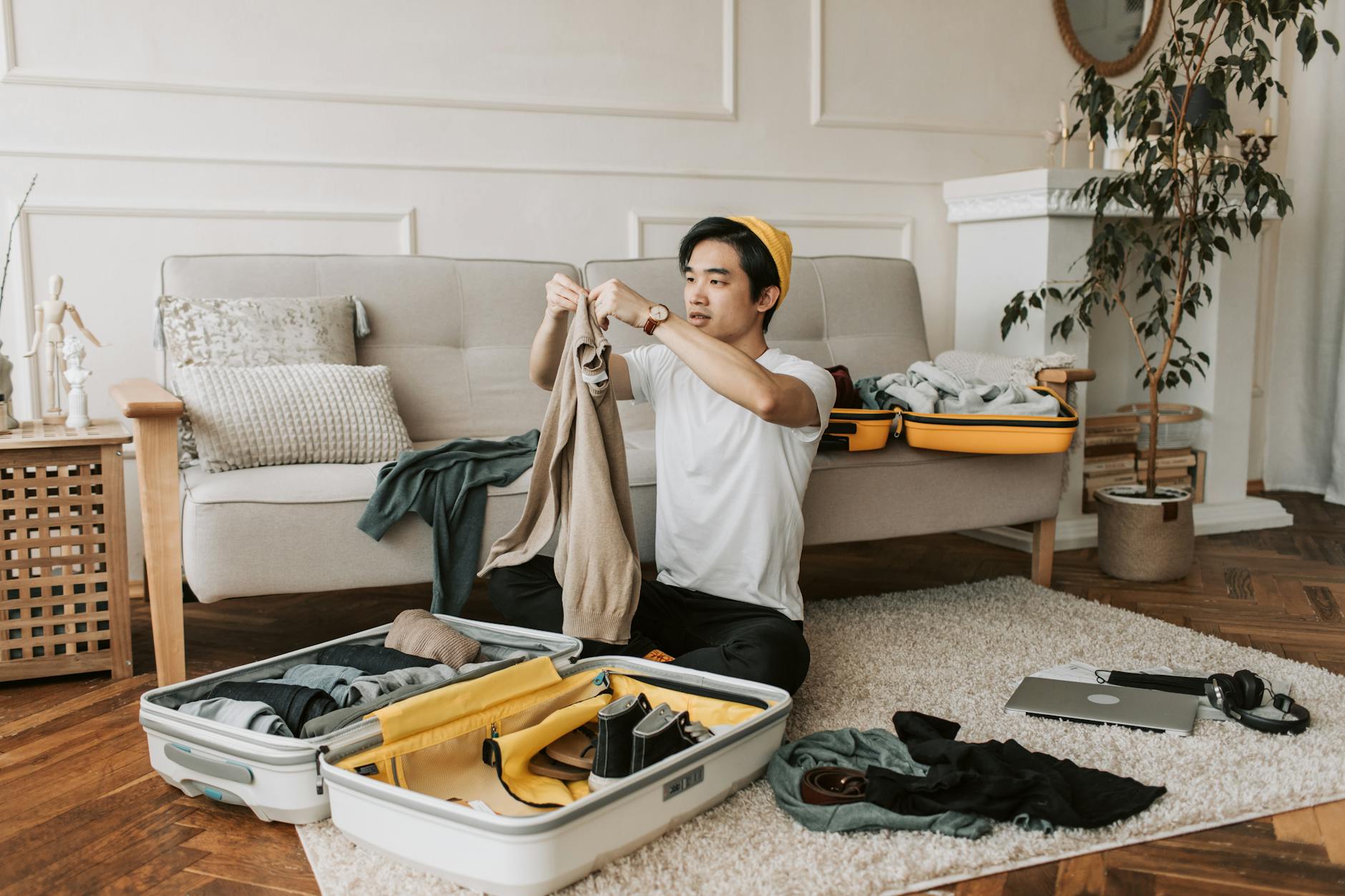
Tired of seeing perfect travel feeds with unrealistic gear? We're pulling back the curtain on the solo travel essentials that truly make a difference – the ones influencers often *don't* show. Get ready to transform your next adventure with these game-changing, practical items. ---
Solo Travel Gear Secrets: The Game-Changers Instagram Influencers Don't Want You To Know
Remember that picture-perfect shot of an influencer sipping a smoothie on a Bali beach, their designer straw hat perfectly angled, a tiny, impractical clutch by their side? Yeah, me too. It's beautiful, aspirational even. But as a seasoned solo traveler who's navigated everything from chaotic souks in Marrakech to serene temples in Kyoto, I'm here to tell you: that's not the full story.
Behind every flawless Instagram grid lies the gritty, often unglamorous reality of solo travel. It's the moments your phone dies in a foreign city with no map, the dodgy hostel dorm where you can't quite sleep, or the 12-hour bus ride through the Andes that tests your very soul. And in those moments, it's not the cute straw hat that saves you – it's the humble, practical, often overlooked gear that actually changes everything.
Influencers might showcase the latest drone or a stylish carry-on, but they rarely reveal the true workhorses of solo adventuring. Why? Because practicality isn't always "aesthetic." But for us, the real travelers, practicality is paramount. It’s what keeps us safe, sane, and truly enjoying the journey.
So, ditch the rose-tinted filters for a moment. I'm about to unveil the solo travel gear that has genuinely transformed my trips, saved my sanity (and sometimes my skin!), and that I now consider non-negotiable. These are the unsung heroes of the road, the silent guardians of your solo adventure, and the secrets Instagram influencers don't want you to know.
1. The Unsung Heroes of Safety & Security: Your Personal Fortress on the Go
When you're traveling solo, you are your own first responder. While vigilance is your best defense, a few discreet items can provide an invaluable layer of security and peace of mind.
My "Oh-Crap-Moment" in Budapest: I was in a hostel dorm, the kind where the door didn't quite latch properly. One night, I woke up to a rustling sound. My heart pounded. It turned out to be nothing more than a late-night arrival fumbling with their bag, but that feeling of vulnerability was terrifying. That's when I invested in my first portable door stop alarm.
- Portable Door Stop Alarm (Approx. $10-20): This small, wedge-shaped device slides under any door and emits an ear-splitting alarm if the door is opened. It works on hostel dorms, sketchy hotel rooms, or even Airbnbs where you want an extra layer of security. It’s discreet, lightweight, and a true game-changer for solo female travelers especially. Brands like Addalock or generic models on Amazon work wonders.
- Personal Safety Alarm (Approx. $15-25): Small enough to attach to your keychain, these devices emit a piercing siren with the pull of a pin. I carry a Sabre Personal Alarm (often used by runners). Whether you feel threatened walking alone at night or simply need to draw attention in an emergency, it's a powerful tool. I've never had to use it for an actual threat, but the knowledge it's there has empowered me to explore more confidently.
- Anti-Theft Sling Bag/Crossbody (Approx. $50-100): Forget the bulky backpack. For daily excursions, a sleek anti-theft sling or crossbody bag is perfect. Look for features like slash-proof material, RFID-blocking pockets, and lockable zippers. My go-to is a Pacsafe Vibe 150 Anti-Theft Sling Pack. It's small enough not to scream "tourist" but sturdy enough to deter pickpockets in crowded markets like La Boqueria in Barcelona. I once had a zipper tested in Rome, and the lockable clasp saved my passport.
- Dummy Wallet/Old Phone: A simple trick I learned in Southeast Asia: carry an old, broken phone or a wallet with a few expired cards and a small amount of local currency. If you're ever mugged, you can hand this over, keeping your real valuables hidden. It's a grim thought, but a smart preventative measure.
2. Comfort & Sanity Savers: Surviving the Long Haul Like a Pro
Solo travel often involves long stretches of transit – buses, trains, planes, you name it. These are the moments when a little foresight in your gear choices can mean the difference between arriving refreshed and arriving utterly depleted.
My 18-Hour Bus Odyssey in Patagonia: Picture this: a winding, bumpy road through Argentinian Patagonia, breathtaking scenery, but a bus seat that felt designed by a medieval torturer. My cheap, U-shaped neck pillow was useless. My headphones died. I arrived feeling like I'd wrestled a bear. Never again.
- Trtl Pillow (Approx. $30-50): This isn't your grandma's neck pillow. The Trtl Pillow is a scarf-like support that holds your head in an ergonomic position, preventing that dreaded head-bobbing. It’s compact, incredibly supportive, and truly allows for quality sleep even in economy class. I swear by it for red-eye flights to Europe or long-haul bus trips across South America.
- High-Quality Noise-Canceling Earbuds/Headphones (Approx. $150-350): While AirPods are great, for true solo travel sanity, invest in proper noise-canceling tech. My Sony WH-1000XM5 headphones are a lifesaver. They block out crying babies, engine hum, and chatty seatmates, creating a personal oasis of calm. They're pricy, but the peace and quiet they offer on a 14-hour flight or a noisy hostel dorm are priceless.
- Silk Sleep Mask (Approx. $10-25): Forget the flimsy airline masks. A soft, light-blocking silk mask is heavenly. It helps you sleep better in bright hostel dorms, on sunny train rides, or anytime you need to trick your body into thinking it's night. The silk also feels great on your skin.
- Compression Socks (Approx. $20-40): Often associated with older travelers, compression socks are a godsend for anyone enduring long flights or bus rides. They improve circulation, reduce swelling, and minimize the risk of DVT. My legs feel significantly less fatigued after a long journey when I wear them. Brands like Bombas or Comrad offer stylish and comfortable options.
3. Powering Up Smartly: Tech Essentials Beyond the Phone
In the age of digital navigation, communication, and photography, a dead battery is a solo traveler's worst nightmare. While influencers might show off their sleek phone, they rarely highlight the robust charging ecosystem that keeps them connected.
That Time My Phone Died in Rome: I was trying to navigate the labyrinthine streets of Trastevere, hungry and slightly disoriented. My phone, my map, my translator, my lifeline – died. I spent a frantic hour trying to find a café with an outlet, feeling utterly helpless. Never again.
- High-Capacity Portable Power Bank (Approx. $30-70): This is non-negotiable. Get one with at least 20,000mAh capacity, capable of charging your phone 3-5 times. My Anker PowerCore 20000 has saved me countless times, whether I'm taking photos all day in Santorini or have an unexpected delay at a remote bus station in Vietnam.
- Universal Travel Adapter with Multiple USB Ports (Approx. $20-40): Don't fumble with multiple clunky adapters. A single universal adapter with built-in USB-A and USB-C ports is a minimalist's dream. The SKROSS World Adapter MUV Micro is compact and reliable, ensuring you can charge all your devices simultaneously from one outlet, no matter where you are.
- Multi-Port USB Wall Charger (Approx. $20-35): Even with a universal adapter, outlets can be scarce. A small, multi-port USB charger (e.g., a Anker 4-port USB charger) allows you to charge your phone, power bank, and earbuds all at once, using just one wall socket. Essential for hostel dorms!
- Waterproof Phone Pouch (Approx. $10-20): Beyond the beach, this is crucial. I was caught in an unexpected monsoon in Chiang Mai, and my phone was safe and dry in its pouch while I hailed a tuk-tuk. It's also great for protecting against sand, dust, or accidental spills.
4. The Hygiene & Health Hacks You Didn't Know You Needed
Let's be real: solo travel isn't always glamorous showers and pristine bathrooms. Sometimes it's squat toilets, questionable water sources, and unexpected ailments. These items are about maintaining your comfort, health, and dignity in less-than-ideal situations.
My "Adventure" in Rural India: I encountered a bathroom situation that made me deeply appreciate the simple luxury of running water. My trusty filter bottle and solid toiletries were my only comfort.
- Filtered Water Bottle (Approx. $30-70): Save money, reduce plastic waste, and stay healthy. A bottle with an integrated filter, like the Grayl GeoPress Purifier Bottle or a LifeStraw Go, allows you to safely drink tap water in most places, even sketchy ones. I've used my Grayl bottle all over Southeast Asia and South America, filling up from hotel sinks and public fountains without a single stomach issue.
- Quick-Drying Microfiber Towel (Approx. $15-30): Hostels often charge for towels, and regular towels take forever to dry. A compact, super-absorbent, quick-drying microfiber towel (e.g., Sea to Summit Tek Towel) is a lifesaver. It packs down small and is ready for your next shower surprisingly fast.
- Solid Toiletries (Shampoo Bar, Soap Bar, Toothpaste Tablets) (Approx. $8-15 per item): No more leaking bottles, no more worrying about liquid limits in your carry-on! Solid shampoo and conditioner bars (like those from Lush or Ethique), solid body soap, and even toothpaste tablets are eco-friendly, space-saving, and hassle-free.
- Personalized Mini First-Aid Kit (Approx. $15-30 to assemble): Beyond basic band-aids. My kit includes: blister patches (essential for exploring on foot!), antiseptic wipes, pain relievers, anti-diarrhea meds (Imodium is your friend!), rehydration salts, and any personal prescriptions. I once got a nasty blister hiking in Cinque Terre, and those patches saved my ability to walk for the rest of the trip.
- Travel Bidet (Approx. $10-25): This might sound odd, but trust me. For hygiene in places without toilet paper or bidets, a small, squeezable travel bidet (e.g., CuloClean Travel Bidet) is a godsend. It's discreet, eco-friendly, and offers a level of cleanliness that toilet paper simply can't match.
5. Packing & Organization: The Art of the Smart Traveler
Influencers might show off perfectly packed designer luggage, but for the solo traveler, efficient packing is about maximizing space, minimizing stress, and always being prepared for the unexpected.
My Overpacking Disaster in Portugal: My first solo trip, I brought way too much. Hauling a heavy, unwieldy suitcase up cobbled streets in Lisbon was a nightmare. I vowed never to make that mistake again.
- Compression Packing Cubes (Approx. $25-50 for a set): These are not just packing cubes; they're compression packing cubes. They have an extra zipper that squeezes air out, allowing you to fit significantly more into your bag. My Eagle Creek Pack-It Specter Tech Compression Cubes are my absolute favorite. They keep my clothes organized and shrink them down, leaving room for souvenirs!
- Foldable Daypack (Approx. $20-40): While your main backpack is great for transit, you don't want to lug it around town. A lightweight, packable daypack (e.g., Osprey Ultralight Stuff Pack or Matador Freerain22) is perfect for daily excursions, grocery runs, or carrying extra layers. It folds down to the size of your palm.
- Waterproof Laundry Bag (Approx. $10-15): Keep your dirty clothes separate from your clean ones, especially if they're damp or smelly. A simple roll-top dry bag or a dedicated laundry bag prevents odors from permeating your entire backpack.
- Tiny Carabiners/S-Biners (Approx. $5-10 for a pack): These seem trivial, but they're incredibly versatile. Use them to clip a water bottle to your bag, secure zippers for extra theft deterrence, hang a small towel to dry, or attach your shoes to the outside of your pack. I always have a few Nite Ize S-Biners on hand.
- Digital Luggage Scale (Approx. $10-20): Avoid those dreaded overweight baggage fees, especially if you're flying budget airlines. A small, portable luggage scale ensures you're always within limits, saving you money and stress at the airport.
6. Navigation & Communication: Staying Connected (and Found)
While a smartphone is indispensable, relying solely on it can leave you stranded. True solo travelers know the value of redundant systems and smart communication strategies.
Getting Lost in the Peruvian Andes: I was hiking near Cusco, downloaded an offline map, but my phone battery died (again!). The trail wasn't well marked, and for a terrifying hour, I was genuinely lost. A printed map, even a simple sketch, would have been a lifesaver.
- Unlocked Secondary Phone / "Burner" Phone (Approx. $50-150): This is a niche tip, but a smart one. An inexpensive, unlocked smartphone can be loaded with a local SIM card, saving your primary phone's battery and keeping your main number private. It's also a backup for navigation or emergencies if your main phone is lost or stolen.
- E-Reader (Kindle Paperwhite) (Approx. $100-150): Forget lugging heavy books. An e-reader like the Kindle Paperwhite is lightweight, has incredible battery life (weeks!), and gives you access to an entire library on the go. Perfect for long bus rides, airport layovers, or winding down in your hostel.
- Offline Maps & Google Translate Downloads: This isn't gear, but it's a crucial digital asset. Before you leave WiFi, download entire regions on Google Maps for offline access. Do the same for languages in Google Translate. This ensures you can navigate and communicate even without signal or data.
- SIM Card Ejector Tool & Small Pouch: A tiny, often overlooked item. Keep a SIM ejector pin with a small, labeled pouch for your home country's SIM card. That way, you won't lose it when you swap for a local SIM. I keep mine taped inside my passport cover.
Your Adventure, Your Rules
The world of solo travel is vast, thrilling, and full of unexpected twists. While the curated feeds of Instagram influencers offer a glimpse of wanderlust, the true magic happens when you're prepared for anything. These practical, often unglamorous pieces of gear are your secret weapons. They're not about looking good for the camera; they're about empowering you to explore further, stay safer, and truly immerse yourself in the journey.
So, next time you're packing your bag, think beyond the aesthetics. Prioritize comfort, security, and smart solutions. These are the tools that will turn potential travel woes into minor hiccups, allowing you to embrace the freedom and exhilaration of solo travel to its fullest.
What's your secret solo travel gear that changes everything? Share your must-have items and personal anecdotes in the comments below! Tag us on Instagram with #TripsoraTravelHacks and show us your practical travel style!
---
More pictures


Tags
Share this guide
We may earn a commission if you click a link and buy a product or service, at no extra cost to you. How affiliate links work.
Been there?