
Imagine waking up to a giraffe peeking into your window or a lion's roar echoing through the African plains. These aren't just hotels; they're gateways to profound connections with the wild that will undoubtedly change your perspective on travel and life itself. Prepare to be inspired to book your next unforgettable adventure!
The first time I heard the deep, resonant rumble, I bolted upright in bed, my heart a frantic drum against my ribs. It was 4 AM, and the canvas walls of my luxury tent in Tanzania’s Serengeti were barely separating me from the source of that primal sound. A lion. Not in the distance, but right outside. Fear mingled with an electrifying thrill, a sensation I’d never experienced in any five-star city hotel. That morning, watching the sunrise paint the savannah gold as a pride of lions stretched in the cool morning air just a few hundred yards away, I knew my life, and how I viewed travel, had fundamentally shifted.
We talk about "sleeping with animals," and often people conjure images of domestic pets or perhaps a slightly uncomfortable encounter with a stray. But for me, it means something far more profound: immersing myself in environments where wild creatures are not just observed from a distance, but become an integral, breathtaking part of my immediate surroundings, sometimes even my breakfast companion. These aren't zoos or circuses; these are carefully curated, ethical experiences in places dedicated to conservation, where human and animal worlds beautifully, respectfully, and often spectacularly intersect.
If you’re ready to trade predictable hotel rooms for unforgettable wildlife encounters that will challenge your perceptions and fill your soul, then buckle up. These are the hotels where I’ve "slept with animals" – or at least, had them as my closest neighbors – and they truly changed my life forever.
---
1. The Majestic Giants of the Savannah: Waking to a Roar in Africa
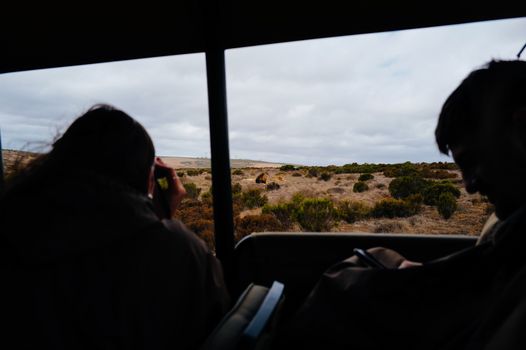
There’s nothing quite like the untamed heart of Africa to remind you of your place in the natural world. My first truly transformative animal encounter happened in the vast, wild landscapes of East Africa. Staying in a luxury tented camp isn't just accommodation; it's an extension of the wilderness itself.
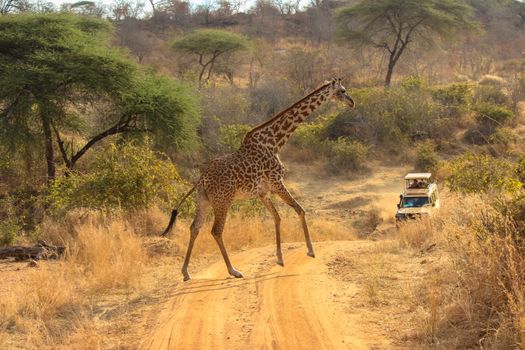
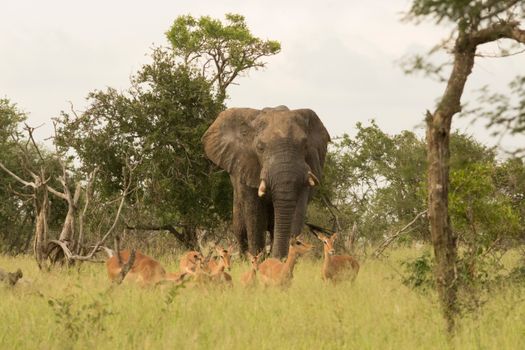
My Personal Encounter: That morning in the Serengeti, after the lion’s serenade, I stepped onto my private deck as the sun began its ascent. The air was crisp, carrying the scent of dust and wild grasses. Suddenly, a herd of elephants, silent as ghosts, emerged from the acacia trees, making their way to a nearby watering hole. Their sheer size, their ancient wisdom evident in their slow, deliberate movements, brought tears to my eyes. Later that day, during an afternoon game drive, we stumbled upon a leopard draped elegantly over a tree branch, its eyes piercing, utterly indifferent to our presence. These weren't glimpses; they were prolonged, intimate moments of connection.
Where to Experience It:
- &Beyond Bateleur Camp, Masai Mara, Kenya: Perched at the edge of the legendary Masai Mara, this camp offers a classic safari experience. Think vintage explorer vibes, private decks overlooking the plains, and daily game drives where the "Big Five" are almost guaranteed. I remember a cheetah hunting antelope just beyond our camp boundaries one evening – pure drama unfolding before us.
- Price: High-end luxury, typically starting from $1,200-$2,500+ per person per night, all-inclusive.
- Singita Sabora Tented Camp, Serengeti, Tanzania: A truly opulent experience reminiscent of 1920s safaris. Each tent is a lavish suite, but the real luxury is the uninterrupted access to the Serengeti's wildlife. I’ve seen zebras grazing just meters from my tent, and heard hyenas cackling under the moon.
- Price: Ultra-luxury, often $1,800-$3,000+ per person per night, all-inclusive.
Practical Tips for Your African Safari:
- Choose Ethical Operators: Prioritize lodges and tour companies committed to conservation and supporting local communities. Look for certifications like EcoTourism Kenya or those affiliated with reputable conservation organizations.
- Pack Smart: Layers are key – mornings and evenings can be chilly, while midday is hot. Don't forget a good camera with a zoom lens, binoculars, and plenty of sunscreen/insect repellent.
- Timing is Everything: The Great Migration in Tanzania and Kenya (roughly July-October) offers unparalleled wildlife viewing, but green season (Nov-May) provides lush landscapes and baby animals, often with fewer crowds.
- Respect the Wild: Always follow your guide's instructions. Never try to approach animals on foot or make sudden movements.
---
2. Breakfast with a Long-Necked Friend: The Giraffe Manor Experience
If there’s one experience that epitomizes "sleeping with animals" in the most charming, direct way, it’s Giraffe Manor in Nairobi, Kenya. This iconic boutique hotel is famous for its resident herd of Rothschild's giraffes who regularly visit the property, poking their long necks through windows in search of treats.
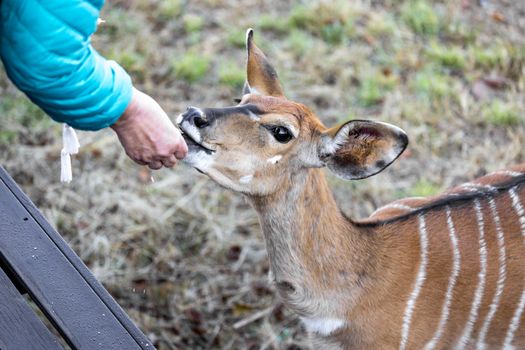
My Personal Encounter: I woke up to a gentle tap on my bedroom window. Peeking out from under the covers, I saw a pair of impossibly long eyelashes blinking at me. Daisy, one of the manor’s beloved giraffes, was patiently waiting for her breakfast. I laughed out loud, a pure, unadulterated joy bubbling up inside me. Hand-feeding her pellets from my balcony, feeling her soft lips brush my palm, was an utterly surreal and heartwarming moment. She even joined us for breakfast in the dining room, her elegant head stretching through the large windows, vying for attention (and more food!). It felt like stepping into a whimsical dream.
Where to Experience It:
- Giraffe Manor, Nairobi, Kenya: The one and only. This historical property offers just 12 rooms, making it an exclusive and intimate experience.
- Price: Luxury, often $850-$1,500+ per person per night, all-inclusive.
Practical Tips for Giraffe Manor:
- Book Far in Advance: Due to its immense popularity and limited rooms, Giraffe Manor often books up 1-2 years ahead. Plan accordingly!
- Embrace the Early Morning: The giraffes are most active and keen to interact at breakfast time. Set your alarm and be ready for some incredible photo opportunities.
- Combine with a Safari: Nairobi is the gateway to Kenya's incredible safari parks. Consider spending a night or two at Giraffe Manor before or after your safari adventure for a complete Kenyan experience.
- Instagram Gold: Seriously, prepare for some of the most unique and shareable travel photos you'll ever take. #GiraffeManor is a must.
---
3. Diving Deep: Immersive Marine Worlds & The Ocean's Embrace
While not "sleeping with" terrestrial animals, the experience of being submerged in an underwater hotel, surrounded by the silent ballet of marine life, is equally profound and life-altering. It’s like sleeping in a giant aquarium, only you’re inside the aquarium.
My Personal Encounter: At The Muraka, Conrad Maldives Rangali Island, I descended into the depths, my bedroom a transparent bubble offering 360-degree views of the Indian Ocean. Lying in bed, watching a kaleidoscope of fish swim past, a majestic manta ray glide by, and even a reef shark patrolling in the distance, felt otherworldly. The ocean’s rhythm became my lullaby. It wasn't just observing; it was a feeling of being completely enveloped, a tiny human in the vast, vibrant blue. It fostered a deep appreciation for the fragility and beauty of our marine ecosystems.
Where to Experience It:
- The Muraka at Conrad Maldives Rangali Island: The world’s first underwater hotel residence. It's a two-level villa with a master bedroom suite submerged 16 feet below the surface.
- Price: Ultra-luxury, often $20,000-$50,000+ per night.
- Atlantis The Palm, Dubai – Underwater Suites: While not fully submerged, these iconic suites offer floor-to-ceiling views into the Ambassador Lagoon, home to 65,000 marine animals.
- Price: Luxury, often $2,000-$8,000+ per night.
- Manta Resort, Pemba Island, Tanzania – Underwater Room: A more accessible (but still exclusive) option, this floats in a marine conservation area, with the bedroom submerged.
- Price: Luxury, around $1,700+ per night.
Practical Tips for Underwater Stays:
- Budget Accordingly: These are generally premium experiences.
- Embrace the Serenity: These environments are incredibly peaceful. Take time to simply observe and appreciate the marine life.
- Ethical Marine Tourism: When choosing resorts, look for those with strong environmental policies, marine conservation programs, and responsible diving/snorkeling practices. Avoid touching coral or disturbing wildlife.
---
4. Jungle Symphony: Monkeys, Sloths, and the Amazonian Embrace
The rainforest is a symphony of life, and staying deep within it means becoming part of that vibrant, noisy, and utterly captivating ecosystem. Here, "sleeping with animals" means falling asleep to the chorus of frogs and insects, and waking to the calls of howler monkeys or the rustle of leaves as a sloth slowly makes its way through the canopy.
My Personal Encounter: In the Peruvian Amazon, at Inkaterra Reserva Amazónica, my eco-lodge cabin had open-air elements, blurring the lines between indoors and out. One morning, I woke to a chattering sound and looked up to see a family of capuchin monkeys playfully swinging through the trees right above my thatched roof. Later, sipping coffee on my private hammock, I spotted a sloth, moving with comical slowness, munching on leaves. It was a constant, gentle reminder that I was a guest in their home, and every rustle, every call, was a part of their daily life. The air was thick with humidity and the scent of rich earth, and the sounds were a lullaby and an alarm clock all at once.
Where to Experience It:
- Inkaterra Reserva Amazónica, Puerto Maldonado, Peru: A pioneer in ecotourism, offering luxurious yet rustic cabins in the heart of the Amazon. They have an incredible canopy walkway for bird and monkey spotting.
- Price: Mid-range to luxury, often $400-$800+ per person per night, all-inclusive of excursions.
- Pacuare River Lodge, Costa Rica: Accessible only by raft, this eco-lodge is nestled deep in the rainforest. Howler monkeys, sloths, and an incredible array of birds are your constant companions.
- Price: Luxury, often $700-$1,200+ per person per night, all-inclusive.
Practical Tips for Rainforest Stays:
- Insect Repellent is Your Best Friend: Seriously, bring plenty.
- Pack Light and Appropriately: Quick-drying clothing, waterproof gear, and sturdy walking shoes are essential.
- Guided Tours are Key: Local guides are invaluable for spotting wildlife and understanding the ecosystem.
- Respect the Environment: Stick to marked trails, don't litter, and never disturb the flora or fauna.
---
5. Feathered Friends and Wobbly Walks: Penguin Paradise Stays
Penguins, with their charming waddle and curious nature, are surprisingly accessible in certain parts of the world. Experiencing their colonies up close, where they return to their nests each evening, is an incredibly endearing and unforgettable experience.
My Personal Encounter: On Phillip Island, Australia, after watching the famous Penguin Parade, I stayed in a nearby guesthouse that offered views towards the protected areas. While not directly "sleeping with" them in my room, the sheer proximity to thousands of little penguins (fairy penguins) returning from their day at sea, their distinctive calls echoing through the twilight, was magical. I spent hours simply observing them from a distance, feeling like I was part of their natural rhythm. The next morning, I walked along the boardwalks, seeing them nesting in burrows, completely unafraid of human presence, a testament to the island's conservation efforts.
Where to Experience It:
- Phillip Island, Victoria, Australia: While there isn't a hotel directly on the penguin parade grounds, numerous guesthouses and B&Bs in nearby Cowes or Ventnor offer easy access and a chance to truly immerse yourself in the island's natural beauty. Look for accommodations with views towards the coast or within short driving distance.
- Price: Varies widely, from $150-$500+ per night depending on type.
- Boulders Beach, Simon’s Town, South Africa: Stay in a guesthouse in Simon’s Town, and you're just a stone's throw from the famous African Penguin colony. You can hear their braying calls from your balcony.
- Price: Varies, from $100-$300+ per night.
Practical Tips for Penguin Encounters:
- Best Viewing Times: Penguins typically return to shore at dusk. Dress warmly, as coastal evenings can be chilly.
- Respect Their Space: Always stay on designated boardwalks and never attempt to touch or feed the penguins. Flash photography is strictly prohibited as it can disorient them.
- Support Conservation: Visiting these sites often contributes directly to the conservation efforts that protect these vulnerable species.
---
6. The Gentle Giants: Ethical Elephant Encounters
This is perhaps the most crucial category to address with an emphasis on ethics. The idea of "sleeping with elephants" should never involve riding, performing, or any activity that exploits these magnificent creatures. Instead, it means immersing yourself in environments where rescued elephants live freely, and you can observe and learn from them in a respectful, non-invasive way.
My Personal Encounter: At a sanctuary in Northern Thailand, near Chiang Mai, I chose to stay in a guesthouse that partnered with an ethical elephant sanctuary. While I didn't share a room with an elephant (nor would I want to!), my days were spent observing them from a respectful distance – watching them bathe in the river, forage in the forest, and interact with each other. The sheer scale of them, their intelligence, and the obvious bonds within their herds were incredibly moving. It was a profound lesson in patience, empathy, and the importance of responsible tourism. Seeing them thrive, free from chains and cruelty, was a far more enriching experience than any forced interaction could ever be.
Where to Experience It (Ethically):
- Elephant Nature Park, Chiang Mai, Thailand: A world-renowned rescue and rehabilitation center. They offer day visits and multi-day volunteer programs where you stay on-site in simple accommodation, observing the elephants in their natural environment. You’ll be immersed in the sounds and sights of the sanctuary, truly living among these gentle giants.
- Price: Day visits around $80-$100. Overnight stays/volunteer programs vary, typically $400-$700+ for multiple days, including accommodation and food.
- MandaLao Elephant Conservation, Luang Prabang, Laos: Another excellent ethical sanctuary focusing on hands-off observation and education. They also offer multi-day experiences with accommodation nearby.
- Price: Similar to ENP, varies by program length.
Practical Tips for Ethical Elephant Tourism:
- Research, Research, Research: Be incredibly diligent. Many places claim to be sanctuaries but still engage in harmful practices. Look for organizations that explicitly prohibit riding, hooks, chains, and forced performances.
- Focus on Observation: The most impactful way to "sleep with" elephants is to observe them in their natural state, learning about their behavior and social structures.
- Support Their Mission: Your visit and donations directly contribute to the rescue, rehabilitation, and ongoing care of these elephants.
---
A Life Transformed by the Wild
These experiences, where the boundary between human comfort and wild nature blurs, are more than just vacations. They are profound journeys into the heart of the natural world, fostering a deeper understanding of biodiversity, conservation, and our own place within this intricate web of life. Waking up to the sounds of the wild, sharing a meal (or a window) with a majestic creature, or simply being present in an environment teeming with life, has a way of stripping away the superficial and connecting you to something ancient and real.
My life was changed by these encounters. They instilled in me a fierce passion for conservation, a renewed sense of wonder, and a deep, abiding respect for every living thing. They taught me patience, observation, and the immense joy of simply being in the moment.
So, are you ready to trade your predictable cityscape for the untamed beauty of the wild? Are you ready for a truly immersive experience that will not only fill your camera roll with Instagram-worthy shots but also fill your soul with indelible memories?
It's time to book your own life-changing encounter with the wild.
Have you had an incredible animal encounter while traveling? Share your stories and photos with us on social media using #TripsoraWildStays. We can't wait to see where your adventures take you!
More pictures

Tags
Share this guide
We may earn a commission if you click a link and buy a product or service, at no extra cost to you. How affiliate links work.
Been there?