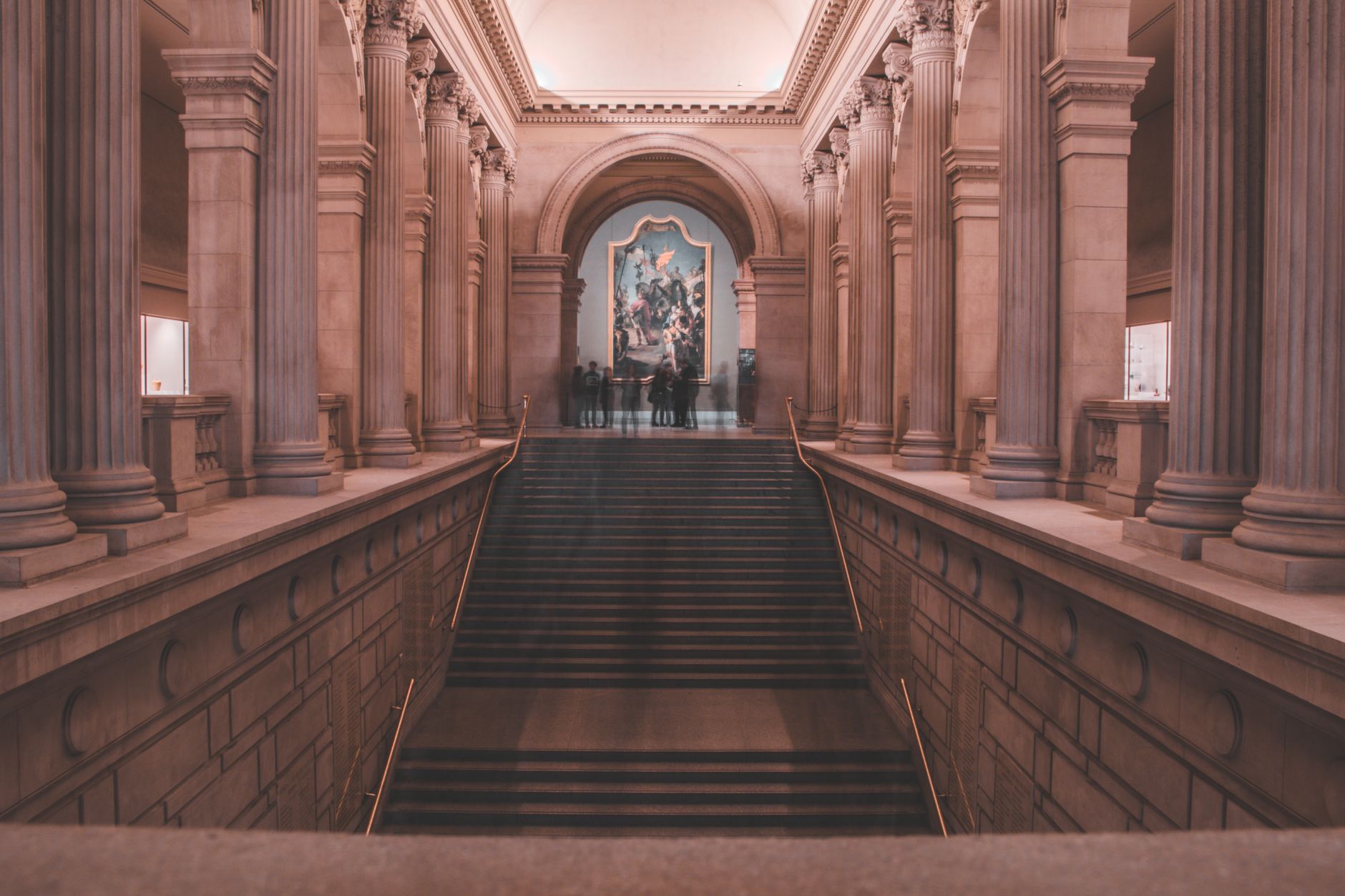
Sign language tours at museums make collections more accessible to Deaf and hard-of-hearing visitors, and availability varies, so checking schedules, booking ahead and confirming the language used are essential.
Museums hold some of the world's most important collections, yet visiting them can be difficult for people who rely on sign language. Interpreted and sign language tours help bridge that gap, offering guided commentary in a visual language that many Deaf visitors use as their first language. Availability differs by institution and country, so planning ahead matters. This guide explains what these tours typically involve, how to find them and how to make the visit rewarding.
What a sign language tour involves
A sign language tour is a guided visit led by a guide who signs, or accompanied by an interpreter who translates spoken commentary into sign language. Some tours are led by Deaf guides, who may offer perspectives on art and history that draw on their own cultural experience. Others are interpreted tours where a hearing guide speaks and an interpreter signs simultaneously.
Tours may focus on general highlights or on particular exhibitions. Length and group size vary, and some are offered only at certain times of the week or during special events.
Finding tours and checking availability
Museum websites often list accessibility services, including sign language tours, under visitor information or access pages. Look for the language used, such as national sign languages or international sign, and check whether the tour is offered regularly or only occasionally. Deaf community organizations and national associations of the Deaf may also publish listings or recommendations.
Schedules change, so check current information before planning. Some museums require advance booking, and popular tours can fill quickly.
Booking and communicating your needs
Contact the museum in advance to confirm the tour, its language, its length and any fees. Ask whether the museum can arrange an interpreter for a specific date if no tour is scheduled. Provide your preferred communication method for confirmations, and let staff know about any additional needs, such as seating or a quiet area for breaks.
Many museums are willing to adjust arrangements where possible, but notice times vary. Give as much lead time as you can.
Making the visit accessible and enjoyable
Ask for a copy of the gallery layout and any written materials that are available. Many museums offer visual guides, captioned videos and tactile objects in some galleries. Lighting, sightlines and background noise can affect communication, so arrive a little early to find a good position near the guide or interpreter.
If you are visiting with a hearing companion, plan to stand where the interpreter and guide are both visible. Group tours can involve moving between galleries, so consider how long you can stand comfortably and whether benches are available.
Respecting guides, interpreters and fellow visitors
Give the guide or interpreter your full attention, and avoid speaking over the interpreter when they are signing. If you have questions, wait for a suitable pause or raise your hand in the way the guide has explained. Be mindful of photographs and filming rules, which may restrict recording of the interpreter or other visitors.
Interpreters work hard during tours, so consider thanking them afterward. Feedback to the museum about the quality of accessibility services helps improve future provision.
Practical tips
Check the museum's opening hours, ticket requirements and any reservation system before you go. Bring a notebook or use a phone for notes if that helps you follow up later. Plan a rest break, since visual concentration can be tiring. Wear comfortable shoes, because many museums involve a lot of walking.
Look at the museum's website for captions, transcripts or audio guides that complement the tour. Ask the front desk about accessible routes and lifts if you use a wheelchair or other mobility aid.
Common mistakes to avoid
A common mistake is assuming that a museum with an accessibility page will offer tours every day. Schedules can be limited. Another error is planning around one tour without considering alternative times, which can matter if a session is cancelled. Some travelers wait until the day of the visit to ask for an interpreter, when several weeks of notice may be needed. Visitors may also overlook their own pace and plan too many galleries into one session, which can become tiring. Finally, arriving without a plan for breaks can make a long visual session harder to enjoy, so build in time to rest and reflect.
Who this suits and who it doesn't
Sign language tours suit Deaf and hard-of-hearing visitors who want guided commentary in their preferred language, as well as hearing companions who would like an interpreted experience. They can suit families, students and anyone interested in how museum interpretation can be made accessible. They are less suitable for visitors who need a quiet, self-paced visit without scheduled groups, or those who require a language the museum does not offer. Visitors with additional needs, such as mobility or cognitive considerations, should describe them in advance so the museum can arrange a suitable route and pace.
Frequently asked questions
Do these tours cost extra? Sometimes. Policies differ, so ask about fees when you confirm your booking.
Can a tour be arranged if none is listed? Some museums can organize an interpreter on request, although notice periods vary.
Is a Deaf-led tour better? Preferences differ. Some visitors value Deaf-led perspectives, while others are happy with a skilled interpreter. Choose what suits you.
Sign language tours can transform a museum visit, making art, history and science more engaging for Deaf and hard-of-hearing visitors. Plan ahead, confirm the language and format, and communicate your needs clearly. As more institutions develop accessible programs, travelers have growing opportunities to explore collections in a way that suits them.
More pictures

Tags
Share this guide
We may earn a commission if you click a link and buy a product or service, at no extra cost to you. How affiliate links work.
Been there?