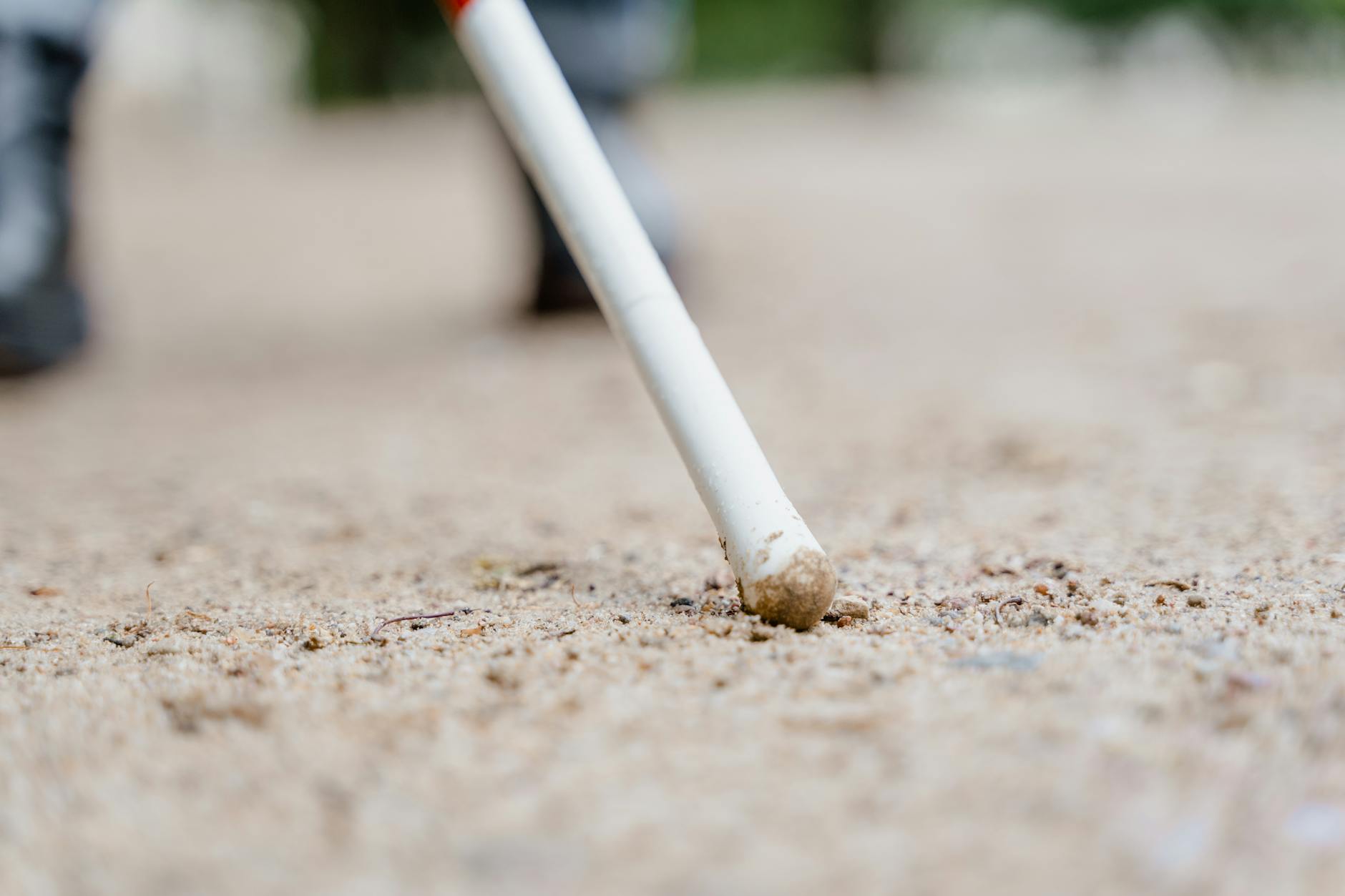
Skip the visual noise. This summer’s hottest travel trend is all about radical sensory immersion. From the acoustic magic of Istanbul's ancient subterranean cisterns to tactile art tours in Florence and olfactory blending in the French Riviera, this definitive guide showcases the ultimate non-visual summer travel experiences curated specifically for blind and partially sighted travelers. ---
The Hook: A Symphony in the Dark
I stepped off the stone platform, and the world immediately changed. The oppressive, dry heat of an Istanbul summer afternoon vanished, replaced by a cool, damp envelope of air that smelled of ancient brick, wet limestone, and the faint, sweet scent of subterranean water.
Then came the sound.
It wasn't just noise; it was an acoustic architecture. Every footstep on the wooden boardwalk echoed with a deep, wooden resonance. Far off to my left, a single drop of water detached from a 1,500-year-old vaulted ceiling and struck the shallow pool below with a clean, metallic plink that reverberated through the cavernous space.
This is the Basilica Cistern, and I was experiencing it not with my eyes, but through my skin, my ears, and my breath.
For too long, the travel industry has been obsessively visual—designed for the Instagram grid and the postcard view. But this summer, a quiet revolution is happening. Blind and visually impaired travelers are leading a shift toward sensory travel. This movement strips away the superficiality of "sightseeing" and replaces it with deep, tactile, auditory, and olfactory exploration.
If you are ready to experience the world through your other four senses, these are the trendsetters, the pioneers, and the absolute best sensory travel experiences for blind travelers that are trending this summer.
---
1. The Acoustic Sanctuary: Istanbul’s Subterranean Echoes
``` ___________________________________________________ / \ | "The stone doesn't just hold history; it sings | | it back to you in a five-second decay." | \___________________________________________________/ ```
The Experience: Navigating History Through Sound
Istanbul is a sensory overload of the best kind—the smell of roasting chestnuts, the call to prayer bouncing off minarets, the vibration of ferry engines on the Bosphorus. But its crown jewel for auditory travelers lies thirty feet below the street level of the Sultanahmet district: the Basilica Cistern (Yerebatan Sarnıcı).
Following a massive, multi-year restoration completed recently, the cistern has been transformed into an acoustic marvel. The space features customized, low-frequency soundscapes designed by acoustic engineers to highlight the natural reverberation of its 336 marble columns.
As you walk along the wooden pathways, the air changes density. If you run your hands along the damp, textured surface of the ancient brickwork, you can feel the chisel marks left by Roman stonemasons. Near the back of the cistern lie the two famous Medusa heads; the stone here feels noticeably colder, slick with condensation, and carries a faint, metallic mineral tang.
Insider Pro-Tips:
- The Golden Hour: Visit at 8:00 AM right when the gates open, or after 8:00 PM (it stays open late in summer). Avoid midday when tour groups drown out the delicate natural acoustics with chatter.
- The Hidden Resonance: Stand near the "Crying Column" (decorated with tears). If you cup your hand near the base, you can hear the distinct, rhythmic hiss of water being drawn up through the porous marble by capillary action.
- Access Note: There is a modern, fully accessible elevator entrance located directly across from the main ticket kiosk. Staff are exceptionally well-trained to assist with navigation.
---
2. The Olfactory Alchemist: Crafting Scent Profiles in Grasse
``` [ Jasmine Buds ] ---> [ Warm Copper Still ] ---> [ The Perfect Accord ] ```
The Experience: Blind Perfumery in the French Riviera
High above the glitz of Cannes lies Grasse, the perfume capital of the world. While sighted tourists squint at lavender fields through camera lenses, blind travelers are booking private sessions at the historic perfume houses of Galimard and Fragonard.
This summer, the trend is "Blind Perfumery"—workshops designed entirely around non-visual scent formulation. You sit at a semi-circular wooden "perfumer’s organ" containing over 120 essential oils. Without labels to bias your choices, you rely entirely on your nose to construct a custom fragrance.
The air in these ateliers is thick and intoxicating. You will learn to identify the sharp, peppery bite of raw lavender, the warm, velvety depth of ambergris, and the sticky, honey-like sweetness of absolute jasmine harvested at dawn. The tactile sensation of handling the heavy crystal apothecary bottles and squeezing the rubber pipettes adds a satisfying, physical dimension to the science of scent.
Insider Pro-Tips:
- The Master Nose: Book the "Privilege Creation" workshop at Galimard. Request Jean-Claude, a master nose who has worked with visually impaired clients for over a decade. He uses tactile markers on the pipettes to help you measure drops precisely.
- The Sensory Garden: After your workshop, head to the Jardin des Plantes de Grasse. It features a dedicated tactile herb garden where visitors are actively encouraged to crush leaves of lemon verbena, rosemary, and chocolate mint between their fingers to release the essential oils.
---
3. The Symphonic Rainforest: Acoustic Ecology in Yasuni, Ecuador
``` +-------------------------------------------------------------+ | YASUNI SOUNDSCAPE | | | | [Daytime] ---> Screaming Piha (High-pitched whistle) | | [Dusk] ---> Howler Monkeys (Low-frequency roar) | | [Nighttime] ---> Tree Frog Symphony (Rhythmic percussion) | +-------------------------------------------------------------+ ```
The Experience: Listening to the Lung of the Earth
The Amazon Rainforest is often described as a dense green wall. But for the visually impaired traveler, it is the most complex, high-definition audio landscape on Earth. Yasuni National Park in Ecuador is currently trending as a hotspot for acoustic ecotourism.
Staying at an eco-lodge like the Napo Wildlife Center (wholly owned and operated by the local Kichwa Añangu community), you will trade binoculars for high-fidelity directional microphones and hydrophones.
Your days begin before dawn. Guided by indigenous trackers whose hearing is so finely tuned they can identify the species of a bird by the rustle of its wings in the canopy fifty feet up, you will glide down blackwater creeks in silent, paddle-cut canoes.
You’ll hear the prehistoric, guttural roar of howler monkeys vibrating through your chest cavity, the sharp, whip-like crack of the screaming piha bird, and the gentle, rhythmic puff of pink river dolphins surfacing beside your boat.
Insider Pro-Tips:
- The Clay Lick: Ask your guide to take you to the parrot clay lick at 9:30 AM. The sound of thousands of parakeets feeding on the mineral-rich clay sounds exactly like a rushing, crackling waterfall of static electricity.
- The Bark Walk: Request a tactile tree-identification walk. You’ll feel the massive, buttressed roots of the Kapok tree (which feel like cold concrete walls) and the peeling, papery, cinnamon-scented bark of the mulateiro tree.
---
4. The Tactile Feast: Deciphering Basque Flavors in San Sebastián
``` Sizzle of Spider Crab ==> Smell of Charred Oak ==> Taste of Salty Txakoli ```
The Experience: A High-Vibration Culinary Journey
San Sebastián, located in Spain's Basque Country, has more Michelin stars per square mile than almost anywhere else on earth. But the real culinary magic happens in the crowded, noisy, high-energy pintxos bars of the Old Town (Parte Vieja).
This is not a white-tablecloth, quiet dining experience. It is a full-contact, multisensory food crawl.
The air smells of woodsmoke, seared seafood, and spilled cider. You stand shoulder-to-shoulder with locals, feeling the warm vibration of the bar counter. The food is designed to be eaten with your hands. You’ll feel the crisp, blistered skin of a roasted Guernica pepper before biting into its soft, sweet, smoky flesh. You’ll feel the delicate, oily drape of a premium Cantabrian anchovy on a piece of crunchy, olive-oil-drenched sourdough.
The drink of choice is Txakoli, a slightly sparkling, bone-dry local white wine. The bartenders pour it from high above their heads into flat-bottomed tumblers to aerate it. The sound of the thin stream of wine splashing into the glass from a height of three feet is a signature acoustic marker of every Basque bar.
Insider Pro-Tips:
- The Pintxo Protocol: Head to Bar Nestor at 12:45 PM or 7:45 PM sharp. There are no menus. You are there for three things: the legendary tortilla (only two are made per day, touch the warm, gooey center with your bread), the blistered peppers, and the chuleta (ribeye steak served on a sizzling hot cast-iron plate).
- The Market Tour: Visit Mercado de la Bretxa in the morning. Go to the fishmonger stalls. The vendors will gladly let you feel the bizarre, prehistoric-looking goose barnacles (percebes) and the rough, sandpapery skin of fresh turbot.
---
5. Touch the Divine: Tactile Renaissance Masterpieces in Florence
``` [ 3D Resin Relief ] <---> [ Finger Tips ] <---> [ Botticelli's Lines ] ```
The Experience: Feeling the Lines of Michelangelo and Botticelli
For centuries, museums have operated under a strict "Do Not Touch" policy. Florence, the cradle of the Renaissance, is breaking those rules. The Uffizi Gallery and the Museo dell'Opera del Duomo have developed world-class tactile exhibition pathways designed specifically for blind and visually impaired art lovers.
At the Uffizi, the "Uffizi by Touch" initiative features highly detailed, 3D resin bas-relief reproductions of masterpieces like Botticelli’s Birth of Venus and Primavera.
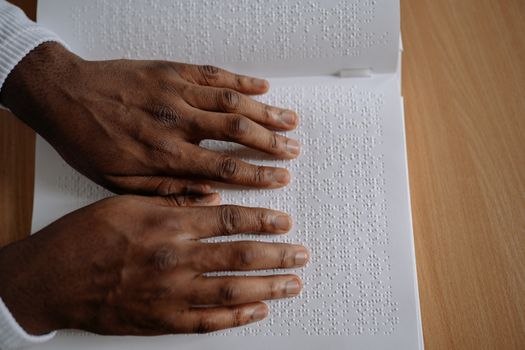
As you run your fingers over the smooth, undulating curves of Venus’s hair, the raised, textured flowers on Flora’s dress, and the sharp, geometric folds of the drapery, the visual masterpiece translates into a beautiful, tactile map. Each piece is accompanied by Braille descriptions and highly descriptive audio guides.
At the Museo dell'Opera del Duomo, you can actually touch the original, weathered marble sculptures that once adorned the exterior of the Florence Cathedral, feeling the deep chisel grooves left by Donatello himself.
Insider Pro-Tips:
- The Leather Scent-Trail: After the museum, walk to the Scuola del Cuoio (Leather School) located behind the Basilica of Santa Croce. The smell of rich, vegetable-tanned leather and natural beeswax polish hits you fifty yards before you reach the door. You can touch the raw hides, feel the different grains (calfskin vs. wild boar), and watch (and listen to) master craftsmen hammering brass rivets.
- The Campanile Vibration: Stand near the base of Giotto's Campanile (Bell Tower) at noon. Place your palms flat against the cool, inlaid marble walls. When the massive bronze bells begin to toll, the resonance vibrates through the stone and directly into your bones.
---
6. Shinrin-Yoku in the Mist: Auditory Forest Bathing in Yakushima, Japan
``` ___________________________________________________ / \ | "The moss here is so thick it swallows your | | footsteps, leaving only the sound of water." | \___________________________________________________/ ```
The Experience: Feeling the Ancient Cedars
Yakushima, a subtropical island off the southern coast of Kyushu, Japan, is a place of primeval moss forest and heavy rain. It is the birthplace of Shinrin-yoku (forest bathing), and this summer, it is trending for its highly accessible, sensory-focused wilderness trails.
The island’s forests are famous for their Yakusugi—ancient cedar trees that are over 1,000 years old. Because of the constant rainfall and high humidity, everything is blanketed in a thick, velvety layer of moss.
Walking on the specialized cedar-boardwalk trails of Yakupedia and Shiratani Unsuikyo, the sound of your footsteps is completely absorbed by the damp wood. You are left with a pristine silence broken only by the drip of water from ancient leaves, the rushing of mountain streams, and the high-pitched, musical whistle of the native Yaku sika deer.
The tactile experience here is unmatched. You can hug the massive, gnarled trunks of the cedars, feeling the deep, fibrous, resin-scented bark that has survived for millennia.
Insider Pro-Tips:
- The Moss Touch-Test: Moss on Yakushima isn't just green carpet; there are hundreds of species. Feel the difference between the soft, feather-like Hylocomium splendens and the springy, sponge-like Sphagnum moss which holds up to twenty times its weight in water.
- The Purest Water: Bring a collapsible cup. Your guide will lead you to natural spring-water spouts along the trail. The water is incredibly soft, cold, and tastes distinctly of granite and sweet moss.
---
The Budget & Logistics: Planning Your Sensory Escape
To help you plan your ultimate summer sensory journey, we’ve compiled the essential logistics, estimated costs, and transit details for these six trending destinations.
| Destination | Sensory Focus | Best Time to Visit | Est. Daily Cost ($) | How to Get There & Accessibility | | :--- | :--- | :--- | :--- | :--- | | Istanbul, Turkey | Acoustics & Tactile Stone | June or September | $80 - $150 (Moderate) | Fly to Istanbul Airport (IST). Take the Havaist airport shuttle directly to Sultanahmet. Excellent metro system with tactile paving. | | Grasse, France | Olfactory & Scent Blending | July (Lavender Season) | $200 - $350 (Premium) | Fly to Nice (NCE), then take the regional train (TER) directly to Grasse. Ateliers are a short taxi ride from the station. | | Yasuni, Ecuador | Acoustic Ecology & Nature | August (Drier month) | $250 - $400 (All-Inclusive) | Fly to Quito (UIO), take a domestic flight to Coca, then a motorized canoe ride organized by your eco-lodge. | | San Sebastián, Spain | Culinary & Tactile Tasting | July & August | $150 - $280 (Moderate-High) | Fly to Bilbao (BIO), then take the direct ALSA bus (75 mins) to San Sebastián. Highly walkable, flat city center. | | Florence, Italy | Tactile Art & Leather | June | $180 - $320 (Premium) | Fly to Florence (FLR) or take the Frecciarossa high-speed train from Rome. Historic center is cobblestoned but highly compact. | | Yakushima, Japan | Auditory Forest Bathing | June (Post-rainy season) | $150 - $250 (Moderate) | Fly to Kagoshima (KOJ), then take the Toppy high-speed hydrofoil ferry (1 hr 45 mins) to Yakushima. |
---
The Final Note: Travel is More Than Sight
We live in a world that is visually saturated. But the most profound travel memories aren't the ones we look at; they are the ones that touch us, sing to us, and linger in our noses long after we’ve returned home.
This summer, close your eyes. Listen to the world. Feel its texture. Let the journey begin.
---
More pictures




Tags
Share this guide
We may earn a commission if you click a link and buy a product or service, at no extra cost to you. How affiliate links work.
Been there?