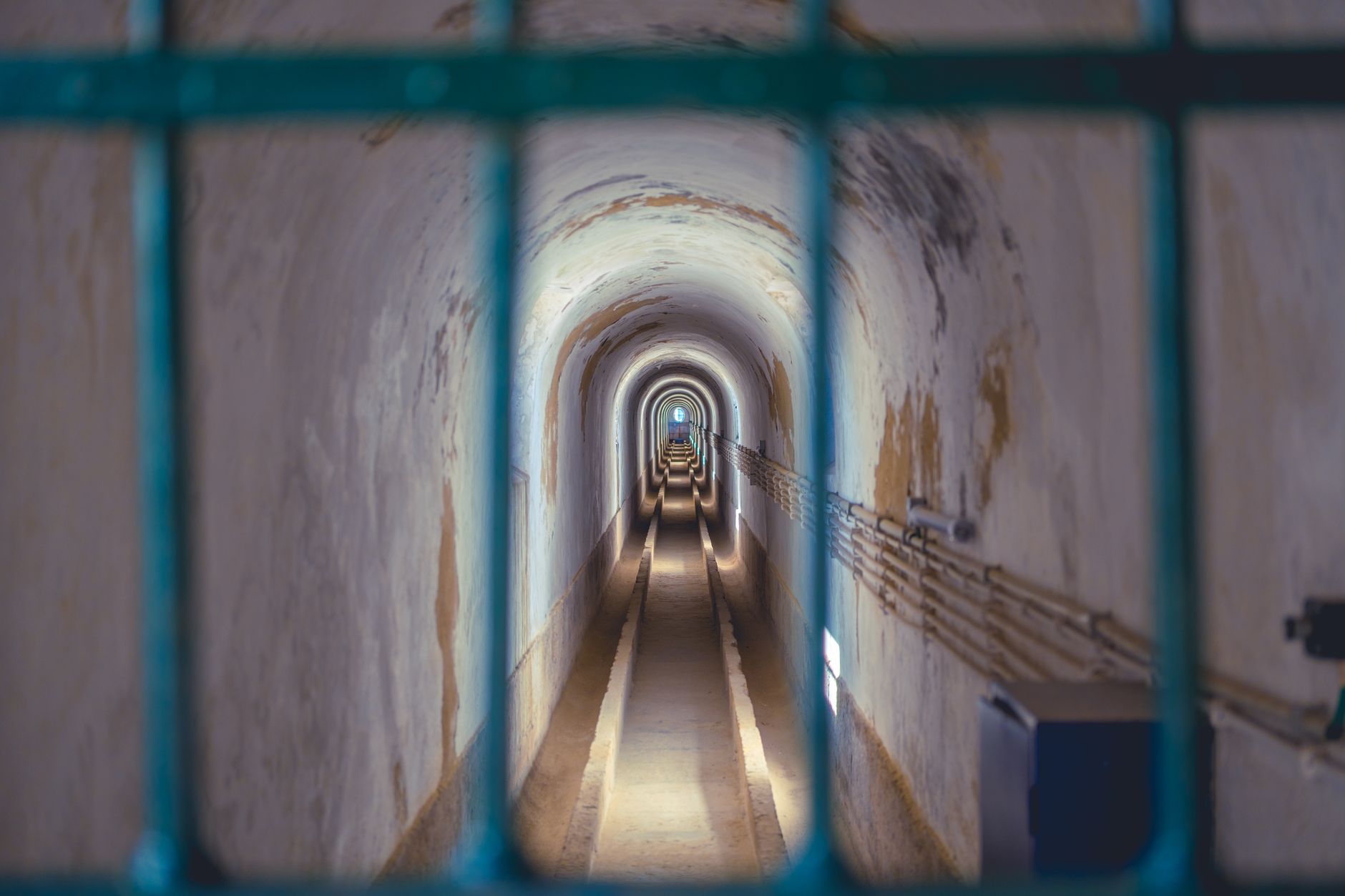
Forget the crowded landmarks; true adventure lies beneath your feet. This isn't just about ancient ruins, but about unlocking the guarded secrets of famous cities – a network of tunnels, crypts, and forgotten passages that locals often keep to themselves. Get ready to dive deep into history that few ever see. ---
Unearthing the Unknown: My Obsession with the Secret Tunnels Beneath Famous Cities
I remember standing on a bustling Roman street, the sun beating down, tourists jostling for photos of the Colosseum, and feeling... utterly disconnected. Don't get me wrong, the Colosseum is magnificent, but something in me yearned for more. I wanted to feel the pulse of history, not just observe its grand monuments. Later that day, after a serendipitous conversation with a local shopkeeper who saw the genuine curiosity in my eyes, I found myself descending into a dimly lit, ancient Roman apartment complex buried 30 feet beneath a modern street. The air grew cool, the sounds of the city faded, and suddenly, I was immersed in a world forgotten, a secret whispered through centuries. My heart pounded with the thrill of discovery – this was the real Rome, the one locals know, the one they often don't want tourists to overrun.
That moment ignited an obsession: the secret tunnels, forgotten crypts, and hidden passages that lie beneath some of the world's most iconic cities. This isn't just about escaping the crowds; it's about connecting with a city's true soul, its layered past, and the whispers of lives long gone. It's about finding the adventure that lies literally beneath your feet, often guarded by the very locals who call these places home. If you're tired of the same old guidebook tours and crave a travel experience that feels genuinely unique, buckle up. We're going underground.
The Lure of the Labyrinth: Why Go Below the Surface?
There's something inherently captivating about the subterranean. It’s a journey into the unknown, a step away from the familiar world into a realm of mystery and history. Above ground, cities buzz with modern life, but below, time often stands still. You might find perfectly preserved Roman roads, medieval dungeons, or even forgotten bunkers from more recent conflicts.
For me, the draw is multifaceted:
- Escaping the Crowds: This is perhaps the most immediate benefit. While some underground sites are popular, many of the truly secret ones offer an intimate, often solitary, experience.
- Unveiling Hidden History: Guidebooks touch the surface. Going underground is like peeling back layers of an onion, revealing strata of civilizations, forgotten stories, and ancient ways of life.
- A Sense of Discovery: There’s an unparalleled thrill in finding something most people walk right over. It feels like you’ve been let in on a secret, a privileged glimpse into a city’s true depths.
- Cool Factor & Instagram Gold (if you dare): Let's be honest, exploring a hidden tunnel is undeniably cool. And while lighting can be challenging, the eerie beauty, the ancient textures, and the sheer uniqueness of these spaces make for incredibly compelling, shareable content – if you can capture it. Just remember, sometimes the best memories are the ones you keep in your mind's eye.
Paris's Veins and Bones: Beyond the Tourist Catacombs
Everyone knows about the official Paris Catacombs – the ossuary where millions of Parisian bones are artfully arranged. It's an incredible experience, no doubt, but it's also a well-oiled tourist machine. But what if I told you there's another, far more extensive, and largely illegal network of tunnels beneath Paris, known to an exclusive community of "cataphiles"?
I first heard whispers of this clandestine world from a local artist I met in a smoky Montmartre bar. He spoke of secret entrances hidden in plain sight, of miles of ancient quarry tunnels, some decorated with incredible urban art, others leading to forgotten bunkers or even underground cinemas. "It's not for tourists," he warned with a glint in his eye, "You need to know someone, and you need to be respectful."
While I strongly advise against attempting illegal entry (it's dangerous and you can face hefty fines), understanding this culture gives you a deeper appreciation for the city's relationship with its underworld. For a legal, yet equally fascinating, glimpse into Paris's hidden veins, consider visiting the Musée des Égouts de Paris (Paris Sewer Museum). It might sound unconventional, but walking through active 19th-century sewers offers an astonishing perspective on urban engineering and the lifeblood of the city. You'll see massive pipes, learn about the city's sanitation history, and truly understand how Paris functions beneath its elegant facade. It’s a surprisingly clean, well-maintained, and utterly unique experience. Entry is around €4.50, check their website for current opening hours. It's not a secret tunnel in the traditional sense, but it opens your mind to the vastness below.
Rome's Subterranean Echoes: Layers of History You Can Touch
Rome is a city built on layers, literally. Every time you dig, you find another civilization. While the Roman Forum and Palatine Hill show you the grandeur, it's the underground sites that reveal the intimate, daily life of ancient Romans.
My most profound Roman subterranean experience wasn't in a famous catacomb, but beneath the Basilica di San Clemente. From the modern basilica, you descend through a 4th-century church, then further down into a 1st-century Roman house, and finally, into a 2nd-century Mithraic temple, complete with altar and cult symbols. It’s like time travel, each layer a distinct historical epoch, perfectly preserved. I remember standing in the Mithraic temple, the air heavy with centuries of incense and ritual, and hearing the faint trickle of an underground stream – probably the very same one that flowed when these walls were first built. It was an incredibly humbling experience. Entry is about €10. Photography is often restricted, but the memory is priceless.
To truly uncover Rome's secrets, look for smaller, less-advertised tours. Many churches sit atop ancient crypts or catacombs that are only accessible by special appointment or through local historical groups. Ask your hotel concierge, a local tour guide, or even a friendly waiter if they know of any "underground experiences" beyond the usual. You might just find yourself exploring a forgotten gladiatorial school or a private section of the Domus Aurea (Nero's Golden House) not open to the general public.
Edinburgh's Shadowy Past: Closes, Vaults, and Ghostly Whispers
Edinburgh, with its narrow closes and towering tenements, feels like a city designed for secrets. Above ground, the Royal Mile buzzes, but step into one of the many closes (narrow alleyways) and you’re transported. It’s beneath these closes, and the majestic South Bridge, that Edinburgh truly reveals its darker, hidden self.
Most tourists know about Mary King's Close, an incredible underground street frozen in time, where stories of plague and poverty linger. It’s a fantastic, well-run tour that gives you a taste of Edinburgh's subterranean life. Tickets are around £21 and book up fast. But the real secret isn't Mary King's itself, but what it represents: a gateway to understanding the vast network of vaults and tunnels that riddle the city.
My own adventure took me to the Edinburgh Vaults, a series of chambers beneath the South Bridge. While these are also accessible via tours, I managed to join a smaller, more historically focused group led by a passionate local historian. He didn't just tell ghost stories; he described the lives of the poor and destitute who lived there, the illicit businesses, and the chilling tales of Burke and Hare. The air was damp, the stone walls seemed to absorb all light, and the sense of history was palpable. He pointed out bricked-up passages, hinting at even deeper, uncharted territories known only to a select few urban explorers. "There are entire forgotten rooms down here," he whispered, "full of secrets the city has tried to bury."
To find these lesser-known experiences, look for independent ghost tours that focus more on history than jump scares, or seek out local historical societies. Sometimes, simply wandering down a less-trodden close and looking for an unassuming door can lead to unexpected discoveries.
Naples' Hidden Depths: A City Built on Voids
Naples is a city of vibrant chaos above ground, but below, it's a labyrinth of ancient aqueducts, Greek hypogea, Roman markets, and Bourbon-era tunnels. The sheer scale of its underground network is mind-boggling, truly earning its moniker "the city built on voids."
The most famous underground attraction is Napoli Sotterranea, and for good reason. It’s an incredible journey through Greek-Roman aqueducts, air-raid shelters from WWII, and even a Roman theatre accessible through a trapdoor in a private home. I remember squeezing through a narrow passage, lit only by a single candle, feeling the cool, damp air on my face, and imagining the thousands of years of human endeavor that shaped these spaces. It's an absolutely essential experience. Tours are frequent, around €10-€15.
But beyond the main tours, there are other incredible underground sites. The Bourbon Tunnel (Galleria Borbonica) is another must-see, a massive emergency escape route built for King Ferdinand II, later used as a military hospital and even a judicial deposit. It’s a fascinating, almost eerie journey through 19th and 20th-century history. Tickets are around €10.
The real local secrets, however, lie in the vast, sometimes unstable, network of ancient quarries and underground passages that are still being discovered. I once heard a story from a Neapolitan friend about how his grandfather used to access a hidden grotto beneath their apartment building, a space they believed was once part of an ancient Roman villa. These are the kinds of secrets you don't find in guidebooks. Your best bet for uncovering these truly hidden gems is to strike up conversations with elderly locals, especially in the historic center. They often hold the keys to stories and locations passed down through generations.
Istanbul's Watery Secrets: Beyond the Basilica
Istanbul, a city straddling two continents, is famed for its grand mosques, vibrant bazaars, and the glistening Bosphorus. But beneath its bustling streets lies a network of ancient cisterns, some grand and well-known, others forgotten and slowly crumbling.
The Basilica Cistern (Yerebatan Sarnıcı) is a breathtaking subterranean marvel, famous for its Medusa heads and atmospheric lighting. It’s a must-visit, a truly Instagram-worthy spot, and one of the largest ancient cisterns in the city. Entry is around 600 TL (approx. €20), but check current prices as they fluctuate. I remember the sheer scale of the place, the reflection of the columns in the shallow water, and the hushed reverence of the crowd. It felt like stepping into another world.
However, Istanbul boasts hundreds of other, smaller cisterns, many of which are completely unknown to tourists. Some are beneath private properties, others are simply abandoned. I once stumbled upon a tiny, unassuming mosque near the Grand Bazaar. After prayer, an elderly gentleman noticed my interest in the building's age. With a smile and a few broken English words, he led me to a small, barely noticeable door in a back courtyard. Down a flight of stone steps, we entered a small, unlit cistern, its brick arches still intact, the air cool and silent. It wasn't grand like the Basilica Cistern, but it was real, a raw piece of history preserved by chance and cared for by the local community. It felt like I had been shown a truly sacred secret.
To find these smaller wonders, keep your eyes open. Look for small, often unmarked, openings near ancient structures. Engage with locals, especially shopkeepers or residents in older neighborhoods. They might not speak perfect English, but a genuine smile and a gesture of curiosity can often lead to unexpected discoveries.
How to Become a Subterranean Explorer (Responsibly)
The allure of these hidden worlds is undeniable, but it's crucial to approach subterranean exploration with respect, responsibility, and safety in mind. Remember, the "locals don't want tourists to know" aspect often stems from a desire to preserve these delicate sites, prevent overcrowding, and ensure safety.
Here’s my actionable advice for uncovering a city's hidden depths:
- Start with the "Gateway" Sites: Visit the well-known underground attractions first (e.g., official Catacombs, Napoli Sotterranea, Basilica Cistern). These will give you context, safety guidelines, and often provide clues or references to lesser-known areas.
- Seek Out Specialist Tours: Look beyond the big tour operators. Search for "off-the-beaten-path underground tours," "historical societies," or "urban exploration groups" (though be cautious with the latter, ensure they are legal and safe). Many cities have passionate local historians who run small, intimate tours.
- Engage with Locals (Respectfully): This is perhaps the most effective, yet delicate, strategy. Strike up genuine conversations. Show sincere interest in a city's history beyond the main attractions. Ask older residents, shopkeepers, or even bartenders if they know of any "hidden places" or "old stories" about what lies beneath. Don't demand information; let curiosity guide the conversation. A genuine smile and respectful demeanor go a long way.
- Do Your Research (Deep Dive): Before you go, read obscure history books, academic papers, or local blogs about a city's archaeology. Sometimes, the clues to forgotten tunnels are hidden in plain sight in historical records.
- Look for Unassuming Entrances: Keep an eye out for small, often overlooked doors, grates, or archways in old neighborhoods. Sometimes, a seemingly ordinary building might have a fascinating secret beneath.
- Safety First, Always:
- Never enter unmarked or restricted areas. Many tunnels are unstable, unventilated, or simply dangerous.
- Go with a reputable guide. If you find a private tour or local contact, ensure they are knowledgeable and prioritize safety.
- Bring a reliable light source. Many underground areas are poorly lit.
- Wear appropriate footwear and clothing. Expect uneven surfaces, dampness, and cooler temperatures.
- Inform someone of your plans. Let a friend or hotel staff know where you're going and when you expect to return.
- Respect the Space: These are often ancient, fragile, and sometimes sacred spaces. Do not litter, vandalize, or take souvenirs. Leave no trace.
- Be Prepared for Disappointment: Not every lead will pan out. Some "secrets" might be exaggerated, inaccessible, or simply no longer exist. The joy is in the hunt!
The Unseen City Awaits
Exploring the secret tunnels beneath famous cities isn't just a trip; it's an archaeological expedition into the heart of human history. It’s about feeling the cool breath of centuries on your skin, hearing the echoes of forgotten footsteps, and connecting with a city in a way few tourists ever do. These hidden realms are waiting for the intrepid traveler, the one willing to look beyond the obvious and delve into the mysterious depths.
So, next time you're planning a trip, remember: the greatest adventures aren't always found on the surface. Sometimes, the most profound discoveries are made when you dare to go down, down, down.
Which city's underground secrets are you most eager to explore? Share your thoughts and any hidden gems you’ve discovered in the comments below! And don't forget to share this post with your fellow adventurers!
---
More pictures


Tags
Share this guide
We may earn a commission if you click a link and buy a product or service, at no extra cost to you. How affiliate links work.
Been there?