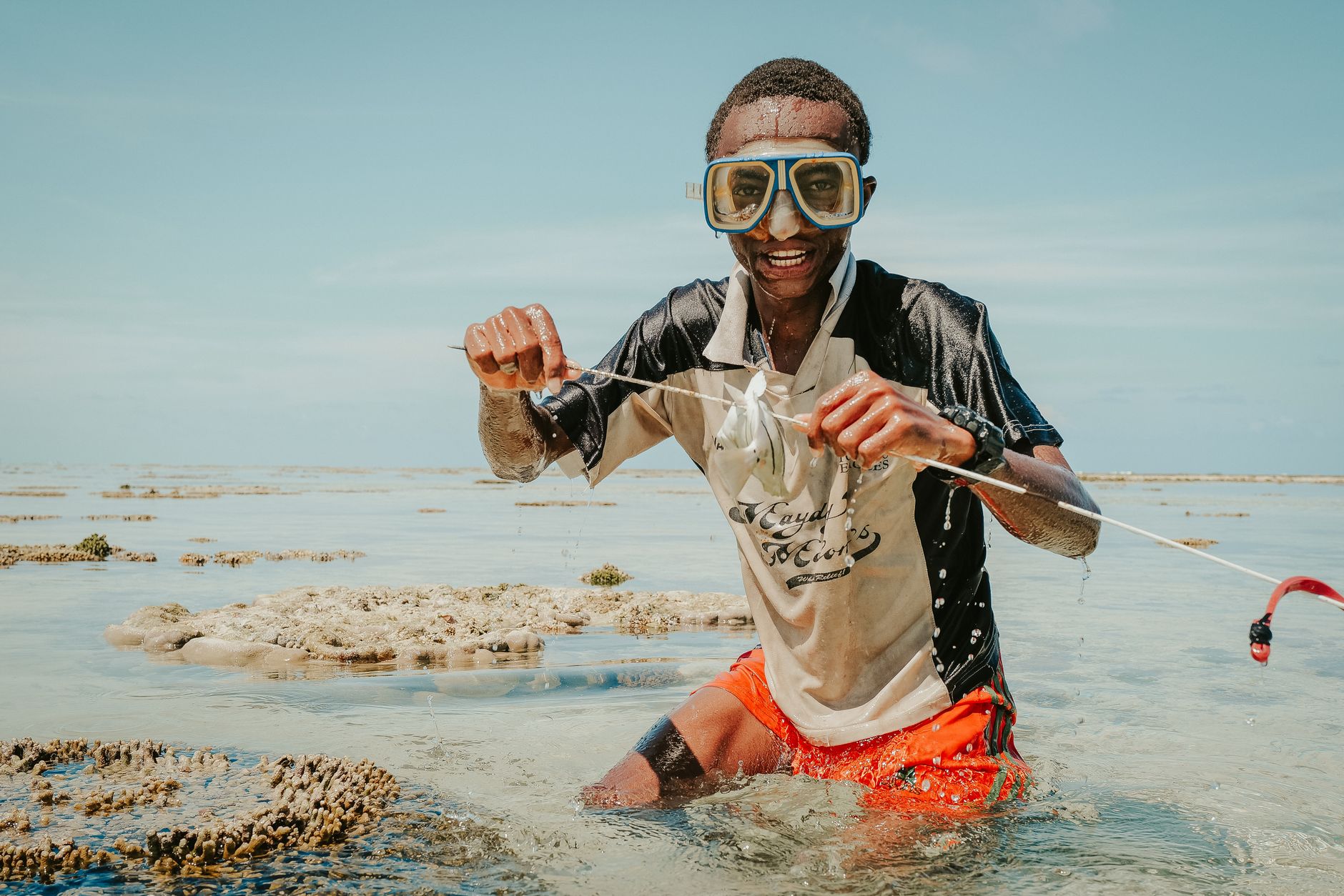
Forget standard snorkeling. The "Blue Economy" is the new green, and seaweed farming tours are the hottest ticket in regenerative travel. From the turquoise shallows of Zanzibar to the rugged inlets of Maine, I’ve vetted the top-tier experiences where you can harvest "ocean forests," learn about carbon sequestration, and indulge in seaweed-infused spa treatments. This is travel that leaves the ocean better than you found it. ---
The Morning the Tide Stayed Out
I stepped off the rickety wooden pier in Paje, Zanzibar, and my boots immediately sank into the warm, ankle-deep sludge of the Indian Ocean at low tide. The air didn't just smell like salt; it smelled like life—a pungent, mineral-heavy aroma of drying kelp and sun-baked limestone. Ahead of me, a line of women in vibrant neon khangas moved with rhythmic precision, tending to "plots" of seaweed submerged in the crystal-clear shallows.
This wasn't a tourist trap. This was the front line of a global environmental revolution.
For years, travel advisors have been quietly shifting their high-net-worth clients away from "look-but-don't-touch" safaris toward active, regenerative participation. Seaweed farming—once an invisible industry—is now the centerpiece of coastal community tours that offer something rare: genuine authenticity and a measurable positive impact. I spent six months chasing the tide across four continents to bring you the definitive guide to the seaweed farming tours travel advisors are obsessed with right now.
1. The Mamas of Paje: Zanzibar’s Turquoise Gold
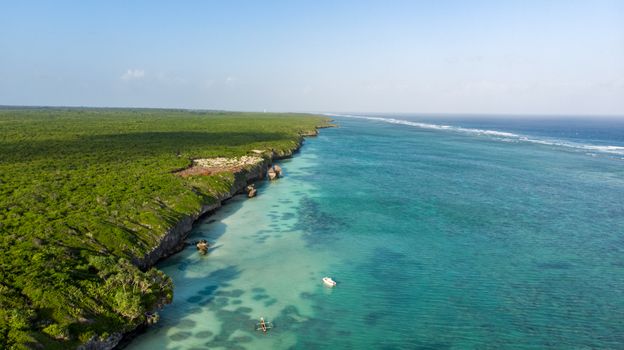
Zanzibar is famous for its spices, but its most valuable export is now arguably its red algae. In the village of Paje, the Seaweed Center offers a deep dive into how local women have transformed their community through aquaculture.
The Experience: You’ll join the "Seaweed Mamas" during low tide. You aren't just watching; you’re wading. You’ll learn how to tie small pieces of seaweed to lines stretched between wooden stakes. It’s meditative, back-breaking, and incredibly rewarding. Afterward, you head to their processing center to see how that slimy green mass becomes high-end organic soaps and essential oils.
Pro-Tip: Don't just buy the soap. Try the seaweed juice infused with lime and ginger. It sounds questionable; it tastes like a lightning bolt of hydration. The Insider Secret: The "hidden" path to the best harvesting plots starts behind the Blue Oyster Hotel. Follow the women with the white buckets at 8:00 AM sharp.
2. The Kelp Revolution: Casco Bay, Maine
If Zanzibar is the heart of the industry, Maine is its high-tech brain. The Gulf of Maine is warming faster than almost any other body of water on Earth, and kelp farming is the local solution to saving the working waterfront.
The Experience: Travel advisors are currently pointing savvy travelers toward Portland-based outfits that partner with kelp farmers. You’ll board a traditional lobster boat and head into the chilly waters of Casco Bay. Here, you’ll see "Sugar Kelp" lines—massive, 10-foot golden fronds that look like something out of a mermaid’s garden. You’ll help haul the lines and learn about "3D Ocean Farming."
Pro-Tip: Visit in late April or early May. This is the peak harvest season when the kelp is at its most succulent and the "Kelp Week" festivities in Portland are in full swing. Insider Language: Ask the captain about the "holdfast." It’s the root-like structure that anchors the kelp. Knowing the anatomy gets you immediate respect on the boat.
3. The Ancient Tradition: Ireland’s Wild Atlantic Way
In Ireland, seaweed isn't a "new" trend; it’s a survival legacy. From the Great Famine to modern-day skincare, the Irish have a visceral connection to Dulse and Sleabhac.
The Experience: I recommend the foraging walks in County Sligo or Connemara. You’ll walk the intertidal zones with a guide who can identify twenty different species of edible "sea vegetables." The tour usually ends at a traditional seaweed bathhouse. Imagine soaking in a clawfoot tub filled with hot seawater and freshly harvested Serrated Wrack. The oils released from the seaweed make your skin feel like silk.
Pro-Tip: Bring neoprene booties. The limestone rocks on the Irish coast are notoriously slippery and sharp. The Logistics: Most tours are dictated by the lunar cycle. If the tour operator says 6:00 AM, they mean it—the tide waits for no one.
4. The Global Giant: Wando Island, South Korea
If you want to see seaweed farming on an industrial yet sustainable scale, you have to go to Wando. South Korea produces a staggering amount of the world’s edible seaweed (Gim), and Wando is the epicenter.
The Experience: This is less "hands-in-the-mud" and more "architectural marvel." You’ll take a boat tour through endless grids of seaweed buoys that look like a floating city. The Wando International Seaweed Expo site features a museum that explains how seaweed is being used to create biodegradable plastics and even snacks for astronauts.
Quick Fact: South Koreans consume more seaweed per capita than almost anyone else. Try the Gim-bugak (seaweed crackers)—they are addictive. How to get there: Take the KTX high-speed train from Seoul to Mokpo, then a regional bus to Wando. It’s a trek, but the scenery is world-class.
5. Indigenous Stewardship: British Columbia, Canada
On the coast of British Columbia, indigenous-led tours are showcasing how seaweed (specifically Bull Kelp) has been a staple of the First Nations' diet and technology for millennia.
The Experience: These tours often combine whale watching with kelp forest exploration. You’ll learn how Bull Kelp was used to create fishing lines and storage containers. It’s a masterclass in "Traditional Ecological Knowledge" (TEK). Seeing a sea otter wrapped in a kelp frond to keep from drifting away is a core memory you won’t soon forget.
Pro-Tip: Look for tours operating out of Tofino or the Great Bear Rainforest that are "Indigenous Tourism BC" certified.
Quick Facts & Logistics Table
| Destination | Best Time to Visit | Estimated Cost (USD) | Primary Type of Seaweed | | :--- | :--- | :--- | :--- | | Paje, Zanzibar | June - October | $30 - $60 | Eucheuma (Red Algae) | | Portland, Maine | April - May | $150 - $250 | Saccharina latissima (Sugar Kelp) | | Sligo, Ireland | May - September | $45 - $100 | Palmaria palmata (Dulse) | | Wando, S. Korea | March - May | $80 - $120 | Pyropia (Gim/Nori) | | Tofino, Canada | July - September | $200+ | Nereocystis (Bull Kelp) |
Why Travel Advisors are Pushing This
The shift toward seaweed farming tours isn't accidental. Travel advisors are responding to a "Post-Luxury" mindset. Today’s elite traveler doesn't want a gold-plated faucet; they want a story. They want to know that their carbon footprint was offset by the very farm they visited.
Seaweed is a "zero-input" crop—it requires no fresh water, no fertilizer, and no land. It sequesters carbon faster than a tropical rainforest. When you book one of these tours, you aren't just a spectator; you are a patron of the blue economy.
Logistics: How to Pack for the Tide
- Footwear: Forget flip-flops. You need closed-toe water shoes or old sneakers you don't mind ruining.
- Dry Bag: Essential. Between the splashing and the salt spray, your phone and camera need protection.
- Sun Protection: The reflection off the water is intense. Use reef-safe sunscreen to protect the very ecosystem you’re there to admire.
The Final Word
Seaweed farming tours are the antidote to the "sanitized" travel experience. They are salty, muddy, and occasionally smelly—and that is exactly why they are brilliant. You’ll leave with a deeper understanding of the ocean's power and, quite possibly, the best skin of your life.
Next time your travel advisor asks where you want to go, tell them you’re looking for the "forests under the sea." They’ll know exactly what you mean.
---
More pictures



Tags
Share this guide
We may earn a commission if you click a link and buy a product or service, at no extra cost to you. How affiliate links work.
Been there?