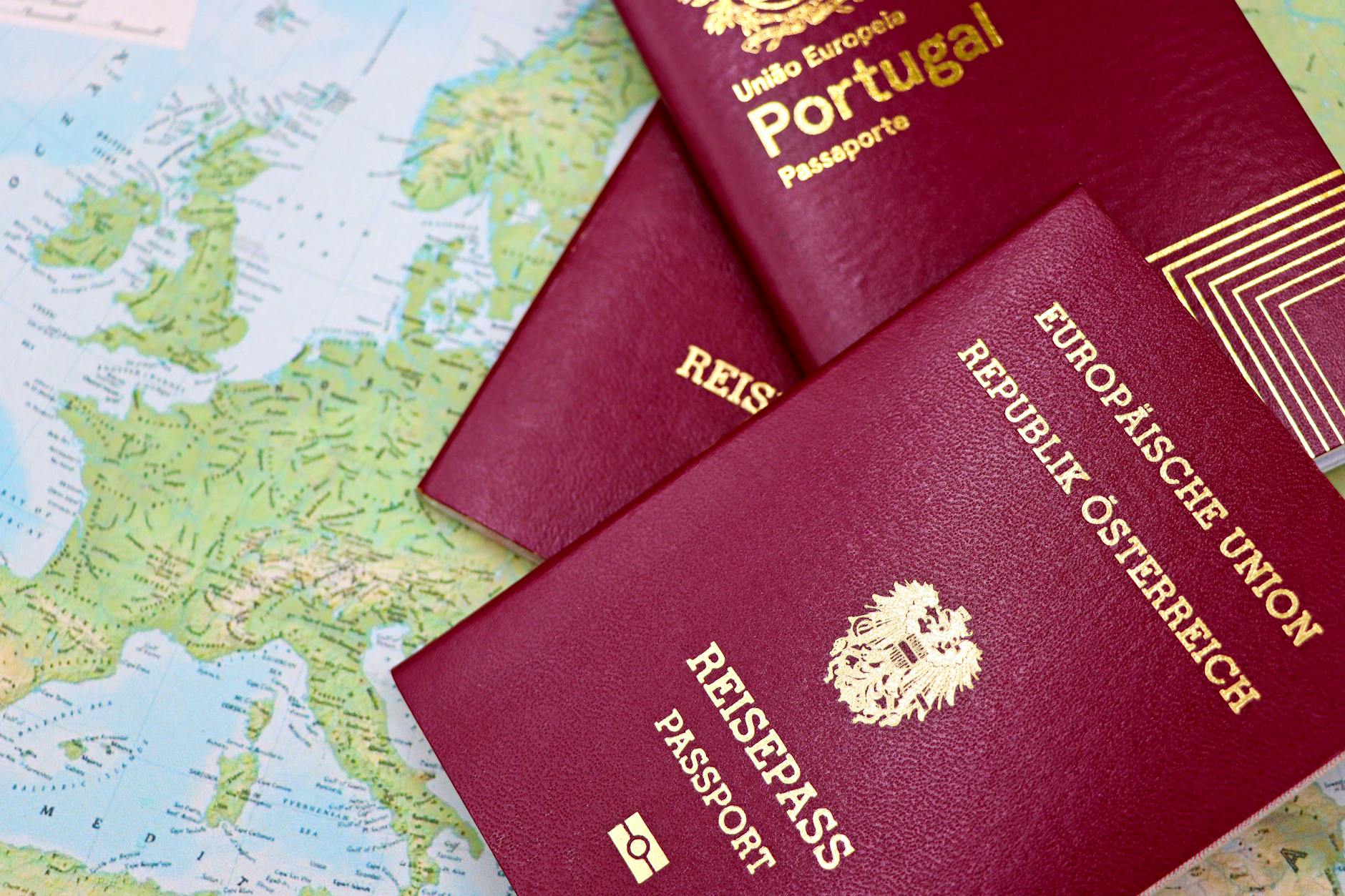
The era of "one country, one visa" is dying. From the "Middle East Schengen" to the expansion of the European frontier, global alliances are streamlining borders to lure high-spending travelers and digital nomads. This guide breaks down the massive geopolitical shifts that will allow you to cross multiple borders with a single document—and the tech hurdles you’ll need to clear first. ---
The Ghost of Borders Past
I stepped off the night train at the Giurgiu-Ruse border, the smell of diesel and damp earth hanging heavy in the Balkan air. For years, this crossing between Romania and Bulgaria was a bottleneck of flashlights, stern faces, and the rhythmic thwack of physical stamps hitting passport pages. It was a friction point that felt out of sync with the modern world.
But as I stood there recently, the atmosphere had shifted. The "iron curtain" of bureaucracy is finally being pulled back. This year, the map is being redrawn—not by conquest, but by cooperation. We are entering the age of the "Super-Visa," where regional alliances are realizing that friction is the enemy of profit. If you’ve spent the last decade juggling individual embassy appointments, take a breath. The rules of the game just changed.
1. The "Grand Salaam": The GCC Unified Tourist Visa
The most seismic shift in global travel is happening in the Gulf. For decades, hopping from Dubai to Riyadh to Muscat meant three different visa processes, three different fees, and a mountain of paperwork. No more.
The Gulf Cooperation Council (GCC)—comprising the UAE, Saudi Arabia, Qatar, Bahrain, Kuwait, and Oman—has officially greenlit a Unified Tourist Visa. Think of it as the "Middle East Schengen."
Why it matters: This alliance allows you to spend 30+ days exploring the futuristic skyline of Doha, the ancient Nabataean tombs of Hegra in Saudi, and the turquoise fjords of Musandam in Oman on a single entry permit. It’s a move designed to turn the region into a multi-stop destination rather than a collection of transit hubs.
- Insider Insight: The infrastructure is rolling out through 2024. Expect the visa to be linked to your biometric profile, meaning iris scans will replace the need for physical stickers at most major airports like DXB and DOH.
2. The Schengen Expansion: Romania and Bulgaria Enter the Fold
After a decade in the waiting room, Romania and Bulgaria have officially joined the Schengen Area by air and sea. While land borders are still undergoing negotiations, the "Air Schengen" status is a massive win for travelers.
The Reality Check: You can now fly from Paris to Bucharest or sail from Athens to Varna without showing your passport to a border officer. This integrates two of Europe's most affordable and culturally rich nations into the world's largest free-travel zone.
- Pro-Tip: Visit the Rila Monastery in Bulgaria or the Transfăgărășan Highway in Romania now. Once the land borders fully open (expected late 2024 or 2025), the influx of European road-trippers will drive prices up and serenity down.
3. The ASEAN "Six-Country" Ambition
Thailand is currently spearheading a bold initiative that sounds like a traveler's fever dream: a single visa for Thailand, Vietnam, Cambodia, Laos, Malaysia, and Myanmar.
While the full "Schengen-style" integration is still in the diplomatic oven, bilateral agreements are already exploding. Thailand has already waived visas for Chinese and Indian citizens, and Vietnam has extended its e-visa duration to 90 days for almost all nationalities.
The Strategy: The alliance aims to capture the "long-stay" market. They want you to spend three months wandering from the limestone karsts of Ha Long Bay to the street food stalls of Penang without worrying about a "visa run."
4. The Digital Nomad Gold Rush: Japan and South Korea
The alliance here isn't between countries, but between governments and the "laptop class." Japan and South Korea have both launched specialized visas this year to capture the remote work revolution.
- Japan’s J-Find & Digital Nomad Visa: Targeted at high-earning remote workers and graduates from top-tier universities. It allows for a 6-month stay—perfect for witnessing both the cherry blossoms and the autumn leaves.
- South Korea’s Workation (H-1) & K-Culture Visa: Specifically designed for those who want to immerse themselves in the Hallyu wave while working remotely.
Authenticity Note: Don't just stay in Tokyo or Seoul. With these longer-term alliances, head to Fukuoka for the best tonkotsu ramen of your life or Gyeongju to see the "museum without walls."
5. The KAZA Univisa: Southern Africa’s Safari Shortcut
The Southern African Development Community (SADC) is finally gaining momentum with the KAZA Univisa. Currently covering Zambia and Zimbabwe (including the full Victoria Falls experience), the alliance is expanding to include Botswana, Namibia, and Angola.
The Logistics: Instead of paying $50 at every single river crossing, the Univisa ($50 total) covers multiple entries between the participating nations.
- Hidden Entrance: When visiting Victoria Falls, use the "hidden" path behind the Victoria Falls Hotel to reach the bridge. It’s a majestic, quiet walk that avoids the main tourist gauntlet and offers the best view of the spray.
6. The Digital Gatekeepers: ETIAS and the UK ETA
It’s not all "open sesame." The alliance of Western nations is moving toward Electronic Travel Authorizations (ETA).
- UK ETA: Now required for many non-visa nationals. It’s a £10 digital link to your passport.
- EU ETIAS: Slated for a late 2024/early 2025 rollout. It’s a €7 fee for a 3-year authorization.
The Catch: These aren't visas, but they are mandatory. If you show up at Heathrow or Charles de Gaulle without the digital approval, you aren't getting in. Period.
Quick Facts: The 2024 Alliance Cheat Sheet
| Alliance/Visa | Countries Included | Estimated Cost | Best Time to Visit | How to Get There | | :--- | :--- | :--- | :--- | :--- | | GCC Unified | UAE, Saudi, Qatar, Oman, etc. | ~$100 (Est.) | Nov - March | Fly into DXB or DOH | | Schengen (New) | Romania, Bulgaria | Included in Schengen | May - Sept | Fly into OTP (Bucharest) | | KAZA Univisa | Zambia, Zimbabwe, Botswana (Exp) | $50 | July - Oct | Fly into VFA (Vic Falls) | | Japan Nomad | Japan | ~$20 (Visa fee) | April or October | Fly into NRT or HND | | UK ETA | United Kingdom | £10 | June - August | Fly into LHR or LGW |
The Logistics of a Borderless World
Navigating these new alliances requires a shift in how you pack and plan.
1. The "Digital Vault": Since most of these new requirements (especially ETIAS and the GCC visa) are digital, keep a cloud-based folder with your biometric passport scan, proof of income (for nomad visas), and a digital copy of your travel insurance. 2. Timing is Everything: For the GCC, avoid the blistering heat of July (50°C/122°F). Aim for the "shoulder months" of October and April when the desert air is crisp but the sea is still warm. 3. The "Hidden" Costs: While the visas are getting cheaper/unified, many countries are introducing "Tourist Taxes" (like Venice or Bali). Always keep $20-30 in local cash for these unexpected municipal fees.
Final Thoughts: The Death of the Passport Stamp
As a travel journalist, I mourn the loss of the physical ink stamp—the colorful, messy proof of a life well-lived. But as a traveler, I celebrate the end of the "Border Anxiety." These new alliances represent a world that is finally realizing we are better connected than divided.
Whether you are chasing the neon lights of Osaka or the red sands of Wadi Rum, the path has never been clearer. The world is opening up. Are you ready to walk through?
---
More pictures


Tags
Share this guide
We may earn a commission if you click a link and buy a product or service, at no extra cost to you. How affiliate links work.
Been there?