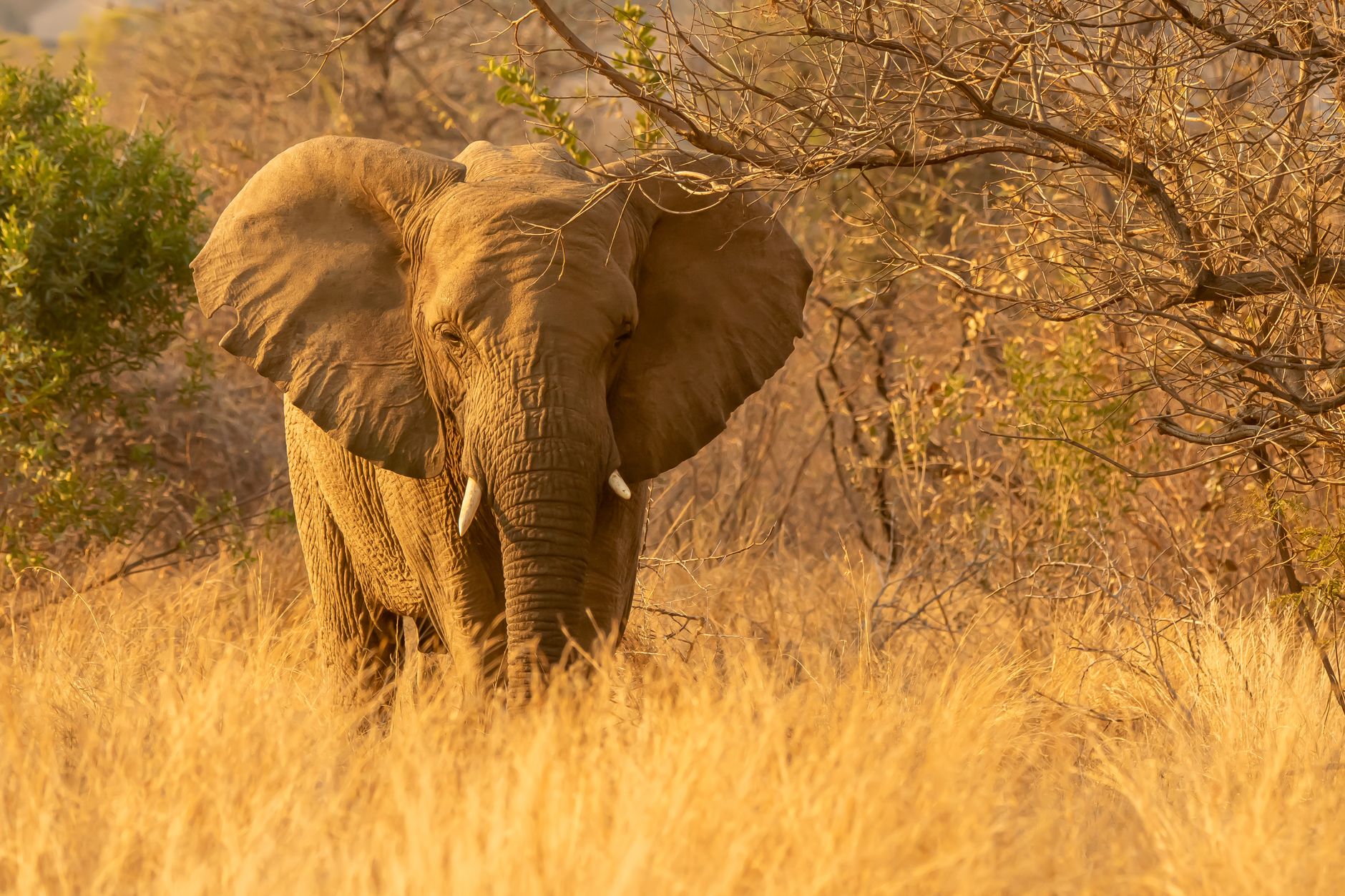
Tired of paying $1,200 a night to share a single cheetah sighting with twenty diesel-fuming minivans in the Masai Mara? Top wildlife photographers and bush guides are quietly shifting their focus elsewhere. This definitive guide breaks down the five jaw-dropping, uncrowded, and surprisingly affordable African safari destinations that beat Kenya on authenticity, wildlife density, and raw adventure. ---
The Reality Check: Why Africa’s Safari Elite Are Moving Beyond Kenya
I stepped off the doors of a dusty Toyota Land Cruiser in the Masai Mara three years ago, expectant and thrilled. Instead of pristine wilderness, I found eight white minivans parked in a chaotic ring around a visibly stressed mother cheetah and her two cubs. Engine fumes choked out the smell of wild sage; radio chatter in four languages drowned out the rustle of the savannah grass.
Kenya will always hold a legendary place in safari history. The Masai Mara and Amboseli are iconic. But popularity comes at a steep price: spiraling park fees, severe vehicle congestion, strict off-roading penalties that keep you on worn dirt highways, and luxury lodges charging eye-watering rates for a homogenized tourist experience.
If you want the soul-stirring, goosebump-inducing Africa featured in vintage natural history documentaries, you need to go where the top wildlife photojournalists and seasoned private guides are actually booking their private trips.
Here are five safari destinations that outclass Kenya in intimacy, landscape diversity, and sheer raw excitement—without the tourist circus.
---
1. South Luangwa National Park, Zambia: The Birthplace of the Pure Walking Safari
If Kenya is a high-budget theatrical production, South Luangwa is raw, unplugged acoustic music. Located in eastern Zambia, this river valley is home to one of the highest concentrations of wildlife on the continent, anchored by the meandering Luangwa River.
Why It Beats Kenya
In Kenya, staying inside the vehicle is strictly enforced in almost all major reserves. In South Luangwa, you track big game on foot. Walking through the tall yellow grass alongside an armed ranger and a top-tier Zambian guide—learning to read leopard tracks in the sand, smelling crushed wild sage, and listening to the alarm call of a puku—is an intoxicating rush that no safari vehicle can duplicate.
Furthermore, South Luangwa allows night drives using night-filtered spotlights, a practice banned in most Kenyan national parks. This opens up an extraordinary world of nocturnal predators: leopards stalking impalas, civets foraging in the underbrush, and packs of wild dogs returning from a dusk hunt.
- The Vibe: Authentic, adrenaline-charged, deeply educational.
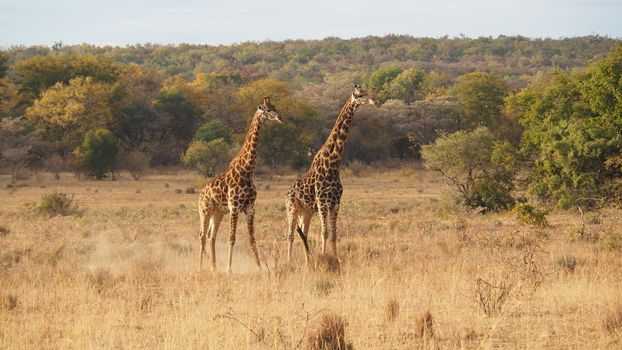
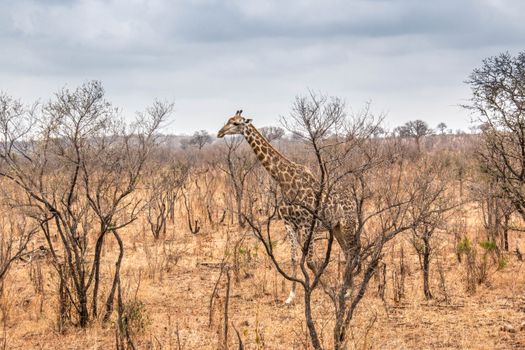
- Key Wildlife: Leopards (South Luangwa has the highest density in Southern Africa), Thornicroft’s giraffes, Crawshay’s zebras, massive hippopotamus pods.
> PRO-TIP: Book a 3-night fly-camping trek with a local operation based out of Mfuwe. You will walk between eco-camps and sleep under a mosquito net on a dry sandbank in the middle of the riverbed, watching the stars while lions roar across the channel. Bring a thermal base layer—desert riverbeds freeze at night!
---
2. Ruaha National Park, Tanzania: The Secret Big Cat Kingdom
While most travelers flock north to Tanzania’s Serengeti (which suffers from the same overcrowding as Kenya’s Mara), smart travelers head south to Ruaha National Park. Covering over 20,000 square kilometers, it is one of East Africa’s largest protected areas, yet it receives less than 5% of the annual visitors that pour into the Serengeti.
Why It Beats Kenya
Ruaha is home to roughly 10% of the entire remaining global lion population. It is not uncommon to witness super-prides of 20 to 30 lions lounging across the sandy bed of the Great Ruaha River. The landscape is dramatic and prehistoric: giant baobab trees stud golden hills, surrounded by thick miombo woodland and rugged rocky kopjes.
Because tourist numbers are tiny, sightings are strictly private. You can sit with a mating pair of lions or a mother cheetah teaching her cubs to hunt for three hours without seeing another human soul.
- The Vibe: Dramatic, rugged, vast, intensely feline.
- Key Wildlife: Massive lion prides, endangered African wild dogs, Greater and Lesser Kudu, giant elephant herds.
> PRO-TIP: Visit between August and October during the peak dry season. Game concentrates around the remaining pools of the Great Ruaha River. Head to the Mwagusi River area at 06:00 AM sharp—leopards use the sandy banks as natural highways to stalk roosting guineafowl.
---
3. Mana Pools National Park, Zimbabwe: An Unfiltered Wilderness Odyssey
Located along the mighty Zambezi River in northern Zimbabwe, Mana Pools is a UNESCO World Heritage site that offers an experience so wild it feels almost mythical. "Mana" means "four" in the local Shona language, referring to four permanent meander lakes formed by the river.
Why It Beats Kenya
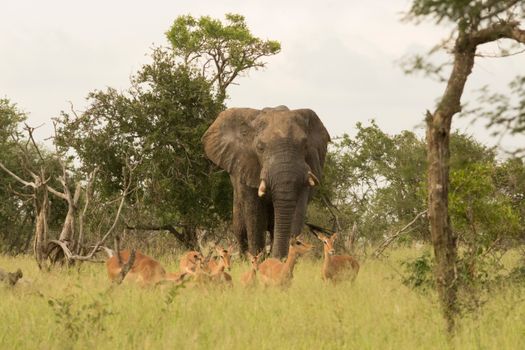
In Kenya, strict safety boundaries mean you view nature from an elevated seat behind glass or canvas. Mana Pools offers total immersion. Here, guided arm's-length encounters with giant bull elephants are routine. The park is world-famous for its "standing giants"—elephants like the famous bull named Boswell who rear up on their hind legs to stretch their trunks high into the canopy of Albida trees to pull down nutritious seed pods.
Beyond foot safaris, Mana Pools lets you paddle a sea kayak down the Zambezi, gliding past yawning hippos and bathing elephant herds at eye level. It offers a sensory thrilling engagement that Kenya's structured game drives simply cannot match.
- The Vibe: Thrilling, intimate, photogenic, river-centric.
- Key Wildlife: "Standing" bull elephants, wild dogs, lions, hippos, over 350 bird species.
> PRO-TIP: Hire a licensed Zimbabwean Pro Guide (who undergo the hardest 5-year qualification process in Africa). Enter the park via the Chirundu border post or fly into Mana Main airstrip. Head to the mahogany forests along the river at 15:30 PM, when the golden light filters through the dust kicking up from elephant herds.
---
4. Kidepo Valley National Park, Uganda: Africa’s Forgotten Paradise
Tucked into the far northeastern corner of Uganda along the rugged borders of South Sudan and Kenya, Kidepo Valley is widely considered by veteran safari journalists to be the single most stunning landscape on the continent.
Why It Beats Kenya
Kidepo feels like East Africa did 70 years ago. Frame by frame, its scenery outshines the Masai Mara: wide open savannahs framed by the jagged, towering Napore and Morungole mountain ranges.
Because of its remote location, Kidepo gets fewer visitors in a whole year than the Masai Mara gets in an average summer afternoon. You get massive herds of buffalo—sometimes 1,000 to 2,000 strong—sweeping across the Narus Valley floor while tree-climbing lions nap in the sausage trees above them.
- The Vibe: Wild, untamed, breathtakingly picturesque, untouched.
- Key Wildlife: Jackson’s hartebeest, Rothschild’s giraffes, massive cape buffalo herds, cheetahs, bat-eared foxes.
> PRO-TIP: Skip the 12-hour bumpy overland drive from Kampala and take a 90-minute internal flight with Aerolink directly to Apoka Airstrip. Stay at Apoka Safari Lodge, and ask for a room with an outdoor stone bathtub overlooking the Narus River valley—elephants routinely graze within 20 yards of the tub.
---
5. Akagera National Park, Rwanda: The Ultimate Rewilding Success Story
While Rwanda is world-famous for mountain gorilla trekking in the Volcanoes National Park, its eastern savannah ecosystem—Akagera—has quietly undergone one of the greatest conservation turnarounds in modern African history.
Why It Beats Kenya
Two decades ago, Akagera’s wildlife was almost completely wiped out by poaching following civil conflict. Thanks to a high-tech management partnership with African Parks, lions were reintroduced in 2015, followed by black rhinos in 2017. Today, Akagera is a thriving Big Five haven.
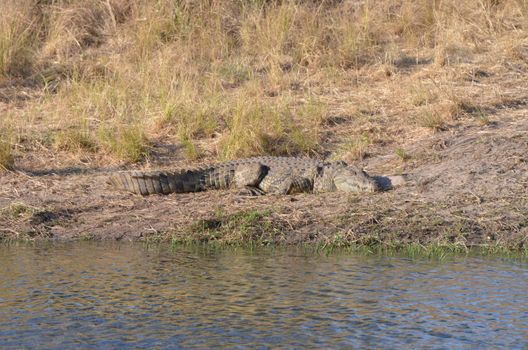
What makes it superior to Kenya is its incredible geographic diversity packed into a compact area. Within a two-hour drive, you transition from rolling green savannahs to papyrus swamps, clear lakes, and dense acacia woodlands. It offers boat safaris on Lake Ihema where you can spot rare Shoebill storks alongside giant crocodiles—a aquatic dynamic Kenya’s dry savannah parks lack.
- The Vibe: Eco-conscious, modern, diverse, inspiring.
- Key Wildlife: Lions, Eastern black rhinos, Shoebill storks, leopards, topis.
> PRO-TIP: Do a night drive operated by the park headquarters starting at 17:30 PM in the northern sector (Kilala Plains). This open grassy basin holds incredible numbers of predators hunting in the dark.
---
Safari Destination Comparison & Logistics
Planning a safari requires balancing logistics, timing, and budgets. Use this breakdown to match your travel style with the right non-Kenya alternative:
| Destination | Estimated Daily Cost ($USD) | Best Time to Visit | How to Get There | Top Highlight | | :--- | :--- | :--- | :--- | :--- | | South Luangwa, Zambia | $450 – $950 / night | July to October (Dry) | Fly to Lusaka (LUN), then domestic flight to Mfuwe (MFU). | Walking safaris & night leopard tracking | | Ruaha, Tanzania | $550 – $1,200 / night | June to October | Fly to Dar es Salaam (DAR), then bush plane to Ruaha Airstrip. | Enormous lion prides & baobab landscapes | | Mana Pools, Zimbabwe | $600 – $1,100 / night | May to October | Fly to Harare (HRE), then private charter to Mana Main. | Canoeing the Zambezi & close elephant tracking | | Kidepo Valley, Uganda | $350 – $750 / night | December to March / July to Sept | Fly to Entebbe (EBB), then 90-min flight to Apoka. | Dramatic landscape & uncrowded Big Five viewing | | Akagera, Rwanda | $300 – $700 / night | June to September | Drive 2.5 hours from Kigali International Airport (KGL). | Boat safaris, Big Five, low travel times |
\Estimated daily costs include mid-range to high-end safari lodging, meals, park fees, and guided activities per person.
---
The Verdict: How to Choose Your Next Safari
If you want a cookie-cutter holiday with guaranteed sightings of habituated animals surrounded by dozens of tourist vehicles, stick to the standard circuits.
However, if you want to feel the raw earth under your boots, watch big cats without diesel fumes invading your nostrils, and support true, sustainable conservation projects where your tourist dollars make a tangible impact:
- Choose South Luangwa for high-octane adventure and bushcraft skills.
- Choose Ruaha for raw cat action and epic landscapes.
- Choose Mana Pools for multi-element water and walking safaris.
- Choose Kidepo Valley for total isolation and stunning scenery.
- Choose Akagera for convenient, eco-restoration travel easily paired with gorilla trekking.
Leave the Mara crowds behind. The true heart of wild Africa is waiting, quiet and wild, just beyond the beaten track.
---
More pictures

Tags
Share this guide
We may earn a commission if you click a link and buy a product or service, at no extra cost to you. How affiliate links work.
Been there?