
Ditch the concrete jungle! I've scoured the globe for
The Call of the Wild: Why Rewilding Needs You (And How You Can Answer)
I stepped off the train at the edge of the Cairngorms National Park, and the air itself felt different. It was crisp, tinged with the earthy perfume of damp peat and the faint, wild scent of pine. A lone curlew’s mournful cry echoed across the heather-clad hills, a sound I’d only ever heard on documentaries. This wasn't just a beautiful landscape; it was a landscape healing. This is the essence of rewilding – letting nature, with a little nudge and a lot of respect, reclaim its rightful place. And the best part? You can be a part of it.
Forget passive observation. The rewilding movement is booming, and a new wave of incredible projects are opening their doors (or, more accurately, their wild spaces) to travelers eager to contribute. These aren't just holidays; they're pilgrimages to the heart of nature's resilience, opportunities to witness ecological recovery firsthand and, crucially, to lend a hand.
1. The Scottish Highlands: A Symphony of Stone and Spirit (Scotland)
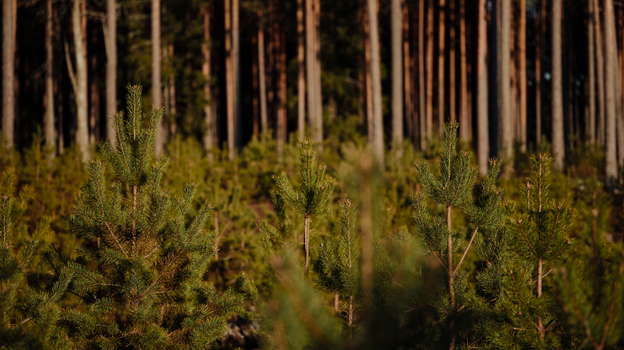
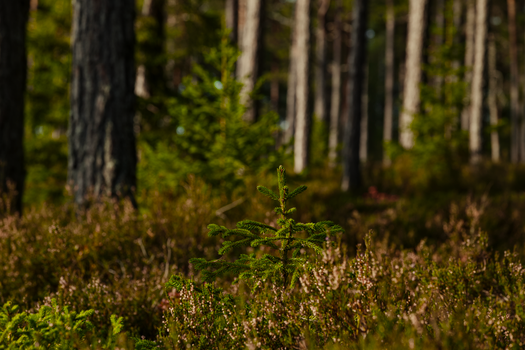
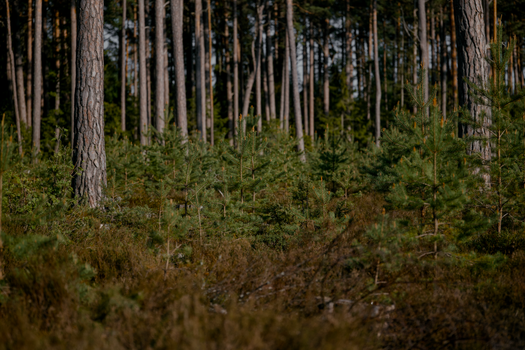
My first real immersion into rewilding was on a windswept estate in the Scottish Highlands. The sheer scale of the transformation was humbling. Gone were the monoculture plantations; in their place, a mosaic of native woodlands, peat bogs, and open moorland was emerging. I remember the sheer joy of planting a sapling – a tiny Scots pine – knowing it was a small but significant step in restoring a landscape that had been scarred for centuries. The silence here isn't empty; it's alive with the rustle of unseen creatures, the buzz of insects, and the murmur of a recovering ecosystem.
What to Expect: Think vast, dramatic landscapes, the chance to spot red deer, golden eagles, and if you're lucky, pine martens. Many projects offer guided walks, wildlife photography workshops, and even opportunities to help with tree planting and habitat restoration. You'll learn about the intricate web of life, from the smallest fungi to the apex predators.
Pro-Tip: Pack layers! The Scottish weather is famously capricious. Be prepared for sunshine, rain, and everything in between. Visiting during the shoulder seasons (spring and autumn) offers fewer crowds and spectacular autumnal colours or spring blooms.
Quick Facts: Scottish Highlands Rewilding
| Feature | Details | | :-------------- | :-------------------------------------------------------------------------- | | Estimated Cost | £100-£300 per day (depending on accommodation and activities) | | Best Time to Visit | April-May & September-October | | How to Get There | Fly into Inverness (INV) or Edinburgh (EDI), then hire a car or take a train/bus to your chosen project location. |
2. The Iberian Lynx's Last Stand: Iberian Peninsula's Rewilding Renaissance (Spain & Portugal)
The Iberian lynx. A creature so elusive, so critically endangered, that its very existence felt like a whisper from the past. Witnessing a rewilding project dedicated to its survival is a profoundly moving experience. These initiatives are not just about protecting a species; they're about restoring the entire ecosystem it depends on – from the rabbit populations that form its primary diet to the Mediterranean scrubland that provides its habitat.
What to Expect: These projects often focus on habitat restoration, creating corridors for lynx movement, and managing invasive species. You might participate in monitoring wildlife, helping with fence repairs, or engaging in community outreach. The Mediterranean sun warms your skin as you work, and the scent of wild rosemary and thyme fills the air. You'll hear the distinctive call of the Iberian imperial eagle and perhaps catch a glimpse of a wild boar rooting in the undergrowth.
Insider Insight: Many of these projects are in more remote areas. Embrace the slower pace of life. Enjoy a leisurely evening meal of local tapas – think gambas al ajillo (garlic shrimp) and patatas bravas – with a glass of regional wine.
Pro-Tip: Look for projects that partner with local conservation NGOs. They often have the most authentic and impactful programs. Dawn and dusk are prime wildlife viewing times, so schedule your activities accordingly.
Quick Facts: Iberian Lynx Rewilding
| Feature | Details | | :-------------- | :-------------------------------------------------------------------------- | | Estimated Cost | £70-£250 per day (can vary significantly based on program length) | | Best Time to Visit | March-June & September-November | | How to Get There | Fly into Seville (SVQ) or Faro (FAO). Car rental is highly recommended for accessing remote project sites. |
3. Bison on the Horizon: The Great Plains Reborn (USA & Canada)
The sight of a herd of bison, dark and powerful against the vast expanse of the prairie, is an iconic image of North America. Rewilding projects on the Great Plains are working to bring these majestic creatures back to landscapes they once dominated, restoring ecological balance and the unique prairie ecosystem. It’s about more than just the bison; it’s about the wildflowers, the prairie dogs, the burrowing owls, and the intricate dance of life that unfolds across these seemingly endless grasslands.
What to Expect: You might be involved in monitoring bison herds, assisting with invasive plant removal, or helping to maintain fencing. The sheer scale of the prairie is breathtaking, and the sunsets are legendary – a fiery spectacle that paints the sky in hues of orange, pink, and purple. The wind whispers secrets through the tall grasses, and the air is clean and invigorating.
Pro-Tip: Consider visiting a project that focuses on regenerative agriculture alongside rewilding. You'll get a holistic view of how land can be managed for both ecological health and human benefit. Bring a wide-brimmed hat and high SPF sunscreen; the prairie sun is intense.
Quick Facts: Great Plains Bison Rebirth
| Feature | Details | | :-------------- | :-------------------------------------------------------------------------- | | Estimated Cost | $150-$400 per day (including accommodation and guided activities) | | Best Time to Visit | May-September | | How to Get There | Fly into Denver (DEN), Calgary (YYC), or a regional airport. Car rental is essential. |
4. The Wild Coast Awakens: Coastal Restoration & Marine Life (Various Coastal Regions)
The ocean whispers tales of resilience, and coastal rewilding projects are bringing these stories to life. From reintroducing native oyster beds to creating seagrass meadows, these initiatives are vital for combating coastal erosion, improving water quality, and providing crucial habitats for marine life. Imagine the tang of salt on your lips, the cry of gulls overhead, and the sheer satisfaction of knowing you're helping to heal the ocean.
What to Expect: Activities can include beach clean-ups, planting saltmarsh grasses, monitoring marine life (like seals or seabirds), and assisting with coral reef restoration (in warmer climes). You'll learn about the delicate balance of marine ecosystems and the threats they face. The rhythmic crash of waves is your constant soundtrack.
Insider Insight: Engage with the local fishing communities. They often have invaluable traditional knowledge and are increasingly becoming partners in conservation efforts. Sample the freshest seafood imaginable – grilled fish drizzled with local olive oil and a squeeze of lemon is pure bliss.
Pro-Tip: Look for projects that have strong partnerships with marine biology research institutions. This often means more in-depth learning opportunities and a greater scientific impact. Wear sturdy, waterproof shoes and bring a reusable water bottle.
Quick Facts: Coastal Rewilding
| Feature | Details | | :-------------- | :-------------------------------------------------------------------------- | | Estimated Cost | £80-£280 per day (can vary widely by location and program intensity) | | Best Time to Visit | Varies greatly by region; generally spring through autumn. | | How to Get There | Depends on the specific location; often involves flying to a coastal city and then local transport. |
5. The Forest's Gentle Return: European Woodland Regeneration (Various European Countries)
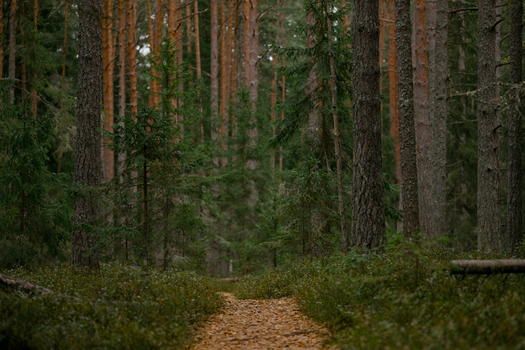
Europe, with its long history of human settlement, has vast areas that are ripe for rewilding. Projects focused on woodland regeneration are bringing back biodiversity, improving soil health, and creating vital carbon sinks. This is about letting ancient forests breathe again, allowing them to develop their own complex, self-sustaining structures.
What to Expect: You might be involved in planting native tree species, creating wildlife corridors, removing invasive plants, or monitoring ground-dwelling species. The scent of damp earth, decaying leaves, and wildflowers is intoxicating. You’ll hear the chatter of jays, the drumming of woodpeckers, and the distant hoot of an owl.
Authenticity Check: Seek out projects that work with local communities to reintegrate traditional land management practices in a sustainable way. This often involves working with heritage breed livestock that play a role in shaping the landscape. Enjoy hearty local cuisine – think slow-cooked stews, artisanal bread, and regional cheeses.
Pro-Tip: Many of these projects are part of larger conservation networks. Joining a guided tour that visits multiple sites can offer a broader perspective on European rewilding efforts. Bring a good pair of binoculars for spotting forest dwellers.
Quick Facts: European Woodland Regeneration
| Feature | Details | | :-------------- | :-------------------------------------------------------------------------- | | Estimated Cost | €70-€250 per day (including accommodation and program fees) | | Best Time to Visit | April-June & September-October | | How to Get There | Varies by country; typically involves flying into a major European hub and then using trains or rental cars. |
The Ripple Effect: Your Impact Matters
Choosing to visit and support a rewilding project is more than just a travel decision; it's an active participation in the planet's recovery. Your presence, your volunteer hours, and your financial contributions directly fund critical conservation work. You're not just a tourist; you're a steward.
These projects are not always about dramatic, immediate transformations. Rewilding is a long game, a patient process of allowing natural systems to re-establish themselves. But by visiting, you become an advocate, an eyewitness to the power of nature, and a crucial part of the funding and awareness that keeps these vital initiatives alive.
So, pack your bags, open your mind, and answer the call of the wild. The planet is healing, and you can be a part of its most beautiful comeback story.
---
More pictures
Tags
Share this guide
We may earn a commission if you click a link and buy a product or service, at no extra cost to you. How affiliate links work.
Been there?