Spring skiing is no longer reserved for traditional stand-up skiers. Thanks to a massive wave of technological innovation, the slopes are more inclusive than ever. From bionic exoskeletons that relieve knee pressure to state-of-the-art dual-skis with Formula 1-grade shock absorbers, here is the ultimate guide to the trending adaptive ski gear making the mountains accessible to absolutely everyone this spring. ---
The Hook: A Morning on the Corduroy
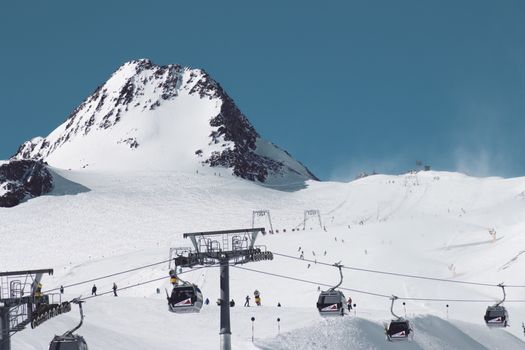
I stepped off the peak of the Peak 8 SuperConnect in Breckenridge, and the mountain air hit me like a cold splash of mineral water. It was 9:15 AM in late March. The scent of melting lodgepole pine needles mingled with the distinct, metallic ozone of the lift machinery. Below me, the slopes weren’t the icy, unforgiving sheets of mid-January; they were soft, forgiving ribbons of freshly groomed corn snow, glistening under a high-altitude Colorado sun.
Beside me was my friend Sam, strapping into a carbon-fiber chassis that looked more like an aerospace prototype than a piece of winter sports gear. Sam, who lost the use of his legs in a climbing accident five years ago, looked up at me through his polarized goggles and grinned. "Ready to eat my spray?" he asked.
With a single, fluid push of his outriggers, he was off, carving clean, arcuate lines down the mountain, leaving a trail of fine, glittering crystals in his wake.
``` ____________________________________________________ / \ | "The mountain doesn't care about your diagnosis. | | It only cares about your gravity." | \____________________________________________________/ ```
This is the reality of spring skiing today. The mountains are no longer gatekept by physical limitations. A quiet revolution has taken place in the R&D labs of alpine manufacturers, and this spring, a suite of game-changing adaptive equipment is trending across the world's premier resorts. Whether you are an adaptive athlete yourself, a family member looking to share the slopes, or a ski travel enthusiast, here is your definitive guide to the gear that is redefining winter sports.
---
1. The Spring Advantage: Why Now is the Golden Hour for Adaptive Skiers
While powderhounds live for the deep snow of January, seasoned adaptive skiers know a secret: spring is the absolute best time to hit the slopes.
- The Forgiveness of Corn Snow: During spring, the freeze-thaw cycle creates "corn snow"—small, rounded ice pellets that ride like a smooth, buttery carpet. For sit-skiers and those utilizing outriggers, this soft surface offers incredible edge grip without the jarring, bone-rattling vibrations of hard pack.
- Thermal Regulation: Cold temperatures can trigger muscle spasticity and poor circulation for skiers with spinal cord injuries (SCI) or multiple sclerosis (MS). The warm, 45°F (7°C) days of April keep muscles loose, joint fluid viscous, and fingers warm.
- Longer Battery Life: Many modern adaptive devices utilize electronic dampeners or power-assist batteries. Sub-zero temperatures drain these batteries rapidly; spring sunshine ensures your tech lasts from first chair to après-ski.
---
2. Sit-Ski Royalty: The Monoski and Biski Innovations Redefining Speed
The sit-ski is the undisputed icon of adaptive skiing. This spring, two specific models are dominating the slopes from Whistler to Chamonix, thanks to breakthroughs in materials science and suspension geometry.
The Tessier Tempo Dualski: The Independent Carver's Dream
For skiers with lower-limb paralysis but good upper-body and core strength, the Tessier Tempo Dualski is the trending gold standard.
Unlike older, rigid sit-skis that felt like riding a sled, the Tempo utilizes a patented linkage system that allows the two skis underneath to edge simultaneously, mimicking the natural biomechanics of stand-up skiing.
- The Tech: It features a custom-tuned Öhlins shock absorber—the same brand used in high-performance mountain biking and motorsports. This dampens the chatter of spring slush, allowing the skier to maintain constant snow contact.
- The Feel: It is incredibly responsive. You don’t just slide down the hill; you carve. The carbon-fiber "bucket" (the seat) is molded to the skier’s body, ensuring that every micro-movement of the torso translates directly into an edge change.
> Pro-Tip: If you are renting a sit-ski for the first time, prioritize the "bucket fit" over everything else. A bucket that is too loose will sap your control and cause friction sores. Bring extra closed-cell foam inserts (often called foam shims) to customize the fit on the fly.
The Dynamique Bi-Ski: Accessible Autonomy
For those with higher-level spinal cord injuries or cerebral palsy, the Dynamique Bi-Ski is trending for its versatility. It can be skied completely independently with outriggers, or assisted by a guide using tethers.
This spring's model features a lower center of gravity and an assisted chairlift loading mechanism that uses gas shocks to lift the skier up to chair height with minimal effort from the lift operator.
---
3. Bionic Quads: The Rise of Exoskeleton Technology
Perhaps the most futuristic trend on the slopes this spring is the integration of wearable robotics.
``` [Exoskeleton Actuator] ---> Relieves 30%+ of body weight on knees [Pneumatic Compressor] ---> Fits in a lightweight backpack [Smart Sensors] ---> Detects turns in real-time (1000x/sec) ```
The Roam Robotics Elevate
For aging baby boomers, skiers recovering from ACL reconstructions, or individuals living with mild MS or osteoarthritis, the Roam Robotics Elevate is a revelation. This is an active, soft-component exoskeleton that straps to your thighs and ski boots.
- How it Works: A small, rechargeable air compressor housed in a sleek backpack powers pneumatic actuators located on the sides of your knees.
- The Magic: Smart sensors on the device detect your body's movement and calculate when you are initiated into a turn. The air bladders expand and contract, taking up to 30% of the load off your quadriceps and knee joints.
- The Result: You can ski twice as long without the burning, debilitating pain that usually sends you to the lodge by noon. It turns a half-day ski pass into a full-day adventure.
---
4. Standing Tall: Advanced Outriggers and Stabilizers
For stand-up skiers with hemiplegia, amputations, or balance disorders, outriggers are their connection to the snow. Gone are the days of heavy, clunky metal crutches with skis attached.
Superlite Outriggers with Flip-Up Tips
The trending gear of choice this season is the Superlite Outrigger line. Constructed from aerospace-grade aluminum and carbon fiber, these outriggers are incredibly light, reducing shoulder fatigue during long spring days.
- The Flip-Up Mechanism: With a quick flick of the wrist, the small ski at the base of the crutch flips up, revealing a durable, high-traction rubber tip. This allows the skier to transition seamlessly from carving down a blue run to walking through the concrete and ice of the resort plaza.
- Shock-Absorbing Grips: Spring snow can get bumpy ("moguls" form quickly in the warm afternoon sun). New elastomeric grips absorb the high-frequency vibrations before they reach the skier's elbows and shoulders.
---
5. Sensory & Cognitive Tech: Guiding Light on the Slopes
Adaptive skiing isn't just about physical mobility; it’s also about sensory and cognitive accessibility. This spring has seen a massive uptick in smart audio tech that bridges the gap between visually or cognitively impaired skiers and their guides.
Cardo Packtalk Outdoor: The Ultimate Mesh Intercom
Forget traditional walkie-talkies, which require pushing a button and suffer from static lag. Visually impaired (VI) skiers and their guides are trending toward the Cardo Packtalk Outdoor.
- Always-On Mesh Communication: This device uses dynamic mesh technology to create a constant, crystal-clear, hands-free intercom loop between the guide and the skier.
- The Performance: The guide can stand 50 yards ahead, calling out micro-adjustments ("Turn left in three, two, one... ice patch on your right") in real-time with zero latency. The wind-filtering microphone ensures that even at 30 mph, the voice sounds like it's coming from inside the helmet.
---
6. The Budget & Logistics: Planning Your Adaptive Spring Escape
Adaptive skiing does require planning, but the infrastructure has never been better. Many world-class resorts now feature dedicated adaptive ski schools with highly trained instructors and fleets of state-of-the-art rental gear.
Quick Facts: Adaptive Skiing Logistics
| Metric / Detail | Information & Estimates | | :--- | :--- | | Estimated Equipment Rental Cost | $80 - $150 per day (often includes a dedicated instructor/guide) | | Lift Ticket Policies | Many resorts (e.g., Vail, Aspen, Chamonix) offer heavily discounted lift tickets for adaptive skiers and free companion passes for their guides. | | Best Spring Resorts | Breckenridge, USA (Home of the BOEC); Park City, USA (National Ability Center); Chamonix, France (ESF Adaptive Programs). | | How to Get There | Fly into major hubs with accessible shuttle services (e.g., Denver International for Colorado resorts, which features fully accessible mountain shuttle fleets like Epic Mountain Express). |
> The Hidden Entrance Pro-Tip: At Breckenridge, bypass the chaotic main ticket windows at Peak 8. Head directly to the Breckenridge Outdoor Education Center (BOEC) cabin located near the base of the Snowflake Chairlift. They have a private, accessible parking lot and a barrier-free ramp leading straight to the snow.
---
Authenticity: The Insider's Guide to the Perfect Adaptive Day
If you want to experience the true soul of adaptive skiing, you need to understand the culture. It’s a community built on grit, ingenuity, and a shared love for the mountain.
When you sit down for lunch at an alpine chalet—like the Alpina Grille in Park City—don't expect the conversation to be about physical limitations. You’ll hear skiers debating the torque settings on their Tessier shocks, the optimal air pressure for their Roam Robotics backpacks, or the best hydrophobic wax to prevent spring slush from sticking to their carbon-fiber sit-ski hulls.
``` [How to Prep Your Sit-Ski for Warm Spring Slush]
- Clean the hull thoroughly with a citrus-based base cleaner.
- Apply a high-fluorocarbon (or eco-friendly ceramic) warm-temp wax.
- Buff the wax aggressively to create a hydrophobic barrier.
- Avoid the shade; stick to the sunny side of the run where the snow is soft.
```
To experience this firsthand is to witness the triumph of human engineering and spirit. The mountain doesn't care who you are; it only offers its slopes. And with today’s trending adaptive gear, those slopes are finally open to everyone.
---
More pictures
Tags
Share this guide
We may earn a commission if you click a link and buy a product or service, at no extra cost to you. How affiliate links work.
Been there?