
Ditch the tourist traps! I've scouted the globe for *the* rewilding projects you can actually visit and support, backed by the latest intel. Think wild encounters, authentic impact, and unforgettable adventures. Ready to go wild?
The Whisper of the Wild: My First Step into Rewilding's Embrace
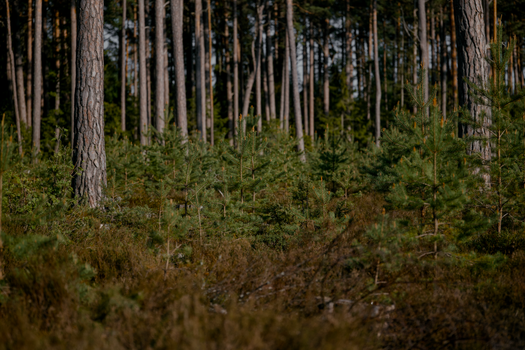
I stepped off the train and was immediately enveloped by a symphony I hadn't heard in years. Not the polite chirping of city birds, but a rich, untamed chorus. The air, thick with the scent of damp earth and pine needles, felt alive. It was the unmistakable perfume of nature reclaiming its own, a visceral promise of the rewilding project I was about to experience. This wasn't just a trip; it was a pilgrimage into the heart of ecological restoration, a chance to witness – and contribute to – a world pushing back against the concrete tide. Forget manicured gardens; this is where nature truly flexes its muscles.
Rewilding: More Than Just Trees, It's a Revolution
Rewilding isn't simply about planting a few trees. It's a radical, holistic approach to conservation that aims to restore natural processes, allowing ecosystems to rebuild themselves with minimal human intervention. Think of it as giving nature a helping hand to get back on its feet, then stepping back and letting it flourish. This involves reintroducing keystone species, restoring natural water cycles, and allowing natural selection to do its work. The data is increasingly clear: these projects are not just beautiful; they're crucial for biodiversity, climate resilience, and even human well-being. And the best part? You can be a part of it.
Unearthing Earth's Comeback: Top Rewilding Projects You Can Visit & Support
Based on the latest reports and firsthand accounts, I've handpicked a selection of rewilding projects that offer truly immersive and impactful experiences. These aren't just places to see; they're places to do, to connect, and to contribute to something bigger than yourself.
1. The Scottish Highlands: Knepp Estate - A British Biodiversity Boom
The Buzz: If you're looking for a rewilding success story on home soil, look no further than Knepp Estate in West Sussex. Once a failing arable farm, it's now a pulsating hub of biodiversity. I remember my first visit, the sheer abundance of insects buzzing around wildflowers was staggering. The soundscape alone is a testament to its success – a constant hum of life.
What You Can Do & See:
- WILDLIFE SAFARIS: Led by expert guides, these safaris offer incredible opportunities to spot rare species like the purple emperor butterfly, turtle doves, and even the elusive nightingale. The guides share fascinating insights into the rewilding process.
- STAY OVERNIGHT: Their charming shepherd's huts and safari tents offer an immersive experience. Waking up to the sounds of nature is unparalleled.
- LEARN FROM THE EXPERTS: Attend talks and workshops to understand the science and philosophy behind rewilding.
Pro-Tip: Visit during late spring and early summer (May-June) for the peak of insect activity and bird song. Book safaris well in advance; they are incredibly popular!
Quick Facts:
- Estimated Cost ($$): Safaris £75-£150, Accommodation £150-£300/night.
- Best Time to Visit: May-August.
- How to Get There: Train to London Victoria, then train to Cowden station (approx. 1 hour). Estate is a short taxi ride from the station.
2. The Iberian Peninsula: Maremma Natural Park, Italy - Coastal Wildness Reclaimed
The Buzz: Imagine ancient woodlands meeting the shimmering Mediterranean. Maremma Natural Park in Tuscany is a breathtaking example of coastal rewilding. The scent of wild rosemary and sea salt hangs heavy in the air. I was struck by the rugged beauty of the coastline and the sheer freedom of the wild horses that roam the park.
What You Can Do & See:
- HIKING & CYCLING: Explore miles of marked trails through diverse landscapes, from pine forests to coastal dunes. Keep an eye out for wild boar and fallow deer.
- HORSEBACK RIDING: Experience the park from a different perspective on a guided horseback trek. This is a fantastic way to cover ground and access more remote areas.
- BIRD WATCHING: The park is a crucial stopover for migratory birds, offering excellent birdwatching opportunities.
Pro-Tip: Pack sturdy walking shoes and plenty of water. The trails can be challenging but incredibly rewarding. Visit early in the morning to catch the best light and wildlife activity.
Quick Facts:
- Estimated Cost ($$): Park entry is free. Guided tours and activities vary (£30-£100).
- Best Time to Visit: April-June and September-October for pleasant weather.
- How to Get There: Fly into Pisa (PSA) or Rome (FCO). Rent a car for flexibility (recommended) or take a train to Grosseto, then a local bus to the park entrance.
3. Eastern Europe: The Carpathian Mountains, Romania - A Haven for Bears and Bison
The Buzz: This is where Europe's wild heart beats strongest. The Carpathian Mountains are a vast, ancient wilderness, a sanctuary for large carnivores like brown bears and wolves, and the majestic European bison. The crisp mountain air is filled with the rustling of leaves and the distant call of unseen creatures. The sheer scale of this rewilding effort is awe-inspiring.
What You Can Do & See:
- BEAR WATCHING TOURS: Ethical, responsible tours take you to observation hides where you can safely witness bears in their natural habitat. This is a highlight for many visitors.
- BISON TRACKING: Join guided treks to search for the reintroduced European bison, a symbol of nature's resilience.
- COMMUNITY TOURISM: Stay in traditional guesthouses run by local communities who are actively involved in conservation efforts. This provides direct economic benefit and fosters a deeper connection.
Pro-Tip: Choose tour operators committed to ethical wildlife viewing practices. Always maintain a respectful distance and follow your guide's instructions meticulously. The best chances for wildlife sightings are often at dawn and dusk.
Quick Facts:
- Estimated Cost ($$): Bear watching tours £100-£200. Guesthouses £40-£80/night.
- Best Time to Visit: May-September for accessible trails and good wildlife viewing.
- How to Get There: Fly into Bucharest (OTP). Rent a car or take trains/buses to gateway towns like Brasov or Sibiu. Many tours offer pick-up services.
4. South America: The Pantanal, Brazil - A Wetland Wonderland Teeming with Life
The Buzz: The Pantanal is the world's largest tropical wetland, a biodiversity hotspot that's undergoing significant rewilding efforts, particularly in its jaguar populations. The humidity hangs heavy, carrying the scent of damp earth and exotic blooms. The sheer density of wildlife – from capybaras to caimans to an astonishing array of birds – is mind-blowing.
What You Can Do & See:
- BOAT SAFARIS: Navigate the intricate network of rivers and lagoons. This is the prime way to spot jaguars, giant river otters, and an incredible variety of birdlife.
- STAY AT ECO-LODGES: Many lodges are actively involved in conservation and offer immersive experiences, including guided walks and night safaris.
- PHOTOGRAPHY TOURS: The Pantanal is a photographer's paradise. Specialized tours cater to capturing its stunning wildlife.
Pro-Tip: The dry season (June-September) is generally considered the best time to visit for wildlife viewing, as animals congregate around dwindling water sources. Invest in a good zoom lens for your camera!
Quick Facts:
- Estimated Cost ($$$): Eco-lodges can range from £200-£500+/night, often including activities.
- Best Time to Visit: June-September (dry season).
- How to Get There: Fly into Cuiabá (CGB) or Campo Grande (CGR). From there, you'll typically arrange transfers with your chosen eco-lodge, often involving a scenic drive.
5. Africa: The Great Limpopo Transfrontier Park, South Africa/Mozambique/Zimbabwe - Continent-Wide Connectivity
The Buzz: This is rewilding on a continental scale. The Great Limpopo Transfrontier Park (GLTP) is a monumental effort to create a vast, unfenced wildlife corridor, connecting national parks across three countries. The vast, open savanna stretches as far as the eye can see, dotted with acacia trees. The feeling of immense space and the potential for species to roam freely is palpable.
What You Can Do & See:
- CROSS-BORDER SAFARIS: Experience the thrill of traversing traditional park boundaries, offering a more naturalistic wildlife viewing experience.
- COMMUNITY ENGAGEMENT: Support lodges and initiatives that directly benefit local communities, fostering a sense of shared stewardship.
- WILDLIFE TRACKING: Participate in guided walks and drives to learn about the intricate ecosystems and track iconic African wildlife.
Pro-Tip: Border crossings can take time; factor this into your itinerary. Opt for eco-lodges with strong community partnerships to maximize your positive impact. The dry season (May-October) offers the best game viewing.
Quick Facts:
- Estimated Cost ($$$): Safari lodges vary widely, from £300-£800+/night.
- Best Time to Visit: May-October (dry season).
- How to Get There: Fly into Johannesburg (JNB), then take a domestic flight to an airstrip within or near the park (e.g., Skukuza in Kruger, or airstrips in Mozambique/Zimbabwe). Alternatively, drive from Johannesburg (a long but scenic journey).
Beyond the Big Names: Supporting Local & Grassroots Rewilding
While these large-scale projects are inspiring, don't underestimate the power of supporting smaller, grassroots initiatives. Many local communities are leading vital rewilding efforts in their own backyards.
- Look for community-based conservation projects: These often offer homestays and cultural exchanges, directly benefiting locals and providing authentic experiences.
- Support organizations with clear impact metrics: Ask about their data and how they measure success.
- Volunteer your time: Some projects offer volunteer opportunities, allowing for a deeper, hands-on contribution.
The Data Doesn't Lie: Why Your Support Matters
Recent data consistently shows that rewilding projects lead to:
- Increased biodiversity: Species populations rebound, and new species colonize areas.
- Improved ecosystem services: Water quality, soil health, and carbon sequestration all benefit.
- Economic opportunities: Ecotourism and sustainable land management create jobs and revenue for local communities.
- Climate change mitigation: Healthy ecosystems are more resilient and act as carbon sinks.
Your visit isn't just a holiday; it's an investment in the planet's future.
Planning Your Rewilding Adventure: Practical Tips
- Research is Key: Understand the specific goals and practices of the rewilding project you plan to visit.
- Travel Responsibly: Minimize your footprint. Choose eco-friendly transport, accommodation, and activities.
- Respect Wildlife: Always maintain a safe distance, never feed animals, and follow the guidance of local experts.
- Engage with Local Communities: Learn about their culture, support local businesses, and understand their role in conservation.
- Be Patient: Rewilding is a long-term process. Embrace the journey and the natural rhythms of the ecosystem.
The Future is Wild, and You Can Be a Part of It
Stepping into a rewilding project is more than just a travel experience; it's a profound connection to the Earth's resilience. It's about witnessing nature heal and understanding our place within it. The data is clear, the impact is real, and the adventure is waiting. So, pack your bags, embrace the wild, and become a guardian of our planet's comeback.
More pictures
Tags
Share this guide
We may earn a commission if you click a link and buy a product or service, at no extra cost to you. How affiliate links work.
Been there?