Forget passive sightseeing. The future of travel belongs to those who roll up their sleeves. Wildlife corridors—the vital ecological highways that connect fragmented habitats—are under threat, but travelers can actively help restore them. From planting rare rainforest trees in Costa Rica to mapping grizzly pathways in the Rockies, here is your definitive, dirt-under-your-nails guide to the most critical wildlife corridors on Earth that you can help maintain. ---
The Hook: A Wake-Up Call in the Canopy
I stepped off the single-prop plane onto the gravel runway at Puerto Jiménez, and the Costa Rican humidity hit me like a wet wool blanket. But it wasn't the heat that made me freeze in my tracks; it was the smell. It was a dizzying, heady mix of damp red clay, crushed wild ginger, and the sharp, ozone tang of an impending afternoon downpour.
Suddenly, a screech sliced through the air. High up in the branches of a massive garlic tree, a pair of scarlet macaws erupted in a flash of crimson, yellow, and royal blue.
``` [Forest Fragment A] ====== (Wildlife Corridor) ====== [Forest Fragment B] (Isolated Gene Pool) Safe Passage (Isolated Gene Pool) Seed Dispersal Climate Migration ```
They weren't just flying; they were commuting. They were navigating a narrow strip of secondary-growth forest that connects the coastal mangroves to the deep interior rainforest of Corcovado National Park.
Without this thin green ribbon of land, these birds—along with jaguars, squirrel monkeys, and tapirs—would be trapped on ecological islands, doomed to genetic stagnation.
This is the reality of our fragmented world. National parks are no longer enough; we must protect the spaces between them. If you are looking for travel that transcends mere Instagram-fodder, these are the wildlife corridors you can help maintain worth considering.
---
1. The Osa Peninsula Biological Corridor (Costa Rica)
The Highway of the Americas
The Osa Peninsula contains 2.5% of the world's biodiversity packed into a tiny peninsula. However, agricultural expansion and logging have carved up this paradise. The Camino de Osa and the Amistosa Corridor are designed to reconnect the lowland rainforests of Corcovado with the mountainous cloud forests of the Amistad Peace Park.
``` +--------------------------------------------------------------------------+ | OSA PENINSULA CORRIDOR MECHANICS | | | | [Corcovado Lowlands] ----> (Amistosa Reforestation Zone) ----> [Amistad] | | | | Key Actions: Seedling propagation, soil enrichment, canopy grafting | +--------------------------------------------------------------------------+ ```
How You Can Help Maintain It
You can join hands-on reforestation efforts with organizations like Osa Conservation. This isn't just symbolic tree planting; you’ll be working in native species nurseries, propagating endangered hardwoods like the Copaifera camibar (purpleheart), and using GPS to map canopy growth.
- Pro-Tip: Skip the mass-market eco-lodges in Puerto Jiménez. Instead, book a rustic cabin directly at the Piro Research Station. At 5:30 AM, you can join researchers checking camera traps along the Piro River corridor. Look out for fresh puma tracks in the damp sand.
---
2. The Yellowstone to Yukon (Y2Y) Initiative (USA & Canada)
The Continental Spine
Spanning over 2,000 miles from the yellow geysers of Wyoming to the sub-arctic tundra of the Yukon, the Y2Y corridor is the gold standard of continental-scale conservation. It aims to allow wide-ranging carnivores—specifically grizzly bears, wolverines, and grey wolves—to migrate safely across borders, highways, and private lands.
``` [Yukon Territory] (Sub-Arctic Tundra) | v [Canadian Rockies] (Highway Overpasses / Underpasses) | v [Yellowstone National Park] (Core Protected Habitat) ```
How You Can Help Maintain It
While you can't easily plant a forest in the Rockies, you can become a crucial data point. Travelers can participate in citizen science projects using apps like Wilder, logging wildlife sightings along key highway crossing zones in Alberta’s Bow Valley.
Alternatively, you can volunteer with local land trusts like the Vital Ground Foundation, clearing old barbwire fencing that entangles migrating elk and deer.
- Pro-Tip: If you are driving the Trans-Canada Highway through Banff, stop at the Redearth Creek wildlife overpass. While you cannot walk on the overpass itself (it is strictly for animals), there is an interpretive trail nearby where you can see how engineers designed these vegetated bridges to match the surrounding forest floor.
---
3. The European Green Belt (Germany & Central Europe)
From the Iron Curtain to a Ribbon of Life
For nearly forty years, the Iron Curtain divided Europe. While this border was a human tragedy, it became an unintended haven for wildlife. Nature reclaimed the militarized no-man's-land. Today, the European Green Belt stretches over 7,800 miles from the Barents Sea to the Black Sea, serving as a sanctuary for endangered European wildcats, lynx, and black storks.
``` [West Germany] |====== (Former Death Strip / Now Green Belt) ======| [East Germany] | | | - Peatland Restorations | | - Native Hedgerows | | - Wildcat Migration Paths | ```
How You Can Help Maintain It
In Germany, the NGO BUND (Friends of the Earth Germany) manages the Grünes Band. Volunteers can join regional work camps to restore peatlands, clear invasive scrub, and plant native hedgerows that allow shy wildcats to move between forest fragments without being spotted by predators.
- Pro-Tip: Rent a gravel bike in the historic town of Coburg and ride the border trail. The terrain is marked by old concrete tank tracks (the Lochplattenweg). Keep your eyes peeled for the rare red kite soaring above the grassy fields.
---
4. The Atherton Tablelands Mabi Forest Corridor (Australia)
Reconnecting the Wet Tropics
Mabi Forest is a critically endangered ecological community in Far North Queensland. Today, less than 4% of the original forest remains, chopped into tiny remnants by dairy pastures. This isolation is catastrophic for the Lumholtz’s tree-kangaroo—a bizarre, cat-sized marsupial that lives in the canopy—and the southern cassowary.
``` [Rainforest Patch A] [Rainforest Patch B] \ / \---> [Replanted Mabi Forest Wildlife Corridor] <---/ | (Lumholtz's Tree-Kangaroo Path) ```
How You Can Help Maintain It
Get involved with Treat (Trees for the Atherton Tablelands). Every Friday morning, volunteers gather at the Lake Eacham nursery to pot seedlings, weed restoration plots, and plant trees. You will be placing species like the Argyrodendron actinophyllum (black booyong) back into the volcanic soil.
- Pro-Tip: Skip the crowded tourist spots on the coast. Stay at a local farm-stay in Yungaburra. At dusk, walk down to the Peterson Creek Wildlife Corridor. It’s one of the most reliable places on Earth to spot a wild platypus swimming in the creek or a tree-kangaroo perched precariously in a branch overhead.
---
5. The Terai Arc Landscape (Nepal & India)
The Elephant Highways of the Himalaya
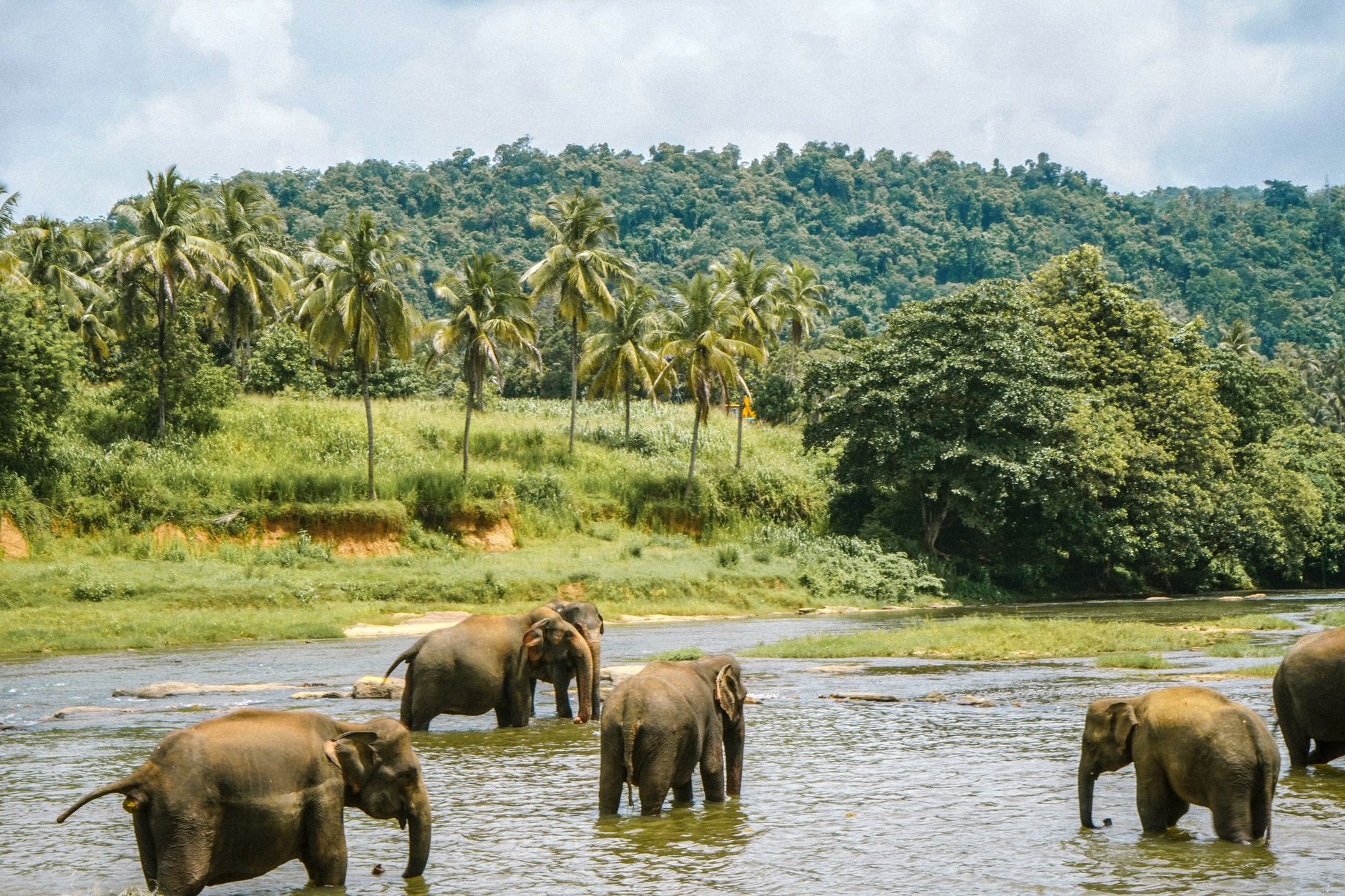
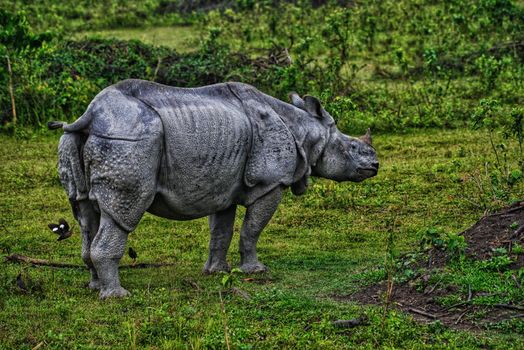
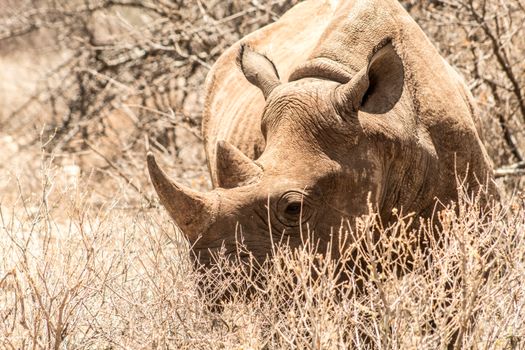
The Terai Arc Landscape (TAL) covers 19.5 million acres across southern Nepal and northern India. This landscape connects 15 protected areas through critical corridors like the Khata Corridor. These pathways allow wild Asian elephants, greater one-horned rhinos, and Bengal tigers to migrate between the lowlands and the foothills of the Himalayas.
``` +--------------------------------------------------------------------------+ | TERAI ARC LANDSCAPE CORRIDOR | | | | [Bardiya National Park] <==== (Khata Corridor) ====> [Katarniaghat] | | | | Key Actions: Community forestry, bio-fencing, anti-poaching patrols | +--------------------------------------------------------------------------+ ```
How You Can Help Maintain It
This corridor is managed largely by local communities. By staying in community-owned homestays in villages like Dalla, your travel dollars directly fund community forest user groups. These groups manage the corridor, plant bio-fencing (like thorny chamomile and lemon grass) to keep elephants out of crops, and run youth anti-poaching patrols.
- Pro-Tip: Hire a local guide from the Dalla homestay network for a walking safari through the Khata Corridor. Walking quietly through the community forest allows you to experience the jungle at ground level, listening for the warning bark of a barking deer that signals a tiger is nearby.
---
The Logistics: Planning Your Conservation Trip
When choosing to support or visit a wildlife corridor, careful planning is essential. Below is a breakdown of costs, logistics, and the best times to visit these five critical pathways.
| Corridor | Location | Est. Daily Cost ($) | Best Time to Visit | How to Get There | Key Volunteer Partner | | :--- | :--- | :--- | :--- | :--- | :--- | | Osa Peninsula | Costa Rica | $80 - $150 | Dec to April (Dry Season) | Fly to San José, take a regional flight to Puerto Jiménez. | Osa Conservation | | Yellowstone to Yukon | USA / Canada | $120 - $250 | June to Sept (Summer) | Fly to Calgary or Bozeman; rent a car for highway travel. | Y2Y Initiative | | European Green Belt | Germany | $90 - $170 | May to October | Fly to Frankfurt; take the DB train to Coburg or Nuremberg. | BUND | | Atherton Tablelands | Australia | $110 - $210 | May to November | Fly to Cairns; drive 1.5 hours inland up the Gillies Range. | TREAT | | Terai Arc Landscape | Nepal | $45 - $90 | Oct to March | Fly to Kathmandu, then fly internally to Nepalgunj. | WWF Nepal |
---
6. The Backyard Revolution: Building Micro-Corridors at Home
You don't need to purchase an international plane ticket to make a difference. The most fragmented habitats on Earth are often our own suburban neighborhoods.
``` [Your Garden: Native Plants] ====== (Insect Highway) ====== [Neighbor's Garden] | | (No Pesticides) (Wildflower Patch) ```
By transforming your garden, balcony, or community park into a micro-corridor, you can help migratory species survive.
- Plant Native Species: Replace sterile turf grass with native wildflowers. This creates vital refueling stations for monarch butterflies, native bees, and migratory songbirds.
- Install Wildlife Openings: If you have a fenced yard, cut a small 5x5 inch opening at the base of your fence. This simple step connects your yard to your neighbor's, creating a safe passage for hedgehogs, turtles, and frogs.
- Ditch the Pesticides: Chemical fertilizers and pesticides destroy the soil food web. Embrace a little wildness; leave fallen leaves in your garden beds to provide winter shelter for beneficial insects.
---
The Final Word: Travel with Purpose
The era of checklist tourism is winding down. The modern traveler is no longer content to simply take photos; we want to leave the places we visit better than we found them.
By visiting, supporting, and volunteering with these wildlife corridors, you are directly helping to repair the fractured canvas of our planet. Pack your boots, get ready to work, and join the movement to keep our wild spaces connected.
---
More pictures

Tags
Share this guide
We may earn a commission if you click a link and buy a product or service, at no extra cost to you. How affiliate links work.
Been there?