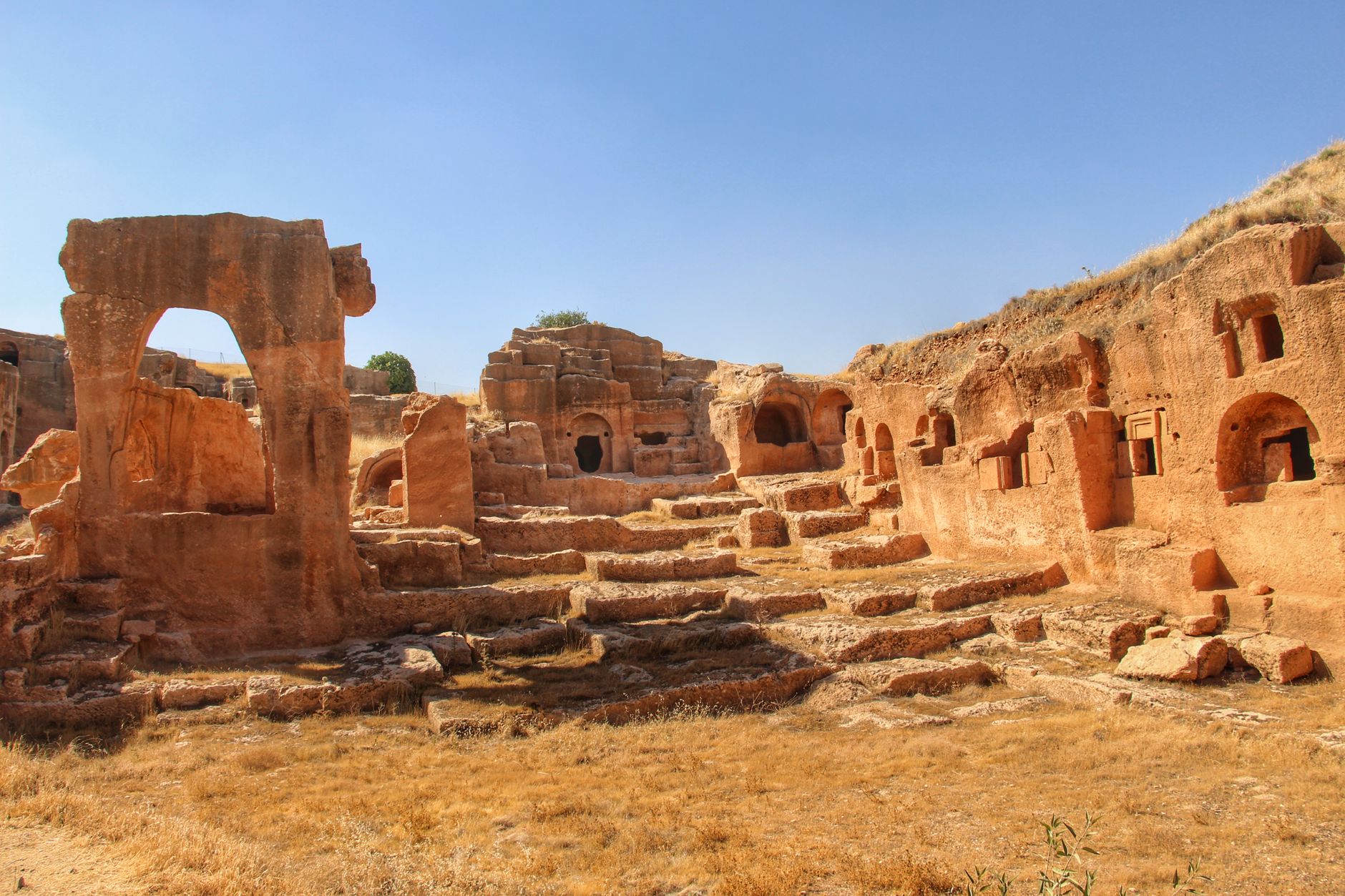
Can’t stand the thought of another generic, overcrowded holiday? Travel advisors are pointing high-value travelers toward a thrilling new trend: newly restored historical masterpieces that have spent decades behind scaffolding. From the subterranean gladiator tunnels of Rome to the deep turquoise tombs of Egypt, these five newly reopened ancient sites offer a rare, crowd-free window into the past. Here is your definitive, insider guide to exploring them before the rest of the world catches on. ---
The Hook: A Brush with the Ancient Past
I stepped off the regional train at Pompei Scavi, the sharp scent of wild fennel, damp volcanic tufa, and espresso smoke immediately filling my lungs. For nearly twenty years, a heavy, rusted padlock had barred the entrance to the House of the Vettii—the undisputed crown jewel of Pompeii’s domestic architecture. But on this crisp Mediterranean morning, the gate stood wide open.
Walking through the narrow vestibule, I stopped dead in my tracks. The restored frescoes lining the atrium were so vivid, the cinnabar red so wet-looking, it felt as though the Roman painter had just stepped away to wash his brushes in the Sarno River. The famous image of Priapus weighing his manhood against a sack of gold coins—long obscured by layers of yellowed wax and volcanic grime—practically leaped off the wall.
This isn't an isolated miracle. Across the globe, a quiet, multi-million-dollar archaeological renaissance has been taking place. While the world was locked down, conservators, stone-masons, and historians were quietly working behind scaffolding to bring the ancient world back to life.
Now, the dust has settled, the barriers have come down, and elite travel advisors are urging their clients to book immediately. Here are the five most significant restored historical sites reopening to visitors travel advisors suggest you add to your radar right now.
---
1. The House of the Vettii: Pompeii’s Decadent Masterpiece Revived
For two decades, the most famous domestic residence in Pompeii was wrapped in protective plastic and structural scaffolding. Now, after a meticulous, multidisciplinary restoration, the home of Aulus Vettius Conviva and Aulus Vettius Restitutus—two former slaves who amassed a fortune as wine merchants—is fully open to the public.
What makes this site so extraordinary is its raw look into the social climbing of the Roman elite. The Vettii brothers didn't have ancestral portraits, so they compensated with sheer, unadulterated luxury. The central peristyle garden has been replanted according to ancient pollen samples, complete with a complex, working lead pipe water system that once fed twelve bronze and marble fountains.
As you wander through the rooms, look closely at the miniature wall friezes. They depict Cupids engaged in various trades of the era: pouring wine, forging gold, and pressing olives. The level of detail is astonishing; you can actually see the individual tools used by the craftsmen.
- The Architecture: Classic Roman domus featuring a Tuscan atrium, a sweeping peristyle, and walls painted in the rare, expensive Fourth Style Pompeian red.
- The Vibe: High-society Roman decadence meets ancient entrepreneurial grit.
> Pro-Tip: Skip the main entrance line by purchasing your ticket online at least 48 hours in advance. Enter Pompeii through the Porta Marina gate at exactly 8:30 AM, and walk directly to Region VI. You will have the Vettii’s central peristyle entirely to yourself for about 45 minutes before the tour groups arrive.
---
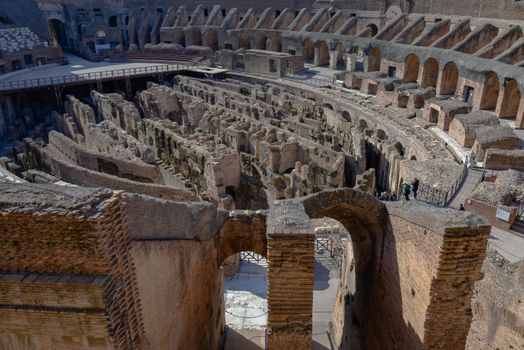
2. The Hypogeum of the Colosseum: Stepping Into the Gladiatorial Underbelly
For centuries, visitors to Rome's Flavian Amphitheater looked down from the wooden arena floor into a confusing maze of ruined brick walls. Today, thanks to a massive restoration project funded by the Italian luxury brand Tod’s, you can actually walk through the Hypogeum—the subterranean staging ground where gladiators, slaves, and wild beasts prepared for battle.
Walking through these damp, vaulted tunnels, you can feel the heavy, tense history of the space. Algae, calcification, and centuries of soot have been gently vaporized using specialized water-mist lasers, revealing the original red-brick arches and the travertine paving stones grooved by ancient cartwheels.
You’ll walk along a newly installed 160-meter wooden walkway, peering into the chambers that housed the hegmatas—manually operated wooden elevators that hoisted lions, leopards, and armed men directly onto the arena floor through trap doors.
- The Architecture: A complex, bi-level subterranean network of brick-faced concrete arches, radical drainage channels, and heavy travertine support pillars.
- The Vibe: Claustrophobic, dramatic, and intensely atmospheric.
> Pro-Tip: Book the "Luna sul Colosseo" (Colosseum by Night) tour. The subterranean chambers are lit by low-voltage LED spotlights designed to mimic moonlight, casting long, cinematic shadows across the brickwork that make the experience infinitely more evocative than visiting during the harsh midday sun.
---
3. Djoser’s Southern Tomb: Saqqara’s Turquoise Labyrinth
While the Giza Pyramids command the lion's share of tourist attention, Saqqara is where Egypt’s monumental stone architecture was born. After a grueling 15-year restoration to stabilize its crumbling ceilings and reinforce its deep shafts, the Southern Tomb of King Djoser is finally open to those brave enough to make the descent.
Built between 2667 and 2648 BC, the Southern Tomb serves as a symbolic counterpart to Djoser's Step Pyramid. To enter, you must walk down a modern wooden ramp into a 30-meter-deep vertical shaft carved directly into the solid limestone bedrock.
At the bottom lies a labyrinth of narrow, low-ceilinged corridors. The highlight is a series of chambers lined with brilliant, turquoise-colored faience tiles. These glazed ceramic tiles were designed to mimic the green reed mats that hung in the Pharaoh's earthly palace. They remain so intensely blue that they look almost synthetic, contrasting sharply with the pale, dusty desert limestone.
- The Architecture: A subterranean labyrinth featuring a massive pink granite sarcophagus chamber at the base of a vertical shaft, decorated with exquisite Old Kingdom bas-reliefs.
- The Vibe: Indiana Jones-style exploration, complete with tight spaces and cool, dry subterranean air.
> Pro-Tip: The descent and ascent require navigating a long, steep staircase in a confined space. Wear shoes with excellent rubber grip, as the limestone dust makes the steps incredibly slick. Bring a small pocket flashlight; shining it at an angle against the walls reveals the delicate, shallow-carved reliefs of King Djoser running the Heb-Sed festival.
---
4. The Picture Wall of Lahore Fort: A Mughal Masterpiece Restored
In Pakistan, the cultural capital of Lahore has quietly completed one of the most ambitious conservation projects in South Asia: the restoration of the Picture Wall at Lahore Fort. Spanning a massive 1,450 feet along the northern and western facades of the fort, this towering wall is essentially the world’s largest outdoor gallery of Mughal art.
Commissioned by Emperor Jahangir in the early 17th century and completed by his son Shah Jahan (the builder of the Taj Mahal), the wall is decorated with brilliant glazed clay tiles (kashi kari), intricate fresco paintings, and delicate filigree work. Over the centuries, monsoon rains, rising damp, and air pollution had left the wall dull, cracked, and structurally compromised.
Thanks to the Aga Khan Trust for Culture and local artisans, the wall has been stabilized using traditional lime-plaster techniques and organic pigments. The result is a dazzling display of courtly life, featuring vivid depictions of elephant fights, polo matches, angels, and intricate geometric patterns that seem to shift in color as the sun moves across the sky.
- The Architecture: A monumental Mughal fort wall combining Persian mosaic tilework, Hindu architectural motifs, and local Punjabi brickwork.
- The Vibe: A sensory explosion of imperial grandeur, cobalt blues, and mustard yellows.
> Pro-Tip: Enter the fort through the majestic Hathi Pol (Elephant Path) gate in the late afternoon. The low-angled golden hour sun hits the western flank of the Picture Wall, making the glazed tiles gleam with an amber light that makes the frescoed figures look almost three-dimensional.
---
5. Koh Ker: Cambodia’s Enigmatic Jungle Pyramid
For decades, the ancient city of Koh Ker was lost to the dense, dry-deciduous forests of northern Cambodia. It was a place of myth, shrouded in stories of curses, and tragically ringed by landmines left over from the Khmer Rouge era. Following a massive, years-long demining effort and the stabilization of its primary structures, Koh Ker was officially declared a UNESCO World Heritage site and is now fully accessible to travelers.
Built in the 10th century under the usurper King Jayavarman IV, Koh Ker served as the capital of the Khmer Empire for a brief, turbulent 20-year period. The centerpiece is Prasat Thom, a spectacular, seven-tiered sandstone pyramid that looks more like a Mayan temple in the Yucatan than a traditional Khmer sanctuary.
As you stand at the base of this 36-meter-tall monument, the silence of the surrounding jungle is broken only by the screech of cicadas and the distant calls of forest birds. The sandstone blocks are covered in thick, dark moss and strangled by the roots of massive banyan trees, creating a raw, untouched atmosphere that Angkor Wat lost long ago.
- The Architecture: A unique, seven-tiered volcanic sandstone pyramid with a sheer, stepped profile, surrounded by a complex system of moats, lateral shrines, and monumental stone lingas.
- The Vibe: Raw, mysterious, and deeply spiritual.
> Pro-Tip: Hire a private driver from Siem Reap at 5:00 AM to arrive at Koh Ker by 7:30 AM. At this hour, the morning mist still hangs low over the forest canopy, and you will likely be the only person climbing the newly installed wooden staircase to the top of Prasat Thom, where you can look out over an endless sea of green jungle.
---
The Logistics & Budget Blueprint
To help you plan your journey, here is a quick-reference guide to the logistics and costs associated with these newly reopened historical sites:
| Site & Location | Est. Entry Cost (USD) | Best Time to Visit | How to Get There | | :--- | :--- | :--- | :--- | | House of the Vettii (Pompeii, Italy) | $20 (Includes full Pompeii access) | October to April (Avoids summer heat) | Take the Circumvesuviana train from Naples Central Station directly to Pompei Scavi. | | Colosseum Hypogeum (Rome, Italy) | $32 - $60 (Depending on tour type) | November to February (Fewer crowds) | Take Rome Metro Line B to the Colosseo station; the entrance is a 2-minute walk. | | Djoser’s Southern Tomb (Saqqara, Egypt) | $8 (Plus $12 Saqqara site ticket) | November to March | Hire a private driver from Cairo (approx. 45-minute drive south of the city). | | Picture Wall of Lahore Fort (Lahore, Pakistan) | $5 (For international visitors) | November to February (Cool, dry winter) | Fly into Lahore (LHE) and take a registered taxi or private car to the Walled City. | | Koh Ker Pyramid (Siem Reap Province, Cambodia) | $15 (Separate from Angkor Pass) | December to February (Dry, cool season) | Hire a private 4x4 vehicle from Siem Reap for a 2-hour drive northeast. |
---
Why Travel Advisors Urge You to Visit Now
In the travel industry, there is a concept known as the "soft-opening window." When a major historical site reopens after a long closure, there is a brief period—usually lasting between 12 to 24 months—before the general public realizes it is accessible.
During this window, visitor numbers are low, local guides are exceptionally enthusiastic, and the physical state of the restoration is at its absolute peak. There is no graffiti, no wear-and-tear from thousands of daily backpacks, and no yellow caution tape blocking your view.
"We are telling our high-end clients to prioritize these sites immediately," says one luxury travel advisor. "These aren't just places to take a photo; they are living testaments to human ingenuity that have been saved from decay. To see them now, fresh from the hands of the restorers, is as close to time travel as you can get."
Make your plans, pack your sturdiest boots, and go witness these resurrected wonders for yourself before the rest of the world catches up.
---
More pictures

Tags
Share this guide
We may earn a commission if you click a link and buy a product or service, at no extra cost to you. How affiliate links work.
Been there?