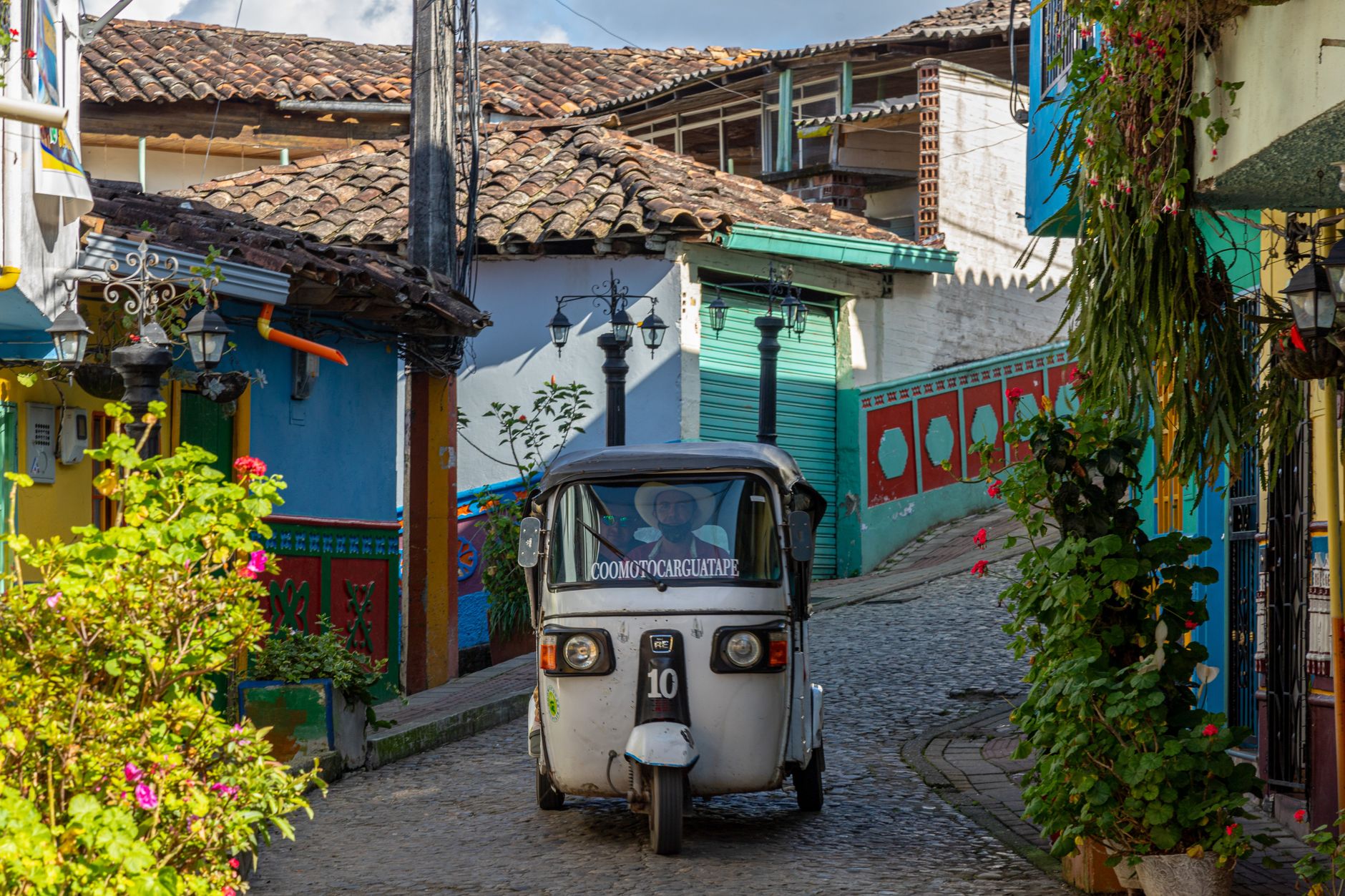
Forget the overtourism nightmares of Venice and Santorini this summer. Instead, pack your bags for the world’s most resilient corners—regions that have quietly stepped out from the shadow of decades of conflict to become the most exciting, culturally rich, and safe travel destinations on the planet. From the coffee-scented hills of Medellín to the untouched Tamil temples of northern Sri Lanka, this is your ultimate guide to the destinations that are reclaiming their narratives and welcoming intrepid travelers with open arms. ---
The Hook: A Morning in Sarajevo
I stepped off the night train into Sarajevo’s Koševo station just as the morning mist began to peel back from the Miljacka River. The air was cool, carrying the sharp, comforting scent of roasted somun bread baking in wood-fired ovens and the faint, herbal aroma of cardamom-laced Bosnian coffee. Around me, the city was waking up not with a sigh, but with a vibrant hum.
Thirty years ago, this very valley was a crucible of siege and survival. Today, the only sounds echoing off the surrounding Dinaric Alps are the chiming bells of the Catholic Cathedral of the Sacred Heart, the deep resonance of the Gazi Husrev-beg Mosque’s call to prayer, and the clinking of copper pots being hammered into shape along Kazandžiluk street.
``` [East Meets West Line] Sarajevo's literal street marker where Ottoman cobblestones meet Austro-Hungarian tiled avenues. A physical bridge of history. ```
This is the magic of travel in regions that have stabilized after decades of conflict. These are not places of passive observation; they are living, breathing monuments to human resilience. Travel here does not just fill a passport page—it directly funds the rebuilding of communities, rewards local preservation efforts, and offers an raw authenticity that over-touristed hotspots lost decades ago.
If you are looking for a journey that will shift your perspective, challenge your assumptions, and leave you utterly spellbound, these five stabilizing regions are trending this summer for all the right reasons.
---
1. Sarajevo, Bosnia and Herzegovina: The Jerusalem of Europe Reclaims Its Soul
For nearly four years in the mid-1990s, Sarajevo was cut off from the world. Today, it is one of Europe's most captivating, affordable, and culturally dense capitals. It is a place where you can stand on the Latin Bridge—where the assassination of Archduke Franz Ferdinand sparked World War I—and walk fifty paces to buy hand-woven carpets under Ottoman-era domes.
The Vibe
Think Istanbul’s grand bazaar meets Vienna’s grand avenues, all packed into a narrow mountain valley. The city’s energy is deeply communal. Locals spend hours sitting on low wooden stools in the Baščaršija (the old bazaar), nursing cups of thick Bosnian coffee served in copper džezvas.
The Deep-Dive Experience
To truly understand Sarajevo, you must hike the abandoned Olympic Bobsled Track on Trebević Mountain. Built for the 1984 Winter Games, it was used as an artillery position during the war. Today, nature and street artists have reclaimed it. The concrete curves are covered in layers of brilliant, kaleidoscopic graffiti, and walking down its banking walls feels like exploring a futuristic, open-air gallery swallowed by a pine forest.
``` [Trebević Bobsled Track] A 1.3-kilometer concrete ribbon winding through pine forests. Now a canvas for international street artists and hikers. ```
- Pro-Tip: Skip the crowded sunset crowds at the Yellow Bastion (Žuta Tabija). Instead, walk ten minutes further up the steep, winding cobblestones of the Vratnik neighborhood to the White Bastion (Bijela Tabija). You will have the ruins of this medieval fortress almost entirely to yourself, offering a 360-degree view of the city as the streetlights begin to twinkle like fallen stars in the valley below.
- The Food: Head to Ćevabdžinica Željo for the definitive plate of ćevapi—grilled minced meat sausages tucked into warm, pillowy somun bread, served with a generous dollop of kajmak (clotted cream). Do not ask for ketchup; it is considered a culinary crime here.
---
2. Medellín, Colombia: From Cartel Capital to Urban Innovation Pioneer
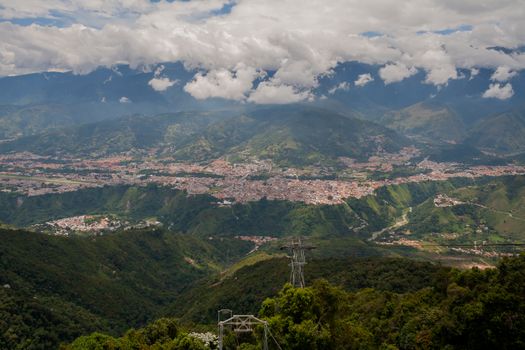
In the 1980s and 90s, Medellín was labeled the most dangerous city on earth. The reign of Pablo Escobar and the subsequent paramilitary conflicts left the city fractured. But over the last fifteen years, "The City of Eternal Spring" has undergone a miraculous transformation, using public architecture, cable cars, and social programs to heal its deepest wounds.
The Vibe
Electric, green, and unapologetically loud. Medellín sits in the Aburrá Valley, surrounded by emerald mountains that seem to lean over the high-rises. The air smells of sweet fried plantains, mountain rain, and diesel fuel.
The Deep-Dive Experience
The focal point of Medellín’s rebirth is Comuna 13. Once a hillside stronghold for gangs and militias, it is now a riot of color, music, and outdoor escalators that connect the mountaintop community to the metro system below. Local youths lead walking tours, explaining the history of the neighborhood through the giant murals that cover almost every vertical surface.
``` [Comuna 13 Escalators] Six sections of covered outdoor escalators climbing 384 meters. Replaced a grueling 30-minute climb with a 6-minute scenic ride. ```
- Pro-Tip: When taking the Metrocable Line K up to Santo Domingo, ride it all the way to the end and transfer to the line heading to Parque Arví. Most tourists skip this transition, but it takes you over the crest of the mountain into a massive, misty nature reserve of native forests and wildflower trails that feels a world away from the chaotic city below.
- The Drink: Skip the touristy cocktail bars in El Poblado for an afternoon. Head instead to the traditional neighborhood of Laureles and find a small tienda playing salsa music. Order a cold Club Colombia beer and ask for a shot of Aguardiente Antioqueño—an anise-flavored liqueur that locals drink neat with a slice of lime.
---
3. Jaffna, Sri Lanka: The Untouched Tamil North
While southern Sri Lanka has been a tourist staple for decades, the northern peninsula of Jaffna was cut off from the rest of the country by a brutal 26-year civil war that ended in 2009. Because of this long isolation, Jaffna has preserved a raw, deeply traditional Tamil culture that is entirely distinct from the Buddhist south.
The Vibe
Sun-drenched, dusty, and spiritual. The landscape is dominated by towering Palmyra palms, flat lagoons reflecting pale blue skies, and brilliant, neon-colored Hindu temples (kovils) that pulse with the sound of drumming and oboe-like nadaswaram music.
The Deep-Dive Experience
The spiritual heart of the north is the Nallur Kandaswamy Kovil. This massive temple complex, with its golden archways and red-and-white striped walls, is dedicated to the god Murugan. The energy here during the evening Pooja (worship) ceremony is intoxicating: hundreds of worshippers, the scent of burning camphor and crushed jasmine flowers, and the hypnotic chanting of priests.
``` [Nallur Kandaswamy Kovil] Golden towers (Gopurams) rising against a cobalt sky. A sacred space of devotion, oil lamps, and ancient Tamil rituals. ```
- Pro-Tip: To visit the remote island of Delft (Neduntheevu), you must catch the rickety, navy-run ferry from the Kurikadduwan jetty at exactly 8:30 AM. The crossing can be rough, but you will land on an island made entirely of coral, where wild ponies—descendants of those left behind by Dutch colonizers in the 17th century—roam past fences made of dried cactus.
- The Food: Jaffna crab curry is legendary. It is prepared with a unique spice blend called jaffna curry powder, which relies heavily on roasted fennel seeds, cumin, coriander, and dried moringa leaves. Eat it at Hotel Rolex (which is actually a humble diner, not a luxury hotel) using your right hand to scoop up the rich, fiery gravy with fresh parotta flatbread.
---
4. Kigali, Rwanda: The Cleanest, Safest Capital Rising from the Ashes
Thirty years after the 1994 genocide, Rwanda has pulled off one of the most remarkable turnarounds in modern history. Today, Kigali is consistently ranked as the cleanest and safest capital city in Africa. It has bypassed traditional developmental steps to position itself as a high-tech hub, an eco-tourism pioneer, and a center for contemporary African art.
The Vibe
Immaculately organized, hilly, and forward-looking. The streets are lined with manicured gardens and free of litter (thanks to Umuganda, a monthly community cleanup day). At night, the city lights drape over Kigali's dozens of hills like nets of gold beads.
The Deep-Dive Experience
While the Kigali Genocide Memorial is an essential, sobering visit to understand the country’s past, the Inema Arts Center is where you go to see its future. Founded by two self-taught brother artists, this vibrant space houses contemporary paintings, sculptures, and mixed-media works that challenge traditional African aesthetics. On Thursday nights, the center hosts a lively courtyard party where local dancers perform to live Afrobeat music.
``` [Inema Arts Center] A creative oasis where contemporary Rwandan art meets social activism. A testament to the country's creative rebirth. ```
- Pro-Tip: For the best view of the city, head to the Nyamirambo neighborhood and book a walking tour with the Nyamirambo Women’s Center. They will guide you through the narrow car-free alleys, past colorful hair salons and tailors, ending with a traditional lunch at a local home. It is the most authentic way to experience Kigali's oldest, most vibrant multicultural quarter.
- The Drink: Visit a local "Milk Bar" (such as Kurdi’s Milk Bar). In Rwanda, milk is a symbol of peace and prosperity. Locals gather in these small, tiled shops to drink cold glasses of ikivuguto—a thick, tart, fermented milk beverage that tastes like a cross between kefir and Greek yogurt, usually paired with a sweet banana or a warm chapati.
---
5. Belfast, Northern Ireland: Beyond the Troubles to a Culinary & Maritime Renaissance
For thirty years, Northern Ireland’s capital was synonymous with "The Troubles"—a period of intense sectarian conflict that ended with the Good Friday Agreement in 1998. Since then, Belfast has undergone a massive regeneration. The historic shipyards that built the Titanic have been transformed into a glittering entertainment district, and the city’s food scene has exploded with Michelin-starred innovation.
The Vibe
Witty, gritty, and incredibly warm. Belfast locals possess a sharp, self-deprecating humor and a passion for storytelling. The city feels industrial yet elegant, with Victorian red-brick architecture standing alongside modern glass structures.
The Deep-Dive Experience
To understand Belfast's complex history, take a Black Cab Tour of the Peace Walls. These towering barriers still separate Republican (Catholic) and Loyalist (Protestant) neighborhoods in West Belfast. The drivers, many of whom lived through the conflict, provide an deeply personal, nuanced history of the murals that cover the walls, showing how art is used to process historical trauma.
``` [Belfast Peace Walls] Monolithic barriers of concrete, metal, and mesh. Now covered in messages of peace from visitors worldwide. ```
- Pro-Tip: Skip the crowded daytime pub crawls in the Cathedral Quarter. Instead, head to the historic Kelly’s Cellars (built in 1720) on a Tuesday night. Sit by the open turf fire, order a pint of perfectly poured Guinness, and listen to the local musicians who gather spontaneously in the corner for traditional Irish music sessions (seisiúns).
- The Food: Try an "Ulster Fry" at Maggie May’s. This legendary breakfast includes back bacon, pork sausages, fried eggs, black pudding, and—most importantly—fried potato bread and soda bread. It is the ultimate fuel for a long day of coastal exploring.
---
The Ethics of Peace Tourism: How to Travel Responsibly
Traveling to regions recovering from conflict comes with a unique set of ethical responsibilities. You are not just a consumer of experiences; you are an active participant in a delicate healing process.
- Support the Local Economy Directly: Stay in locally-owned guesthouses, hire independent local guides, and buy handicrafts directly from the artisans. This ensures that tourist dollars reach the communities that need them most, rather than multinational corporations.
- Respect Local Sensitivities: Avoid treating tragic history as a photo opportunity. When visiting sites like the Kigali Genocide Memorial or the graves of Belfast, put your camera away. Listen more than you speak.
- Ask Permission: In many of these regions, older generations may still carry psychological scars from surveillance or military presence. Always ask before taking photos of people, their homes, or any government/military installations.
- Acknowledge Nuance: Avoid taking sides in historical or political debates. Every conflict is incredibly complex, and as a visitor, your role is to listen to diverse perspectives with empathy and an open mind.
---
Budget & Logistics: Quick Facts
| Destination | Est. Daily Budget (USD) | Best Time to Visit | How to Get There | Key Local Dish | | :--- | :--- | :--- | :--- | :--- | | Sarajevo, Bosnia | $45 - $65 (Budget-Friendly) | May to September | Fly into Sarajevo International Airport (SJJ) | Ćevapi in warm somun bread | | Medellín, Colombia | $50 - $75 (Moderate) | Year-round (June-Aug is dry) | Fly into José María Córdova Airport (MDE) | Bandeja Paisa or Arepa de Choclo | | Jaffna, Sri Lanka | $35 - $50 (Very Cheap) | January to September | Train (Yarl Devi) from Colombo to Jaffna | Fiery Jaffna Crab Curry | | Kigali, Rwanda | $70 - $120 (Mid-Range) | June to September (Dry season) | Fly into Kigali International Airport (KGL) | Akabanga (chili oil) on grilled tilapia | | Belfast, N. Ireland | $90 - $140 (Premium) | June to August | Fly into Belfast International (BFS) | Traditional Ulster Fry breakfast |
---
Summary: The Final Word
The world is changing, and the maps we drew thirty years ago are no longer accurate. The regions that once filled our news feeds with stories of strife are now filling our travel feeds with stories of hope, innovation, and unparalleled hospitality.
By choosing to visit these stabilizing regions this summer, you are not just escaping the crowds—you are witnessing one of the most beautiful phenomena on earth: the triumph of human resilience over history. Pack your bags, leave your preconceptions at home, and go see the world rebuild itself.
---
More pictures


Tags
Share this guide
We may earn a commission if you click a link and buy a product or service, at no extra cost to you. How affiliate links work.
Been there?