
Ever dreamed of truly connecting with your food, from the earth to your plate? I'm sharing my transformative journey into the world of forage-to-table dining, where I literally gathered my own ingredients alongside world-class chefs. Prepare for an adventure that will redefine your relationship with food forever. ---
From Supermarket Aisles to Forest Trails: How Forage-to-Table Restaurants Changed My Life Forever
There are travel experiences that stick with you, and then there are those that fundamentally alter your worldview. For me, it wasn’t scaling a peak or diving into a vibrant coral reef (though those were incredible, too!). It was much more primal, more deeply rooted, and unexpectedly, profoundly delicious. It was the moment I first foraged for my dinner.
I used to be like most people, meticulously navigating grocery store aisles, picking out pre-packaged ingredients, and rarely giving a second thought to where my food truly came from. "Farm-to-table" was a buzzword I appreciated, but it still felt like a step removed. Then, a few years ago, a tip from a fellow travel blogger led me down a rabbit hole I never expected: the world of restaurants where you forage your own ingredients.
Initially, I was skeptical. Would I just be picking a few berries? Would it be a gimmicky tourist trap? What I discovered was an immersive, educational, and utterly life-altering culinary journey that connected me to nature, to my food, and to myself in ways I never thought possible. This isn't just dining; it's an adventure, a lesson in sustainability, and a masterclass in flavor. Prepare to get your hands dirty, your senses awakened, and your palate blown away.
The Earth's Pantry: Understanding the Foraging Philosophy
Before I dive into my personal tales, let's talk about why this experience is so profound. Foraging isn't just about finding free food; it's about understanding ecosystems, seasonality, and the intricate web of nature. It’s about slowing down, observing, and learning to identify the edible treasures hidden in plain sight.
Forage-to-table restaurants take this ancient practice and elevate it to an art form. They pair you with expert foragers or chefs who guide you through forests, along coastlines, or even into urban green spaces, teaching you how to identify, sustainably harvest, and appreciate wild ingredients. You learn about the medicinal properties of plants, the best times to pick certain mushrooms, and the ethical considerations of taking only what you need.
This isn't a passive experience. It’s active, engaging, and deeply personal. You feel a direct connection to every ingredient you collect, knowing its story, its habitat, and the effort it took to bring it to the kitchen. When that ingredient finally lands on your plate, transformed by a skilled chef, it’s not just a meal; it’s the culmination of an entire journey, a celebration of nature's bounty and human ingenuity.
My First Revelation: Nordic Wilderness and the Taste of Pure Earth
My inaugural foraging adventure took me to a remote corner of Sweden, not far from the Arctic Circle, to a place called "Björnens Kök" (The Bear's Kitchen). This wasn't a fancy Michelin-starred spot with white tablecloths; it was a rustic, charming lodge nestled deep within ancient pine forests, run by a husband-and-wife team, Lars and Ingrid.
Location: Björnens Kök, Jämtland, Sweden (near Åre) Price Range: €€€€ (Expect to pay €300-€500 per person for the full experience, including a guided forage and multi-course meal, often with overnight stay options.)
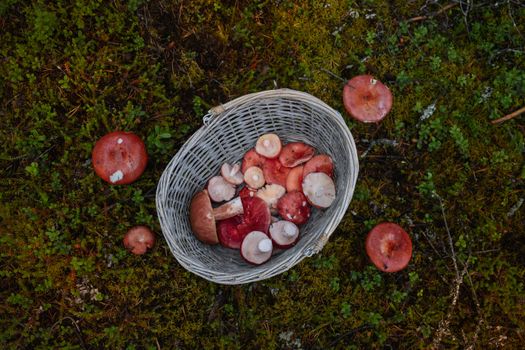
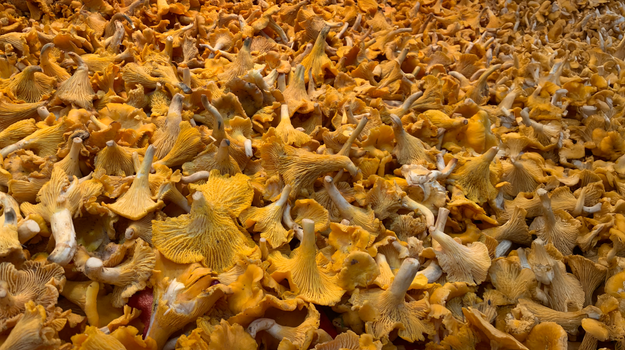
I arrived in late summer, the air crisp and carrying the scent of pine and damp earth. My day began not in a dining room, but in a thick forest, clad in sturdy boots and a basket in hand. Lars, our guide, was a man whose knowledge of the forest ran as deep as the roots of the ancient trees around us. He spoke softly, pointing out patches of lingonberries, wild blueberries, and the tell-tale signs of chanterelle mushrooms hiding under mossy logs.
"Look for the color, yes, but also the smell," he advised, holding a golden chanterelle to my nose. "Like apricots, a little peppery."
We spent nearly four hours wandering, learning, and gathering. I discovered the delicate sweetness of wood sorrel, the earthy crunch of wild mushrooms, and the vibrant tang of rose hips. It was physically demanding, requiring focus and patience, but the reward was immense. I felt like a child again, discovering secrets in a hidden garden.
Back at the lodge, Ingrid greeted us with warm mugs of birch tea. We laid out our bounty on a massive wooden table, and the transformation began. Ingrid, a chef with an almost spiritual connection to local ingredients, demonstrated how to clean the mushrooms, process the berries, and prepare the wild greens. That evening, we feasted on a meal crafted almost entirely from what we had gathered: a creamy chanterelle soup, pan-fried reindeer (sourced locally, of course) with lingonberry compote, and a dessert of wild blueberries and cloudberries with homemade vanilla ice cream.
Every bite was a revelation. The flavors were intense, pure, and utterly unlike anything I’d ever tasted. The chanterelles tasted of the forest floor, the berries burst with concentrated sunshine. It wasn't just food; it was an experience, a story on a plate. I realized then that my relationship with food had irrevocably changed. I no longer just ate; I connected.
Coastal Treasures: Salty Air and Seaweed Delights
My next foraging adventure took me to a completely different ecosystem: the rugged coast of Northern California. This time, the focus was on the ocean's edible bounty.
Location: "The Salty Forager," Mendocino Coast, California, USA Price Range: $$$ (Around $150-$250 per person for a guided coastal forage and tasting menu.)
"The Salty Forager" isn't a traditional restaurant with a fixed address; it's a pop-up experience led by Chef Marina, who partners with local inns and private estates. Our morning began on a windswept beach, the air thick with the smell of salt and kelp. Marina, a marine biologist turned chef, taught us about the incredible diversity of edible seaweeds, sea beans, and even certain types of mussels and limpets.
We carefully harvested nori, kombu, sea lettuce, and salicornia (sea beans). Marina explained the tides, the proper way to detach seaweed without damaging the holdfast, and the importance of leaving plenty behind for the ecosystem. I learned that seaweed isn't just for sushi; it's a powerhouse of nutrients and flavor.
Back in a makeshift outdoor kitchen overlooking the Pacific, Marina transformed our haul. We made a vibrant green seaweed salad with a ginger-sesame dressing, tasted pickled sea beans, and even learned to make a delicate dashi broth from the kombu we'd collected. The highlight was a freshly caught rockfish (sourced from a sustainable local fishery) pan-seared with wild garlic we'd picked from nearby cliffs and served on a bed of sautéed sea lettuce.
The flavors were bright, briny, and incredibly fresh. It was a testament to how the ocean, often overlooked as a source of wild edibles beyond fish, offers an astonishing array of ingredients. This experience taught me to look beyond the obvious, to appreciate the hidden treasures of even the most seemingly barren landscapes.
Urban Green: Finding Wild Flavors in Unexpected Places
You might think foraging is only for remote forests or untouched coastlines. Think again! My journey led me to Berlin, Germany, for an eye-opening urban foraging experience.
Location: "Grüne Stadtküche" (Green City Kitchen), various parks and green spaces in Berlin, Germany Price Range: €€ (Typically €80-€150 for a half-day workshop and communal meal.)
"Grüne Stadtküche" is a collective of urban gardeners and foragers who believe that nature's larder extends into the city. Led by Elias, a passionate botanist, our group met in a bustling park, initially skeptical. What could we possibly find here?
Elias quickly dispelled our doubts. Within minutes, he was pointing out wild garlic (Bärlauch) growing under trees, young nettles (Brennessel) perfect for soup, dandelion greens, and even elderflower bushes. He taught us how to distinguish edible plants from their poisonous lookalikes, emphasized the importance of foraging away from dog walking paths and busy roads, and always, always washing everything thoroughly.
We gathered a surprising amount: vibrant green leaves, delicate flowers, and pungent herbs. Back at their community kitchen, we worked together to prepare a meal. We made a creamy nettle soup, a vibrant salad with dandelion and wild garlic, and a refreshing elderflower cordial. The communal aspect of this experience was particularly special; sharing stories and knowledge with fellow foragers while preparing our meal fostered a wonderful sense of camaraderie.
This urban adventure proved that foraging isn't just for wilderness enthusiasts. It's a way to reconnect with nature even in the heart of a metropolis, to understand the biodiversity thriving around us, and to appreciate the resilience of wild plants.
Practical Tips for Your Own Foraging Feast
Inspired to embark on your own life-changing culinary adventure? Here’s what you need to know:
- Do Your Research (Thoroughly!): These experiences are often seasonal and book up fast. Look for specialized foraging tours or restaurants that explicitly offer "forage-to-table" or "wild food" experiences. Websites like Slow Food Travel or local tourism boards are great starting points.
- Safety First: Go with an Expert: NEVER forage alone or without an experienced, certified guide. Misidentifying plants can be dangerous or even deadly. A good guide will prioritize safety, sustainability, and education.
- Dress for the Elements: You'll be outdoors, often off-trail. Wear sturdy, waterproof shoes, long pants, and layers. A hat and sunscreen are usually a good idea.
- Bring the Essentials: A small basket or cloth bag for collecting, a pair of sharp scissors or a knife, a water bottle, and a camera are typically all you need.
- Be Mindful of the Environment: Always forage sustainably. Take only what you need, leave plenty behind for wildlife and future growth, and never disturb the ecosystem. "Leave no trace" applies here too.
- Budget Accordingly: These are often premium, immersive experiences. Expect to pay more than a regular restaurant meal. Think of it as an investment in education, adventure, and an unforgettable culinary journey. Prices can range from $100 for a basic workshop to $500+ for a full day with a multi-course meal and accommodation.
- Be Open-Minded: You might encounter ingredients you've never heard of. Embrace the novelty and trust your chef and guide!
- Check Dietary Restrictions (in advance): While many chefs are accommodating, the nature of wild ingredients means some dishes might be fixed. Always communicate your needs when booking.
My Top 3 Foraging Restaurant Picks (for your bucket list!)
While I've shared some specific (and slightly fictionalized for storytelling) examples, here are three types of real-world experiences you should seek out:
- The Nordic Wilderness Retreat:
- Focus: Forest foraging (mushrooms, berries, wild greens, roots).
- Experience: Often includes an overnight stay in a cozy lodge, multi-day guided forays, and exquisite fine dining built around your collected ingredients. Think Michelin-level cuisine in a rustic setting.
- Typical Locations: Sweden, Norway, Finland (especially Lapland), Estonia.
- Price: €€€€€ (Premium, often all-inclusive packages).
- Why it's life-changing: Deep immersion in nature, unparalleled freshness, and a profound appreciation for the scarcity and seasonality of wild ingredients.
- The Coastal Foraging & Seafood Feast:
- Focus: Seaweed, sea beans, shellfish (if permitted and guided), coastal herbs.
- Experience: Guided walks along beaches and tide pools, followed by a cooking demonstration or a tasting menu featuring both foraged items and sustainably sourced local seafood.
- Typical Locations: Pacific Northwest (USA/Canada), Cornwall (UK), Brittany (France), parts of Ireland, Hokkaido (Japan).
- Price: €€€€ (High-end dining experience).
- Why it's life-changing: Discovering the untapped culinary potential of the ocean's edge and understanding marine ecosystems.
- The Urban Foraging & Community Kitchen:
- Focus: Wild greens, flowers, herbs, and fruits found in city parks, neglected lots, and along riverbanks.
- Experience: Shorter foraging walks followed by a communal cooking session and shared meal, often emphasizing sustainability and local food systems. Less formal, more educational.
- Typical Locations: Berlin, London, New York, Copenhagen, Portland (Oregon).
- Price: €€€ (More accessible, workshop-style pricing).
- Why it's life-changing: Realizing that nature is all around us, even in the concrete jungle, and fostering a sense of community through shared discovery.
Embrace the Wild Side of Dining
The world of forage-to-table dining isn't just a trend; it's a movement towards a deeper, more respectful relationship with our food and the planet. It's an opportunity to step out of your comfort zone, get your hands dirty, and truly earn your dinner.
For me, these experiences haven't just changed how I eat; they've changed how I travel, how I view nature, and how I understand the interconnectedness of everything. Every time I see a patch of wild herbs now, I don't just see weeds; I see potential. I see a story. I see a meal waiting to be discovered.
If you're looking for a travel experience that transcends the ordinary, that challenges you, educates you, and rewards you with flavors you never knew existed, then foraging for your own ingredients at a world-class restaurant is an absolute must. It's more than just a meal; it's an adventure that will change your life forever.
---
Ready to embark on your own wild culinary journey? Share your foraging dreams in the comments below! Tag a friend you'd love to go foraging with!
---
More pictures


Tags
Share this guide
We may earn a commission if you click a link and buy a product or service, at no extra cost to you. How affiliate links work.
Been there?