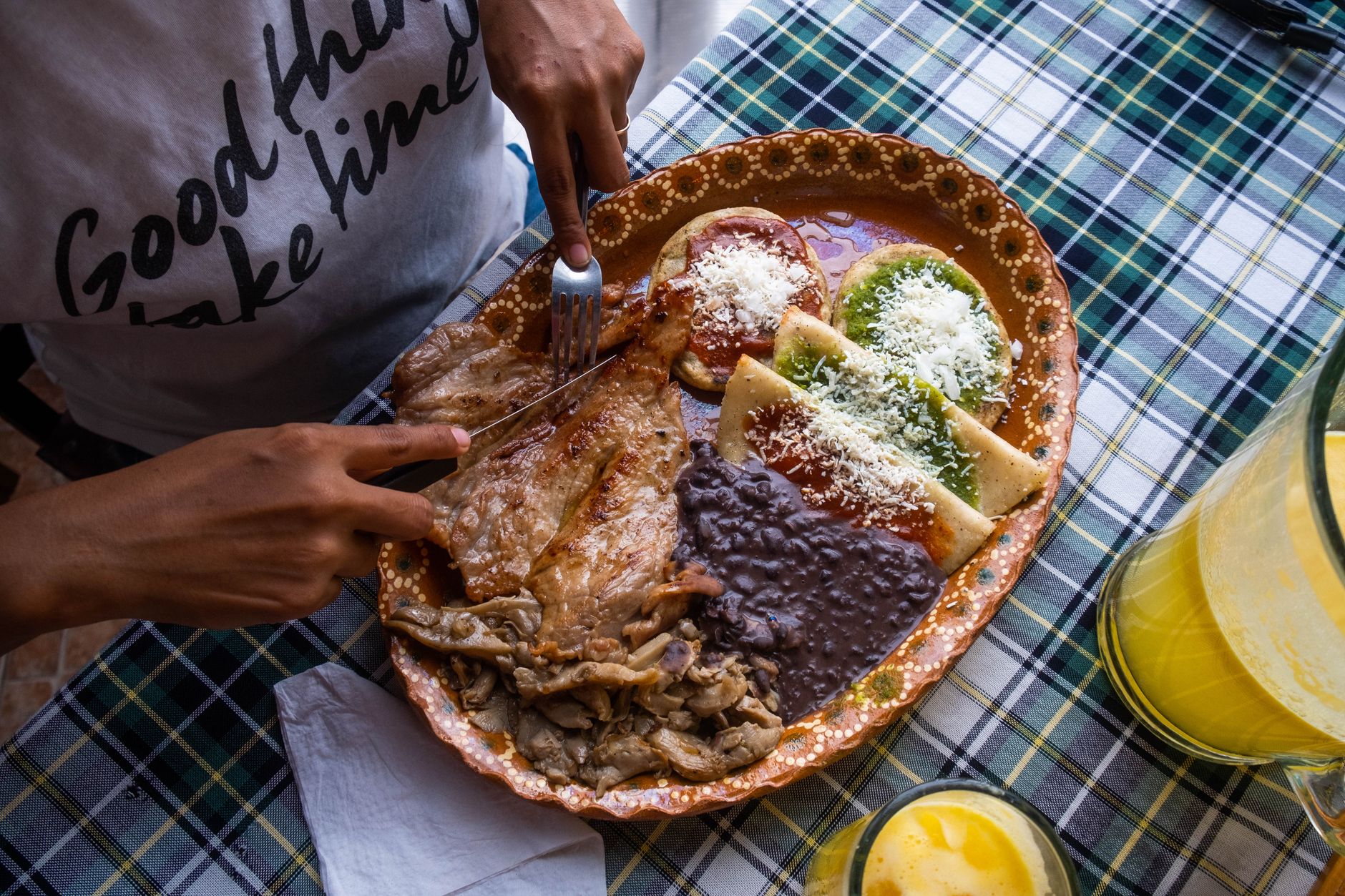
Forget your forks and knives! We're diving deep into the world of truly authentic dining, where the best flavors are savored with your bare hands. Get ready to discover the secret spots influencers won't tell you about, promising a delicious, unpretentious, and unforgettable culinary adventure. ---
Ditch the Fork! 7 Secret Hand-Eating Spots Instagram Influencers Don't Want You to Know
Let's be honest. How many times have you scrolled through your feed, admiring a perfectly plated dish, strategically lit, with a manicured hand delicately holding a fork, poised for the 'gram? It's beautiful, it's aspirational, and sometimes, it's just… exhausting. It’s a performance, a curated reality that often misses the very essence of what makes food truly special: connection, tradition, and the unadulterated joy of getting a little messy.
I remember my own "aha!" moment. I was in a bustling market in Chennai, India, surrounded by the intoxicating aromas of spices and frying snacks. A local friend, seeing me gingerly trying to pick up a morsel of dosa with a spoon, laughed warmly. "No, no, my friend!" he exclaimed, then deftly tore a piece of the crispy crepe, scooped up a dollop of coconut chutney and a spoonful of sambar, and popped it into his mouth with his right hand. He gestured for me to try. Hesitantly, I mimicked his actions. The immediate sensation was transformative. The warmth of the food, the subtle textures I'd missed with a utensil, the direct contact with the spices – it was an explosion of sensory delight. It wasn't just eating; it was experiencing.
That day, I learned that some of the world's most incredible culinary experiences happen when you ditch the cutlery, roll up your sleeves, and dive in with your hands. These aren't the places with minimalist decor and perfectly filtered lighting that influencers flock to. These are the vibrant, noisy, soul-satisfying spots where food is celebrated in its most authentic form. And trust me, these are the meals that will stick with you long after the perfectly posed shots fade from memory.
Ready to get your hands dirty? Let's explore some of the world's best hand-eating destinations that the 'gram might overlook, but your taste buds will never forget.
1. The Philosophy of Fingers: Why Eating with Hands is a Game-Changer
Before we dive into specific cuisines, let's talk about why eating with your hands is so profoundly different. It's not just about convenience; it's deeply cultural and sensory.
- Sensory Immersion: Your hands are incredibly sensitive. Touching your food allows you to feel its temperature, texture, and consistency before it even reaches your mouth. This adds another layer to the flavor profile, enhancing the overall experience. The warmth of a freshly baked injera, the slight stickiness of coconut rice, the crispness of a fried fish – these sensations are lost with a fork.
- Cultural Connection: In many cultures, eating with hands is a sign of respect for the food and a continuation of ancient traditions. It connects you directly to the people, the history, and the rituals surrounding the meal. It's an act of communion, often shared from communal platters.
- Mindful Eating: Without the distraction of utensils, you tend to be more present with your food. You focus on each bite, savoring the moment and the flavors. It slows you down, turning a meal into an experience rather than just fuel.
- Breaking Down Barriers: There's something inherently egalitarian about eating with your hands. It strips away pretension and fosters a sense of camaraderie, especially when sharing food from a common plate.
So, next time you're hesitant, remember: you're not just eating; you're engaging in a time-honored tradition that elevates the simple act of dining into a profound cultural journey.
2. Ethiopian Feasts: Injera & Communal Bliss
If there's one cuisine that epitomizes communal hand-eating, it's Ethiopian. The star of the show is injera, a spongy, sour fermented flatbread that serves as both your plate and your utensil.
My first Ethiopian meal outside of Ethiopia was in a small, unassuming restaurant in Washington D.C.'s Adams Morgan neighborhood. The aroma of spices, particularly berbere, hit me the moment I walked in. We ordered a "Beyaynetu," a large platter with a variety of stews (wots) and vegetables spread out on a giant injera. Our waiter patiently explained the ritual: tear off a piece of injera, scoop up a bit of Doro Wat (spicy chicken stew) or Misir Wot (red lentil stew), and pop it in your mouth.
The beauty of Ethiopian dining is its inherent communal nature. Everyone eats from the same platter, breaking bread (literally!) together. It’s an intimate act that fosters conversation and connection. The flavors are rich, complex, and deeply satisfying – from the fiery heat of the berbere to the earthy notes of the lentils and collard greens.
Where to Find It:
- Addis Ababa, Ethiopia: Everywhere! From bustling local gursha houses to more upscale restaurants, injera is king. Expect to pay 150-300 ETB ($3-6 USD) for a generous meal.
- Washington D.C., USA: D.C. has a huge Ethiopian diaspora. Places like Ethiopic Restaurant or Zenebech Restaurant offer authentic experiences. A large platter for two can range from $25-40 USD.
- London, UK: Dalston and Brixton have excellent Ethiopian spots like Andu Cafe (vegetarian) or Adulis. Expect £10-20 per person.
Tips for First-Timers:
- Always use your right hand. The left hand is traditionally considered unclean.
- Don't be afraid to ask for a "gursha" – a polite gesture where someone feeds you a bite, often signifying friendship and respect.
- Wash your hands thoroughly before and after the meal. Most Ethiopian restaurants will provide a sink or a bowl of water at the table.
3. South Indian Thali: A Symphony of Flavors on a Banana Leaf
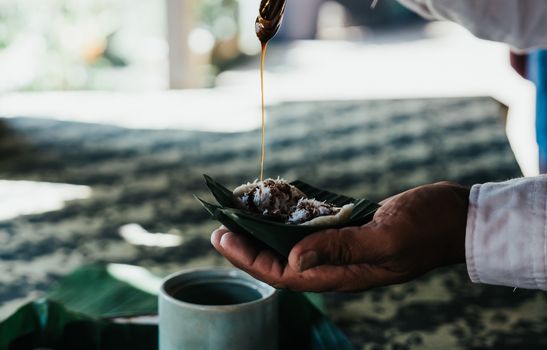
Step into a traditional South Indian eatery, especially in states like Tamil Nadu or Kerala, and you'll often find yourself seated before a fresh, vibrant green banana leaf. This isn't just decoration; it's your biodegradable plate for a spectacular thali meal.
My most memorable thali experience was in a small, non-descript eatery tucked away on a side street in Madurai, India. The air was thick with the scent of curry leaves and coconut. A server swiftly laid down a banana leaf, then, in a mesmerizing dance, ladled out a dozen different preparations: fragrant rice, various curries (sambar, rasam, kootu), chutneys, pickles, and crispy fried papadums. "Eat with your hands, mix everything!" the server instructed with a grin.
The joy of a thali is in the mixing. You blend a little rice with a spicy lentil curry, then add a dollop of cooling yogurt, maybe a touch of pickle for tang. Each bite is a unique combination of flavors and textures – sweet, sour, spicy, bitter, umami, all in perfect harmony. The banana leaf itself imparts a subtle, earthy aroma to the food, enhancing the natural flavors.
Where to Find It:
- Chennai, India: Head to local messes (eateries) like Murugan Idli Shop (though more famous for idli, their thalis are great) or any bustling local vegetarian restaurant. Thalis are incredibly affordable, often 100-250 INR ($1.50-3 USD).
- Kerala, India: Look for "meals" served on banana leaves in local restaurants. Paragon Restaurant in Kozhikode, while famous for biryani, also offers fantastic local fare.
- Singapore/Malaysia: Look for South Indian restaurants, often called "banana leaf rice" spots. Samy's Curry in Singapore is a classic. Expect S$10-20.
Tips for First-Timers:
- Again, use your right hand.
- Mix small portions of rice and curries together. Don't feel pressured to mix everything at once.
- When you're finished, fold the banana leaf inwards (towards you) if you want a refill, or outwards (away from you) to signal you're done.
4. West African Wonders: Fufu, Banku & Soulful Stews
Venturing into West Africa is another fantastic opportunity to embrace hand-eating. Staples like fufu (pounded cassava or plantain), banku (fermented corn dough), or kenkey (fermented corn and cassava dough) are designed to be scooped up with your fingers, acting as edible sponges for rich, flavorful stews.
I vividly recall a street-side eatery in Accra, Ghana, where I was introduced to fufu and groundnut soup. The fufu arrived as a smooth, doughy mound, alongside a bowl of thick, peanut-infused soup brimming with chicken and vegetables. My Ghanaian friend showed me the technique: pinch off a small piece of fufu, mold it into a scoop, dip it into the soup, and swallow without chewing (or with minimal chewing, as fufu is meant to be easily swallowed).
The experience is incredibly satisfying. The fufu itself is relatively neutral, allowing the complex flavors of the stews – often spicy, savory, and deeply aromatic with ingredients like palm oil, tomatoes, and various meats or fish – to shine through. It's hearty, comforting, and a true taste of West African hospitality.
Where to Find It:
- Accra, Ghana / Lagos, Nigeria: Local eateries and chop bars are everywhere. Ask locals for their favorite "fufu joint" or "banku joint." A meal can be as little as 10-30 GHS ($1-3 USD) or 1000-3000 NGN ($1-3 USD).
- New York City, USA: Harlem and parts of the Bronx have a thriving West African food scene. Places like Accra Restaurant or Buka Nigerian Restaurant offer authentic dishes. Expect $15-25 per person.
- London, UK: Peckham is a hub for Nigerian and Ghanaian cuisine. 805 Restaurant is a popular choice for a more upscale experience, but countless smaller, authentic spots exist.
Tips for First-Timers:
- Tear off small pieces of fufu/banku. You don't want to choke!
- Practice the scooping technique. It takes a bit of finesse.
- Be prepared for some heat! West African stews can be quite spicy.
- It's generally acceptable to use your left hand for the fufu, but use your right hand for eating the stew itself and bringing it to your mouth. When in doubt, observe locals.
5. Southeast Asian Seafood Boils: Messy, Glorious Fun
While not all Southeast Asian food is eaten with hands, the region excels in certain communal, finger-licking experiences, especially seafood boils and the Filipino boodle fight.
Imagine a long table covered with banana leaves or butcher paper. Then, a mountain of food is dumped directly onto it: grilled fish, prawns, crabs, squid, rice, sometimes even grilled meats and vegetables. This is a boodle fight, a military tradition in the Philippines that has been embraced by civilians as a joyous, hands-on feast. Everyone stands around the table, digging in with their bare hands, sharing stories and laughter.
My first boodle fight was on a beach in El Nido, Philippines. The fresh catch of the day, marinated in calamansi and garlic, grilled to perfection, then piled high with garlic rice and a vibrant mango salsa. The salty sea air, the sunset, the camaraderie of digging into this incredible spread with new friends – it was pure magic. No plates, no utensils, just pure, unadulterated enjoyment.
Similarly, in places like Malaysia and Singapore, you might find seafood restaurants where a giant platter of chili crab or black pepper prawns is served, encouraging diners to use their hands to crack shells and extract the succulent meat.
Where to Find It:
- Philippines: Many coastal towns and resorts offer boodle fight experiences. Ask your guesthouse or tour operator. Prices vary widely based on the seafood, but expect $15-30 USD per person for a lavish spread.
- Malaysia / Singapore: Newton Food Centre in Singapore (famous for chili crab) or any bustling seafood restaurant in Kuala Lumpur will serve dishes meant for hand-eating. Prices for seafood can be higher, depending on the catch, but a good meal can be had for S$30-50 per person.
- Southern USA (Cajun/Creole Boils): While not Southeast Asian, the concept of a messy seafood boil (crawfish, shrimp, crab) with corn and potatoes dumped on a table is very similar and equally fun!
Tips for First-Timers:
- Wear clothes you don't mind getting a little dirty.
- Don't be shy! Dig in!
- Plenty of napkins and a finger bowl with lemon water are usually provided.
- Be mindful of bones and shells.
6. Middle Eastern Mezze & Mansaf: Scoop, Dip, Savor
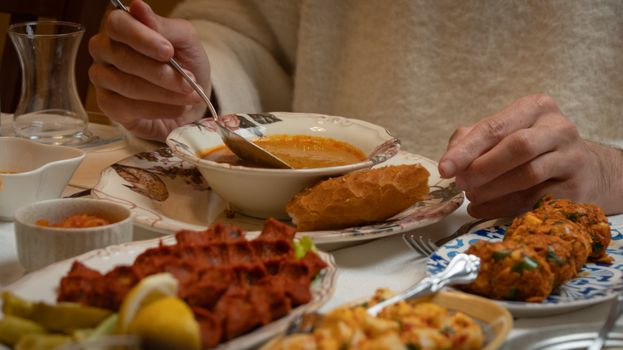
While hummus and pita are often served with forks in Western restaurants, in the Middle East, particularly the Levant, they are quintessential hand-food. The soft, warm pita bread is your perfect tool for scooping up creamy hummus, smoky baba ghanoush, and vibrant muhammara.
Beyond mezze, a truly magnificent hand-eating experience can be found with mansaf in Jordan. This national dish is a grand platter of lamb cooked in a fermented dried yogurt sauce (jameed), served over rice and thin bread. Traditionally, it's eaten communally from a large platter, with diners gathering around, forming small balls of rice and lamb with their right hand, and enjoying the rich, tangy flavors.
I was once invited to a Jordanian family gathering where mansaf was the centerpiece. The matriarch of the family, with a twinkle in her eye, showed me how to gently compact the rice and lamb into a neat ball, ensuring a perfect ratio of meat, rice, and jameed. It was an honor to share such a significant meal, and the act of eating with my hands deepened my appreciation for their hospitality and culture.
Where to Find It:
- Amman, Jordan: Seek out traditional restaurants that specialize in mansaf. Al-Quds Restaurant is a local favorite. A large mansaf platter can range from 20-40 JOD ($28-56 USD), often enough for 3-4 people.
- Beirut, Lebanon: While mansaf is less common, mezze is king. Any local Lebanese restaurant will offer an array of dips and breads perfect for hand-eating. Tawlet Souk el Tayeb is a great choice for authentic, regional Lebanese food. Mezze platters are typically $15-30 USD.
- Dubai, UAE: Many authentic Middle Eastern restaurants, particularly those catering to local populations, will encourage hand-eating for mezze.
Tips for First-Timers:
- For mansaf, be gentle. Don't dig too deep into the communal platter.
- Always use your right hand.
- Don't be afraid to ask a local for a quick demonstration.
7. Beyond the Fork: Other Global Hand-Eating Delights
The world is full of other incredible hand-eating opportunities. Here are a few more to keep an eye out for:
- Mexican Tacos and Tostadas: While some fancier spots might offer cutlery, real tacos are meant to be held, folded, and devoured with your hands. The messy drips are part of the charm!
- American BBQ Ribs & Wings: Forget the knife and fork. The best way to enjoy perfectly smoked ribs or sticky wings is to get your hands covered in sauce.
- Indonesian/Malaysian Nasi Padang: This style of dining involves a spread of small dishes brought to your table, often eaten with rice and your hands.
- Trinidadian Roti: A large, soft flatbread wrapped around a savory curry filling, meant to be torn and eaten by hand.
The common thread? These are all experiences where the food is celebrated for its flavor, its tradition, and its ability to bring people together, rather than its Instagrammability.
Practical Tips for the Hand-Eating Adventurer
Ready to ditch the cutlery and dive in? Here are some essential tips to make your hand-eating journey enjoyable and respectful:
- Hygiene is Key: Always, always wash your hands thoroughly with soap and water before and after eating. Carry hand sanitizer for emergencies.
- Use Your Right Hand: In many cultures (especially in the Middle East, India, and parts of Africa), the left hand is traditionally considered unclean. Stick to your right hand for eating.
- Keep it Clean (Relatively): Try to keep your non-eating hand clean. If you need to touch a serving spoon, wipe your mouth, or reach for your drink, use your left hand.
- Small Bites, Please: Don't overload your fingers. Take small, manageable portions that you can easily bring to your mouth without making a huge mess.
- Observe and Learn: If you're unsure, watch how the locals eat. Mimic their technique. Don't be afraid to ask for a quick demonstration – most people are delighted to share their traditions.
- Embrace the Mess: It's okay to get a little food on your fingers, face, or even the table. That's part of the fun! Most establishments will provide ample napkins or a finger bowl.
- Respect the Communal Plate: If eating from a shared platter, only reach for the food directly in front of you. Don't dig around or touch food that others will eat.
- Stay Hydrated: Keep a drink handy, especially with spicy food.
- Leave Your Preconceptions at Home: Open your mind and your palate. The most rewarding food experiences often come from stepping outside your comfort zone.
Conclusion: Unfollow the Perfect, Follow Your Palate!
In a world saturated with carefully curated feeds and staged dining experiences, there's a profound joy in seeking out the authentic, the messy, and the truly immersive. Eating with your hands isn't just a way to consume food; it's a way to connect with culture, tradition, and the very essence of human hospitality.
These are the meals that become stories, the ones you recount with a smile, remembering the flavors, the aromas, and the feeling of genuine connection. They are the hidden gems Instagram influencers might gloss over because they don't fit the 'perfect' aesthetic, but they are precisely the experiences that make travel so rich and rewarding.
So, the next time you're planning an adventure, put down that fork, unfollow the perfectly posed plates, and seek out a restaurant where the best utensil is your own hand. Get messy, eat real, and let your taste buds lead you to an unforgettable culinary journey.
What's your favorite hand-eating experience? Share your discoveries with us using #TripsoraHandsOn and let's build a community of authentic food adventurers!
---
More pictures


Tags
Share this guide
We may earn a commission if you click a link and buy a product or service, at no extra cost to you. How affiliate links work.
Been there?