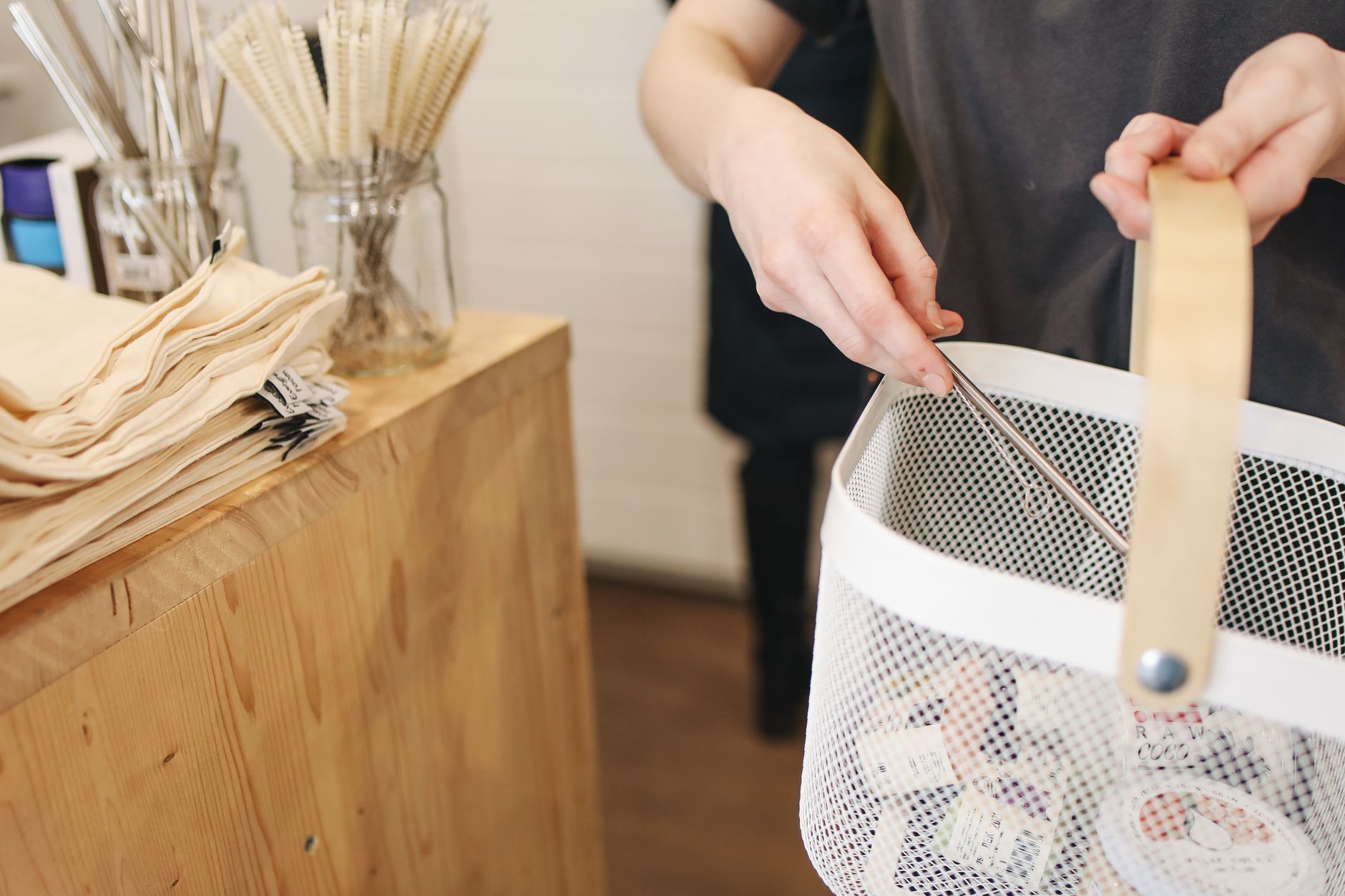
Ever wonder how locals navigate bustling markets and pristine beaches without a mountain of plastic? We're pulling back the curtain on the ingenious, often overlooked, plastic-free travel essentials that seasoned locals swear by. Get ready to transform your trips from plastic-laden to planet-friendly, experiencing destinations like never before. ---
The scorching sun beat down on my neck as I hiked through the verdant rice terraces of Bali. Below, the ancient irrigation system shimmered, reflecting a sky so blue it felt painted. It was a postcard-perfect moment, one of those "this is why I travel" epiphanies. Then, I saw it. A discarded plastic water bottle, glinting an ugly white against the vibrant green. And another. And another. My heart sank. This wasn't just my problem; it was our problem, a global blight on paradise.
I’d been traveling for years, thinking I was doing my part by recycling at home. But on the road, convenience often trumped consciousness. Single-use plastics were everywhere – water bottles, snack wrappers, plastic bags for souvenirs. It was a constant battle, and frankly, I was losing.
That day in Bali, something shifted. I watched a local farmer, effortlessly refilling his bamboo water container from a roadside spring. He carried his lunch in a banana leaf, purchased from a market where everything was wrapped in natural fibers or simply handed over. No plastic in sight. It hit me: locals often hold the key to truly sustainable living, not out of a trendy eco-movement, but out of tradition, necessity, and a deep respect for their land.
They weren't buying expensive "eco-friendly" gadgets online; they were using what was readily available, often for generations. And they weren't exactly broadcasting these secrets to tourists who, let's be honest, often contribute to the problem.
So, I started observing. I asked questions. I learned. And what I discovered completely revolutionized my travel style. It wasn't just about saving the planet; it was about richer, more authentic, and often cheaper travel experiences. Today, I'm pulling back the curtain on these "secrets" – the plastic-free travel essentials locals don't want you to know, because once you do, you'll never look back.
The Hydration Revolution: Beyond the Reusable Bottle
Let’s start with the big one: water. We all know we should carry a reusable water bottle. But how many times have you been in a remote village or a bustling city and struggled to find a refill station, eventually caving for a plastic bottle? Locals rarely have this problem. Why?
The Secret: They know where the real water sources are. In many parts of Southeast Asia, you'll find small, often family-run "water refilling stations" (often just a tap and a large filtered water dispenser) charging pennies for a liter. In Latin America, many hostels and cafes offer filtered water for free or a small fee. In Europe, public fountains are abundant, and many restaurants are happy to refill your bottle.
My Anecdote: During a trek through the Himalayas in Nepal, I noticed our local guide, Dawa, never bought bottled water. He carried a durable metal bottle and would confidently approach tea houses or even private homes along the trail, asking for a refill. They always obliged, often with a warm smile. He taught me a few basic Nepali phrases ("Pani dinus na?" - "Please give water?"), and suddenly, my empty bottle was no longer a source of anxiety. In fact, it became a conversation starter, fostering connections with locals who appreciated the effort.
Actionable Tip:
- Invest in a good filter bottle: For places where tap water isn't safe, a bottle with an integrated filter (like a Grayl or Lifestraw) is a game-changer. It means you can literally drink from streams (with caution!) or any tap, making you truly self-sufficient.
- Learn the local phrase for "water refill": A few words in the local language go a long way in breaking down barriers and securing a refill.
- Look for local water shops: They’re often unmarked or tucked away, but ask around. These are usually much cheaper than bottled water from convenience stores. In places like Thailand, a 5-liter jug refill can cost less than 50 cents.
- Carry a collapsible cup: For impromptu tea breaks or street food drinks, a small, collapsible silicone cup is invaluable for avoiding plastic cups.
The Market Master: Eating Local, Plastic-Free
Street food is arguably one of the greatest joys of travel. But it's also a major source of plastic waste: Styrofoam containers, plastic bags, disposable cutlery. Locals, however, have mastered the art of enjoying delicious market finds without the plastic footprint.
The Secret: They bring their own containers, bags, and cutlery. It sounds simple, but how many tourists actually do it?
My Anecdote: In the bustling markets of Hoi An, Vietnam, I watched in awe as a woman bought fresh noodles, vegetables, and tofu, all placed directly into her metal tiffin carrier. She then bought some fresh fruit, which went into a beautiful woven bamboo basket. When I tried to do the same, initially, I got confused stares. "No plastic bag?" a vendor asked, holding up a flimsy plastic sheet. I gestured to my own fabric bag. He shrugged, then smiled, placing my mangoes directly inside. It felt like a small victory, a tiny step towards normalizing a better way. Soon, other vendors recognized me, and a nod of understanding passed between us.
Actionable Tip:
- Pack a lightweight, multi-compartment container: A stainless steel tiffin or a sturdy silicone container is perfect for street food, leftovers, or packing your own snacks.
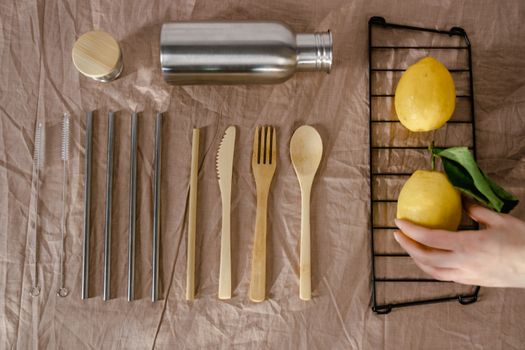
- Carry a reusable cutlery set: A bamboo or metal fork, spoon, and knife set tucked into a small pouch is a must.
- Always have a produce bag and a larger market bag: Small mesh bags for fruits and veggies, and a sturdy fabric tote for everything else. Roll them up small; they take up minimal space.
- Embrace banana leaves: In many tropical countries, banana leaves are the traditional wrapping for food. If offered, always choose this over plastic!
- Cook for yourself: If you have access to a kitchen, visiting local markets to buy fresh, unpackaged ingredients is the ultimate plastic-free food experience.
The Bare Necessities: Personal Care, Naturally
Think about your travel toiletry bag: mini shampoo bottles, plastic toothbrushes, disposable razors. It adds up quickly. Locals, particularly in more traditional communities, often rely on natural, unpackaged alternatives.
The Secret: Solid toiletries and refillable options are not new; they’re often how things were done before plastic became ubiquitous.
My Anecdote: While backpacking through rural Mexico, I ran out of shampoo. Desperate, I asked a local woman if there was a store nearby. She laughed, then pointed to a small stall selling handmade soaps. Among them was a solid shampoo bar, beautifully scented with local herbs. It came wrapped in paper. Not only did it work wonderfully, but it lasted for weeks, took up less space, and didn't leak in my bag. I also noticed many locals using toothbrushes made from miswak sticks – a natural alternative to plastic. It was a stark reminder that we often overcomplicate things with manufactured, plastic-laden solutions.
Actionable Tip:
- Switch to solid toiletries: Shampoo bars, conditioner bars, soap bars, solid deodorant, and even solid toothpaste bits are readily available online and in many local health stores. They last longer, are concentrated, and eliminate plastic bottles.
- Bamboo toothbrush: An easy swap that makes a big difference.
- Refillable travel bottles: If you can’t part with your liquid favorites, invest in sturdy, refillable silicone bottles and decant from larger home containers.
- Safety razor: A single investment in a metal safety razor (and replacement blades) will save countless disposable plastic razors.
- Reusable cotton rounds/cloths: For makeup removal or cleansing, ditch the disposable wipes and cotton balls.
- Embrace local products: Look for local artisans selling handmade soaps, lotions, or natural remedies. These are often unpackaged or minimally packaged and support local economies.
The Savvy Shopper: Souvenirs and Sustainable Style
Who doesn’t love a good souvenir? But how many times have you bought something beautiful, only to realize it's wrapped in layers of plastic or, worse, is a cheap plastic trinket itself? Locals are masters of finding meaningful, plastic-free treasures.
The Secret: They focus on handmade, locally sourced crafts and consumables, often directly from the artisan. They also carry their own shopping bags, always.
My Anecdote: I was in Marrakech, lost in the labyrinthine souks, trying to find a gift for my sister. Every stall seemed to have the same mass-produced camel figurines or plastic-wrapped tagines. Then, I stumbled upon a tiny, unassuming shop where an elderly man was weaving intricate patterns on a loom. He sold beautiful, naturally dyed scarves and small rugs, completely unpackaged. I picked out a vibrant scarf, paid a fair price, and he wrapped it carefully in a piece of old newspaper. No plastic, no fuss. It felt authentic, supportive, and truly special. I still cherish that scarf, a tangible memory of a genuine interaction, not a transaction.
Actionable Tip:
- Always carry multiple reusable shopping bags: From small produce bags to large totes, have them ready. You never know when you'll find a hidden gem.
- Seek out artisan markets: Look for places where you can buy directly from the creator. This ensures quality, supports local livelihoods, and often means less packaging.
- Opt for consumables: Local spices, coffee, tea, or jams (in glass jars) make fantastic, plastic-free souvenirs that get used up, rather than accumulating dust.
- Choose natural materials: Wood, bamboo, clay, glass, natural fibers (cotton, linen, wool), and metal are excellent choices for souvenirs.
- Say "no thank you" to plastic bags: Politely decline any plastic bags offered. A smile and a "no plastic, thank you" (in the local language if possible) usually works wonders.
The Unseen Heroes: Waste Management and Mindset Shifts
Even with the best intentions, some plastic might find its way into your travel life. The local secret here isn't magic; it's mindful waste management and a proactive mindset.
The Secret: Locals are often acutely aware of their waste infrastructure (or lack thereof). They know where to dispose of things properly, and when in doubt, they carry it out. They also live by a "reduce first" philosophy, often ingrained culturally.
My Anecdote: In a remote village in Patagonia, I watched a family carefully separate their waste: food scraps for compost, glass bottles for reuse or a specific collection point, and a tiny pile of truly non-recyclable plastic that they would meticulously carry to the nearest town with proper disposal. There was no "just throw it away" mentality. It was a revelation. Back home, I often mindlessly tossed things into a single bin. Their diligence, born of necessity and respect for their pristine environment, taught me a powerful lesson about personal responsibility.
Actionable Tip:
- Carry a small "dirty bag": A waterproof, reusable bag (like a dry bag or a sturdy ziplock alternative) to store any unavoidable plastic waste until you can dispose of it properly. Never leave trash behind, especially in nature.
- Research local recycling: Before you arrive, do a quick search on waste management in your destination. Is there recycling? What kind? This helps you sort and dispose responsibly.
- Support businesses that prioritize sustainability: Choose hotels, guesthouses, and tour operators that have clear eco-policies and actively work to reduce their plastic footprint.
- Be a respectful observer: Watch how locals manage their waste. Learn from them.
- Embrace the "reduce, reuse, recycle" hierarchy: Always prioritize reducing consumption first, then reusing what you have, and finally recycling as a last resort.
The Ultimate Secret: A Traveler's Mindset Shift
The biggest "secret" locals hold isn't a specific item; it's a way of thinking. It's an inherent understanding that everything is connected, and our actions have consequences. It’s about being present, observing, and adapting.
My Anecdote: I was sitting in a small, roadside eatery in Sri Lanka, drinking tea from a beautiful ceramic cup. The owner, an older woman with kind eyes, told me about her village's traditions, how they used natural materials for everything, how they respected the ocean that gave them their livelihood. She wasn't lecturing me; she was simply sharing her way of life. It made me realize that plastic-free travel isn't just about what you pack; it's about the conscious choices you make, the respect you show, and the willingness to learn from the wisdom of those who call these incredible places home.
Actionable Tip:
- Be curious, not demanding: Ask locals about their sustainable practices. Show genuine interest. You'll learn more than any guidebook can teach.
- Slow down: Rushing often leads to convenience purchases (i.e., plastic). Take your time, explore, and make thoughtful choices.
- Pack light, pack smart: The less you carry, the less you'll feel the need to acquire disposable items.
- Share your journey: Inspire others! Share your plastic-free triumphs and challenges on social media. Use hashtags like #TripsoraTravel #PlasticFreeTravel #EcoAdventure.
- Be an advocate: When you see excessive plastic use, politely inquire about alternatives. Support businesses that are trying to do better.
---
The journey to plastic-free travel isn't about perfection; it's about progress. It's about making conscious choices, one small step at a time. It's about respecting the places we visit, the people who live there, and the planet we all share.
These aren't just "eco-friendly hacks"; they're insider tips for a richer, more authentic, and ultimately more responsible way to see the world. So next time you pack your bags, remember these local secrets. You'll not only lighten your environmental footprint but also deepen your connection to the destinations you explore.
Are you ready to unlock these secrets and travel like a local? What's your favorite plastic-free travel essential? Share your tips in the comments below – let's inspire each other to travel better, together!
#TripsoraTravel #PlasticFreeAdventures #LocalSecrets #SustainableExplorer #JoinTheMovement
---
More pictures


Tags
Share this guide
We may earn a commission if you click a link and buy a product or service, at no extra cost to you. How affiliate links work.
Been there?