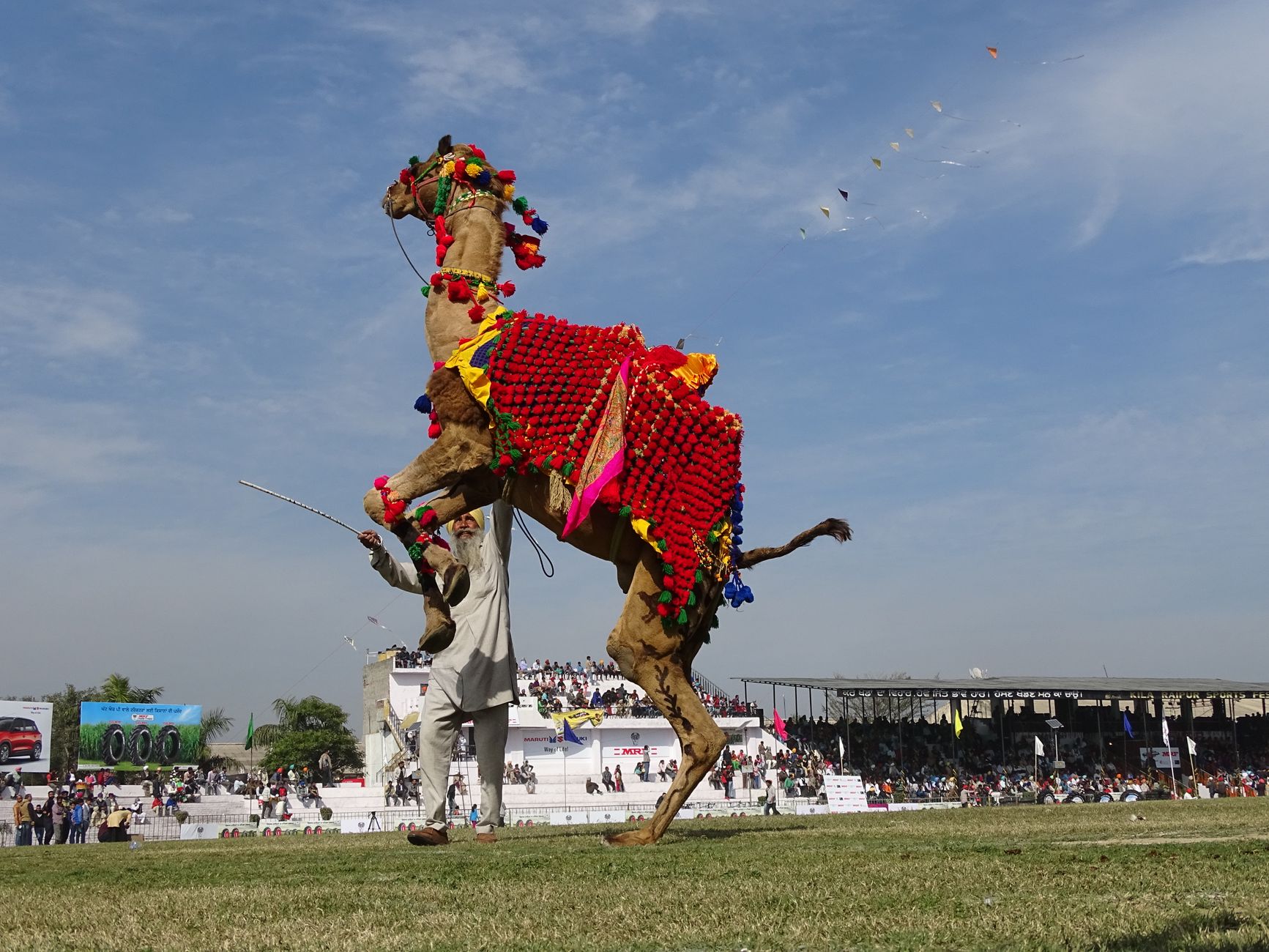
Ever dreamt of a journey that transcends mere sightseeing? Imagine yourself immersed in ancient rituals, vibrant colors, and profound spiritual energy. We're diving deep into the most trending religious festivals around the globe that not only welcome foreigners but invite them to become part of something truly extraordinary. Get ready to awaken your senses and ignite your wanderlust! ---
Beyond the Postcard: My Quest for Soul-Stirring Festivals (And Yours!)
The first time I felt the electric current of a truly ancient celebration, it wasn't from a glossy travel magazine or a friend's Instagram feed. It was in a bustling alleyway in Varanasi, India, during Diwali. The air thick with incense and fireworks, the Ganges shimmering with thousands of tiny lamps, and the collective hum of devotion – it hit me like a spiritual tidal wave. I wasn't just observing; I was part of something vast, timeless, and utterly soul-stirring. That moment ignited a fire in me, a quest to seek out the world's most vibrant, profound, and often surprisingly accessible religious festivals.
Forget the curated tours and sterile museums for a moment. These festivals are the living, breathing heartbeats of cultures, offering an unparalleled opportunity to connect, learn, and experience raw human joy and devotion. And guess what? Many of the most trending ones right now don't just tolerate foreigners; they welcome you with open arms, inviting you to dance, pray, and celebrate alongside locals.
So, if you're ready to trade your comfortable routine for an adventure that will awaken every one of your senses and leave an indelible mark on your soul, keep reading. I've scoured the globe, immersed myself in the chaos and calm, and compiled a list of trending religious festivals that are not only open to foreigners but practically begging for your participation. Get ready to bookmark, share, and start planning your next life-changing journey!
---
1. Holi: The Festival of Colors (India & Nepal) – A Kaleidoscope of Joy
Why it's trending: You've seen the photos – people drenched head-to-toe in vibrant powdered dyes, laughing, dancing, and shedding all inhibitions. Holi is pure, unadulterated joy, a celebration of spring, love, and the triumph of good over evil. It's an explosion of color that washes away social barriers and invites everyone, regardless of background, to partake in its infectious merriment. It's perhaps the most visually stunning and interactive festival on Earth, making it incredibly popular with travelers seeking an authentic, high-energy cultural immersion.
My Experience: My first Holi was in Vrindavan, one of the most sacred places for Lord Krishna. I'd heard stories, seen videos, but nothing prepared me for the sheer, joyous anarchy. Within minutes of stepping out of my guesthouse, I was ambushed (in the best possible way!) by a group of giggling kids, their hands full of bright pink gulal. Soon, I was unrecognizable, my white clothes transformed into a psychedelic canvas. The air thrummed with music, chants, and the constant shouts of "Holi Hai!" – it felt like the entire town was one giant, ecstatic party. I danced with strangers, smeared color on elders, and ate delicious gujiya (sweet dumplings). It was messy, overwhelming, and utterly liberating.
Practical Tips for the Color Chaos:
- When to Go: Typically late February or March, on the full moon day of the Hindu calendar month of Phalguna. Double-check specific dates as they vary each year.
- Best Locations: Vrindavan and Mathura (Uttar Pradesh) are legendary for their traditional, intense celebrations. Jaipur and Udaipur offer a slightly more organized, tourist-friendly experience. Pushkar also has a fantastic, energetic Holi.
- What to Wear: Old clothes you don't mind getting permanently stained (white is traditional for maximum color impact!). Sunglasses to protect your eyes, and a scarf or bandana for your hair. Apply a thick layer of moisturizer or oil to your skin and hair beforehand – it helps the color wash off later.
- Participation: Embrace it! Buy organic, skin-friendly colors from local vendors. Be prepared to be splashed, smeared, and sprayed. A friendly "Happy Holi!" goes a long way.
- Safety: Be mindful of crowds, especially in very dense areas. Solo female travelers might prefer to join a group or stick to family-friendly zones. Some colors can irritate eyes, so protect them. Avoid consuming bhang (cannabis-infused drinks) unless you are fully aware of its effects and comfortable with it.
- Cost: Colors are incredibly cheap (a few dollars for a big bag). Accommodation prices might slightly increase around the festival.
- Instagram-worthiness: Off the charts! Capture the vibrant explosions of color, the joyous faces, and the sheer energy. Just protect your camera!
---
2. Songkran: The Thai New Year Water Festival (Thailand) – A Refreshing Blast
Why it's trending: Imagine a country-wide water fight that lasts for days, where ancient traditions meet modern-day fun. Songkran is the Buddhist New Year, a time for cleansing, purification, and respect. While its roots are deeply spiritual (sprinkling water on elders for blessings), it has evolved into the world's biggest and most exhilarating water festival. It's a guaranteed way to beat the Thai heat and experience unparalleled communal joy.
My Experience: I arrived in Chiang Mai just as Songkran was kicking off. The moment I stepped out of my guesthouse, I was met with a friendly splash from a local kid armed with a bucket. The next three days were a blur of water guns, hoses, and buckets. The entire city transformed into a giant playground. Tuk-tuks became mobile water cannons, pickup trucks hauled enormous barrels of water, and everyone, from toddlers to grandmothers, was fair game. I remember riding on the back of a scooter, getting absolutely drenched, laughing so hard my sides hurt. It was incredibly refreshing, a fantastic way to cool down, and an immediate ice-breaker with locals.
Practical Tips for Getting Soaked:
- When to Go: April 13th-15th annually, though celebrations can extend for a few days before and after, especially in cities like Chiang Mai.
- Best Locations: Chiang Mai is famous for its elaborate, city-wide celebrations, particularly around the moat. Bangkok's Khao San Road is legendary (and chaotic). Phuket and Pattaya also have lively parties.
- What to Wear: Quick-drying clothes, swimwear, and flip-flops. Expect to be completely soaked from head to toe.
- Participation: Buy a water gun (they're sold everywhere, from small pistols to super soakers, starting at around $5-20 USD). Fill up a bucket. Join in the fun! You'll see locals gently anointing people with scented water (a traditional blessing) – embrace both the traditional and the playful.
- Safety: Protect your electronics with waterproof bags (essential!). Be cautious on the roads, as they can be slippery and crowded. Avoid throwing water at monks, babies, or elderly people who aren't participating. Drink plenty of water to stay hydrated.
- Cost: Water guns are the main expense. Food and accommodation might see a slight increase due to demand.
- Instagram-worthiness: Action shots of water fights, smiling faces, and the general festive atmosphere. Waterproof phone cases are a must!
---
3. Yi Peng & Loy Krathong: The Lantern & Float Festivals (Chiang Mai, Thailand) – A Sky Full of Dreams
Why it's trending: If you've ever seen a photo of thousands of glowing lanterns drifting silently into the night sky, or flickering candles floating on water, you've likely seen Yi Peng or Loy Krathong. These two related Buddhist festivals, often celebrated concurrently, offer an ethereal, deeply spiritual, and breathtakingly beautiful experience. It’s a moment of collective wonder and reflection that touches everyone who witnesses it.
My Experience: The year I finally made it to Chiang Mai for Yi Peng and Loy Krathong remains one of my most cherished travel memories. I spent the afternoon crafting my krathong (a small float made of banana leaves, flowers, and candles) by the Ping River, carefully placing my wishes inside. As dusk fell, the river became a ribbon of a thousand tiny lights, each carrying hopes and prayers. Later, at a designated lantern release area, the anticipation was palpable. Then, as the first lanterns soared into the inky blackness, a collective gasp went through the crowd. Soon, the sky was ablaze with thousands of glowing orbs, ascending in silent unison. It felt like every dream in the city was taking flight. The beauty was so profound it brought tears to my eyes.
Practical Tips for Celestial Beauty:
- When to Go: Typically in November, on the full moon of the 12th month of the Thai lunar calendar. Dates vary annually, so check well in advance.
- Best Locations: Chiang Mai is the epicenter for both. The Mae Jo University mass lantern release for Yi Peng is iconic but requires pre-booked tickets (often expensive and sell out months in advance). Alternatively, many smaller, free lantern releases happen around the city, and floating krathongs on the Ping River is accessible to all.
- What to Wear: Respectful attire is appreciated (shoulders and knees covered), as these are spiritual festivals.
- Participation: Buy a krathong (around $2-5 USD) and float it on the river with a wish. If you're attending a mass lantern release, buy your lantern (around $5-10 USD) and follow instructions for a safe release. Many temples also have smaller, more intimate lantern releases.
- Safety: Be aware of crowds. Only release lanterns in designated areas to prevent fires. Ensure your lantern is made of biodegradable materials.
- Cost: Accommodation and flights skyrocket during this period, so book months in advance. Tickets for the official Mae Jo release are pricey ($100-300+ USD) but include transport and food.
- Instagram-worthiness: The iconic shot of thousands of lanterns in the sky or the mesmerizing glow of krathongs on the water. Use a tripod for best results at night!
---
4. Day of the Dead (Día de Muertos): A Celebration of Life (Mexico) – Vibrant Remembrance
Why it's trending: Far from being a somber event, Mexico's Día de Muertos (Day of the Dead) is a vibrant, joyous celebration of life, death, and remembrance. Families welcome back the spirits of their deceased loved ones with elaborate altars (ofrendas) adorned with marigolds, candles, favorite foods, and photos. It's a beautiful, deeply moving, and visually stunning tradition that has captivated the world, especially after films like "Coco."
My Experience: I spent Día de Muertos in Oaxaca, a city renowned for its rich cultural traditions. The markets were bursting with sugar skulls (calaveras), pan de muerto (bread of the dead), and the brilliant orange of cempasúchil (marigolds). Families were meticulously decorating their ofrendas, each a personal masterpiece. On the night of November 1st, I joined a procession through the streets, the air filled with music, laughter, and the scent of copal incense. Later, I visited a cemetery where families were picnicking by candlelight on their loved ones' graves, telling stories and sharing memories. It wasn't morbid; it was incredibly heartwarming, a powerful testament to love enduring beyond death. I even got my face painted as a beautiful Catrina – a truly unforgettable experience.
Practical Tips for Spirited Remembrance:
- When to Go: October 31st to November 2nd annually.
- Best Locations: Oaxaca City is arguably the most authentic and visually spectacular place to experience Día de Muertos. Mexico City also has a grand parade, while Patzcuaro and Janitzio in Michoacán offer more traditional, Indigenous-influenced celebrations.
- What to Wear: Comfortable walking shoes. Dressing respectfully is key, but you'll see people in all sorts of attire, from traditional embroidered clothing to elaborate Catrina costumes. Getting your face painted is a wonderful way to participate!
- Participation: Visit public ofrendas in plazas or museums. Respectfully observe families in cemeteries (ask permission before photographing). Engage with local artisans selling calaveras and crafts. Try pan de muerto and hot chocolate.
- Safety: Crowds can be large, especially in popular areas. Be mindful of your belongings.
- Cost: Accommodation and flights can be more expensive, especially in Oaxaca. Face painting can range from $10-50 USD depending on complexity.
- Instagram-worthiness: The colorful ofrendas, intricate sugar skulls, vibrant parades, and beautifully painted faces. The marigold decorations are incredibly photogenic.
---
5. Semana Santa: Holy Week (Seville, Spain) – A Solemn Spectacle
Why it's trending: While perhaps less "trending" on social media than the vibrant festivals of Asia, Semana Santa (Holy Week) in Spain and Latin America offers an intensely moving and historically rich experience that draws thousands of international visitors annually. It's a profound display of Catholic faith, characterized by solemn processions, intricate floats, and an atmosphere of deep reverence that is utterly captivating. Seville, in particular, is renowned for its elaborate and deeply traditional celebrations.
My Experience: I'd seen images of the hooded penitents of Semana Santa, but nothing prepared me for the emotional weight of witnessing a procession in Seville. The air was thick with the scent of incense and orange blossoms. The only sounds were the haunting, rhythmic drumbeats, the shuffling of feet, and the occasional mournful saeta (a traditional flamenco-style song). Giant, ornate floats (pasos) bearing statues of Christ and the Virgin Mary, carried by dozens of unseen costaleros, swayed slowly through the narrow streets. The devotion on the faces of the Nazarenos (the hooded penitents) was palpable. It was a powerful, almost overwhelming experience that transcended language, offering a rare glimpse into centuries of tradition and faith.
Practical Tips for Solemn Reverence:
- When to Go: The week leading up to Easter Sunday (typically March or April). Dates vary annually.
- Best Locations: Seville, Andalusia, is legendary for its elaborate processions. Other notable places include Málaga, Granada, and Valladolid. In Latin America, Antigua, Guatemala, and Ayacucho, Peru, also have magnificent celebrations.
- What to Wear: Respectful attire is essential. Darker, conservative clothing is appropriate, especially if you plan to enter churches. Comfortable shoes are a must, as you'll be standing and walking a lot.
- Participation: Find a good spot along a procession route well in advance. Be respectful and silent as the pasos pass. Do not interrupt the procession or talk loudly. Some churches allow visitors to see the floats up close before they begin their journey.
- Safety: Crowds can be immense, especially in Seville. Be aware of pickpockets. Book accommodation and transport months in advance as the city fills up completely.
- Cost: Accommodation and transport are significantly more expensive during Holy Week. Food prices may also increase slightly.
- Instagram-worthiness: The stunning pasos, the Nazarenos in their traditional robes, the intricate details of the floats, and the atmospheric candlelit processions at night. Focus on capturing the reverence and beauty.
---
6. Esala Perahera: The Festival of the Tooth (Kandy, Sri Lanka) – An Ancient Pageant
Why it's trending: The Esala Perahera in Kandy, Sri Lanka, is one of Asia's oldest and grandest Buddhist festivals, a spectacular ten-day pageant honoring the sacred Tooth Relic of the Buddha. It's a sensory explosion of elaborately adorned elephants, drummers, dancers, fire-breathers, and traditional performers, parading through the streets of Kandy. It's an immersive dive into ancient Sinhalese culture and Buddhist devotion, offering a truly unique and awe-inspiring experience.
My Experience: The air in Kandy crackled with anticipation as I secured my spot for the Esala Perahera. When the procession finally began, it was beyond anything I had imagined. First came the whip-crackers, then the flag bearers, followed by drummers in vibrant costumes, their rhythms echoing through the night. Then, the majestic elephants appeared, each adorned in shimmering caparisons, their trunks swaying gracefully. The centerpiece, of course, was the Maligawa Tusker, carrying the sacred casket with the Tooth Relic, surrounded by a canopy of light. The sheer scale, the intricate costumes, the hypnotic music – it was a living, breathing tapestry of history and faith. I felt a profound sense of privilege to witness such an ancient and sacred spectacle.
Practical Tips for Majestic Spectacle:
- When to Go: Usually in July or August, on the full moon (Esala Poya) of the Esala month. Dates vary annually, so confirm well in advance. The festival lasts for 10 days, with the most elaborate processions occurring on the final nights.
- Best Location: Kandy, Sri Lanka. The entire city transforms for the festival.
- What to Wear: Respectful clothing is essential (shoulders and knees covered). Comfortable shoes are a must as you'll be standing for long periods.
- Participation: Finding a good viewing spot is crucial. Many hotels and guesthouses offer seating packages, or you can stake out a spot on the street early in the day (bring a mat, water, and snacks). Be patient, as the processions can be long.
- Safety: Crowds can be very dense, especially on the final nights. Keep an eye on your belongings. Respect the elephants and performers – do not try to touch them or disturb the procession.
- Cost: Accommodation in Kandy is significantly more expensive and sells out quickly. Seating packages for the Perahera can range from $50-200+ USD per person, depending on the location and amenities.
- Instagram-worthiness: The majestic elephants in their finery, the vibrant traditional dancers, the fire-breathers, and the overall grandeur of the night procession. Low-light photography skills will come in handy!
---
General Tips for the Festival-Bound Foreigner: Your Essential Toolkit
Immersing yourself in a religious festival is an incredible privilege, and a little preparation goes a long way. Here's my go-to advice for making the most of these transformative experiences:
- Respect is Paramount: These are sacred events. Dress modestly, be mindful of local customs, and always ask permission before taking photos of people, especially during rituals. Your presence is an honor, not a right.
- Book Everything Early: Flights, accommodation, and sometimes even specific festival tickets (like for Yi Peng or Perahera viewing) sell out months in advance and prices skyrocket. Plan ahead!
- Go with an Open Mind and Heart: Be prepared for chaos, crowds, different ideas of personal space, and unexpected situations. Let go of expectations and embrace the unfolding experience.
- Learn Basic Phrases: A simple "hello," "thank you," and "Happy [Festival Name]!" in the local language can break down barriers and earn you smiles.
- Stay Safe & Hydrated: Crowds are inevitable. Keep an eye on your belongings, use common sense, and drink plenty of water, especially in hot climates. Travel insurance is non-negotiable.
- Embrace the Food: Festivals are a culinary delight! Try the local street food and special festival treats. Just ensure it's from a reputable vendor.
- Battery Packs are Your Best Friend: You'll be taking tons of photos and videos. Don't let a dead phone ruin your chance to capture the magic (or navigate!).
- Leave Room for Spontaneity: While planning is good, some of the best festival moments happen unexpectedly. Be open to invitations, detours, and serendipitous encounters.
- Pack Light, But Smart: Quick-drying clothes, comfortable shoes, a small daypack, and a waterproof bag for electronics are essentials.
- Reflect and Connect: Take moments to simply observe, feel, and reflect on the profound cultural and spiritual significance of what you're witnessing. These aren't just photo opportunities; they're opportunities for personal growth.
---
The Journey Continues: Your Turn to Experience the Sacred
Witnessing these religious festivals isn't just about ticking off a bucket list item; it's about stepping into the living history of humanity, connecting with people on a deeper level, and discovering something profound about yourself along the way. Whether it's the joyous chaos of Holi, the serene beauty of Yi Peng, or the solemn reverence of Semana Santa, each festival offers a unique lens through which to view the world and your place within it.
So, what are you waiting for? Stop dreaming and start planning. These incredible experiences are trending for a reason – they're transformative, unforgettable, and waiting for you.
Which of these festivals has captured your imagination? Have you experienced a religious festival that changed you? Share your stories and tips in the comments below! And don't forget to share this guide with your fellow adventurers – let's inspire more soulful journeys!
---
More pictures
Tags
Share this guide
We may earn a commission if you click a link and buy a product or service, at no extra cost to you. How affiliate links work.
Been there?