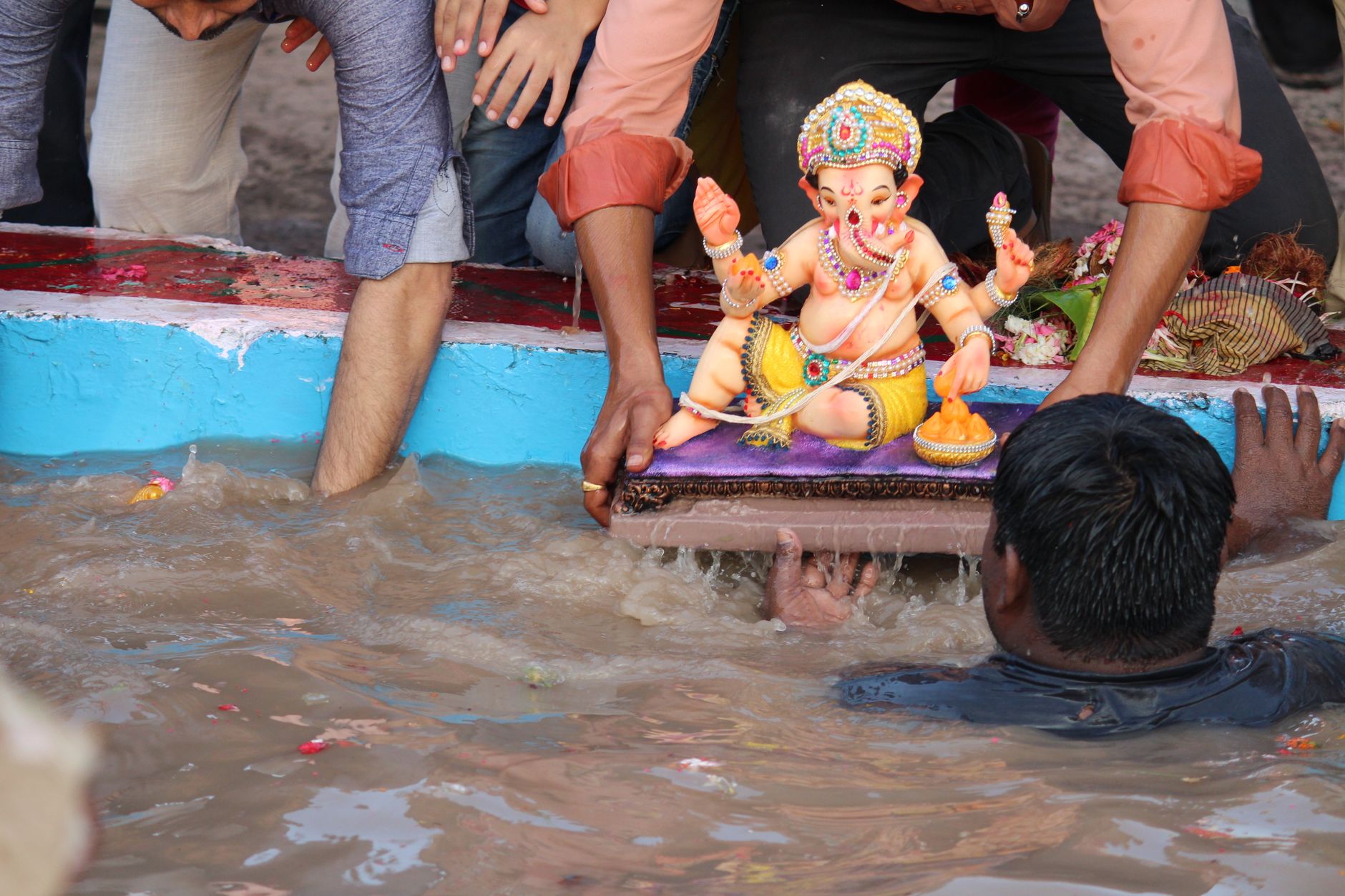
November 2025 beckons with a symphony of spiritual celebrations across the globe, offering travelers a rare chance to witness profound traditions firsthand. From lantern-lit skies in Thailand to vibrant offerings in Mexico, prepare to dive deep into cultures that will stir your soul and fill your camera roll. ---
The air crackles with anticipation, a vibrant hum of ancient rituals and joyous celebrations. I remember standing amidst thousands in Pushkar, India, the scent of chai and camel mingling with devotional chants, feeling utterly small yet incredibly connected to something vast and timeless. It was November, and the world was alive with faith.
If you’ve ever yearned to peel back the layers of a destination and truly immerse yourself in its soul, there’s no better time than when its people are celebrating their deepest beliefs. Religious festivals are not just events; they are living, breathing tapestries of history, devotion, and community. They’re a traveler’s golden ticket to authentic connection, breathtaking visuals, and stories you’ll tell for a lifetime.
And guess what? November 2025 is shaping up to be an absolute powerhouse for these transformative experiences! Forget generic tourist traps; we’re talking about moments that will reset your perspective and fill your heart. So, grab your passport, open your mind, and let’s dive into the most incredible religious festivals you can experience as a foreigner in November 2025.
1. Día de los Muertos (Day of the Dead), Mexico: November 1-2, 2025
My first encounter with Día de los Muertos wasn't in a bustling city, but in a small village outside Oaxaca. I expected somberness, perhaps a touch of melancholy. What I found was an explosion of life, color, and heartfelt remembrance that defied all my expectations. It's not Halloween; it's a profoundly beautiful celebration where families welcome back the spirits of their deceased loved ones for a joyful reunion.
What it is: A UNESCO-recognized cultural heritage, Día de los Muertos is a vibrant, multi-day celebration rooted in Mesoamerican traditions. Families build elaborate ofrendas (altars) adorned with marigolds (cempasúchil), candles, sugar skulls (calaveras), and the favorite foods and drinks of the departed. The belief is that the spirits cross over to visit their living relatives. Parades, music, dancing, and cemetery vigils are all part of the festivities.
Why you should go: The sheer artistry and emotional depth are unparalleled. Imagine cemeteries glowing with thousands of candles, families sharing stories and laughter amidst their ancestors' graves, and streets alive with costumed revelers. It’s a testament to the enduring power of love and memory, a truly moving experience that redefines your understanding of death. Plus, the food – pan de muerto, tamales, mole – is incredible!
Where to experience it:
- Oaxaca: Widely considered the epicenter of traditional celebrations. The city comes alive with elaborate comparsas (parades), street altars, and vibrant market activity. Don't miss the cemetery vigils in Xoxocotlán.
- Mexico City: Offers grander, more modern parades, especially the massive Gran Desfile de Día de Muertos, inspired by the James Bond film "Spectre." Many neighborhoods, like Coyoacán, have charming, more intimate celebrations.
- Pátzcuaro, Michoacán: Known for its deeply spiritual indigenous traditions, particularly on Janitzio Island. The lakeside vigils are incredibly atmospheric.
Tips for your trip:
- Book ASAP: Accommodation and flights for early November fill up months in advance, especially in Oaxaca and Pátzcuaro.
- Dress respectfully: While costumes are common, remember this is a sacred tradition. Avoid anything overtly disrespectful.
- Learn basic Spanish: Even a few phrases will enhance your interactions.
- Ask before you photograph: Especially in cemeteries or private family altars. A polite “¿Puedo tomar una foto?” goes a long way.
- Embrace the joy: Don't be afraid to participate, try the food, and soak in the atmosphere.
Estimated Cost (per day, excluding flights): $70-$150 USD (mid-range accommodation, food, local transport, activities).
2. Pushkar Camel Fair (Pushkar Mela), India: November 5-13, 2025
The dust swirled around me, kicked up by thousands of hooves – camels, horses, and cattle – as the sun dipped below the dunes of Rajasthan. The air hummed with the cries of traders, the laughter of children, and the hypnotic rhythm of folk music. This wasn't just a fair; it was a sensory overload, a living ancient tradition unfolding before my eyes.
What it is: While often dubbed a 'camel fair,' Pushkar Mela is much more – it's one of India's largest and most spectacular livestock fairs, combined with a significant religious pilgrimage. Thousands of farmers, traders, and pilgrims descend upon the holy town of Pushkar. The first few days are dedicated to livestock trading, followed by religious rituals around the sacred Pushkar Lake, culminating on Kartik Purnima (full moon). Cultural performances, mustache competitions, turban-tying contests, and hot-air balloon rides add to the carnival atmosphere.
Why you should go: It’s an unparalleled window into rural Rajasthani life and culture. The sheer scale of the fair, the vibrant traditional attire of the villagers, the bizarre and wonderful competitions, and the spiritual intensity around the lake are utterly captivating. It’s an Instagrammer’s dream and a photographer’s paradise, offering endless opportunities for stunning shots and genuine interactions.
Where to experience it:
- Pushkar, Rajasthan: The entire town transforms into a bustling temporary city. The fairgrounds are just outside the main town, easily accessible.
Tips for your trip:
- Accommodation: Book well in advance! Options range from basic guesthouses to luxury tented camps set up specifically for the fair. I recommend a tented camp for a unique experience, though they can be pricey.
- Get there early: The livestock trading is most active in the first half of the fair.
- Respectful dress: While the fair is lively, Pushkar is a holy town. Dress modestly, especially when visiting temples or the lake. Shoulders and knees covered are a good rule.
- Bargain hard: If you plan to buy souvenirs from the bustling market, be prepared to haggle.
- Watch out for scams: Be wary of unsolicited "help" or blessings, especially around the lake. Always agree on a price for services beforehand.
- Carry small change: For chai, snacks, and small purchases.
- Stay hydrated: The desert sun can be intense.
- Hot Air Balloon Ride: Splurge on this if you can! Seeing the fairgrounds from above at sunrise is an unforgettable experience (approx. $200-300 USD).
Estimated Cost (per day, excluding flights): $50-$150 USD (depending on accommodation choice, food, local transport).
3. Loy Krathong & Yi Peng, Thailand: November 5, 2025
I remember the moment the first lantern floated into the Chiang Mai night sky, a tiny star ascending into the vast darkness. Then another, and another, until the heavens were awash with thousands of glowing orbs, mirroring the floating krathongs on the Ping River below. It was pure magic, a moment of collective awe that transcended language.
What it is: These are two distinct but often co-occurring festivals of light in Thailand.
- Loy Krathong: Celebrated nationwide, people release beautifully decorated "krathongs" (small floats made of banana leaves, flowers, candles, and incense) onto rivers, canals, and lakes. It's an act of respect to the water goddess Phra Mae Khongkha, to apologize for polluting the waters, and to symbolically release misfortunes.
- Yi Peng (Lanna Lantern Festival): Predominantly celebrated in Northern Thailand (especially Chiang Mai), this festival involves releasing thousands of sky lanterns (khom loy) into the night sky. It’s believed that releasing a lantern sends your troubles and bad luck away, while making a wish for good fortune.
Why you should go: The visual spectacle is simply breathtaking. Imagine a river ablaze with thousands of flickering lights and a night sky dotted with an ethereal glow. It’s incredibly romantic, deeply spiritual, and offers unparalleled photo opportunities. The atmosphere is joyous, with traditional music, dances, and fireworks.
Where to experience it:
- Chiang Mai: The best place to experience Yi Peng, with its iconic mass lantern release events. There are often both free local events and paid, organized mass releases (which offer the most spectacular views).
- Sukhothai Historical Park: Offers a more traditional, historical, and arguably more serene Loy Krathong experience, with the ancient ruins providing a stunning backdrop.
- Bangkok: Loy Krathong is celebrated on the Chao Phraya River, with many hotels and restaurants offering special events.
Tips for your trip:
- Book Chiang Mai early: Flights and accommodation for Yi Peng sell out months in advance.
- Paid Yi Peng events: If you want to attend a mass lantern release in Chiang Mai, research and book tickets for official events like the CAD (Chiang Mai Air Adventures) or Mae Jo releases well in advance. These can cost $100-$200+ USD but offer a truly organized and safe experience.
- Dress modestly: Especially when visiting temples or participating in religious ceremonies.
- Be mindful of the environment: While beautiful, the lanterns and krathongs can impact the environment. Choose biodegradable krathongs (made from natural materials) and be aware of proper disposal.
- Safety first: Be cautious with fireworks and lanterns. Follow local guidelines.
Estimated Cost (per day, excluding flights): $50-$100 USD (mid-range accommodation, food, local transport, excluding paid Yi Peng events).
4. Guru Nanak Jayanti (Gurupurab), India: November 4, 2025
The Golden Temple in Amritsar at night is always a marvel, but during Guru Nanak Jayanti, it’s incandescent. The entire complex, already breathtaking, is bathed in a thousand lights, and the air resonates with devotional hymns (Kirtan). The spirit of selfless service (Sewa) is palpable, from the volunteers serving free meals (Langar) to those tending to the pilgrims.
What it is: Guru Nanak Jayanti celebrates the birth of Guru Nanak Dev, the founder of Sikhism. It's one of the most sacred festivals for Sikhs worldwide. The celebrations typically begin two days prior with a continuous reading of the holy scripture, the Guru Granth Sahib. On the day itself, early morning processions (Prabhat Pheris), congregational prayers (Kirtan), and community meals (Langar) are held at Gurdwaras (Sikh temples).
Why you should go: It's an incredible opportunity to witness the profound devotion, community spirit, and hospitality of the Sikh faith. The atmosphere is incredibly uplifting and inclusive. Visiting a Gurdwara, especially the Golden Temple, during this time offers a unique insight into a religion founded on equality and service. The sheer scale of the Langar, where thousands are fed daily regardless of background, is a powerful demonstration of humanity.
Where to experience it:
- Amritsar, Punjab: Home to the Harmandir Sahib (Golden Temple), the holiest shrine in Sikhism. The celebrations here are grand, vibrant, and deeply spiritual.
- Throughout Punjab: Many towns and villages will have their own local celebrations.
- Delhi: The capital has several prominent Gurdwaras that hold significant celebrations.
Tips for your trip:
- Dress code: Head covering (scarf/bandana) is mandatory for both men and women when entering a Gurdwara. Shoes must be removed. Dress modestly.
- Langar: Don't miss the experience of sharing a meal at the Langar. It's a symbol of equality and service. You can even volunteer to help serve.
- Respect: Maintain silence and respect inside the prayer halls. Photography is generally allowed in the outer areas but be discreet and respectful.
- Be prepared for crowds: Especially at the Golden Temple. Go early or late to avoid peak times if possible.
- Combine with Pushkar: If you're in Rajasthan for Pushkar, Amritsar is a manageable (though long) train or flight journey away, making it possible to experience both.
Estimated Cost (per day, excluding flights): $40-$80 USD (budget to mid-range accommodation, food, local transport).
5. Kartik Purnima / Ganga Snan, India: November 4, 2025
The chill of the pre-dawn air in Varanasi was quickly forgotten as I watched thousands descend the ghats, their faces illuminated by oil lamps, to take a holy dip in the Ganges. The collective prayers, the scent of incense, and the ancient chants created an almost hypnotic atmosphere. It was raw, powerful, and deeply moving.
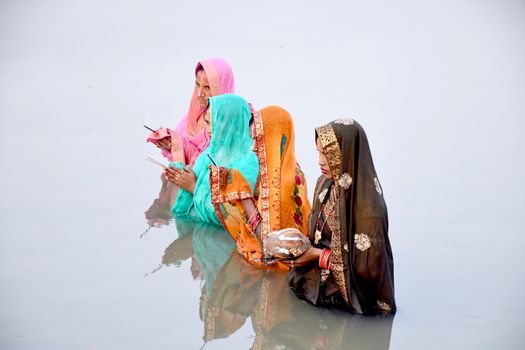
What it is: Kartik Purnima is a Hindu holy day celebrated on the full moon of the Kartik month (October/November). It holds immense significance, particularly for taking a sacred bath (Ganga Snan) in holy rivers like the Ganges. It's believed that bathing in the Ganges on this day cleanses sins and brings spiritual merit. Many devotees also perform deepdaan (offering lamps to the river) and participate in aarti ceremonies.
Why you should go: This festival offers a profound glimpse into the heart of Hindu devotion. The sight of thousands of pilgrims, bathed in the glow of dawn and lamps, performing their rituals along the riverbanks is incredibly powerful and visually stunning. It’s a chance to witness ancient traditions that have been practiced for millennia, particularly in sacred cities like Varanasi.
Where to experience it:
- Varanasi, Uttar Pradesh: The holiest of Hindu cities, Varanasi on Kartik Purnima is an unparalleled experience. The ghats (steps leading to the river) will be teeming with pilgrims. Consider taking a boat ride at dawn to witness the rituals from the river.
- Haridwar & Rishikesh, Uttarakhand: Also sacred cities on the Ganges, offering similar but perhaps slightly less crowded experiences than Varanasi.
Tips for your trip:
- Book accommodation early: Varanasi is always busy, but especially so during major festivals.
- Respect local customs: Dress modestly, especially around the ghats and temples. Remove shoes before entering temples.
- Be cautious: The ghats can be slippery, and the crowds immense. Keep your belongings secure.
- Boat ride: Negotiate the price for a boat ride on the Ganges beforehand. A sunrise boat ride during Kartik Purnima is highly recommended for photography and observation.
- Don't participate in the dip unless you're truly prepared: The water quality can be questionable for foreigners, and the crowds are intense. Observing respectfully is perfectly fine.
- Aarti: Try to catch the evening Ganga Aarti ceremony, which is extra special on Purnima.
Estimated Cost (per day, excluding flights): $40-$80 USD (budget to mid-range accommodation, food, local transport).
General Practical Tips for Festival Travel
Attending religious festivals is an adventure, but it requires preparation and a respectful attitude. Here’s what I’ve learned from my own travels:
- Respect is Key: You are a guest witnessing sacred traditions. Dress modestly, speak softly, ask permission before photographing people, and always be open and respectful of local customs, even if they differ from your own.
- Book Everything Early: Flights, trains, buses, and especially accommodation for major festival dates sell out months in advance and often at inflated prices. Don't procrastinate!
- Flexibility is Your Friend: Things might not run on schedule. Plans might change. Embrace the chaos and go with the flow. That’s often where the most memorable experiences happen.
- Stay Hydrated & Healthy: Festivals can be physically demanding. Carry water, hand sanitizer, and any essential medications. Be mindful of street food, and stick to bottled water.
- Protect Your Valuables: Crowded festivals are prime targets for pickpockets. Use a money belt, keep your bag close, and don’t flash expensive items.
- Learn Basic Phrases: Even "hello," "thank you," and "please" in the local language can make a huge difference in connecting with people.
- Battery Packs & Memory Cards: You'll be taking a lot of photos and videos. Ensure your phone and camera are fully charged, and carry extra battery packs and memory cards.
- Offline Maps & Translation Apps: Data might be spotty in crowded areas. Download maps and translation tools offline.
- Travel Insurance: Always, always, always have comprehensive travel insurance.
- Embrace the Unexpected: Some of my favorite festival memories come from spontaneous interactions, getting lost, or stumbling upon a hidden local celebration. Let go of your rigid itinerary and allow for serendipity.
The Journey Awaits: Your November 2025 Adventure
November 2025 offers a truly unique opportunity to step beyond the ordinary and into the heart of cultures. Whether you're drawn to the vibrant remembrance of Día de los Muertos, the rustic charm of Pushkar, the ethereal glow of Loy Krathong, or the spiritual depth of India's Gurupurab and Kartik Purnima, these festivals promise more than just a trip – they promise transformation.
I can tell you from personal experience, witnessing these moments of deep faith and community will change you. You'll return with not just stunning photos, but with a richer understanding of humanity and a renewed sense of wonder.
So, which festival calls to your soul? Don't just dream about it; start planning your unforgettable November 2025 adventure today. The world is waiting to share its magic with you.
Which of these festivals are you adding to your November 2025 bucket list? Share your thoughts and tips in the comments below! And don't forget to share this guide with your travel buddies – let's inspire more incredible journeys!
---
More pictures


Tags
Share this guide
We may earn a commission if you click a link and buy a product or service, at no extra cost to you. How affiliate links work.
Been there?