
Tired of overpriced tourist trap meals? Imagine savoring authentic, mouth-watering local dishes for mere pennies, transforming your travel budget and taste buds. This guide unlocks the secrets to eating like a true local, revealing how to find incredible flavors that will blow your mind without emptying your wallet. ---
The aroma hit me first – a symphony of garlic, chilies, and something wonderfully savory, carried on the humid Bangkok air. It was my second night in Thailand, and I was utterly lost, a little overwhelmed, and ravenously hungry. I’d spent the previous evening at a swanky, tourist-trap restaurant near my hotel, paying an exorbitant sum for a mediocre Pad Thai. Tonight, however, was different. I’d ventured deeper into the labyrinthine streets, guided only by my rumbling stomach and a vague memory of a travel blog post.
And then I saw her: an elderly woman, her face etched with a thousand smiles, expertly stir-frying noodles on a sizzling wok, surrounded by a throng of eager locals. There was no English menu, no flashy signs, just an irresistible energy. I pointed, smiled, and with a few fumbled Thai words, ordered what she was cooking. A minute later, a plate of the most incredible Pad See Ew, glistening with dark soy sauce and tender chicken, was placed in front of me. The cost? About 40 Thai Baht – roughly $1.20 USD. My mind wasn't just blown; it was utterly obliterated. That single, humble plate of noodles changed how I traveled and, more importantly, how I ate, forever.
Welcome, fellow wanderers and food adventurers, to the ultimate guide on how to eat like a local for pennies, transforming your travel experiences and saving you a fortune. Forget the overpriced, bland tourist fare. We’re diving deep into the heart of local gastronomy, where flavor reigns supreme and your wallet breathes a sigh of relief.
---
1. The Golden Rule: Follow the Locals (and Your Nose!)
This might sound obvious, but it’s the cornerstone of budget-friendly, authentic eating. Tourist areas are designed to extract maximum cash from visitors. Step just a few blocks away, and a whole new culinary world opens up.
How to spot a local gem:
- The Queue Test: If there’s a line of locals, especially at peak meal times, you’ve hit gold. Locals don’t queue for bad food. I once waited 30 minutes for a bowl of pho in Hanoi, Vietnam, and it was worth every second. The broth was so rich, the herbs so fresh, and the noodles perfectly al dente. That bowl of heaven cost me about 50,000 VND (around $2.00 USD).
- The Language Barrier Bonus: No English menu? Even better! This is a strong indicator that the place caters primarily to locals. Don't be intimidated; a smile, pointing, and a few basic local phrases (like "delicious" or "thank you") go a long way. Google Translate's camera function is your best friend here, or simply point to what someone else is eating that looks good.
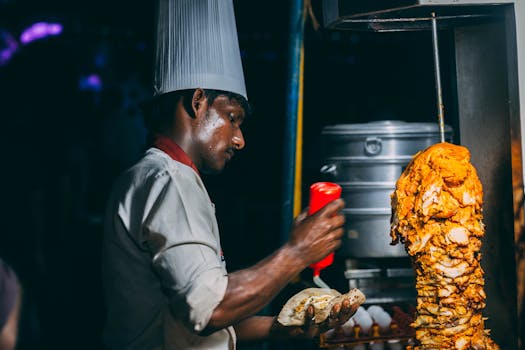
- The "No Frills" Factor: Often, the best food comes from the simplest settings. Think plastic stools, basic tables, and minimal decor. These places focus all their energy and budget on the food itself, not the ambiance. My favorite taco al pastor stand in Mexico City had no seating, just a counter and a revolving spit of marinated pork. Each taco was about 20 pesos ($1 USD), and they were transcendental.
- Look Beyond Dinner: Locals often eat their biggest, most elaborate meal at lunch. Many restaurants offer a "Menu del Día" (Spain), "Plat du Jour" (France), or similar fixed-price lunch specials that are significantly cheaper than dinner options, often including multiple courses, a drink, and dessert. In Spain, I regularly enjoyed a three-course lunch with wine for €10-15, which would have easily cost €30-40 at dinner.
My Anecdote: In Rome, I was desperate for authentic pasta but kept seeing tourist traps. I decided to walk until I heard Italian chatter. I found a tiny trattoria, tucked away on a side street, bustling with elderly Italians. No menu outside. I walked in, and the owner, a jovial man named Enzo, simply asked, "Pasta? Red or white?" I chose red. He brought out the most divine cacio e pepe I’ve ever tasted, followed by a simple green salad and a glass of house wine. Total bill: €12. It felt like eating in someone's home.
---
2. Embrace the Street Food Revolution: Your Budget Gastronomy Powerhouse
Street food isn't just cheap; it's a vibrant, dynamic culinary experience that offers a direct window into a culture's soul. It's fast, fresh, and often prepared right in front of you.
Why street food is your best friend:
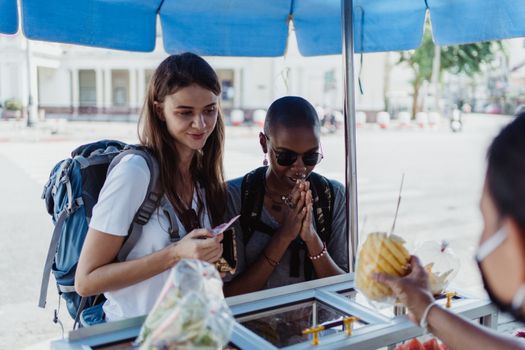
- Unbeatable Prices: This is where you truly eat like a king for pennies. A full, satisfying meal can often be had for $1-5 USD in many parts of the world.
- Freshness Guaranteed: High turnover means ingredients are constantly replenished. You can often see the raw ingredients and the cooking process, ensuring freshness.
- Variety Galore: From savory skewers and spicy curries to sweet pastries and refreshing drinks, the options are endless. You can sample many different dishes without committing to a full restaurant meal.
- Cultural Immersion: Eating street food places you right in the heart of local life. You'll interact with vendors, observe daily routines, and soak in the atmosphere.
Tips for navigating street food:
- Look for Busy Stalls: Again, queues are your friend. High demand usually means good food and fresh ingredients.
- Observe Hygiene: While street food is generally safe, use common sense. Look for stalls where food is cooked to order, surfaces appear clean, and vendors handle money and food separately (or wear gloves). If it looks dodgy, trust your gut.
- Start Simple: If you're nervous, begin with cooked-to-order dishes, fried items, or things with a high turnover.
- Drink Bottled Water: Always pair your street food adventure with bottled water to avoid any tummy troubles.
Instagram-Worthy Street Food Examples:
- Thailand: Pad Thai, Mango Sticky Rice, Satay Skewers, Grilled Fish. (Expect to pay 30-80 THB / $1-2.50 USD per dish).
- Vietnam: Banh Mi (baguette sandwich), Pho (noodle soup), Goi Cuon (fresh spring rolls). (20,000-70,000 VND / $0.80-3.00 USD).
- Mexico: Tacos al Pastor, Elotes (grilled corn), Churros. (15-30 MXN / $0.75-1.50 USD per item).
- India: Samosas, Pani Puri, Dosa, Vada Pav. (20-100 INR / $0.25-1.25 USD).
- Italy: Pizza al Taglio (pizza by the slice), Supplì (fried rice balls). (€2-5 per piece).
My Anecdote: In Penang, Malaysia, I spent an entire evening at a hawker center, a sprawling open-air food court. I sampled no less than seven different dishes – Char Kway Teow, Laksa, Satay, Oyster Omelette, and more – each costing between $2-4 USD. It was an explosion of flavors, an unforgettable culinary journey, and the total bill for a feast fit for a king was under $20. Pure magic.
---
3. Markets: Your Culinary Playground and Budget Pantry
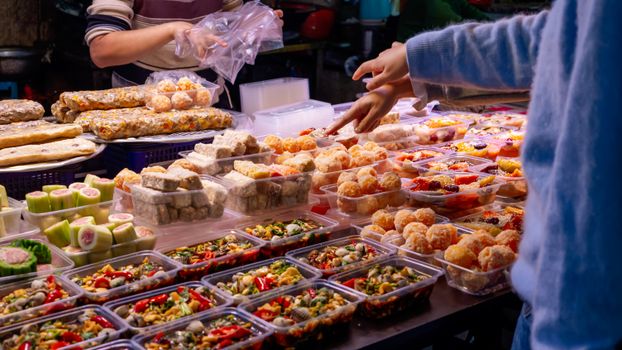
Beyond prepared street food, local markets are an absolute goldmine for budget travelers. From bustling wet markets in Asia to charming farmers' markets in Europe, these hubs offer fresh produce, local delicacies, and often, ready-to-eat snacks at unbeatable prices.
What to find at markets:
- Fresh Produce: Buy seasonal fruits and vegetables for healthy, cheap snacks or to assemble a picnic. A bag of succulent lychees in Vietnam for $1? Yes, please!
- Ready-to-Eat Snacks: Many markets have sections dedicated to prepared foods. Think freshly baked goods, local pastries, savory fritters, or even small portions of curries and stews. In France, I’d grab a fresh baguette (€1), some local cheese (€3-5), and a piece of fruit (€1) for an incredible picnic lunch.
- Local Delicacies: Discover unique ingredients and dishes you won't find in supermarkets. This is where you can truly experiment with local flavors.
- Cultural Immersion: Markets are vibrant, sensory experiences. The sights, sounds, and smells are a feast in themselves, offering a genuine glimpse into local life.
Tips for market shopping:
- Go Early: For the freshest selection and to avoid crowds, aim to visit in the morning.
- Haggle (Respectfully): In some cultures (especially in Asia, Africa, and parts of Latin America), haggling is expected, particularly for non-fixed-price items. Do it with a smile and good humor. Start by offering about 50-70% of the asking price and work your way up.
- Bring Your Own Bag: Be environmentally friendly and save a few cents.
- Learn Basic Numbers: Knowing numbers in the local language will make transactions smoother and more fun.
My Anecdote: In Florence, Italy, I stumbled upon Mercato Sant'Ambrogio. Instead of the tourist-heavy Central Market, this was where locals shopped. I bought a perfectly ripe peach, a slice of schiacciata (a delicious Tuscan flatbread), and a small tub of olives for less than €5. I sat on a nearby bench, people-watching and savoring every bite. It was a simple meal, but profoundly satisfying and authentically Florentine.
---
4. Lunch is Your Best Friend: The Midday Meal Deal
As mentioned earlier, many cultures offer fantastic lunch specials that are a fraction of the dinner price, even at more upscale restaurants. This is a brilliant hack to experience better quality food without the hefty price tag.
Why lunch specials are a game-changer:
- Value for Money: You often get multiple courses, a drink, and sometimes coffee or dessert, all for a set price that's significantly lower than ordering à la carte.
- Quality Food: These aren't just cheap versions; they often feature the same quality ingredients and culinary skill as the dinner menu.
- Less Crowded: Lunchtime can be less hectic than dinner, offering a more relaxed dining experience.
Where to find them:
- Spain: Look for "Menu del Día" or "Menú de Mediodía." Typically available Monday to Friday.
- France: "Formule Midi" or "Plat du Jour" (dish of the day).
- Italy: Often "Menù Fisso" or simply "Pranzo" (lunch) specials, though less common as a multi-course deal than in Spain.
- Portugal: "Prato do Dia" (dish of the day).
- Eastern Europe: Many restaurants offer daily "Obiady" (lunches) that are very affordable.
My Anecdote: During a trip to Lisbon, Portugal, I was strolling through the Alfama district, admiring the fado houses. I saw a small sign outside a traditional restaurant: "Prato do Dia - Bacalhau à Brás - €8.50." It included a hearty portion of the classic cod dish, a glass of wine, and coffee. I walked in, and it was packed with local families. The food was incredible – salty, creamy, comforting – and the atmosphere was buzzing. For less than €10, I had a truly authentic and delicious Portuguese meal that would have cost double or triple in a touristy spot.
---
5. Beyond Restaurants: Supermarkets, Bakeries & Picnics
Who says every meal has to be in a restaurant? Some of my most memorable (and cheapest) meals have been assembled from local supermarkets and bakeries, enjoyed in parks or by scenic viewpoints.
Leveraging local stores:
- Supermarkets/Grocery Stores: These are treasure troves.
- Deli Counters: Many European supermarkets have fantastic deli counters with pre-made salads, roasted chicken, local cheeses, and cured meats.
- Fresh Bread: A fresh baguette or local loaf is always cheap and delicious.
- Snacks: Yogurt, fruit, nuts, local chips – perfect for hiking or long travel days.
- Drinks: Buy water, juice, or local beer/wine at a fraction of restaurant prices.
- Local Bakeries (Boulangeries, Panaderias, Pasticcerias):
- Breakfast: A croissant or local pastry and a coffee for a few euros.
- Lunch: Sandwiches, quiches, or savory pastries are often available.
- Sweet Treats: Indulge your sweet tooth without breaking the bank.
- Picnics: Combine items from markets, supermarkets, and bakeries for the ultimate budget-friendly, scenic meal. Find a beautiful park, a riverside bench, or a spot with a view, and enjoy.
Instagram-Worthy Picnic Ideas:
- Paris: Baguette, brie, grapes, a bottle of rosé from a local supermarket. Picnic under the Eiffel Tower.
- Kyoto: Onigiri (rice balls) from a convenience store, local green tea, a sweet mochi. Enjoy in a tranquil temple garden.
- New York City: Bagel with cream cheese, a local apple, and a coffee. Central Park picnic.
My Anecdote: In the South of France, driving through Provence, my friend and I pulled into a small village. We visited the local boulangerie for fresh bread and croissants, the fromagerie for a pungent local goat cheese, and a tiny grocery store for some olives and a bottle of regional wine. We then found a spot overlooking a lavender field, spread out a blanket, and had the most idyllic, delicious, and incredibly cheap lunch imaginable. Total cost for two: under €15. It was pure bliss and felt quintessentially French.
---
6. The Language of Food: Ordering Like a Pro
Don't let a language barrier intimidate you. It's an opportunity for connection and a little adventure.
Tools and tips:
- Google Translate: Download the offline language pack for your destination. The camera translation feature is a lifesaver for menus.
- Point and Smile: Universally understood. Point to dishes on other tables, or to items at a street stall.
- Learn Key Phrases:
- "Hello," "Thank you," "Please"
- "How much?"
- "Delicious!"
- "Water," "Coffee," "Beer"
- "Vegetarian?" (If applicable)
- Be Patient and Polite: Locals appreciate the effort. A little patience and a friendly demeanor go a long way.
- "Chef's Choice" (if brave): In some very local places, you can simply ask the server or cook to bring you their recommendation. This can lead to wonderful surprises!
My Anecdote: In a small town in rural Japan, I walked into a tiny ramen shop where the owner spoke no English. I couldn't read the menu. I just pointed to the steaming bowl of ramen someone else was eating, gave a thumbs-up, and smiled. The owner chuckled, nodded, and soon presented me with a bowl of the richest, most comforting tonkotsu ramen I'd ever had. It was a moment of pure culinary connection, transcending words, and cost me about 800 JPY ($5.50 USD).
---
7. Mindset Matters: Be Open, Be Adventurous, Be Respectful
Eating like a local for pennies isn't just about saving money; it's about embracing a mindset.
- Be Open-Minded: Try new things! That weird-looking stew or unfamiliar fruit might just become your new favorite.
- Be Adventurous: Step out of your comfort zone. The best discoveries happen when you dare to explore.
- Be Respectful: Learn about local eating etiquette. Do you eat with your hands? Slurp your noodles? Don't leave a tip? Observing locals will guide you.
- Document Your Journey: Take photos! Not just of the food, but of the vendors, the markets, the bustling scenes. These are the memories you'll cherish and share. Hashtag #TripsoraEats for a chance to be featured!
---
Conclusion: Your Culinary Adventure Awaits!
Eating like a local for pennies isn't just a budget hack; it's an enriching, immersive, and incredibly delicious way to travel. It strips away the tourist veneer and plunges you into the authentic heart of a destination's culture, one mind-blowing, affordable bite at a time. From the sizzling woks of Bangkok to the bustling markets of Florence, the world is bursting with incredible flavors waiting to be discovered without emptying your wallet.
So, next time you travel, ditch the fancy, overpriced restaurants. Lace up your walking shoes, follow your nose, and dive headfirst into the vibrant world of local eats. You'll not only save a fortune but also create unforgettable memories, taste incredible food, and connect with destinations on a deeper, more authentic level. Your taste buds (and your bank account) will thank you.
What's your favorite cheap local eat discovery? Share your stories and tips in the comments below! And don't forget to tag us @Tripsora and use #TripsoraEats on your next culinary adventure!
---
More pictures


Tags
Share this guide
We may earn a commission if you click a link and buy a product or service, at no extra cost to you. How affiliate links work.
Been there?