
The global hospitality landscape is shifting. We’ve identified the five global hotspots where cranes outnumber palm trees, signaling a new era of luxury. If you want to stay at the world's most anticipated properties before the crowds arrive, this is your roadmap.
The Hook: A Scent of Concrete and Oud
I stepped off the plane in Riyadh and the first thing that hit me wasn't just the dry, desert heat—it was the smell of ambition. It’s a specific scent: a heady mix of expensive oud, roasted cardamom, and the metallic tang of fresh concrete. Looking toward the horizon, the skyline is a forest of cranes, each one a needle stitching together the fabric of a new global tourism capital.
We are currently witnessing a "Great Hospitality Build-Out." While some heritage cities are stagnating under the weight of over-tourism, others are literally rising from the sand and jungle. For the savvy traveler, these "high-development" zones represent the cutting edge of architecture, service, and "first-in" bragging rights.
If you’re looking for the places with highest hotel development rates worth considering, put down the vintage guidebook. These five destinations are rewriting the rules of the stay.
---
1. Saudi Arabia: The Red Sea & Riyadh
The Kingdom isn't just building hotels; it’s building a new reality. Under the "Vision 2030" banner, Saudi Arabia is currently the undisputed heavyweight champion of hotel development.
In Riyadh, the Diriyah Gate project is transforming the city’s ancestral home into a $63 billion mud-brick luxury mecca. Meanwhile, the Red Sea Project is creating a sustainable archipelago that makes the Maldives look like a practice run.
- The Vibe: Hyper-luxury meets ancient Nabataean history.
- Key Developments: The St. Regis Red Sea Resort, Nujuma (a Ritz-Carlton Reserve), and the futuristic "mirror city" of NEOM.
- Pro-Tip: Don't just stay in Riyadh. Take the high-speed rail to Medina or fly to AlUla. The Banyan Tree AlUla offers villas that are literally carved into the rock—visit at 10 PM for stargazing that will ruin all other night skies for you.
2. Ras Al Khaimah, UAE: The "Wynn" Effect
While Dubai focuses on being the "biggest" and "tallest," its northern neighbor, Ras Al Khaimah (RAK), is quietly becoming the most interesting development story in the Middle East. The catalyst? The upcoming Wynn Al Marjan Island, which will house the UAE’s first legal gaming license (casino).
This has triggered a gold rush. Every major brand, from Nobu to Le Méridien, is scrambling for a piece of the 64 kilometers of pristine coastline.
- The Vibe: Relaxed coastal luxury with a side of high-stakes adrenaline.
- Architecture: Expect "Biophilic" designs—hotels that blend into the Hajar Mountains rather than competing with them.
- Pro-Tip: The hidden entrance to the best sundowner spot is at the Waldorf Astoria RAK—ask for the "Sunset Balcony" behind the library. It’s the only place to see the Gulf turn a true violet hue.
3. Tulum & the Riviera Maya, Mexico: Beyond the Beach
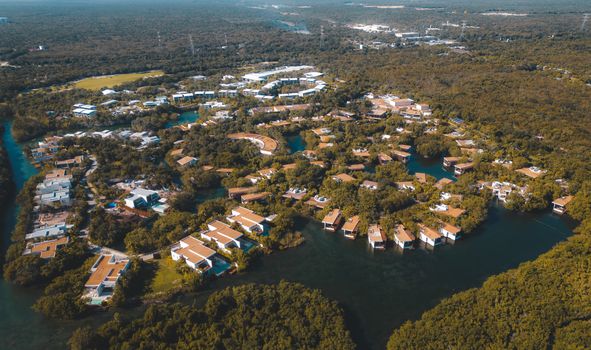
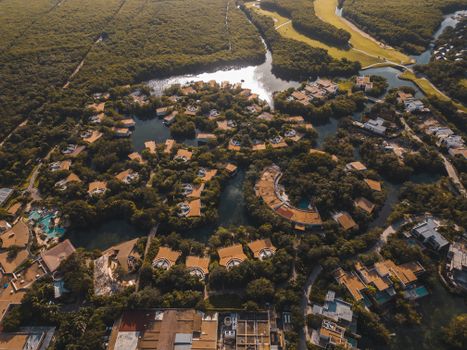
Despite the headlines about seaweed and crowds, the hotel development rate in the Mexican Caribbean remains astronomical. The game-changer? The new Tulum International Airport (TQO) and the Tren Maya.
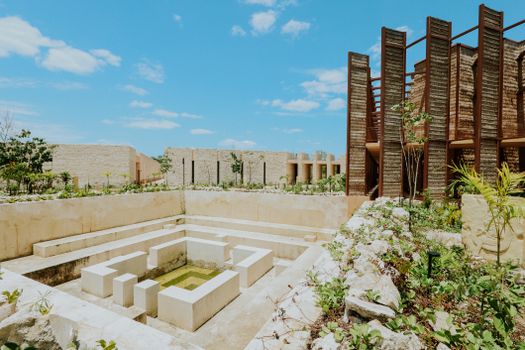
Development is moving away from the "Eco-Chic" shacks of the beach zone and into the jungle (Regency and Tulum 101) and further south toward Bacalar. We’re seeing a shift toward "Brutalist-Jungle" architecture—massive poured concrete structures softened by hanging vines and cenote-style pools.
- The Vibe: Wellness-obsessed, design-forward, and unapologetically cool.
- Key Developments: The EDITION Kanai and the St. Regis Kanai are the new benchmarks for luxury in the region.
- Pro-Tip: To avoid the Tulum "traffic trap," book a hotel in the Selva Zamá area. You get the jungle privacy but are only a 10-minute e-bike ride from the beach via the new paved backroads.
4. Phu Quoc, Vietnam: The New "Pearl Island"
Vietnam has one of the fastest-growing middle classes in the world, and Phu Quoc is where they—and an increasing number of international jet-setters—are headed. The southern tip of the island has been transformed into a Mediterranean-style "Sunset Town," complete with a record-breaking cable car.
The development here is focused on "Integrated Resorts"—massive complexes where you never actually have to leave the grounds. However, the real gems are the boutique luxury builds on the northern coast.
- The Vibe: Tropical maximalism. Think bright colors, bold patterns, and lush landscaping.
- Key Developments: The Regent Phu Quoc is arguably the best hotel in Southeast Asia right now, featuring infinity pools that seem to melt into the Gulf of Thailand.
- Pro-Tip: Visit the Ham Ninh Pier at 7 AM. While the tourists are sleeping off their cocktails at the resorts, you’ll see the local fishermen bringing in the morning’s catch of blue crabs. Buy a bag, take them to a local shack, and have them steamed with lime and sea salt for $5.
5. Nashville, USA: The Southern Boomtown
In the United States, no city is outpacing Nashville in terms of "lifestyle" hotel growth. The "Music City" moniker is being supplemented by a "Luxury City" reputation. The Gulch and SoBro neighborhoods have seen a vertical explosion of glass and steel.
What makes Nashville’s development worth considering is the quality of the brands. We aren't just seeing Marriotts; we’re seeing 1 Hotels, Soho House, and Conrad—all bringing a level of coastal sophistication to the Tennessee capital.
- The Vibe: High-end honky-tonk. Leather, denim, and $200 bourbon.
- Key Developments: The Ritz-Carlton Nashville (under construction) and the Four Seasons Nashville.
- Pro-Tip: Skip the crowded rooftop bars on Broadway. Head to the Pinnacle at the W Nashville on a Tuesday night. You’ll get the same skyline views but with a local DJ and half the "bachelorette party" energy.
---
Quick Facts: The Development Cheat Sheet
| Destination | Est. Daily Cost ($) | Best Time to Visit | How to Get There | | :--- | :--- | :--- | :--- | | Riyadh, KSA | $400 - $800 | Nov - March | Direct to RUH (Saudia/Lufthansa) | | Ras Al Khaimah | $250 - $500 | Oct - April | Fly to DXB; 45-min drive | | Tulum, Mexico | $300 - $700 | Jan - May | Fly to TQO (New Airport) | | Phu Quoc, VN | $150 - $400 | Nov - April | Fly to PQC via Ho Chi Minh | | Nashville, USA | $300 - $600 | Sept - Oct | Fly to BNA |
---
Why "Development Rates" Matter to You
You might ask, "Why should I care about development rates? Doesn't that just mean more noise?"
Not exactly. High development rates mean competition. When five new five-star hotels open in the same year, they have to fight for your attention. This leads to:
- Opening Specials: You can often snag a $1,000-a-night room for $400 during the "soft opening" phase.
- Innovation: To stand out, these hotels invest in world-class spas, celebrity chef residencies, and unique excursions.
- Infrastructure: Hotels don't exist in a vacuum. Where there are new hotels, there are new roads, better airports, and safer streets.
The Verdict
The world is getting smaller, but the "new" world is getting bigger. If you’re tired of the same old suites in Paris or the tired lobbies of London, look toward the cranes. Whether it’s the desert dunes of the Red Sea or the jungle canopies of Tulum, the places with highest hotel development rates worth considering are where the next decade of travel memories are being built—literally.
Go now, before the paint is dry and the secret is out.
More pictures


Tags
Share this guide
We may earn a commission if you click a link and buy a product or service, at no extra cost to you. How affiliate links work.
Been there?