
Rapid hotel development reshapes destinations. This guide explains why some regions build quickly, how it affects travelers, and how to use new openings wisely while avoiding common pitfalls.
When a destination builds a lot of new hotels, it tells you something. Developers and governments are betting on future visitors, airports are being expanded, and attention is shifting. For travellers, that can be good news, with fresh rooms and competitive offers, or it can mean construction noise, changing character and pressure on local resources. Understanding the pattern helps you decide when and how to go.
This guide explains why some regions see rapid hotel growth, what to expect as a visitor, and how to travel wisely in a place that is changing quickly. It avoids precise figures, which change constantly, and focuses on principles and examples you can verify.
Development plans, openings and conditions change often. Check recent, reliable sources and the official pages of hotels and tourism authorities before you book.
Why hotel building surges in some places
Hotel construction does not happen at random. Several forces tend to be behind a building boom.
- Government tourism strategies. Some countries and regions have set out plans to grow visitor numbers, often funding infrastructure such as airports, roads and convention centres.
- Improved access. New flight routes, rail links, or visa simplifications can make a place easier to reach, encouraging investors.
- Major events. Sporting, cultural and business events create demand that developers try to meet in advance.
- A growing middle class in source markets, with more people travelling internationally.
- Recovery and rebuilding after downturns, when investors return to proven markets.
- Brand expansion. International hotel groups look for new territories, often through partnerships with local owners.
None of these guarantees success. Some projects are delayed or scaled back, and some destinations see supply outpace demand for a while.
Regions often cited for strong development
Without ranking them or claiming figures, several parts of the world have been widely reported to have active hotel pipelines in recent years.
- The Gulf region. Large tourism and leisure projects, new resorts and urban developments have been part of national strategies in several countries there.
- Southeast Asia. Vietnam, the Philippines, Indonesia and neighbouring countries have seen growth in both city and beach hotels as air links expanded.
- India. A growing domestic travel market has encouraged hotel brands to expand across large cities and heritage or leisure destinations.
- Parts of the Caribbean and Mexico. Coastal resort areas have continued to expand, together with debates about sustainability.
- Central Asia and the Caucasus. Countries such as Uzbekistan and Georgia have worked to open up to visitors and develop accommodation.
- African destinations. Several countries are investing in tourism infrastructure, from city hotels to safari lodges.
- Southern and Eastern Europe. Cities with strong appeal have seen both new builds and conversions of historic buildings into hotels.
Treat this as a pointer for research rather than a ranking. For any destination, look for recent news from tourism boards and reputable travel publications.
What rapid development means for visitors
The good
- Fresh, modern rooms with up-to-date amenities and accessibility features.
- More choice, from budget to luxury, and often more competitive rates as supply grows.
- Better infrastructure, including airports, transit and attractions that arrive alongside hotels.
- Opening promotions. New properties often offer introductory deals to build reviews.
The challenging
- Construction noise and dust near building sites. Check recent reviews and map the surroundings.
- Unfinished surroundings. A hotel may open before neighbouring roads, parks or restaurants are ready.
- Rising local costs. Housing and services may become pricier for residents, and sometimes for visitors.
- Change in character. Authentic neighbourhoods can shift as the market develops.
- Strain on resources. Water, energy and waste systems may be under pressure.
How to book a new property wisely
Newly opened hotels have little review history, which makes choosing harder.
- Check the opening date and confirm it directly with the property. Delays are not unusual.
- Read the first reviews carefully, noting any recurring problems such as slow service or incomplete facilities.
- Look at the location on a map and satellite view for nearby construction.
- Ask about facilities, especially if you are relying on a pool, spa or restaurant that might open later.
- Choose flexible rates so you can change plans if something is not ready.
- Have a backup option within reach.
- Contact the hotel with specific questions. Their response tells you a lot about service.
Using oversupply to your advantage
If a destination is building faster than visitors arrive, you may find good rates. Travel in the shoulder season, compare directly with the hotel's own website, and look for packages that include breakfast or other extras. Do not assume cheap equals poor quality, but do read recent reviews to check.
Conversely, if a destination is seeing a surge in demand, book early for peak periods, and consider staying in a nearby town for better value.
Travelling responsibly in fast-changing places
Rapid growth can bring benefits to local people, such as jobs and investment, but it can also create challenges. You can help by making considered choices.
- Support local businesses. Eat at independent restaurants, buy from local makers, and use local guides.
- Respect nature. Stay on trails, avoid damaging reefs and wildlife, and follow guidance on water and waste.
- Choose responsible operators. Look for hotels that describe clear environmental and community practices, and be wary of vague claims.
- Avoid peak crowding. Visiting in shoulder seasons spreads the load.
- Learn about the place. Read about its culture and history, rather than only its new attractions.
The life cycle of a hotel district
Hotel areas often follow a recognisable pattern, and knowing where a place sits in the cycle helps you decide whether to go.
- Early stage. A few pioneering properties open, often with dramatic scenery or a strong concept. Services around them may be limited, but visitors enjoy quiet and novelty.
- Growth stage. More hotels, restaurants and tours appear. Prices may be good as operators compete for guests. Roads and utilities may be catching up.
- Mature stage. Facilities are well established, crowds peak in high season, and prices reflect demand. Reliable but sometimes less distinctive.
- Renewal stage. Older hotels are refurbished or replaced, and authorities may introduce limits or new rules to manage impact.
Early and growth stages suit adventurous travellers who are flexible, while mature destinations suit those who want reliability. Neither is better, but your preference should guide your choice.
City hotels versus resort areas
Development looks different in cities and in resort regions.
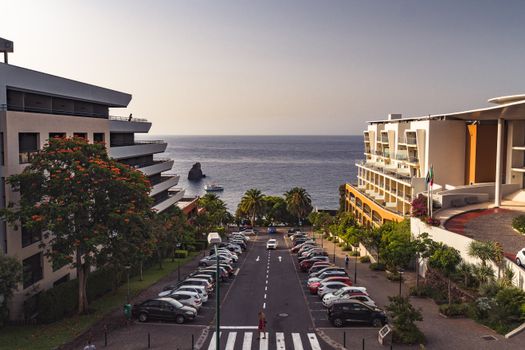
In cities, new hotels often appear in business districts, near stations or airports, or in converted historic buildings. These can be convenient and well connected, and weekend rates may be lower where business travel dominates. Check the neighbourhood after dark, and compare walking distance to the sights you care about.
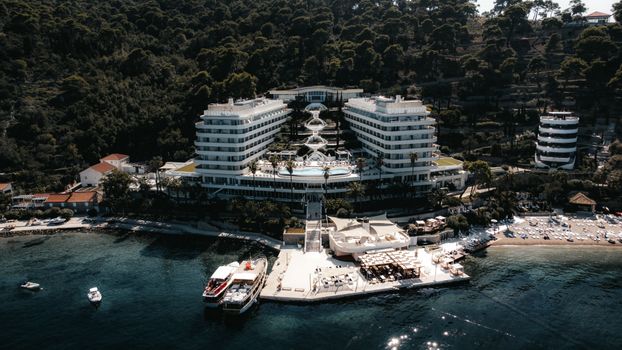
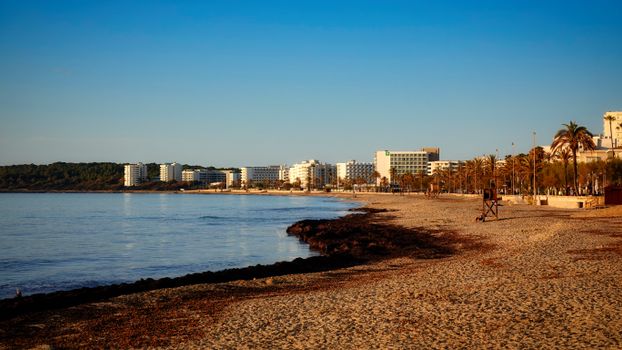
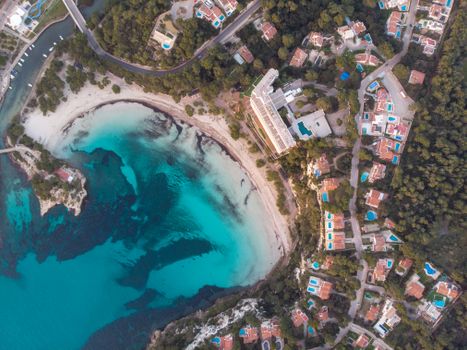
In resort areas, large complexes may be built along a coast, often with their own beaches, restaurants and activities. They can be comfortable for families, but they may keep you inside a bubble. If you want a sense of place, plan excursions to nearby towns, markets and natural areas, and consider small guesthouses as a contrast.
Things to look for in a hotel that cares about its surroundings
Not every new hotel is the same. Some design with local materials and employ local staff, and some partner with community projects. Questions you can ask include:
- Does the hotel hire and train people from the local area?
- Does it source food from nearby producers?
- How does it manage water, energy and waste?
- Does it support conservation or cultural projects, and can you see evidence?
- Is it open about its practices, or does it rely on vague slogans?
You will not always get perfect answers, but asking encourages better practice, and the quality of the reply is informative.
Reading development news critically
Headlines about hotel pipelines can be optimistic. When you read them:
- Check who is making the claim. Is it a developer, a government body or an independent source?
- Look for dates. Projects announced years ago may have stalled.
- Distinguish between planned, under construction and open.
- Be wary of precise growth numbers with no source.
For travel planning, the most useful information is practical: what is open now, what is open soon, and what the surroundings are like.
A sample planning approach
Imagine you are drawn to an emerging coastal destination with several new resorts. A sensible approach could be:
- Research the area's tourism board for official updates and seasonal weather.
- Compare new and established hotels, noting differences in location and reviews.
- Choose a flexible booking for a property that has been open for at least a few months.
- Plan daily activities that involve local life, such as markets, small restaurants and guided nature walks.
- Travel in the shoulder season to enjoy quieter beaches and better rates.
- Keep a day or two free for spontaneous discoveries.
Frequently asked questions
Are new hotels always better than older ones? Not necessarily. New hotels offer modern facilities but may lack polished service or established staff routines. Older hotels may have character and a proven record. Read recent reviews.
Will hotel prices drop where many hotels are being built? Sometimes, but not always. Prices depend on demand, season and local costs. Compare across dates and booking channels.
How can I avoid construction noise? Check recent reviews, ask the hotel directly about nearby building work, and request a room away from the site.
Is rapid development bad for the destination? It can bring both benefits and strains. Thoughtful planning and responsible visitors help make growth more sustainable.
Summary
Hotel building booms signal growing interest in a destination. For travellers, they can mean more choice, fresh facilities and better infrastructure, but also construction, change and pressure on local communities.
Research recent news, verify opening dates, read early reviews, choose flexible bookings, and travel in a way that supports local people and landscapes. With a little care, you can enjoy a changing destination while helping it change for the better.
More pictures

Tags
Share this guide
We may earn a commission if you click a link and buy a product or service, at no extra cost to you. How affiliate links work.
Been there?