
Ever seen a photo so stunning you thought it *had* to be Photoshopped? Get ready to challenge your reality! We're diving deep into the world's most unbelievable, yet 100% real, photo spots that locals desperately want to keep under wraps. Prepare to capture shots that will make your followers gasp and wonder how you found them! ---
The World's Most Surreal Shots: Hidden Gems Locals Keep Secret (Until Now!)
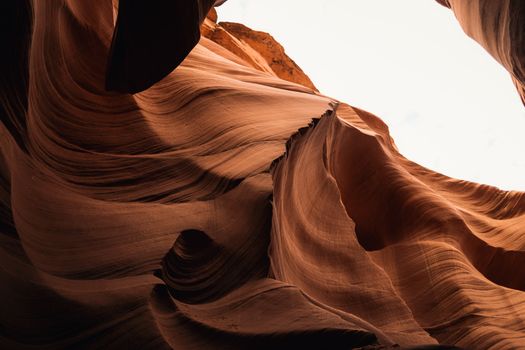
I remember standing on the edge of what looked like a giant, swirling painting, the rock formations around me a mesmerizing blend of reds, oranges, and yellows, sculpted by wind and time into impossible waves. My jaw was practically on the ground. "Is this even real?" I mumbled to my guide, who just winked. "Locals know," he said with a grin, "but not many outsiders get to see it." That moment, at a spot so profoundly unreal it felt like I'd stepped into a Salvador Dalí masterpiece, sparked an obsession: finding the world's most "fake but real" photo spots – places so visually stunning, so otherworldly, that your camera struggles to capture their true, unbelievable essence.
We've all scrolled through Instagram, paused on a breathtaking landscape, and thought, "No way that's real." Often, you're right – filters and editing can work wonders. But what if I told you there are places on this planet that genuinely defy belief? Places where nature has gone rogue, creating scenes that look like CGI, alien planets, or a painter's wildest dream? And what if I told you that many of these spots are carefully guarded secrets, cherished by locals who appreciate their magic and prefer to keep them off the well-trodden tourist path?
Welcome to the ultimate guide for the intrepid photographer, the curious traveler, and anyone who craves an adventure beyond the ordinary. I’m here to pull back the curtain on some of these incredible, almost mythical locations. These aren't just pretty places; they're experiences that will challenge your perception of reality and leave you with photos that will make everyone ask, "Where is that?!"
Ready to unlock the secrets? Let's dive in.
---
1. The Wave, Arizona/Utah Border, USA: Nature's Swirling Canvas
Why it's unreal: Imagine walking through a petrified ocean of sandstone, where ancient waves have been frozen in time, their stripes and curves flowing in hypnotic patterns of red, orange, and white. The Wave is a geological wonder that looks like a giant, psychedelic painting, a natural sculpture too perfect to be true. The light plays tricks, making it appear as if the ground itself is moving. It’s a photographer’s dream and a hiker’s ultimate prize.
My Story: Getting to The Wave felt like winning the lottery – because it literally is. After months of applying online and facing rejection after rejection, I finally secured one of the coveted 10 daily walk-in permits at the Kanab lottery. The morning I won, my heart pounded. The 6.4-mile round trip hike across rugged, unmarked terrain was challenging, but every step was worth it. As I rounded the final bend and The Wave unfurled before me, I actually gasped. It was more breathtaking, more vibrant, and more surreal than any photo I’d ever seen. It felt like walking through a liquid dream. I spent hours just sitting, watching the shadows dance across the sandstone, trying to absorb every impossible detail.
The Local Lowdown & How to Visit: This is the quintessential "locals don't want tourists to know" spot, not out of malice, but out of necessity to protect its fragile beauty. The Bureau of Land Management (BLM) limits access to just 64 people per day (48 via online lottery, 16 via walk-in lottery). This scarcity is precisely why it remains so pristine and magical.
- Permits are essential: Apply online four months in advance for the advanced lottery, or try your luck with the daily walk-in lottery in Kanab, Utah, or the new geofence lottery (check BLM website for current rules).
- Cost: Permit fee is usually around $7 per person.
- Getting there: It's located in the Paria Canyon-Vermilion Cliffs Wilderness. You'll need a high-clearance 4WD vehicle to reach the Wire Pass Trailhead, and then a keen sense of navigation (GPS recommended, as the trail isn't always obvious).
- Best time to visit: Spring and fall offer milder temperatures. Early morning light is fantastic for photography, highlighting the contours, but midday sun can bring out the vibrant colors.
Snapping the Shot:
- Wide-angle lens: Essential to capture the sweeping curves.
- Golden hour: Early morning or late afternoon light makes the colors pop and creates dramatic shadows.
- Look for patterns: Focus on the intricate lines and swirling textures. Don't forget to look for the "dinosaur tracks" and "the second wave" further up.
- No tripods allowed without specific permit: Check regulations.
---
2. Caño Cristales, Colombia: The Liquid Rainbow
Why it's unreal: Imagine a river that erupts in a riot of color, flowing in shades of red, yellow, green, blue, and black. Caño Cristales, often called the "River of Five Colors" or "Liquid Rainbow," looks like someone poured a giant paint bucket into the jungle. This isn't algae or pollution; it's a unique aquatic plant, Macarenia clavigera, that blooms in brilliant hues under specific conditions. It's a natural phenomenon so vibrant it genuinely looks photoshopped.
My Story: My journey to Caño Cristales began with a tiny propeller plane from Villavicencio, bumping over the vast plains of the Meta department, feeling like I was heading to the edge of the world. After landing on a grassy airstrip in La Macarena, a small, remote town, the adventure continued with a boat ride and a hike into the Sierra de la Macarena National Natural Park. When I first glimpsed the river, my jaw dropped. It wasn't just red – it was a spectrum! I saw deep crimson fading into fiery orange, patches of emerald green moss, and hints of blue in the deeper pools. The water was so clear you could see every single stem of the Macarenia clavigera swaying in the current. I spent days exploring, swimming in designated pools, and marveling at this living artwork. The local guides, many of whom were former FARC combatants now working for peace and tourism, shared stories of the river's history and their deep respect for its magic.
The Local Lowdown & How to Visit: This river's ephemeral beauty is why it's a well-kept secret. The plant only blooms for a few months a year, and the region was historically inaccessible due to conflict. Now, it's a beacon of ecotourism and peace.
- Best time to visit: Late May/early June to November, when the water levels are just right for the plant to bloom.
- Cost: Tours are mandatory and typically involve flights, accommodation, and guided excursions. Expect to pay anywhere from $500-$1000+ for a 3-4 day package from Bogotá or Medellín.
- Getting there: Fly from Bogotá or Villavicencio to La Macarena. From there, local tours arrange boat transfers and guided hikes.
- Respect the environment: Sunscreen and insect repellent are generally prohibited when swimming to protect the delicate ecosystem. Listen to your guides.
Snapping the Shot:
- Polarizing filter: Crucial for cutting glare and enhancing the colors beneath the water's surface.
- Wait for the sun: Direct sunlight makes the colors truly explode.
- Vary your angles: Get low to capture the plants flowing, or shoot from above to show the river's overall mosaic.
- Waterproof gear: Essential if you plan on getting close to the action.
---
3. Fly Geyser, Nevada, USA: An Alien Hot Spring on Earth
Why it's unreal: Rising from the stark Nevada desert, Fly Geyser is a bizarre, multicolored mound constantly spouting hot water, creating a surreal, alien landscape. Its vibrant hues of red, green, and gold come from thermophilic algae, giving it the appearance of a living sculpture from another planet. It looks like something out of a sci-fi movie, completely out of place and utterly unbelievable.
My Story: The first time I saw a photo of Fly Geyser, I was convinced it was a digital rendering. "There's no way that's real," I told my friend. But the challenge was set. Finding it wasn't easy; it's on private land, the historic Fly Ranch, which has since been acquired by the Burning Man Project. After a bit of research and respectful outreach, I managed to secure a spot on a guided nature walk, one of the few ways to legally access the geyser. The drive through the vast, empty Black Rock Desert felt like a pilgrimage. When the geyser finally came into view, shimmering in the distance, it was even more fantastical than I'd imagined. It wasn’t just one geyser; it was a series of formations, constantly evolving, steaming, and dripping. The silence of the desert, broken only by the hiss of the geyser, made the experience truly profound. It felt like I was witnessing a secret, living artwork of the Earth.
The Local Lowdown & How to Visit: This is perhaps the ultimate "local secret" because it's on private property and access is strictly controlled to preserve its unique beauty and the surrounding ecosystem. The Burning Man Project offers limited, guided tours for a small fee, focusing on education and conservation.
- Access: Currently, the most reliable way to visit is through guided nature walks organized by the Friends of Black Rock-High Rock or the Burning Man Project's Fly Ranch programs. Check their websites for schedules and booking information. Unauthorized access is trespassing.
- Cost: Tour fees are usually modest and go towards conservation efforts.
- Getting there: Located north of Gerlach, Nevada, in the Black Rock Desert. You'll need a vehicle capable of navigating dirt roads.
Snapping the Shot:
- Telephoto lens: Useful for capturing details and patterns from a distance, as you can't get too close.
- Drone photography (with permission): If allowed and within regulations, a drone can offer incredible aerial perspectives.
- Mid-day sun: Can bring out the vibrant colors of the algae.
- Focus on the steam and water flow: Capture the dynamic nature of the geyser.
---
4. Lake Hillier, Western Australia: The Pink Bubblegum Lake
Why it's unreal: Picture a lake the color of bubblegum pink, nestled amidst dense green forest, bordered by a strip of white salt, and just a stone's throw from the deep blue Indian Ocean. Lake Hillier, on Middle Island in Western Australia's Recherche Archipelago, looks like a giant, vibrant splash of Pepto-Bismol. It's so intensely, perfectly pink that it defies belief – it looks like a scene from a whimsical children's book or a heavily filtered Instagram post.
My Story: I'd seen countless photos of pink lakes, but many were either subtly pink or a result of clever lighting. Lake Hillier was different. From the moment our small plane banked over Middle Island, I gasped. "It's REALLY pink!" I yelled over the engine noise. The contrast was astounding: the deep azure of the ocean, the verdant green of the eucalyptus trees, the brilliant white of the salt rim, and then, this incredible, opaque bubblegum pink oval. It was like nature had decided to paint a masterpiece with the most unexpected palette. I felt a surge of pure joy, like I'd stumbled upon a secret corner of the world where colors were amplified. Landing on the island (which requires permits) and seeing it up close, while not allowing swimming, confirmed its surreal beauty. The water itself is clear, but the micro-algae and bacteria in the salt crust create this astonishing hue.
The Local Lowdown & How to Visit: While not exactly a "secret," its remote location and protected status keep it from being overrun. Locals cherish its unique beauty and the pristine environment of the archipelago.
- Access: The most common way to see Lake Hillier is via scenic flights from Esperance, offering unparalleled aerial views. Some boat tours to Middle Island are also available, which usually include a guided walk (swimming in the lake is generally not permitted).
- Cost: Scenic flights typically range from AUD $200-$400, depending on the duration and aircraft. Boat tours can be similar.
- Getting there: Fly or drive to Esperance, Western Australia. From there, arrange your tour.
- Best time to visit: Any time of year, as the pink color is constant. Sunny days enhance the vibrancy.
Snapping the Shot:
- Aerial perspective is key: This lake is best appreciated from above.
- Drone shots: If you have drone permits and experience, this is an incredible location for aerial photography.
- Contrast: Capture the surrounding blue ocean and green foliage to emphasize the pink.
- Zoom in: Get shots of the salt rim and the subtle variations in pink.
---
5. Hitachi Seaside Park, Japan: The Seasonal Sea of Colors
Why it's unreal: Imagine entire hillsides blanketed in a single, vibrant color – brilliant blue nemophila flowers in spring, or fiery red kochia bushes in autumn. Hitachi Seaside Park isn't just a garden; it's a living, breathing canvas that transforms with the seasons. The sheer scale and uniformity of the colors make it look less like a natural landscape and more like an exquisitely manicured, hyper-real painting or a scene from a Dr. Seuss book. It’s almost too perfect to be true.
My Story: After countless visits to Japan, I thought I'd seen all its seasonal wonders. Then I stumbled upon images of Miharashi Hill at Hitachi Seaside Park, awash in an impossible sea of blue. "This has to be Photoshopped," I thought. But a local friend insisted it was real, a beloved spot for weekend getaways. So, in late April, I hopped on a train from Tokyo. As I approached Miharashi Hill, a gentle breeze rustled the sea of nemophila, making the entire hillside ripple in shades of sky blue. It was utterly mesmerizing. Later, I returned in autumn to witness the kochia transform from green to brilliant crimson. The sight was so overwhelming, so perfectly orchestrated by nature and careful cultivation, that it felt like stepping into a dream. It’s not "hidden" in the traditional sense, but its specific, intense seasonal beauty is a local favorite that often gets overshadowed by cherry blossoms or fall foliage elsewhere.
The Local Lowdown & How to Visit: This park is a testament to Japanese horticultural artistry and a hugely popular domestic destination, particularly during peak blooming seasons. It's not a secret, but its almost artificial perfection makes it fit the "fake but real" bill perfectly.
- Best time to visit:
- Nemophila (Baby Blue Eyes): Mid-April to early May (peak Golden Week, so expect crowds).
- Kochia (Summer Cypress): Mid-September to mid-October for the stunning red transformation.
- Cost: Entrance fee is typically around ¥450 (approx. $3-4 USD) for adults.
- Getting there: Take the JR Joban Line from Ueno Station in Tokyo to Katsuta Station (approx. 80 minutes). From Katsuta Station, take a local bus directly to the park (approx. 15 minutes).
- Respect the flowers: Stay on designated paths and do not touch or pick the flowers.
Snapping the Shot:
- Low angles: Get down among the flowers to create an immersive, endless field effect.
- Capture the scale: Use a wide-angle lens to show the vastness of the bloom.
- Look for contrast: If you're there for Kochia, capture the red against the blue sky. For Nemophila, the blue against green trees.
- People as scale: Include a person (respectfully, not trampling!) to show the impressive scale of the hills.
---
6. Waitomo Glowworm Caves, New Zealand: A Starry Night Underground
Why it's unreal: Descend into the darkness of the Waitomo Caves, and you'll find yourself gliding silently under a canopy of twinkling blue lights. Thousands of tiny glowworms (Arachnocampa luminosa) cling to the cave ceiling, creating an otherworldly spectacle that mimics a starry night sky. It's a breathtaking, magical experience that looks entirely fabricated, like a scene from a fantasy film, yet it's 100% natural.
My Story: I'd heard about the Waitomo Glowworm Caves for years, but nothing, nothing, prepared me for the reality. After a brief introduction to the cave's geology, our small group boarded a flat-bottomed boat. The guide, a Māori descendant of the original discoverers, gently pulled us along a silent river. As we rounded a bend and the main grotto opened up, I literally held my breath. Above us, the cave ceiling was a shimmering, celestial dome, thousands of tiny blue-green lights pulsating in the darkness. It was like floating through the Milky Way, completely detached from the world above. The silence was profound, broken only by the gentle drip of water and the distant echo of our collective awe. It was one of those rare moments where you completely forget about your phone and just experience the magic.
The Local Lowdown & How to Visit: The Waitomo Caves are a well-known attraction, but the unique experience itself feels like a guarded secret, a glimpse into a hidden, living universe. The local Māori iwi (tribe) has a deep spiritual connection to the caves and manages them with immense respect for their natural and cultural heritage.
- Cost: Entrance fees for the classic Glowworm Cave tour are typically around NZD $50-60 for adults. Combination tickets with other cave experiences (like Ruakuri Cave or Black Water Rafting) are also available.
- Getting there: Waitomo Caves Village is about a 2.5-hour drive south of Auckland or an hour south of Hamilton. Many tour operators offer day trips from major cities.
- Tours are mandatory: You must join a guided tour to enter the Glowworm Caves.
- Silence is golden: To preserve the magic and not disturb the glowworms, absolute silence is requested during the boat ride.
Snapping the Shot:
- Photography is extremely limited: To protect the glowworms and maintain the experience, flash photography is strictly prohibited. In the main glowworm grotto, all photography is generally forbidden on the boat ride. This is one of those rare places where you truly need to put your camera away and soak it in.
- Alternative: Some tours of other caves in the Waitomo system (like Ruakuri Cave) might allow photography in certain areas, but always check with your guide.
- Focus on the feeling: While you might not get a perfect "Instagram" shot inside the main grotto, the memory and the story are far more powerful. Capture the entrance, the surrounding nature, and the anticipation.
---
Unlocking the Secrets: Travel Responsibly, Explore Authentically
These "fake but real" photo spots are more than just pretty backdrops; they are testaments to the incredible artistry of our planet. They offer a unique kind of wonder, a moment of disbelief followed by pure, unadulterated awe. The reason some of these places remain "local secrets" isn't always about exclusion, but often about preservation – protecting fragile ecosystems, respecting cultural significance, or simply maintaining the magic of a place before it's loved to death.
When you venture to these extraordinary locations, remember a few things:
- Respect Local Customs: Always be mindful of local traditions and guidelines.
- Leave No Trace: Pack out everything you pack in. Stick to designated paths.
- Support Local Communities: Hire local guides, stay at local accommodations, and buy from local businesses. Your tourism can make a positive impact.
- Patience is a Virtue: Some of these places require permits, long journeys, or specific timing. The effort makes the reward even sweeter.
- Sometimes, the Best Photo Isn't Taken: There are moments when simply being present, soaking in the view, and letting the wonder wash over you is more valuable than any perfect shot.
So, go forth, intrepid traveler! Seek out these unbelievable corners of the world. Challenge your reality, capture the impossible, and come back with stories that will inspire wonder. And when you do, share your adventures responsibly, keeping the spirit of discovery and preservation alive.
Which of these surreal spots will you add to your bucket list first? Let me know in the comments below! And don't forget to share this post with your fellow wanderlusters – because the world's best secrets are meant to be (carefully) shared.
---
More pictures


Tags
Share this guide
We may earn a commission if you click a link and buy a product or service, at no extra cost to you. How affiliate links work.
Been there?