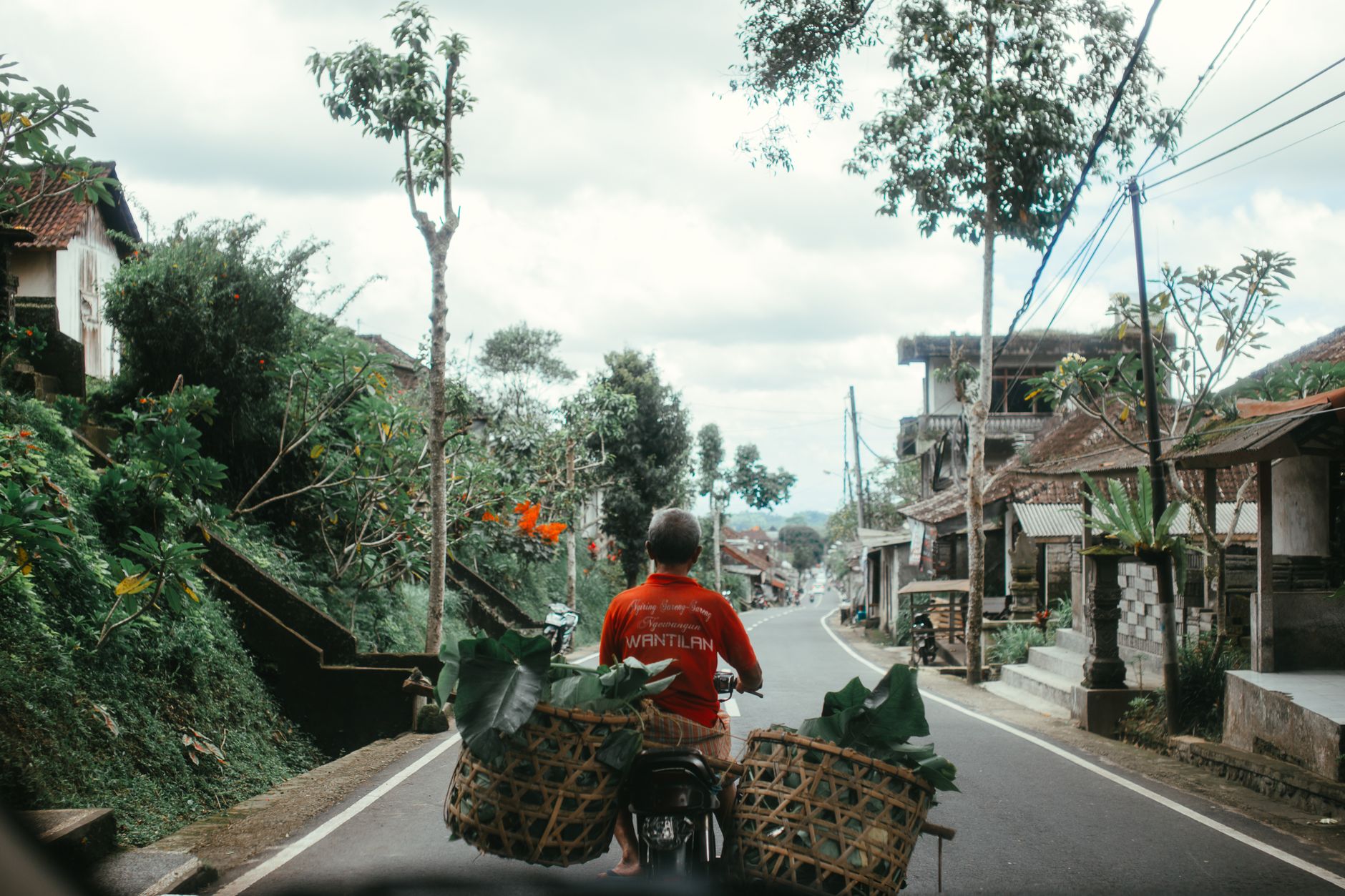
Tired of tourist traps? Unlock the true soul of a destination by supporting its local businesses. From handcrafted treasures to culinary delights and authentic cultural experiences, these are the hidden gems that will transform your trip and leave you with unforgettable memories, far beyond the typical souvenir shop. ---
Beyond the Brochure: How Supporting Local Businesses Will Blow Your Mind (and Transform Your Trip!)
I still remember my first "aha!" moment. It was in Rome, years ago, on a blistering summer afternoon. I’d dutifully visited the Colosseum, tossed a coin in the Trevi Fountain, and was feeling... well, a little underwhelmed. Everything felt like a conveyor belt, designed for the masses. Then, my friend, a local, dragged me away from the crowded piazza and down a cobbled alley so narrow I almost missed it. We ducked into a tiny, unassuming trattoria, its faded green awning barely visible. Inside, an elderly woman, Nonna Maria, greeted us with a smile that crinkled the corners of her eyes. There was no menu, just a whiteboard scrawled with two options: pasta del giorno or gnocchi.
I chose the pasta. What arrived was a simple, perfectly al dente cacio e pepe, so rich and flavorful it tasted like sunshine and generations of love. It cost less than €10, and Nonna Maria refilled my water glass without me asking, chatting animatedly in Italian (which I barely understood, but felt completely). That meal, in that tiny, family-run spot, was more authentic, more memorable, and more Rome than any of the major landmarks. It blew my mind.
That day, I learned a fundamental truth about travel: the real magic happens when you step off the well-trodden path and connect with the heart and soul of a place – its people and their passion. And there's no better way to do that than by supporting local businesses. They're the guardians of culture, the purveyors of authentic flavors, and the engines of community. Ready to ditch the generic and dive deep? Here are 7 types of local businesses that will not just enhance your trip, but genuinely blow your mind.
1. The Culinary Revolution: Taste Beyond the Tourist Menu
Forget chain restaurants and overpriced tourist traps serving bland versions of local dishes. The true culinary soul of a destination lies in its family-run eateries, bustling street food stalls, and hidden cafes. These are the places where recipes have been perfected over generations, using ingredients sourced from local markets, and served with pride.
Why it blows your mind: You're not just eating food; you're tasting history, tradition, and the love poured into every dish. The flavors are bolder, the ingredients fresher, and the experience infinitely more authentic. You might discover a dish you've never heard of, or a preparation method that surprises you.
My Anecdote: In Hanoi, Vietnam, my mission was to find the best Bún Chả. Instead of a fancy restaurant, a local friend led me to a small, unassuming spot down an alley. A woman grilled pork patties over charcoal on the sidewalk, the aroma intoxicating. Inside, we sat on tiny plastic stools, slurping bowls of vermicelli noodles, succulent pork, and fresh herbs, all for about 35,000 VND (roughly $1.50 USD). It was noisy, chaotic, and hands down the most delicious meal of my trip. The experience was immersive, a true snapshot of local life, and the food? Unforgettable.
How to find them:
- Ask locals: Your hotel staff, taxi driver, or even someone you strike up a conversation with at a market will have the best recommendations. Ask, "Where do you eat?"
- Look for queues: A line of locals is always a good sign.
- Wander off the main streets: The best spots are often tucked away.
- Check local food blogs/apps: Search for "best street food [city]" or "local eats [city]" rather than "top restaurants."
Instagram-worthy moment: A vibrant street food stall, a perfectly plated, colorful local dish, or a candid shot of you enjoying a meal on a tiny stool.
2. Artisanal Wonders: Crafts, Culture & Community
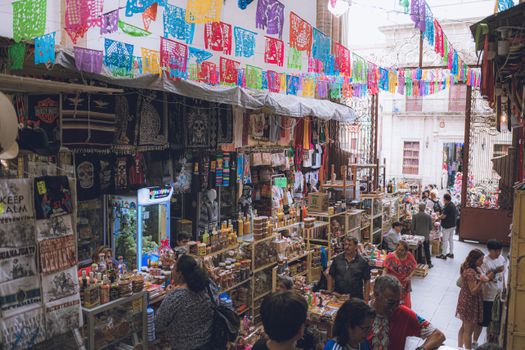
In a world of mass-produced souvenirs, finding a unique, handcrafted item feels like discovering treasure. Local artisans pour their heart, soul, and heritage into their creations, preserving traditional techniques and telling stories through their work. Supporting them means taking home a piece of culture, not just a trinket.
Why it blows your mind: You witness skill, dedication, and creativity firsthand. You learn about the cultural significance behind the crafts, understand the materials, and appreciate the hours of labor. The item you buy isn't just a souvenir; it's a piece of art with a story.
My Anecdote: During a trip to Oaxaca, Mexico, I stumbled upon a small pottery workshop in a village called San Bartolo Coyotepec. The family specialized in barro negro, a distinctive black pottery. I watched a young woman, Maria, meticulously polish a vase until it gleamed, using a simple quartz stone. Her grandmother sat nearby, shaping clay with practiced hands. I bought a small, intricately carved plate for about 300 MXN ($15 USD) – a fraction of what it would cost in a tourist shop – and felt a profound connection to their artistry and their family's legacy. Maria even explained the symbolism of the patterns carved into the plate.
How to find them:
- Visit local markets: Especially farmers' markets or specific craft markets, not just the main tourist bazaar.
- Look for workshops: Often, artisans have small studios where they work and sell directly. You might see signs or hear the sounds of their craft.
- Ask guides: Local guides often know specific artisans or co-operatives.
- Seek out co-operatives: Many indigenous communities organize co-operatives to sell their crafts directly, ensuring fair wages.
Instagram-worthy moment: A close-up of intricate handiwork, a candid shot of an artisan at work, or a photo of you holding your unique, handcrafted treasure.
3. Wellness & Wisdom: Holistic Experiences You Won't Find Online
Beyond the usual spa treatments, many cultures offer unique traditional wellness practices that tap into ancient wisdom. From herbal remedies to traditional massages and healing ceremonies, these local services offer a deeper connection to local customs and a truly restorative experience.
Why it blows your mind: It’s an immersion into a different approach to well-being, often rooted in centuries of practice and deep connection to nature. You might discover new ways to relax, heal, or simply gain a fresh perspective on life.
My Anecdote: In Chiang Mai, Thailand, I bypassed the fancy hotel spas for a small, traditional Thai massage school. The students, under the watchful eye of their master, practiced ancient techniques that involved stretching, acupressure, and deep tissue manipulation. My 90-minute massage cost only 400 THB ($12 USD) and left me feeling like a new person – stretched, invigorated, and profoundly relaxed. The experience was humble, authentic, and far more effective than any luxury spa treatment I'd ever had. I even learned a bit about the philosophy behind Thai massage from my student therapist.
How to find them:
- Research traditional practices: Before you go, look up indigenous or traditional wellness practices in your destination (e.g., Ayurveda in India, Temazcal in Mexico, Hammams in Morocco).
- Ask for recommendations: Locals will know the authentic practitioners, not just the tourist-focused ones.
- Look for community centers: Sometimes traditional healers or practitioners operate out of community centers or small, independent clinics.
Instagram-worthy moment: A serene shot of a traditional healing space, a close-up of unique herbal ingredients, or a relaxed post-treatment selfie.
4. Adventure & Authenticity: Local Guides & Eco-Tours
While large tour operators have their place, nothing beats the insights and personal touch of a local guide. They know the secret trails, the best viewpoints, the hidden stories, and the cultural nuances that a guide from a big company might miss. Local eco-tours, often run by community members, also ensure that your adventure benefits the very people and places you're exploring.
Why it blows your mind: You get an insider's perspective, learn details you won't find in guidebooks, and often experience places that are off-limits or unknown to general tourists. Your money directly supports local families and conservation efforts.
My Anecdote: In the Sacred Valley of Peru, instead of booking a large group tour to Machu Picchu, I hired a local Quechua guide named Mateo for a multi-day trek. He didn't just lead the way; he shared stories of his ancestors, pointed out medicinal plants, explained the significance of the mountains, and even taught me a few Quechua phrases. We visited a small village not on any tourist map, where I shared coca tea with his family. The cost was about $80/day for his guiding services (plus shared transport and food costs), and it was worth every penny for the depth of cultural immersion and personal connection I gained.
How to find them:
- Community-based tourism initiatives: Many regions have programs designed to connect travelers with local guides and experiences.
- Ask at guesthouses/homestays: Owners often have personal connections to local guides.
- Local tourism offices: Sometimes smaller, independent guides register here.
- Online forums/local groups: Search for recommendations in destination-specific travel groups.
Instagram-worthy moment: A breathtaking landscape with your local guide, a candid shot of cultural exchange, or a unique activity you couldn't do with a big tour.
5. The Coffee & Community Connection: Local Cafes & Roasteries
More than just a place to grab a caffeine fix, local coffee shops and roasteries are often the beating heart of a neighborhood. They're where friends gather, artists create, and locals simply are. Supporting them means fueling the local economy and getting a genuine glimpse into daily life.
Why it blows your mind: You discover unique brewing methods, taste beans roasted with passion, and observe the rhythm of local life. It's a perfect spot for people-watching, connecting with locals, or simply enjoying a moment of peace amidst your travels.
My Anecdote: In Da Lat, Vietnam, known for its coffee, I sought out a local roastery. I found a small, almost hidden shop called "Phố Núi Coffee" where the owner, Mr. Lam, roasted his beans in a tiny back room. He served me a drip coffee so rich and aromatic, unlike anything I’d tasted. We chatted (with the help of Google Translate) about his family's coffee farm and the nuances of Vietnamese robusta. A cup cost 25,000 VND ($1.10). I bought a bag of his freshly roasted beans, and every morning since, that coffee transports me back to his warm hospitality and the misty hills of Da Lat.
How to find them:
- Wander through residential areas: Away from the main tourist streets.
- Look for unique signage: Often, local cafes have hand-painted signs or distinct branding.
- Check local review sites: Use Google Maps and look for reviews specifically mentioning "local" or "authentic" coffee.
- Follow your nose: The smell of freshly roasted coffee is unmistakable!
Instagram-worthy moment: A beautifully latte-arted coffee, a cozy cafe interior bustling with locals, or a shot of exotic coffee beans being roasted.
6. Sweet Endings & Lasting Memories: Unique Local Treats & Shops
Every culture has its unique sweets, snacks, and specialty shops that reflect its heritage and flavors. From artisanal bakeries to small candy stores or shops specializing in local honey, spices, or textiles – these businesses offer delightful sensory experiences and unique gifts.
Why it blows your mind: You uncover flavors and textures you won't find anywhere else, often made with traditional recipes passed down through generations. These treats become edible memories, and the specialty shops offer a chance to take a piece of the local flavor home.
My Anecdote: During a road trip through Provence, France, I was determined to find the best calissons d'Aix, a traditional almond-shaped candy. Instead of a large confectionery, I found a small patisserie in Aix-en-Provence, "Pâtisserie Béchard," that had been making them since 1870. The aroma of almonds and candied fruit was heavenly. I bought a small box for €8, and each bite was a delicate symphony of flavor – a true taste of Provence. I also found a tiny shop selling local lavender honey, which became my favorite breakfast accompaniment for months.
How to find them:
- Explore local markets: Again, markets are a goldmine for specialty food items.
- Ask your accommodation host: They'll know the best local bakeries or sweet shops.
- Follow your intuition: If a shop looks charming and authentic, step inside!
- Look for "épicerie fine" or "artisanale" signs: These often indicate specialty food stores.
Instagram-worthy moment: A colorful display of unique local sweets, a close-up of a beautifully packaged local product, or you enjoying a delicious treat on a charming street.
7. The Book Nook & Story Hub: Independent Bookstores
In an age of digital everything, independent bookstores are sanctuaries of local culture and knowledge. They're often curated by passionate owners who know their community, its history, and its literary scene inside out. They offer a quiet respite and a chance to dive deeper into the local narrative.
Why it blows your mind: You can find local authors, learn about the region's history, discover unique art books, or simply enjoy a moment of peace surrounded by stories. It's a place to connect with the intellectual and creative pulse of a community.
My Anecdote: In Lisbon, Portugal, I stumbled upon "Livraria Ler Devagar" in the LX Factory, a vibrant industrial complex turned creative hub. It wasn't just a bookstore; it was an art installation, with books stacked to the ceiling, a working printing press, and a flying bicycle sculpture. I spent hours there, sipping coffee, browsing local poetry, and soaking in the bohemian atmosphere. I bought a beautifully illustrated book on Portuguese fables for €15, a truly unique souvenir that captured the artistic spirit of Lisbon far better than any ceramic sardine.
How to find them:
- Search online for "independent bookstores [city]": Many have unique stories and events.
- Ask locals: Especially students or artists, who often frequent these spots.
- Look for quirky, inviting storefronts: Independent bookstores often stand out.
Instagram-worthy moment: A towering bookshelf, a cozy reading nook, or a shot of a unique book cover with local flair.
Beyond the Transaction: Making a Real Impact
Supporting local businesses isn't just about getting a unique experience; it's about making a tangible, positive impact. When you spend your money locally:
- You keep money in the community: Local businesses often source locally, creating a ripple effect.
- You preserve local culture: Artisans, traditional cooks, and guides keep ancient traditions alive.
- You foster unique character: Local businesses give a place its distinctive charm, preventing it from becoming a generic tourist clone.
- You create meaningful connections: You get to meet the people behind the products and services, creating lasting memories.
Practical Tips for Being a Local Supporter:
- Do your research (but leave room for spontaneity): Look up local markets, traditional crafts, or unique food experiences before you go, but also be open to discovering things by wandering.
- Ask, ask, ask: Don't be shy to ask locals for recommendations. They are your best resource.
- Look for authenticity cues: Are prices displayed in local currency? Do locals frequent the establishment? Is the service personalized rather than transactional?
- Be respectful: Bargain respectfully if it's customary, but don't undervalue their work. Be patient if there's a language barrier.
- Pay in local currency: It helps avoid extra fees for the business owner.
- Share your experience: Tag them on Instagram, leave a positive review, and tell your friends. Your endorsement is invaluable!
The Journey Continues: Your Turn to Discover
My "aha!" moment in Rome, and countless others since, have fundamentally changed how I travel. I no longer just visit a place; I strive to connect with it. And the most profound connections have always been through the people who pour their passion into their local businesses.
So, on your next adventure, challenge yourself. Step away from the familiar. Ask a local. Wander down that intriguing alley. You might just find a culinary masterpiece, a handcrafted treasure, or a moment of authentic connection that not only blows your mind but fundamentally transforms your understanding of the world.
What local business has blown your mind on a trip? Share your stories and recommendations in the comments below – let's inspire each other to travel deeper and support local!
---
More pictures

Tags
Share this guide
We may earn a commission if you click a link and buy a product or service, at no extra cost to you. How affiliate links work.
Been there?