
The dream of a relaxing family vacation can quickly turn into a packing nightmare, especially with little ones in tow. But what if I told you there are game-changing strategies that will transform your travel experience from chaotic to calm? Get ready to unlock the ultimate packing hacks that every family needs to master for stress-free adventures. ---
The Chaos Whisperer: Packing Hacks for Families with Young Kids You Need to Experience Before You Die
There I was, standing in the middle of our living room, surrounded by a mountain of tiny clothes, pacifiers, sippy cups, toys, and what felt like a small pharmacy. My husband, bless his heart, was attempting to wrestle a bulging suitcase zipper while our then two-year-old, Leo, "helped" by meticulously emptying the contents of another bag onto the floor. Our first big international trip to Portugal was just hours away, and the pre-travel anxiety was reaching peak levels, fueled by sheer stuff.
"Are we forgetting anything?" I’d ask, eyes scanning the room, already feeling the dread of hauling everything through Lisbon’s cobbled streets. The answer, inevitably, was yes, but also, paradoxically, we were packing far, far too much. That trip, while magical in hindsight, kicked off a personal quest: to become a packing ninja for families with young kids. I vowed never again to be defeated by a rogue teddy bear or the sheer volume of toddler paraphernalia.
Fast forward six years, two kids, and countless adventures – from scaling the Canadian Rockies to exploring the bustling souks of Marrakech – and I’ve cracked the code. These aren't just tips; they're the "before you die" level hacks that have fundamentally changed how my family travels. They've saved our sanity, our backs, and probably a few arguments. If you're ready to ditch the packing panic and embrace genuinely stress-free family travel, buckle up.
1. The "Less is More" Mantra (and How to Actually Achieve It): The KonMari Method for Kids' Luggage
Let's be real: "less is more" sounds great until you’re staring down a preschooler who insists on wearing their superhero cape everywhere. But hear me out. The secret isn't less stuff, it’s smarter stuff.
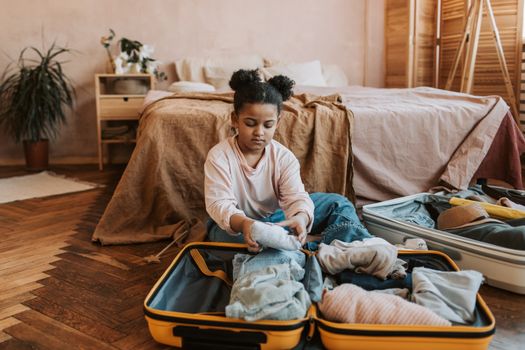
My first real test of this philosophy was a two-week road trip through the Pacific Northwest, hitting everything from the beaches of Oregon to the rainforests of Washington. Instead of packing for every possible weather scenario with individual outfits, I embraced the capsule wardrobe for my kids. Think mix-and-match:
- Bottoms: 3-4 versatile pairs (jeans, leggings, quick-dry shorts).
- Tops: 5-7 tops that can pair with any bottom.
- Outerwear: One versatile fleece and one waterproof, lightweight jacket.
- PJs: 2-3 sets.
- Shoes: Sneakers, sandals, and maybe one dressier pair if needed (often a comfy sneaker works for everything).
Personal Anecdote: For our trip to Maui, I packed each child only 4 swimsuits, knowing we'd be doing laundry every few days. The first time we went, I think I packed 10 each! This time, we embraced the hotel laundry service (worth every penny for a quick wash-and-dry cycle!), which meant fewer clothes, lighter bags, and more space for souvenirs (or, let's be honest, more snacks).
Actionable Advice:
- Lay it all out: Before packing, lay out every single item you think you need. Then, critically, remove at least a third. You won't miss it.
- Embrace quick-dry fabrics: Especially for kids' clothes. They wash easily in a hotel sink and dry overnight.
- Laundry on the go: Pack a small bag of laundry pods or a travel-size bottle of detergent. Many hotels have laundry facilities, or you can find local laundromats. It’s a small effort for a huge payoff in luggage space.
- The "One Week Rule": For trips longer than a week, pack for one week and plan to do laundry. No need for 14 outfits!
2. The Art of the Carry-On: Every Inch Counts – Mastering the Personal Item
This is where the magic truly happens. Even if you're checking bags, optimizing your carry-ons and personal items is paramount, especially with kids. These bags are your immediate lifelines.
Subheading: Mastering the Personal Item: Your Kids' Survival Kit
Each child (if old enough to carry one) gets their own small backpack. This isn't just for fun; it's a strategic move. It makes them feel important, and it offloads some of your burden.
What goes in their personal item (ages 2-7):
- Essential comfort item: Their favorite lovey or blanket.
- A few small, quiet toys: Think Wikki Stix, a small sticker book, a mini LEGO set, or a new, small surprise toy.
- Kids' noise-canceling headphones: A game-changer for flights. We swear by Puro Sound Labs for their volume-limiting tech.
- A refillable water bottle: Empty it before security, fill it after.
- Mess-free snacks: More on this below!
- One change of clothes: For spill emergencies.
My #1 Carry-On Hack: Packing Cubes are Non-Negotiable. Seriously, if you don't use packing cubes, stop what you're doing and order some. They are the single most transformative item for family packing.
Why packing cubes?
- Organization: Each child gets their own color-coded set. No more rummaging through a giant suitcase for a specific sock. "Leo's blue cube," "Maya's pink cube."
- Space-saving: They compress clothes surprisingly well.
- Easy access: Need a specific outfit? Grab the cube.
- Containment: If a liquid leaks, it's contained within the cube (mostly).
Personal Anecdote: Our multi-city train trip through Italy with a toddler and a preschooler would have been a disaster without packing cubes. Each cube was a perfectly curated "day's outfit" or "toy stash." We could quickly grab what we needed for an overnight stay in Florence without unpacking the entire suitcase. We even had a "dirty laundry" cube – genius! My go-to brands are Eagle Creek and AmazonBasics for their durability and range of sizes.
Actionable Advice:
- Roll, don't fold: For most items, rolling clothes tightly saves more space and reduces wrinkles.
- Designate a "day bag": A small, foldable backpack or cross-body bag for daily essentials (snacks, wipes, small first-aid, sunscreen) that you can grab from your main luggage.
3. Entertainment & Sanity Savers (Without the Bulk): Screen Time & Sanity
Keeping little ones entertained during travel is less about what you pack and more about how you pack it. The goal is maximum distraction with minimum bulk.
Subheading: Screen Time & Sanity: Smart Entertainment for Little Travelers
- Digital Lifeline: Load tablets or phones with kid-friendly movies, TV shows, and educational apps before you leave. Download everything offline. No Wi-Fi? No problem.
- Headphones: As mentioned, kids' noise-canceling headphones are a must. They allow kids to zone out and give parents a moment of peace.
- The "New Toy" Trick: Pack 1-2 small, inexpensive new toys or activities for each leg of your journey. The novelty factor is powerful. Think mini puzzles, a new coloring book, or a small pack of play-doh.
- Open-ended Play: Things like pipe cleaners, a small ball of yarn, or a single roll of painter's tape can provide hours of creative play.
Personal Anecdote: On a particularly long flight to Iceland, our 3-year-old was getting restless. I pulled out a small roll of painter's tape. He spent the next hour and a half meticulously taping little "roads" and "houses" on the seat-back tray table, completely absorbed. It was pure genius, cost under $5, and left no residue! Another time, a small bag of Wikki Stix saved us during a three-hour wait at the Paris train station. These are the unsung heroes of travel entertainment.
Actionable Advice:
- Power up: Portable power banks are essential for keeping devices charged.
- "Surprise Bags": For long flights or road trips, create small "surprise bags" with 2-3 new, small items. Hand them out at strategic moments (takeoff, after a meal, during a meltdown).
- Library books: Check out a few new library books just before your trip. Return them when you get back. Free entertainment!
4. Feeding the Beasts: Snacks, Sippies, & Sustainers – Fueling the Adventure
Hungry kids are grumpy kids. Grumpy kids make for grumpy parents. Therefore, snacks are not just food; they are mood stabilizers, peacekeepers, and often, wallet-savers.
Subheading: Fueling the Adventure: Snack Strategies That Save the Day (and Your Wallet)
- Reusable Everything: Ditch the single-use plastic. Invest in reusable snack bags (Stasher bags are amazing) and containers.
- Non-Perishable & Mess-Free: This is key. Think fruit snacks, crackers, pretzels, dried fruit, granola bars, applesauce pouches, individual packets of nuts (if no allergies), and squeeze pouches. Avoid anything sticky, crumbly, or requiring refrigeration unless you have a cooler bag.
- Empty Water Bottles: Always pack empty reusable water bottles. Fill them up after security at an airport or at your hotel. Staying hydrated is crucial.
- Formula/Breast Milk: Remember TSA rules allow for larger quantities of formula, breast milk, and juice for infants and toddlers. Declare these items at security.
- Emergency Rations: Always pack more snacks than you think you'll need. Delays happen.
Personal Anecdote: A flight delay at JFK turned into a three-hour ordeal with two hungry toddlers. My secret stash of goldfish crackers, fruit pouches, and granola bars averted an epic meltdown that would have been heard across the entire terminal. We even shared some with a fellow struggling parent! Another time, on a layover in Dubai, our well-packed lunch box saved us from the exorbitant airport food prices, allowing us to splurge on a small treat instead.
Specifics: Stasher bags are fantastic for snacks and can even be used for toiletries. Skip Hop snack cups are great for preventing spills.
Actionable Advice:
- Pack a small cooler bag: For longer trips, a collapsible cooler bag with an ice pack can keep sandwiches, cheese sticks, and fruit fresh for a few hours.
- Target the local grocery store: Upon arrival, make your first stop a local grocery store to stock up on fresh fruit, yogurt, and other perishables.
5. The Diaper & Potty Training Dilemma: Staying Clean & Composed
This section is for those in the thick of it – the diaper stage or the exhilarating (and sometimes terrifying) world of potty training on the go.
Subheading: Diapers, Wipes & What-Ifs: Staying Clean & Composed
- Diaper Strategy: Pack enough diapers for travel day + 1-2 days at your destination. Then, plan to buy more locally. Diapers are bulky, and almost every destination will have them. If you have a specific brand preference, research local availability beforehand.
- Wipes are Gold: Pack multiple packs of wipes. Not just for diaper changes, but for sticky hands, messy faces, and impromptu clean-ups.
- Disposable Changing Pads: Lightweight and hygienic, these are perfect for public restrooms or changing on the go.
- Portable Potty: If you’re potty training, a small, collapsible travel potty (like the Potette Plus) or disposable potty liners are lifesavers for road trips and places with questionable public toilets.
- Wet Bags: These are non-negotiable. For soiled clothes, wet swimsuits, or even dirty diapers when a trash can isn't immediately available. Ubbi makes great ones.
Personal Anecdote: Our first trip to a small village in rural France taught us a hard lesson about diaper availability. We ran out, and the local pharmacie only carried a tiny, expensive selection. From then on, I always researched local supermarkets or drugstores beforehand or made sure we had enough for a buffer. On a long car ride through the Canadian Rockies, the Potette Plus saved us from countless roadside emergencies and made our potty-training toddler feel secure.
Actionable Advice:
- Diaper Caddy: Use a small, portable caddy or a dedicated packing cube for all diaper essentials (diapers, wipes, cream, changing pad) so you can grab it quickly for changes.
- Hand sanitizer: Keep a travel-size bottle attached to your bag.
6. Document & Delegate: The Admin Side of Packing – Smart Prep for Smooth Sailing
Packing isn't just about clothes and toys; it's also about the crucial paperwork and mental load. This is where delegation and smart prep come into play.
Subheading: The Paper Trail & The Power of Delegation: Smart Prep for Smooth Sailing
- The "Documents" Pouch: This is your holy grail. Passports, birth certificates (copies are good, but originals might be needed for some international travel or specific activities), insurance cards, flight confirmations, hotel bookings, emergency contacts, and any necessary prescriptions. Keep it easily accessible in your carry-on, not checked luggage.
- Digital Copies: Scan and save all important documents to a cloud service (like Google Drive or Dropbox) and email them to yourself. This is your backup in case originals are lost or stolen.
- Medicine Bag: Create a dedicated, clearly labeled bag for all medications. This includes prescription meds, basic first aid (band-aids, antiseptic wipes), fever reducer (Tylenol/Advil for kids), thermometer, allergy meds, and any specific needs. Keep it in your carry-on.
- Delegate Responsibilities: You don't have to do it all!
- Partner: Assign them a specific category, e.g., all toiletries for the family, or all charging cables/electronics.
- Older Kids: Let them pack their own small backpack (with your supervision, of course!). This teaches responsibility and gives them a sense of ownership.
- Shared List: Create a shared packing list on a collaborative app (like Google Keep or Trello) so everyone knows what's needed.
Personal Anecdote: I once had a momentary panic attack at airport check-in when asked for my son's birth certificate for an international flight (we were flying to Mexico, and though not always required, sometimes they ask). Luckily, I had a digital copy on my phone, but it was a stark reminder of how important those documents are. Now, I have a dedicated travel document organizer that goes with me everywhere, containing both originals and copies. And delegating all toiletries to my husband means I can focus entirely on the kids' essentials – a division of labor that truly saves the day!
Actionable Advice:
- Check passport expiry dates: Ensure passports are valid for at least six months beyond your planned return date for international travel.
- Travel insurance: Don't skip it, especially with kids.
- Emergency contacts: Have a physical list of emergency contacts, including pediatricians, in your wallet and the document pouch.
Ready to Pack Like a Pro?
Traveling with young kids is an adventure in itself, full of unpredictable moments, immense joy, and yes, sometimes a bit of chaos. But with these "before you die" packing hacks, you're not just moving stuff; you're setting the stage for smoother transitions, happier kids, and ultimately, more memorable family experiences. These strategies have transformed our family trips from frantic dashes to joyful explorations.
It's about making space – not just in your luggage, but in your mind – for the spontaneous giggles, the unexpected discoveries, and the precious moments that truly make a vacation. So, take a deep breath, grab your packing cubes, and get ready to embark on your next stress-free adventure!
What are YOUR ultimate family packing hacks? What's the one tip you swear by that makes all the difference? Share your wisdom in the comments below! And don't forget to follow Tripsora for more family travel adventures and inspiration!
---
More pictures


Tags
Share this guide
We may earn a commission if you click a link and buy a product or service, at no extra cost to you. How affiliate links work.
Been there?