
Tired of 50-person coaches ruining your long-exposure shots? This guide bypasses the tourist traps to reveal the world’s most silent, high-latitude sanctuaries where the only sound you’ll hear is the crackle of the geomagnetic storm. ---
The Night the Diesel Died
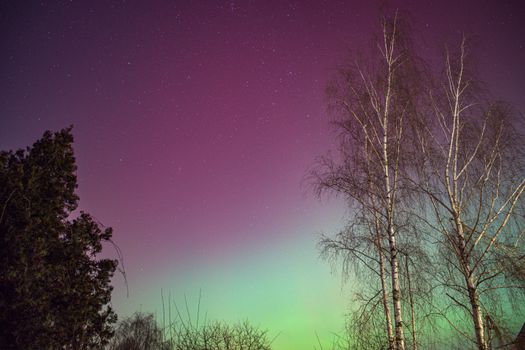
I stepped off the local postal boat in Senja, Norway, and the first thing I noticed wasn't the cold—it was the profound, ringing silence. No idling engines. No hissed instructions from a tour leader through a megaphone. Just the smell of salt spray, drying cod, and the faint, ozone-like crispness of an Arctic winter. As I looked up, a ribbon of neon lime unspooled across the jagged peaks of the "Devil’s Teeth." I was entirely alone.
For years, the Aurora Borealis has been packaged into "experiences" that feel more like a school field trip than a celestial event. But the magic of the lights is found in the stillness. If you’re willing to drive your own 4WD, hike an extra mile, or stay in a village with more huskies than humans, the rewards are transcendental. Here is the definitive list of Northern lights spots without tour buses worth considering.
1. Senja, Norway: The Dramatic Alternative to Tromsø
While the "Paris of the North" (Tromsø) is swamped with bus convoys, Senja remains the rugged, introverted sibling. It offers the same high-latitude probability but with a landscape that makes Tromsø look like a city park.
The Insider Spot: Head to Tungeneset. Most tours stay near the main roads. Walk down the wooden walkway to the flat rocks by the sea. The reflection of the Aurora in the tide pools, with the jagged Okshornan peaks in the background, is a photographer’s dream without the tripod-clashing crowds.
- Pro-Tip: Rent your car at Bardufoss airport rather than Tromsø to save money and skip the city traffic.
2. The Westfjords, Iceland: Beyond the Ring Road
90% of Iceland’s tourists never leave the South Coast. Their loss is your gain. The Westfjords are a labyrinth of deep fjords and towering mountains that block out the light pollution of even the smallest towns.
The Insider Spot: Bolungarvík. Specifically, the drive up to the Bolafjall observation deck (only accessible in early autumn before the heavy snow). If the road is closed, the beach at Skala offers a north-facing view over the Greenland Sea that is hauntingly beautiful.
- Pro-Tip: Stop at the Tjöruhúsið in Ísafjörður for the best fish buffet of your life before heading out. It’s where the locals eat, and the atmosphere is pure Viking warmth.
3. Tagish, Yukon: Canada’s Silent Frontier
Yellowknife is the "Capital," but it’s also the capital of industrial-scale Aurora tourism. For a "no-bus" experience, fly into Whitehorse, rent a truck, and head an hour south to Tagish.
The Insider Spot: The Tagish Bridge. It’s a simple structure, but it provides a 360-degree unobstructed view of the sky over the frozen Tagish Lake. You’ll likely share the spot with one local fisherman and a few curious foxes.
- Pro-Tip: Check the "Aurora Forecast" app, but also watch the local weather. In the Yukon, "clear" often means -40°C. Ensure your rental has a block heater and you know how to plug it in.
4. Lake Torneträsk’s "Secret" Shore, Sweden
Abisko is world-famous for its "Blue Hole"—a patch of sky that stays clear even when the rest of Lapland is cloudy. However, the Abisko Sky Station can feel like a crowded cafeteria.
The Insider Spot: Skip the chairlift. Drive ten minutes west to the Stordalen Nature Reserve. Park in the small turnout and walk toward the shore of Lake Torneträsk. The vast, frozen expanse of the lake creates a natural amphitheater for the lights, far from the glowing lights of the hotel.
- Pro-Tip: The "hidden entrance" to the best viewing path is behind the small red weather hut near the railway tracks.
5. Inari, Finland: The Heart of Sámi Culture
Rovaniemi is for Santa; Inari is for the Aurora. While the glass igloo resorts are nearby, they are self-contained. The real magic happens on the frozen surface of Lake Inari itself.
The Insider Spot: Nellim. It’s a tiny village near the Russian border. There are no tour buses here because there’s nowhere for them to park. The "Bridge over the Paatsjoki River" is a prime spot where the water rarely freezes completely, allowing for rare winter liquid-water reflections.
- Pro-Tip: Buy a pair of Huopikkaat (Finnish felt boots) in Inari town. They are warmer than any high-tech hiking boot you brought from home.
6. Sandnessjøen, Norway: The Seven Sisters
Located just below the Arctic Circle, this spot is often overlooked for Lofoten. But during a "Solar Maximum" (like we are experiencing through 2025), the lights frequently dance this far south.
The Insider Spot: The foot of the De Syv Søstre (Seven Sisters) mountains. There are several lay-bys along Road 17. Because this isn't a "standard" tour stop, you can watch the green curtains drape over the mountain peaks in total solitude.
The Logistics: Planning Your Stealth Chase
To successfully see the lights without a tour, you need to be your own guide, driver, and meteorologist.
Quick Facts & Budget Table
| Location | Best Time | Est. Cost (Daily) | Primary Vibe | | :--- | :--- | :--- | :--- | | Senja, Norway | Oct - March | $250 - $350 | Rugged, dramatic, oceanic | | Westfjords, Iceland| Sept - April | $200 - $300 | Isolated, mystical, raw | | Tagish, Yukon | Jan - March | $150 - $250 | Wild, freezing, vast | | Abisko, Sweden | Nov - March | $180 - $280 | Reliable, dry, alpine | | Inari, Finland | Dec - Feb | $220 - $320 | Cultural, forested, quiet |
How to Get There (The "No Bus" Way)
- Vehicle: You must rent a 4WD with studded tires. Do not cheap out on a 2WD compact; you will end up in a ditch, and the only thing seeing the lights will be the tow truck driver.
- Navigation: Download offline maps (Google Maps or Maps.me). Cell service can be spotty in the fjords.
- The "Cloud Chase": Use local apps like Vedur.is (Iceland) or Yr.no (Norway). Don't just look at the Aurora strength (KP index); look for the "cloud clearance" maps.
Why Silence Matters
There is a phenomenon people rarely talk about: the "sound" of the Aurora. Some scientists call it "clapping" or "hissing" caused by electrophonic hearing. You will never hear it if there is a bus idling 50 yards away.
When you sit in the dark, your eyes take 20 minutes to fully adjust. Every time a tour bus pulls up and 50 people jump out with their smartphone flashlights on, your night vision is reset to zero. By going solo, you allow your senses to tune into the Arctic frequency. You’ll notice the way the snow sparkles under the moonlight and how the stars seem to hang lower in the sky.
Pro-Tips for Solo Chasers
- The 7 PM Rule: Most tours leave the city at 8:00 PM. If you want to beat them to the "semi-popular" spots, arrive at 7:00 PM and claim your ground.
- The Red Light District: Use a red-light headlamp. It preserves your night vision and won't annoy other photographers.
- Battery Life: Your phone and camera batteries will die in 15 minutes at -20°C. Keep them in an inside pocket close to your body heat.
- Local Etiquette: If you find a spot near a private home, keep your engine off and your lights dimmed. The locals live there for the peace, too.
The Verdict
The Northern Lights are a primal experience. They shouldn't feel like a theme park attraction. By choosing spots like Senja or the Westfjords, you aren't just seeing a light show; you're embarking on a pilgrimage. Pack your wool layers, download your weather apps, and leave the crowds behind. The sky is waiting, and it's much louder when it's quiet.
---
More pictures


Tags
Share this guide
We may earn a commission if you click a link and buy a product or service, at no extra cost to you. How affiliate links work.
Been there?