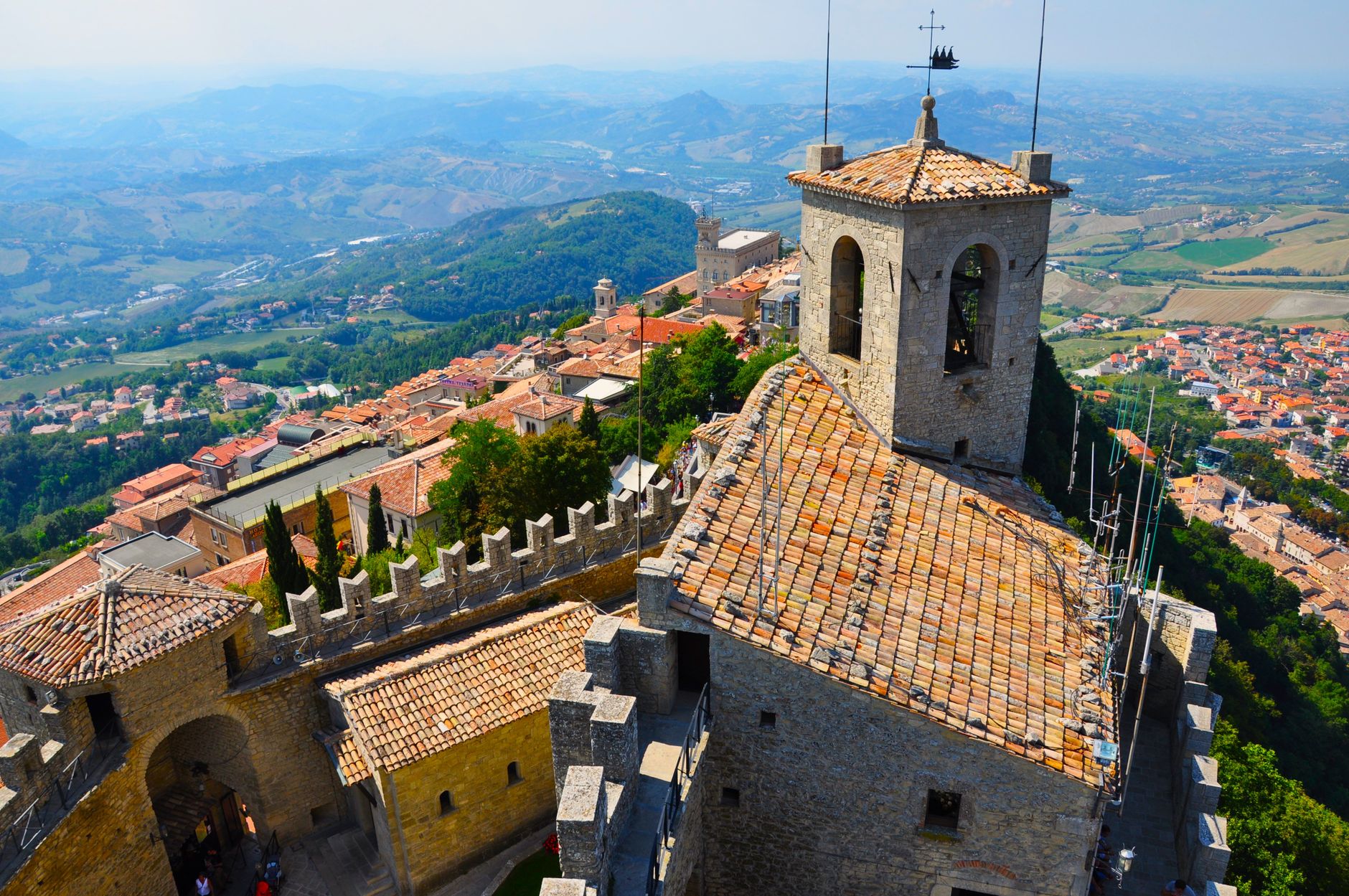
For decades, some of the planet’s most jaw-dropping landscapes, ancient ruins, and vibrant cultures were locked away behind lines of geopolitical conflict. But diplomacy is quietly rewriting the global map. From the deep Amazonian jungles of Colombia to the windswept volcanic ruins of the South Caucasus, recent peace agreements and diplomatic thaws have unlocked five extraordinary travel corridors. If you are tired of overtourism and crave raw, authentic exploration, this is your definitive, boots-on-the-ground guide to the newly accessible frontiers you need to add to your bucket list right now. ---
The Dawn of Geopolitical Travel: Why Borders Are the New Frontiers
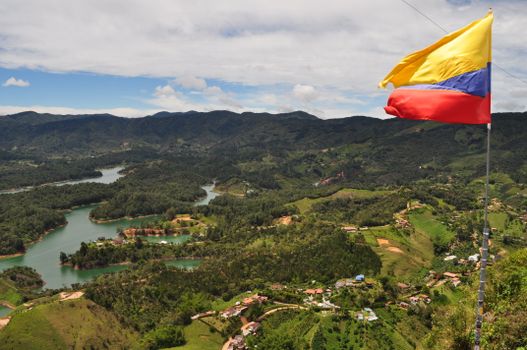
I stepped off the local wooden launch onto the muddy banks of the Guayabero River, the humid air thick with the scent of wet clay and wild lemongrass. Around me, the emerald canopy of the Colombian Amazon hummed with a dizzying chorus of cicadas and tree frogs. Just a decade ago, this riverbank was a heavily fortified stronghold of the FARC guerrilla movement—completely off-limits to outsiders. Today, thanks to a historic peace accord and ongoing regional stabilization, I was walking hand-in-hand with an ex-combatant turned conservationist, heading toward 12,000-year-old rock paintings that have remained virtually unseen by the Western world.
``` [The New Geopolitical Travel Map]
(Balkans Corridor) (South Caucasus Thaw) Albania ↔ Kosovo Turkey ↔ Armenia \ / \ / \ / (The Abraham Accords Corridor) Morocco ↔ Israel ↔ UAE / \ / \ / \ (Al-Ula Desert Road) (Amazonian Frontier) Qatar ↔ Saudi Arabia Guaviare, Colombia ```
This is the power of peace tourism. When governments sign treaties, they don't just shift borders; they open corridors of human connection. For travelers who value raw authenticity over curated resorts, these newly opened corridors offer a rare privilege: the chance to see a destination before it is commercialized, sanitized, and packaged for mass consumption.
As a travel strategist for Tripsora, I have spent the last year tracking these diplomatic shifts. These are five newly opened travel corridors made possible by recent peace agreements and normalization pacts that you should consider for your next expedition.
---
1. The Amazonian Frontier: Colombia’s Guaviare Region
From Conflict Zone to Ancient Art Sanctuary
For over fifty years, the department of Guaviare was a blank space on Colombia’s tourist map, swallowed by civil war. The 2016 peace agreement between the Colombian government and the FARC, coupled with recent community-led conservation pacts, has slowly pulled back the curtain on this geological wonderland.
``` [San José del Guaviare] ──(4WD/2 Hours)──> [Cerro Azul Pictographs] │ (Jungle Trek) ▼ [The Wall of Megafauna] ```
The prize here is Cerro Azul, a massive, flat-topped tepui rising abruptly from the jungle floor. Painted along its sheer rock faces are miles of vivid red ochre pictographs dating back to the ice age.
- The Vibe: Raw, humid, and deeply humbling. You are standing in front of drawings of extinct giant sloths and ice-age horses, painted by the continent's first human inhabitants.
- The Architecture of Nature: The rock formations of the Ciudad de Piedra (Stone City) look like ancient, moss-covered ruins, but they are entirely natural—sculpted over billions of years by wind and rain.
- The Spice of the Land: Try tucupí, a spicy, jet-black sauce made from fermented yellow cassava and wild ants, drizzled over fresh river fish.
Pro-Tip: Do not attempt to visit Cerro Azul independently. You must hire a local guide from the community cooperative in Nuevo Tolima. Ask for an ex-combatant guide; their personal stories of transition from war to conservation add an irreplaceable layer of depth to the trek.
---
2. The Al-Ula Accord: The Saudi-Qatar Desert Overland Route
Driving the Sand-Swept Highway of Reconciliation
In January 2021, the signing of the Al-Ula Declaration officially ended the years-long blockade of Qatar by its Gulf neighbors. The most exciting consequence for overland adventurers? The reopening of the Salwa border crossing, unlocking a seamless road trip route from the ultra-modern skyline of Doha, across the Saudi desert, to the ancient Nabataean tombs of Hegra in Al-Ula.
``` [Doha, Qatar] ──(Salwa Border)──> [Riyadh] ──(Route 75)──> [Al-Ula, Saudi Arabia] (Modernity) (Transit) (Ancient Nabataean) ```
This corridor connects two worlds: the high-octane luxury of Qatar and the raw, untouched desert heritage of Saudi Arabia’s northern highlands.
- The Vibe: Cinematic desert vistas, pristine blacktop highways, and unparalleled Bedouin hospitality.
- The Visuals: Hegra’s monumental tombs, carved directly into towering sandstone monoliths, rising out of wind-rippled golden sands. It is Petra without the crowds.
- The Scent: Cardamom-scented gahwa (Arabic coffee) bubbling in brass pots, mixed with the rich, resinous aroma of burning oud in roadside majlis tents.
Pro-Tip: When driving across the Salwa border, ensure your rental car agreement explicitly permits cross-border travel into Saudi Arabia and includes GCC-wide insurance. To beat the heat and the tour buses at Hegra, book the first slot of the day at 7:30 AM. Enter the site via the southern gate for the most dramatic morning light hitting the tomb of Lihyan Son of Kuza.
---
3. The South Caucasus Thaw: The Turkey-Armenia Border at Ani
Walking the Silk Road Ruins of the City of 1,001 Churches
Decades of frozen conflict have kept the land border between Turkey and Armenia tightly closed. However, recent normalization talks have led to historic agreements to open the land border for third-country nationals and diplomatic passport holders, with plans for full public access rapidly progressing.
``` [Kars, Turkey] ──(45km Taxi)──> [Ani Ruins] ◄──(Akhuryan River Gorge)──► [Armenian Border] ```
The epicenter of this thaw is Ani, the medieval capital of the Bagratid Armenian Kingdom. Located directly on the border, separated only by the deep gorge of the Akhuryan (Arpachay) River, Ani is a hauntingly beautiful ghost city of red volcanic tuff churches and crumbling Silk Road fortifications.
- The Vibe: Melancholic, windswept, and profoundly historic. The silence here is broken only by the wind whistling through empty arched windows and the rushing water in the canyon below.
- The Architecture: The Cathedral of Ani, designed by the legendary architect Trdat (who also repaired the dome of Hagia Sophia), is a masterpiece of pointed arches and clustered piers that predated European Gothic architecture by centuries.
- The Taste of Kars: After exploring the ruins, head to the nearby Turkish city of Kars to warm up with Kars gravyeri (a nutty, long-aged alpine cheese) and slow-roasted goose served over bulgur.
Pro-Tip: The best view of the cathedral against the backdrop of the Armenian border patrol towers is from the inner citadel (İç Kale) at sunset. Walk to the southern edge of the plateau; the light turns the red stone of the ruins a brilliant, burning orange.
---
4. The Abraham Accords Bridge: Morocco to Israel & the UAE
A New Era of Heritage and High-Speed Connection
The signing of the Abraham Accords in 2020 completely reshaped the aviation and cultural landscape of the Middle East and North Africa. By normalizing relations between Israel, the UAE, Bahrain, and Morocco, the accords created a highly efficient, multi-destination travel corridor.
``` [Marrakech, Morocco] ◄──(Direct Flight)──► [Tel Aviv, Israel] ◄──(Direct Flight)──► [Dubai, UAE] ```
For the first time, travelers can easily book direct, non-stop flights between Marrakech, Tel Aviv, and Dubai, allowing for a mind-bending itinerary that spans North African medinas, Levantine history, and Gulf futurism.
- The Vibe: High-energy, cosmopolitan, and deeply emotional. In Morocco, Jewish heritage sites in the Mellahs (old Jewish quarters) of Marrakech and Essaouira are being meticulously restored, welcoming waves of diaspora travelers arriving on direct flights from Tel Aviv.
- The Aesthetics: The contrast between the hand-carved cedarwood and zellij tiles of Morocco, the sun-bleached limestone of Jerusalem's Old City, and the soaring steel-and-glass towers of Dubai.
- The Culinary Journey: A single trip can take you from slow-cooked lamb tanjia in Marrakech to fiery shakshuka in Jaffa, ending with high-concept molecular gastronomy in Dubai.
Pro-Tip: Instead of booking separate one-way tickets, use multi-city booking engines to leverage regional partnerships between Royal Air Maroc, El Al, and Emirates. When visiting the restored Slat al-Azama Synagogue in Marrakech, go during the mid-day prayer lull (around 1:00 PM) to speak with the local caretakers who hold the keys to the historic archives.
---
5. The Peaks of the Balkans: Albania, Kosovo, and Montenegro
Trekking the Former "Accursed" Borderlands
For most of the 20th century, the rugged borderlands between Albania, Kosovo, and Montenegro were heavily militarized zones, strictly off-limits under isolationist regimes and later scarred by the Balkan conflicts. Today, thanks to cross-border peace initiatives and a unified regional permit system, this area has been transformed into the Peaks of the Balkans trail—one of Europe's last true wilderness corridors.
``` [Theth, Albania] ──(Pass of Valbona)──> [Valbona] ──(Cross-Border Trail)──> [Rugova, Kosovo] ```
This 192-kilometer circular trail winds through the jagged limestone massifs of the Prokletije (literally, the "Accursed Mountains"), connecting remote alpine villages that time forgot.
- The Vibe: Untamed, hospitable, and physically demanding. You will hike past glacial lakes, jagged peaks, and wildflower meadows, spending your nights in traditional stone kulas (fortified tower houses).
- The Hospitality: The ancient Albanian code of Besa (honor/guest-keeping) is alive and well here. Expect to be welcomed into homes with shots of homemade plum raki and thick slices of sheep's milk cheese.
- The Fuel: Flija, a traditional layered pastry baked over open coals in a metal lid, served with sour cream and honey.
Pro-Tip: While the trail is well-marked, you must secure cross-border police permits at least two weeks in advance to cross the green borders between Albania, Kosovo, and Montenegro legally. Use a local agency based in Shkodër or Peja to handle the paperwork to avoid heavy fines at the border ridges.
---
Quick Facts: Budget, Logistics, and Planning
Planning a trip along these newly opened corridors requires careful coordination. Use this quick-reference table to map out your logistics:
| Travel Corridor | Best Time to Visit | Est. Daily Budget ($) | How to Get There (Key Hubs) | Visa / Permit Requirements | | :--- | :--- | :--- | :--- | :--- | | Colombia's Guaviare | Dec – March (Dry season) | $45 - $75 | Fly from Bogotá to San José del Guaviare (1 hour). | Standard Colombian tourist visa; yellow fever certificate recommended. | | Al-Ula Desert Road | Nov – March | $150 - $300 | Fly to Doha (DOH), rent a car, and drive via Salwa Border. | Saudi eVisa + Qatari exit permit; international driving permit. | | Ani (Turkey/Armenia)| May – Oct | $40 - $80 | Fly to Kars (TUR) or Gyumri (ARM); take local taxi/marshrutka. | Turkish e-Visa; check current land border status for nationality-specific rules. | | Abraham Accords | Oct – April | $120 - $250 | Fly direct Marrakech (RAK) to Tel Aviv (TLV) on El Al/Israir. | Standard tourist visas for Morocco/Israel/UAE (check nationality agreements). | | Peaks of the Balkans| June – Sept | $35 - $60 | Fly to Tirana (ALB) or Pristina (RKS); transit to trailhead. | Cross-border permit required (must apply 14 days in advance via local agency). |
---
The Ethics of Borderland Travel: A Note from the Journalist
Traveling through newly opened corridors is a privilege, but it comes with immense responsibility. These regions are often in transition; the peace that made your journey possible may still be fresh, fragile, or locally contested.
When you visit, remember that you are not just a tourist; you are an economic lifeline.
- Spend Locally: Sleep in family-run guesthouses, buy your produce from village markets, and hire local guides. This ensures that the financial benefits of peace flow directly to the communities that suffered through the conflict.
- Listen More Than You Talk: Avoid taking hard political stances when discussing the past with locals. Let them share their stories on their own terms.
- Leave No Trace: Many of these corridors lack robust waste-management infrastructure. Pack out what you pack in, especially plastics and electronics.
The world is opening up in ways our parents never thought possible. These corridors prove that borders do not have to be permanent scars; they can become bridges. Pack your bags, book your permits, and go see history in the making.
---
More pictures
Tags
Share this guide
We may earn a commission if you click a link and buy a product or service, at no extra cost to you. How affiliate links work.
Been there?