
Think national parks are only for rugged, off-grid backpackers? Think again. Recent data shows a revolutionary shift in the National Park Service, with several iconic parks going far beyond basic ADA compliance. We’re talking all-terrain trackchairs, tactile bronze models for the visually impaired, sensory-friendly guides, and fully accessible kayak launches. Here is your ultimate, insider guide to the parks leading the charge in universal design. ---
Beyond the Asphalt: The National Parks Rewriting the Rules of Accessibility
I stepped off the low-floor Island Explorer bus at Jordan Pond, and the sharp, briny tang of the Maine coast instantly hit me, mingled with the sweet, resinous scent of damp balsam fir. Around me, the morning fog was lifting from the water, revealing the iconic rounded peaks of the Bubbles. But I wasn’t just looking at the view—I was looking at the ground. Beneath my feet was a perfectly graded, wide, hard-packed carriage road of crushed pink granite.
Historically, "accessible" in the wilderness meant a short, flat asphalt loop near a crowded visitor center. But recent data from the National Park Service (NPS) and adaptive travel advocacy groups reveals a massive paradigm shift. A select group of national parks has shattered the bare-minimum legal baselines of the Americans with Disabilities Act (ADA). By integrating cutting-edge universal design, adaptive equipment rentals, tactile mapping, and sensory-friendly programming, these parks ensure that the deep wild is open to everyone.
Here is the definitive guide to the national parks with accessibility beyond requirements according to recent data.
---
1. Acadia National Park, Maine: The Pioneer of Historic Integration
``` [Jordan Pond House] │ ▼ (Accessible Ramp) [Carriage Road Network] ───► Hard-packed pink granite, <5% grade │ ▼ [Accessible Bus Stop] ───► Island Explorer (Low-floor, wheelchair-ready) ```
Acadia doesn't just accommodate visitors with limited mobility; it weaves accessibility into its historic fabric. The crown jewel of Acadia’s accessibility initiative is its 45-mile Carriage Road system. Originally funded by John D. Rockefeller, Jr., these roads feature a masterclass in masonry and grading.
The Infrastructure Upgrade
Unlike modern asphalt paths that disrupt the natural aesthetic, Acadia’s carriage roads are surfaced with a highly compacted, fine-grain crushed stone that accommodates thin-tired wheelchairs, strollers, and adaptive handcycles with ease. The grades rarely exceed 5%, making self-propulsion highly manageable.
Furthermore, the park’s free Island Explorer shuttle system is entirely accessible, featuring low-floor boarding and dedicated securement areas. This eliminates the nightmare of finding accessible parking in notoriously congested lots.
- The Standout Feature: The Jordan Pond Loop. While the full loop has rocky scrambles, the eastern portion has been retrofitted with wide, elevated boardwalks featuring edge-protection curbs to prevent wheels from slipping.
- Pro-Tip: Park at the Jordan Pond North lot before 8:00 AM. There are four designated van-accessible spots right next to the trailhead ramp. Head to the Jordan Pond House afterward; they have ramp access to their lawn, where you can enjoy their famous hot popovers with Maine blueberry jam.
---
2. Shenandoah National Park, Virginia: Sensory Splendor in the Blue Ridge
``` [Limberlost Trailhead] │ ▼ [Tactile Guide Rope] ───► For visually impaired hikers │ ▼ [Braille Signage] ───► Explaining the ancient greenstone geology ```
Shenandoah National Park has taken accessibility into the sensory realm. Nestled along the crest of the Blue Ridge Mountains, this park has moved far beyond physical ramps to create immersive experiences for neurodivergent, blind, and low-vision travelers.
The Limberlost Trail Masterpiece
The Limberlost Trail (Milepost 43 on Skyline Drive) is a legendary 1.3-mile circuit. Originally built to meet basic ADA standards, a recent multi-million-dollar restoration elevated it to a global model of universal design. The trail is fully paved with a smooth greenstone-colored crusher run that blends into the forest floor.
- Sensory Integration: The trail features a continuous tactile guide rope for visually impaired hikers, interspersed with braille interpretive signs. These signs aren't just dry text; they describe the velvety texture of the surrounding mountain laurel leaves and the sharp, sulfurous history of the ancient basalt rock formations.
- Adaptive Equipment: Shenandoah offers all-terrain standard wheelchairs for loan at the Dickey Ridge and Byrd Visitor Centers free of charge.
- Pro-Tip: Hit Limberlost at 5:30 PM during June. The mountain laurel is in full bloom, casting a pale pink glow over the trail, and the crowds have cleared out, leaving only the rich, flutelike song of the wood thrush.
---
3. Yellowstone National Park, Wyoming: Geothermal Wonders for All
Yellowstone is a volatile landscape of boiling mud pots, roaring geysers, and steep canyons. Yet, recent accessibility audits show that Yellowstone boasts some of the most extensive accessible boardwalk networks in the world, allowing everyone to get face-to-face with extreme geology.
Boardwalks with a Purpose
At the Midway Geyser Basin, home to the psychedelic rings of the Grand Prismatic Spring, the entire path is a wide, heavy-duty wooden boardwalk. The park has installed flush-to-boardwalk transition plates, eliminating the jarring bumps that can cause pain for wheelchair users or trip those with limited mobility.
``` +-------------------------------------------------------------+ | YELLOWSTONE SENSORY ACCESSIBILITY | +-------------------------------------------------------------+ | [Tactile Models] --> Bronze reliefs of Old Faithful | | [Audio Guides] --> Describing the thermal color spectrum| | [Sensory Packs] --> Noise-canceling headphones for kids | +-------------------------------------------------------------+ ```
- Beyond the Physical: For visitors with sensory processing sensitivities or autism, Yellowstone provides "Sensory Kits" at visitor centers. These kits include noise-canceling headphones (crucial for the loud, sudden hissing of steam vents), fidget tools, and visual schedule boards.
- Pro-Tip: To view Old Faithful without the crushing crowds, skip the main viewing semi-circle. Instead, take the accessible boardwalk path leading toward the Geyser Hill Loop. There is an elevated, shaded viewing platform about 300 yards out that offers a superior, less-crowded angle.
---
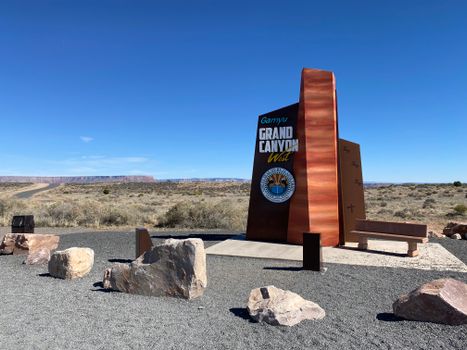
4. Grand Canyon National Park, Arizona: Rim-to-Rim Access and Tactile Geology
The Grand Canyon is the ultimate test of outdoor accessibility. While hiking to the canyon floor remains a grueling physical challenge, the park’s South Rim trail network offers an unparalleled barrier-free experience that stretches for miles along the abyss.
The Rim Trail Revolution
The Rim Trail offers a nearly continuous, flat, paved path stretching 13 miles from South Kaibab Trailhead to Hermits Rest. The section between Mather Point and Bright Angel Trailhead is fully accessible, featuring smooth asphalt, gentle slopes, and strategically placed resting benches with companion seating spaces.
``` [Mather Point] │ ├──► Tactile Bronze Relief Map (Feel the canyon layers) │ └──► Audio-Described Geology Tour (Available via NPS App) ```
- Tactile and Auditory Innovation: At Yavapai Geology Museum, the park has installed touchable bronze relief maps of the canyon. Visitors can run their fingers over the carved ridges to physically understand the massive scale of the inner canyon and the winding path of the Colorado River.
- Pro-Tip: Utilize the "Scenic Drive Accessibility Permit." Obtainable at any entrance station or visitor center with proof of a state-issued disability placard, this permit grants you vehicle access to Hermit Road—a scenic drive otherwise closed to private vehicles. This allows you to drive directly to spectacular, crowd-free overlooks like Pima Point.
---
5. Great Smoky Mountains National Park, Tennessee/North Carolina: Deep Forest Immersion
The dense, humid forests of the Smokies present massive natural barriers, from exposed tree roots to slick clay soils. However, recent data highlights the park's aggressive push to make deep-forest immersion accessible through adaptive technology and innovative trail design.
The Sugarlands Valley Nature Trail
Located just outside Gatlinburg, the Sugarlands Valley Nature Trail is the park's premier fully accessible trail. This 0.5-mile concrete loop winds through a lush, secondary-growth forest along the rushing waters of the West Prong of the Little Pigeon River.
- Inclusive History: The trail features tactile exhibits detailing the lives of the pre-park Appalachian settlers. Visitors can touch the hand-hewn logs of an old cabin chimney and feel the deep grooves carved by pioneer axes.
- All-Terrain Trackchairs: Through a partnership with local non-profits, the park has introduced off-road trackchairs. These motorized, tank-tread chairs allow users to navigate gravel, mud, and shallow streams on trails that were previously completely inaccessible.
- Pro-Tip: The Sugarlands trail features sensory-activated audio stations. Press the large, high-contrast buttons to hear the distinct calls of the pileated woodpecker and the eastern screech owl recorded directly within the park.
---
6. Zion National Park, Utah: Red Rock Majesty Unlocked
``` [Zion Canyon Shuttle] ───► Dual-wheelchair ramp equipped │ ▼ [Pa'rus Trail] ───► Paved, 3.5 miles, follows the Virgin River │ ▼ [Riverside Walk] ───► First 0.4 miles fully accessible to the Narrows gateway ```
Zion’s towering sandstone cliffs and narrow canyons are legendary, but its valley floor is highly accessible. The park’s commitment to universal design ensures that the awe-inspiring views of the Court of the Patriarchs and the Virgin River are not restricted to extreme hikers.
The Pa'rus Trail Experience
The Pa'rus Trail is a stunning, 3.5-mile paved multi-use path that hugs the Virgin River. It features wide lanes, smooth concrete, and steel bridges with flush transitions. The trail offers completely unobstructed, 360-degree views of the red rock monoliths towering above.
- Accessible Shuttle Fleet: Every single bus in Zion's mandatory canyon shuttle fleet is equipped with a hydraulic ramp and two wheelchair tie-down spaces. The drivers are exceptionally trained in securement, making the boarding process fast and dignified.
- Pro-Tip: The first 0.4 miles of the Riverside Walk—the trail leading to the world-famous Zion Narrows—is fully paved and wheelchair-accessible. It winds beneath weeping walls of hanging gardens (ferns and wildflowers fed by spring water seeping directly out of the sandstone). Go at 8:30 AM to catch the morning sun refracting through the water droplets.
---
The Logistics Playbook: Costs, Permits, and Insider Gear
Planning an accessible trip to our national parks requires precise logistics. Here is a breakdown of the essential details to ensure a seamless adventure.
Quick Facts: Accessible Park Logistics
| National Park | Best Time to Visit | Estimated Entry Cost | Key Accessible Highlight | How to Get There | | :--- | :--- | :--- | :--- | :--- | | Acadia | Sept - Oct (Fall foliage) | $35/vehicle (Free with Access Pass) | 45 miles of Carriage Roads | Fly into Bangor (BGR), rent an accessible vehicle, or take the Island Explorer. | | Shenandoah | Late May - October | $30/vehicle (Free with Access Pass) | Limberlost Trail & tactile guide ropes | Fly into Dulles (IAD), drive 75 miles west to the Front Royal Entrance. | | Yellowstone | June or September | $35/vehicle (Free with Access Pass) | Geothermal basin boardwalks & sensory kits | Fly into Bozeman (BZN), drive south through the Gardiner entrance. | | Grand Canyon | March - May, Sept - Nov | $35/vehicle (Free with Access Pass) | Scenic Drive Permit & Yavapai tactile maps | Fly into Phoenix (PHX), drive 3.5 hours north to the South Rim. | | Great Smokies | Mid-October (Colors) | Free Entry ($5 parking tag required) | Sugarlands Valley Trail & trackchairs | Fly into Knoxville (TYS), drive 1 hour south to Gatlinburg. | | Zion | October - November | $35/vehicle (Free with Access Pass) | Pa'rus Trail & ramp-equipped shuttles | Fly into Las Vegas (LAS), drive 2.5 hours northeast to Springdale. |
The Golden Ticket: The America the Beautiful Access Pass
If you have a permanent disability, do not pay full price for park entry. The America the Beautiful Access Pass is a free, lifetime pass available to US citizens or permanent residents with permanent disabilities.
- The Perks: It grants free entry to over 2,000 federal recreation sites, including all national parks, for the pass holder and up to three adults in a single private vehicle. It also offers a 50% discount on some expanded amenity fees, such as camping or guided tours.
- How to Get It: You can obtain it in person at any federal recreation site that charges an entrance fee by presenting documentation of your disability (such as a doctor's letter, SSDI award letter, or VA disability rating). Alternatively, you can apply online through the USGS Store for a small $10 processing fee.
---
The Verdict: A New Horizon for Travel
The data is clear: the wilderness is no longer an exclusive club for the able-bodied. Through thoughtful architecture, adaptive technology, and a deep commitment to sensory inclusion, these national parks are proving that nature’s beauty is a universal birthright.
Pack your gear, grab your Access Pass, and head out to experience the wild on your own terms. The trails are waiting, and they have never been more welcoming.
---
More pictures

Tags
Share this guide
We may earn a commission if you click a link and buy a product or service, at no extra cost to you. How affiliate links work.
Been there?