
Tired of Yellowstone crowds? I've got the inside scoop on jaw-dropping national parks that will steal your breath *and* offer a more serene escape. Think otherworldly landscapes, fewer selfie sticks, and pure, unadulterated awe. Ready for your next epic adventure?
Beyond the Geysers: Unveiling America's Breathtaking National Parks
I stepped off the rickety bus, the scent of pine needles and damp earth thick in the air. The sun, just beginning its descent, cast long, dramatic shadows across a valley I’d only ever seen in hushed whispers and grainy photos. This wasn’t the familiar roar of Old Faithful or the bustling boardwalks of Yellowstone. This was something else entirely – a raw, untamed beauty that felt like stumbling upon a secret the world had forgotten to share.
Yellowstone. It’s the benchmark, the icon. But for those of us who crave the sublime without the shoulder-to-shoulder shuffle, the question lingers: Are there national parks more stunning than Yellowstone worth considering? The answer, my friends, is a resounding and enthusiastic YES.
As your seasoned guide through the wild, I’ve chased horizons and breathed in the magic of countless protected landscapes. While Yellowstone’s geothermal wonders are undeniable, I’ve discovered a curated collection of parks that offer an equally, if not more, profound connection with nature. Prepare to have your wanderlust ignited.
1. Glacier National Park, Montana: The Crown of the Continent Beckons
Forget the crowds, and immerse yourself in a landscape sculpted by ancient ice. Glacier National Park is a testament to the sheer power and artistry of nature. Its jagged peaks pierce impossibly blue skies, while pristine alpine lakes mirror the dramatic scenery with breathtaking clarity. Driving the Going-to-the-Sun Road is an experience in itself, a serpentine marvel that clings to mountainsides, revealing panoramic vistas at every hairpin turn.
The Majesty of the Mountains
The sheer scale of Glacier is humbling. Towering granite cliffs, carved by glaciers over millennia, plunge into valleys dotted with emerald-green forests. The park is home to over 700 miles of hiking trails, ranging from gentle strolls around Lake McDonald to challenging ascents that reward you with 360-degree views of this alpine paradise.
- Pro-Tip: Hike to Avalanche Lake early in the morning. The light filtering through the ancient cedar forest and the mist rising from the lake create an ethereal, almost mystical atmosphere. You might even spot a mountain goat!
- Insider Lingo: Don't just "hike"; you "bag peaks" and "traverse cirques." And always, always keep an eye out for grizzlies – they rule these mountains.
Quick Facts: Glacier National Park
| Feature | Details | | :---------------- | :------------------------------------------------------------------------------------------------------------------------------------ | | Estimated Cost | $35 per vehicle entry (7-day pass), lodging ($$-$$$$), food ($$-$$$) | | Best Time to Visit | July - September: Roads and trails are typically fully open. Late May - June: Wildflowers are spectacular, but some areas may still have snow. | | How to Get There | Fly into Glacier Park International Airport (FCA) near Kalispell, MT. Rent a car. The park is accessible via US-2 and MT-49. |
2. Olympic National Park, Washington: A Symphony of Ecosystems
Olympic National Park is a geological marvel, a place where three distinct ecosystems collide: rugged Pacific coastline, temperate rainforests, and snow-capped mountains. This UNESCO World Heritage site offers an astonishing diversity of landscapes, each more captivating than the last.
From Rainforests to Rugged Shores
Wander through the Hoh Rainforest, a place so verdant and ancient it feels like stepping back in time. Moss hangs like ancient beards from colossal trees, and the air is perpetually moist, carrying the earthy perfume of decay and new growth. Then, journey to the coast, where sea stacks rise dramatically from the churning ocean, and tide pools teem with vibrant marine life. Finally, ascend to Hurricane Ridge for sweeping mountain vistas that stretch to the horizon.
- Pro-Tip: Explore Rialto Beach at low tide to discover its hidden sea caves and abundant tide pools. The "Hole-in-the-Wall" rock formation is a photographer's dream.
- Authenticity: The local spice blend used in the seafood shacks near the coast often features alderwood smoked salt and wild dill – a taste of the Pacific Northwest.
Quick Facts: Olympic National Park
| Feature | Details | | :---------------- | :------------------------------------------------------------------------------------------------------------------------------------ | | Estimated Cost | $30 per vehicle entry (7-day pass), lodging ($$-$$$$), food ($$-$$$) | | Best Time to Visit | June - September: Generally drier and sunnier. October - April: Dramatic storms on the coast, lush rainforests. | | How to Get There | Fly into Seattle-Tacoma International Airport (SEA). Rent a car and take a ferry across Puget Sound, then drive to the park entrances. |
3. Zion National Park, Utah: Where Canyons Whisper Ancient Secrets
Zion is a cathedral of sandstone, a place where towering cliffs of Navajo Sandstone rise thousands of feet above the Virgin River. Its sheer scale and vibrant hues of red, orange, and cream are utterly mesmerizing. While it shares the red rock allure with parks like Arches, Zion offers a more immersive, canyon-dwelling experience.
Walking Among Giants
The star of the show is Zion Canyon, accessible primarily via a scenic shuttle bus system (private vehicles are restricted for much of the year). Here, you can hike the iconic Angels Landing (permits required!) for unparalleled panoramic views, or wade through the Narrows, a slot canyon where the river is your trail. The feeling of being dwarfed by these colossal rock formations is profound.
- Pro-Tip: Hike the Emerald Pools Trail early in the morning. The light plays beautifully on the waterfalls and the surrounding rock faces, and you'll beat the heat and the crowds.
- Insider Lingo: You're not just "hiking"; you're "scrambling," "navigating slot canyons," and "feeling the spirit of the canyon."
Quick Facts: Zion National Park
| Feature | Details | | :---------------- | :------------------------------------------------------------------------------------------------------------------------------------ | | Estimated Cost | $35 per vehicle entry (7-day pass), lodging ($$-$$$$), food ($$-$$$) | | Best Time to Visit | Spring (April-May) & Fall (September-October): Pleasant temperatures, fewer crowds. Summer: Very hot, but worth it for early morning/late evening hikes. | | How to Get There | Fly into Las Vegas McCarran International Airport (LAS). Rent a car and drive approximately 2.5-3 hours to Springdale, UT (the gateway town). |
4. Grand Teton National Park, Wyoming: A Majestic Counterpart to Yellowstone
Just south of Yellowstone lies a mountain range so dramatic, so undeniably majestic, it often steals the show for visitors. Grand Teton National Park boasts the iconic Teton Range, a cluster of jagged peaks that rise abruptly from the valley floor without any foothills to soften their impact. It's a landscape that inspires awe and a deep sense of wilderness.
Peaks That Pierce the Sky
The Tetons are a photographer's dream, their snow-capped summits reflected in the impossibly still waters of Jenny Lake and String Lake. Hiking here offers a different kind of grandeur than Yellowstone's geothermal wonders. You'll find yourself immersed in alpine meadows bursting with wildflowers, alongside crystal-clear rivers, and beneath the watchful gaze of these ancient mountains.
- Pro-Tip: Take the Jenny Lake boat shuttle across the lake and hike to Inspiration Point and Hidden Falls. The views back towards the lake and the mountains are simply spectacular, and it saves a significant amount of walking.
- Authenticity: The aroma of sagebrush after a light rain is a signature scent of the valley floor, a grounding fragrance that speaks of the high desert.
Quick Facts: Grand Teton National Park
| Feature | Details | | :---------------- | :------------------------------------------------------------------------------------------------------------------------------------ | | Estimated Cost | $35 per vehicle entry (7-day pass), lodging ($$-$$$$), food ($$-$$$) | | Best Time to Visit | June - September: Most trails are accessible. Late Spring/Early Summer: Wildflowers are abundant. | | How to Get There | Fly into Jackson Hole Airport (JAC), which is actually within Grand Teton National Park. Rent a car. |
5. Denali National Park, Alaska: Wilderness on an Epic Scale
For a truly wild and expansive experience, Denali National Park is unparalleled. This vast wilderness protects over six million acres, dominated by North America's tallest peak, Denali (formerly Mount McKinley). Unlike many other parks, private vehicle access is severely restricted, forcing you to rely on the park's shuttle system, which immerses you deeper into the wild.
Where Wildlife Reigns Supreme
Denali is a haven for wildlife. Keep your eyes peeled for grizzly bears, moose, caribou, Dall sheep, and wolves in their natural habitat. The sheer scale of the park means that encounters feel raw and authentic. The landscape itself is a tapestry of taiga, tundra, and alpine deserts, all set against the backdrop of the magnificent Denali.
- Pro-Tip: Book your bus tour well in advance, especially if you want to go deep into the park. The early morning tours offer the best chance of spotting active wildlife.
- Insider Lingo: You're not just "seeing animals"; you're "observing wildlife in its wild, untamed domain." And "the Big One" always refers to Denali.
Quick Facts: Denali National Park
| Feature | Details | | :---------------- | :------------------------------------------------------------------------------------------------------------------------------------ | | Estimated Cost | Park entrance is free, but shuttle bus tickets range from $40 - $100+ depending on destination and duration. Lodging ($$$$), food ($$$$). | | Best Time to Visit | Late May - Early September: The prime season for wildlife viewing and accessible roads. | | How to Get There | Fly into Ted Stevens Anchorage International Airport (ANC) or Fairbanks International Airport (FAI). Take the Alaska Railroad or rent a car to reach the park entrance. |
6. Arches National Park, Utah: A Sculpted Masterpiece
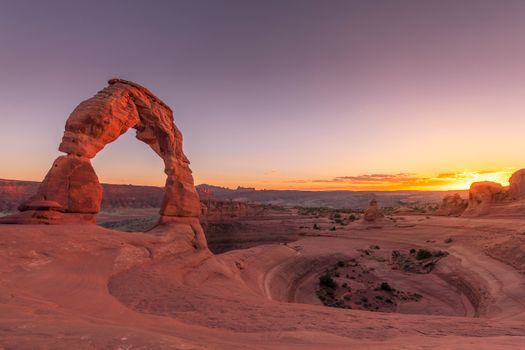
While Zion offers grand canyons, Arches National Park presents a surreal landscape of natural sandstone arches, balanced rocks, and towering pinnacles. It’s a geological wonderland that feels almost otherworldly, a testament to millions of years of erosion and wind.
Nature's Architectural Marvels
The park is home to over 2,000 natural stone arches, each with its unique shape and character. Delicate Arch, the state symbol of Utah, is an icon, but don't miss the Windows Section or Landscape Arch, the longest natural arch in North America. Hiking here is an adventure of discovery, with trails weaving through fins of rock and leading to these breathtaking formations.
- Pro-Tip: Visit Delicate Arch for sunrise or sunset. The light hitting the arch at these times is truly magical, painting the rock in fiery hues. Be prepared for crowds, especially at sunset.
- Authenticity: The subtle crunch of gypsum crystals underfoot on some trails adds a unique textural element to the hiking experience.
Quick Facts: Arches National Park
| Feature | Details | | :---------------- | :------------------------------------------------------------------------------------------------------------------------------------ | | Estimated Cost | $30 per vehicle entry (7-day pass), lodging ($$-$$$$) in nearby Moab, food ($$-$$$) | | Best Time to Visit | Spring (April-May) & Fall (September-October): Mild temperatures, ideal for exploring. Summer: Can be extremely hot. | | How to Get There | Fly into Grand Junction Regional Airport (GJT) in Colorado or Salt Lake City International Airport (SLC). Rent a car and drive to Moab, UT. |
Beyond the Postcards: Planning Your Escape
Choosing a park that resonates with your soul is the first step. The next is planning your adventure. These parks, while offering a more serene experience than Yellowstone, still draw significant crowds, especially during peak seasons. My advice? Embrace the shoulder seasons, rise with the sun, and seek out those lesser-known trails.
The "Pro-Tip" Philosophy: It's not just about avoiding crowds; it's about experiencing the park in its most authentic, untouched state. The quiet hours of dawn and dusk offer a connection to nature that is simply unparalleled.
Logistics are Key: Always check park websites for current conditions, road closures, permit requirements, and shuttle schedules. Booking accommodations and popular tours in advance is crucial, especially for parks like Denali and Zion.
The Verdict: Your Next Unforgettable Adventure Awaits
Yellowstone is a marvel, no doubt. But the world is vast, and its natural wonders are far more diverse and plentiful than a single iconic park can encompass. These destinations offer not just stunning scenery, but also unique ecosystems, rich wildlife, and the chance to experience the wild in a way that feels personal and profound.
So, the next time you dream of geysers and bison, pause. Consider the whispering rainforests of Olympic, the sky-piercing Tetons, the sculpted arches of Utah, or the untamed wilderness of Denali. These parks are waiting, ready to offer you an adventure that might just be more stunning, and certainly more serene, than you ever imagined.
Which of these natural wonders will you explore next? Let me know in the comments below!
More pictures

Tags
Share this guide
We may earn a commission if you click a link and buy a product or service, at no extra cost to you. How affiliate links work.
Been there?