
Ditch the traffic jams! April 2026 is your golden ticket to car-free cities where the air is cleaner, the streets hum with life, and authentic experiences await. Get ready for urban tourism, reimagined.
The Secret Symphony of Silence: My First Taste of a Car-Free City
I stepped off the train and into a different world. The usual urban cacophony – the blare of horns, the rumble of engines – was absent. Instead, a gentle hum filled the air: the whir of bicycle tires on cobblestones, the murmur of conversations spilling from open-air cafes, the distant clang of a tram bell. The air, crisp and clean, carried the faint, sweet scent of blooming jasmine and freshly baked bread. It was an immediate sensory awakening, a stark contrast to the exhaust-fumed cities I’d grown accustomed to. This wasn't just a city; it was a living, breathing organism, powered by people, not pollution. And in April 2026, this is the future of urban tourism.
Why Car-Free Cities Are the Future of Urban Exploration
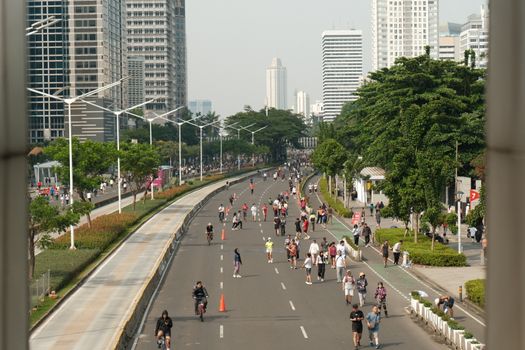
The world is waking up. As sustainability moves from a buzzword to a non-negotiable, cities are shedding their automotive skins, revealing vibrant, human-centric cores. Car-free zones, once niche experiments, are becoming the blueprint for progressive urban tourism. In April 2026, these cities offer a chance to reconnect with the essence of a place, to walk its history, to taste its true flavors, and to breathe in its authentic spirit. Forget the stress of parking, the fumes, and the constant threat of traffic – these destinations are designed for discovery, for immersion, and for pure, unadulterated joy.
Venice: The Timeless Queen of Car-Free Charm
Let's be honest, Venice has always been the OG car-free city. But in April 2026, its magic feels even more potent. As the crowds thin slightly before the summer rush, the city reveals its quieter, more intimate side.
Navigating the Serenissima by Vaporetto and Foot
Forget taxis; your primary mode of transport here is the vaporetti – the water buses that glide along the Grand Canal, offering unparalleled views of palazzi that seem to float on the water. For deeper exploration, get lost. Seriously. Wandering through the labyrinthine calli (narrow streets) is where the real magic happens. You'll stumble upon tiny bacari (wine bars) serving cicchetti (Venetian tapas), artisan workshops where gondolas are still crafted by hand, and quiet campi (squares) where locals gather.
Pro-Tip: To truly experience Venice without the throngs, aim for early mornings. A 7 AM stroll through St. Mark's Square before the tour groups arrive is an almost spiritual experience. The golden light hitting the Basilica is breathtaking.
Insider’s Venice: Beyond the Tourist Trail
Authenticity Check: Seek out the sestieri (districts) of Cannaregio and Dorsoduro. These areas feel more lived-in, offering a glimpse into local life. In Cannaregio, find the Jewish Ghetto, a poignant historical site with a unique atmosphere. In Dorsoduro, explore the Peggy Guggenheim Collection for modern art and then relax by the Zattere promenade, watching the boats drift by.
Taste of Venice: Don't just eat; savor. Seek out a fritto misto (mixed fried seafood) at a local bacaro, paired with a glass of crisp Prosecco. Try Sarde in Saor (sweet and sour sardines) – a true Venetian delicacy.
Quick Facts: Venice
| Category | Details | Estimated Cost ($) | | :-------------- | :----------------------------------------------- | :----------------- | | Getting There | Fly into Venice Marco Polo (VCE) or Treviso (TSF). Take a water taxi or Alilaguna ferry to your accommodation. | $40 - $100 (ferry) | | Accommodation | Hotels, B&Bs, apartments | $150 - $500+ per night | | Transport | Vaporetto passes, walking | $20 - $40 per day | | Food | Cicchetti, pasta, seafood | $50 - $150 per day | | Activities | Museums, gondola ride, walking tours | $30 - $100+ per day | | Best Time | April (pleasant weather, fewer crowds) | - |
Amsterdam: The Cycling Capital's Evolving Urban Canvas
Amsterdam has long embraced cycling, but in April 2026, the city is doubling down on its car-free ethos, making it even more accessible and enjoyable for pedestrians and cyclists alike.
Pedaling Through Picturesque Canals
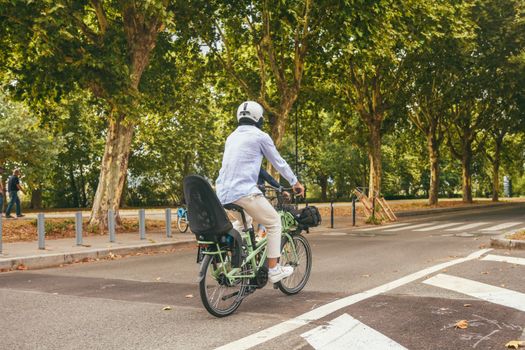
The iconic canals are the arteries of Amsterdam, and the bicycle is its lifeblood. Renting a bike is not just a tourist activity; it's how the locals move. Imagine gliding past gabled houses, under charming bridges, and into hidden courtyards, all at your own pace. The city’s infrastructure is designed for this, with dedicated bike lanes everywhere.
Pro-Tip: For an authentic experience, rent a traditional Dutch bike – the upright posture and coaster brakes are part of the charm. Visit the Jordaan district early in the morning for quiet canals and local bakeries.
Beyond the Dam: Uncovering Amsterdam's Soul
Insider’s Amsterdam: Venture beyond the Anne Frank House and Red Light District. Explore the NDSM Wharf, a former shipyard transformed into a vibrant cultural hub with street art, cafes, and independent galleries. Take a free ferry across the IJ river for a different perspective of the city.
Architectural Gems: Admire the intricate gables of the canal houses, each with its own story. Notice the hoisting hooks at the top of many buildings – a testament to a time when goods were lifted directly into upper floors. Visit the Begijnhof, a serene courtyard hidden behind an unassuming door, offering a peaceful escape.
Culinary Delights: Indulge in a stroopwafel fresh off the griddle from a street vendor. Sample bitterballen (deep-fried meatballs) with a local beer. For a more substantial meal, try stamppot (mashed potatoes with vegetables) in the colder months or fresh herring if you're feeling adventurous.
Quick Facts: Amsterdam
| Category | Details | Estimated Cost ($) | | :-------------- | :--------------------------------------------------------------------- | :----------------- | | Getting There | Fly into Amsterdam Airport Schiphol (AMS). Train to city center. | $20 - $30 (train) | | Accommodation | Hotels, houseboats, apartments | $120 - $400+ per night | | Transport | Bicycle rental, trams, walking, ferries | $25 - $50 per day | | Food | Stroopwafels, bitterballen, Dutch cheese, Indonesian cuisine | $40 - $120 per day | | Activities | Museums (Rijksmuseum, Van Gogh), canal cruises, houseboats, markets | $30 - $80+ per day | | Best Time | April (tulips in bloom, pleasant weather) | - |
Freiburg, Germany: The Green Heart of the Black Forest
Freiburg im Breisgau isn’t just a car-free city; it’s a pioneer in sustainable urban living, nestled at the edge of the stunning Black Forest. In April 2026, its commitment to green spaces and pedestrian zones makes it an idyllic escape.
Strolling Through Medieval Charms and Modern Sustainability
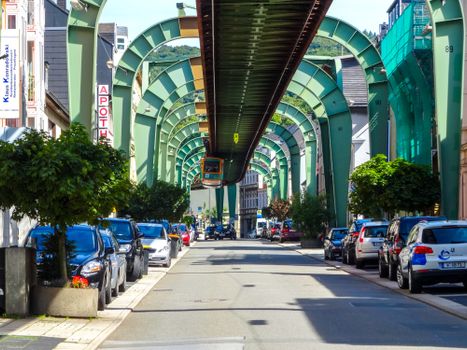
The heart of Freiburg is a pedestrian zone where trams are the only motorized transport allowed. The city is famous for its Bächle – charming, shallow water channels that run alongside many streets, providing a natural cooling system and a delightful soundtrack to your wanderings.
Pro-Tip: Visit the Münsterplatz on market days (Wednesday and Saturday) for a vibrant display of local produce, crafts, and flowers. The aroma of fresh bread and regional cheeses is intoxicating.
Freiburg's Eco-Conscious Appeal
Authenticity Check: Explore the Vauban district, a model sustainable neighborhood. Here, you’ll find innovative architecture, energy-efficient homes, and a strong sense of community. It’s a living example of how urban planning can prioritize people and the planet.
Nature's Embrace: Freiburg is your gateway to the Black Forest. Take a tram or a short bus ride to the Schauinsland mountain for panoramic views. Hike through ancient forests, breathing in the scent of pine and damp earth.
Local Flavors: Indulge in hearty Swabian cuisine. Try Käsespätzle (cheese noodles) or a slice of Schwarzwälder Kirschtorte (Black Forest gâteau) from its birthplace. Pair it with a local Baden wine.
Quick Facts: Freiburg
| Category | Details | Estimated Cost ($) | | :-------------- | :--------------------------------------------------------------------------- | :----------------- | | Getting There | Fly into Basel Mulhouse Freiburg (BSL) or Stuttgart (STR). Train to Freiburg. | $30 - $60 (train) | | Accommodation | Hotels, guesthouses, apartments | $90 - $250+ per night | | Transport | Trams, walking, cycling | $15 - $30 per day | | Food | Regional German cuisine, Black Forest cake, Baden wines | $40 - $100 per day | | Activities | Münster, Vauban district, Black Forest excursions, local markets | $20 - $60+ per day | | Best Time | April (mild weather, fewer crowds, Black Forest awakening) | - |
Bruges, Belgium: A Fairytale Frozen in Time
Bruges, with its medieval architecture and picturesque canals, feels like stepping into a storybook. Its compact size and largely pedestrianized center make it an ideal car-free destination for a romantic getaway in April 2026.
Canals, Cobblestones, and Chocolate
The best way to experience Bruges is on foot, getting lost in its winding cobblestone streets, or by taking a leisurely boat tour along its tranquil canals. The rhythmic splash of oars and the gentle lapping of water against ancient stone walls create a soothing ambiance.
Pro-Tip: Climb the Belfry of Bruges for breathtaking panoramic views of the city. Go early in the morning to avoid queues and to see the city bathed in soft, early light.
Discovering Bruges' Sweet Secrets
Insider’s Bruges: Explore the quieter neighborhoods away from the Markt (Market Square). Seek out the tranquil Beguinage (Begijnhof), a UNESCO World Heritage site that was once home to religious women. Visit the Groeningemuseum to admire Flemish Primitive masterpieces.
A Symphony of Flavors: Bruges is synonymous with chocolate. Indulge in pralines from artisanal chocolatiers like The Chocolate Line or Dumon. Don't forget to try authentic Belgian waffles and a wide variety of Belgian beers. The rich, malty flavors of a local Brugse Zot are a must.
Quick Facts: Bruges
| Category | Details | Estimated Cost ($) | | :-------------- | :----------------------------------------------------------------------- | :----------------- | | Getting There | Fly into Brussels Airport (BRU). Train to Bruges. | $20 - $35 (train) | | Accommodation | Boutique hotels, B&Bs, charming inns | $100 - $300+ per night | | Transport | Walking, canal boat tours, horse-drawn carriages | $15 - $40 per day | | Food | Chocolate, waffles, fries, Belgian beer, mussels | $40 - $100 per day | | Activities | Belfry climb, Beguinage, museums, chocolate tasting, canal tours | $25 - $70+ per day | | Best Time | April (pleasant weather, fewer crowds, blooming trees) | - |
The Future of Travel: Embracing Car-Free Urbanism
As April 2026 approaches, the appeal of car-free cities is undeniable. They offer a refreshing antidote to the often overwhelming nature of modern travel. They are places where you can truly connect with the destination, where the pace of life encourages observation, and where the environment is a priority, not an afterthought. These cities are not just about avoiding cars; they are about embracing a more human-scale, sustainable, and ultimately, more enriching way to experience urban life. So, pack your walking shoes, your sense of adventure, and get ready to explore the future of tourism.
More pictures
Tags
Share this guide
We may earn a commission if you click a link and buy a product or service, at no extra cost to you. How affiliate links work.
Been there?