
Skip the over-touristed resort towns. This May 2026, we are heading high into the clouds to discover five secretive, architecturally stunning mountain villages perfect for an overnight escape. From sun-blackened Swiss timber hamlets to stone-built Greek gorge sentinels, here is your insider playbook for the ultimate spring mountain getaway. ---
The Hook: A Breath of Thin Air
I stepped off the narrow-gauge regional train at the mountain junction, and the air hit me like a cold splash of spring water. It didn’t smell like the fumes and hot asphalt of the city I’d left three hours prior. Instead, it carried the scent of damp slate, crushed pine needles, and the faint, sweet perfume of wild thyme drifting down from high-altitude pastures.
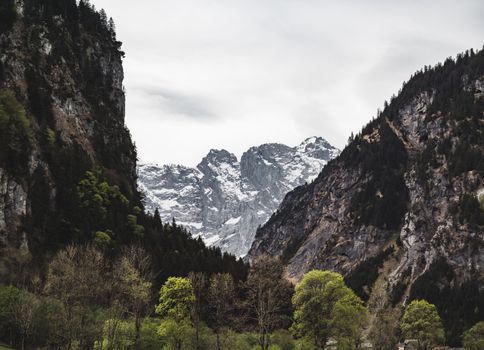
May in the mountains is a transitional magic trick. The high peaks are still crowned with brilliant white snowfields, while the valleys below explode in a riot of neon-green beech leaves and wild orchids. For the overnight traveler, this is the absolute sweet spot of the calendar. The winter ski crowds have long since packed up their gear, the summer hiking rush hasn't yet clogged the trails, and the villages belong almost entirely to the locals.
If you are looking to escape the noise and ground your soul in the earth this May 2026, pack a light overnight bag. We are bypassing the commercialized resort hubs and heading straight into the high-altitude sanctuaries where history, architecture, and slow food collide.
---
1. Castelmezzano, Italy: The Dolomiti Lucane’s Gravity-Defying Stone Nest
``` ^ ^ ^ [Castelmezzano] / \ / \ / \ Jagged sandstone spires / V V \ Red-tiled roofs clinging to cliffs / \ Scent of wild rosemary & woodsmoke ```
High in the Basilicata region of Southern Italy, the Dolomiti Lucane rise like jagged, prehistoric teeth. Clinging directly to these sandstone cliffs is Castelmezzano. When the morning mist rolls through the peaks, the village looks less like a human settlement and more like a natural geological formation that somehow sprouted windows and red-tiled roofs.
The Vibe & Architecture
Castelmezzano is a vertical labyrinth. The architecture is defined by steep, narrow stairways squeezed between houses carved directly into the living rock. In May, the stone walls are draped in wild wisteria, and the sound of bells from grazing goats echoes off the sheer rock faces.
The May Magic
May is the sweet spot for Castelmezzano because the weather is warm enough for outdoor dining on the cliffside terraces but cool enough that climbing the village's vertical streets won't leave you drenched in sweat.
The Culinary Soul
Forget standard Italian fare. Here, the star of the table is peperoni cruschi—sweet Senise peppers that are dried in the sun, quick-fried in olive oil until they shatter like glass, and salted. Pair them with strascinati (a hand-pulled pasta shape wider than orecchiette) tossed with wild chicory and grated cacioricotta cheese.
- Pro-Tip: Skip the main panoramic viewpoint at the village entrance. Instead, seek out the hidden medieval steps carved directly into the rock face behind the church of Santa Maria dell’Olmo. Climb them at 7:00 PM just as the streetlights flicker on; the village glows like a bowl of warm embers against the deep blue twilight.
---
2. Miyama (Kayabuki no Sato), Japan: The Whispering Thatch of Kyoto’s Highlands
``` ___________ / \ [Miyama] / _ _ _ _ \ Steep kayabuki thatched roofs /_____________\ Surrounded by cedar forests | [] [] | Scent of roasting hojicha & damp earth ```
Tucked away in the subtropical highland forests of Kyoto Prefecture, Miyama feels like a portal to a bygone Shogunate era. Known formally as Kayabuki no Sato, this hamlet preserves one of the highest concentrations of traditional thatched-roof farmhouses (kayabuki) in Japan.
The Vibe & Architecture
The houses here feature steep, double-pitched roofs made of tightly bound pampas grass, topped with ornate wooden ridge poles (chigi). The village is surrounded by towering Japanese cedar trees, and the only sound you are likely to hear is the rushing of the Yura River and the call of mountain pheasants.
The May Magic
In May, the surrounding rice paddies are flooded with water, acting as giant mirrors that reflect the thatched cottages and the fresh, lime-green spring foliage of the maple trees. It is also the month of the Shinsui (water-spraying festival), where the village’s hidden fire prevention sprinklers are tested simultaneously, shooting massive arcs of water over the roofs like a liquid rainbow.
The Culinary Soul
Warm up with a bowl of handmade sansai soba (buckwheat noodles topped with wild, bitter mountain ferns and bamboo shoots foraged from the slopes that morning). Wash it down with sweet, unpasteurized sake from the local milk-and-brewery cooperative.
- Pro-Tip: Walk past the main tourist cafe to the tiny, unattended wooden hut near the river. Here, local farmers leave jars of wild mountain honey and hand-carved cedar chopsticks. There is no shopkeeper; you simply drop your coins into an old iron box on the honor system.
---
3. Heiligenblut am Grossglockner, Austria: Gothic Spires and Glacial Shadows
``` /|\ [Heiligenblut] / | \ Gothic spire of St. Vincent / | \ Grossglockner mountain backdrop /___|___\ Scent of pine resin & fresh butter ```
If you asked an illustrator to draw the quintessential Austrian alpine village, they would draw Heiligenblut. Positioned at the base of the Grossglockner, Austria’s highest peak, this village is dominated by the slender, soaring Gothic spire of the Church of St. Vincent.
The Vibe & Architecture
The architecture is classic high-alpine: dark-stained timber balconies overflowing with early-season geraniums, whitewashed stone bases, and steep gabled roofs designed to shed heavy snow.
The May Magic
May marks the grand reopening of the famous Grossglockner High Alpine Road after winter closures. You can experience the dramatic contrast of driving between 10-foot-high snow walls during the day, then descending into the village where the meadows are carpeted in purple crocuses and yellow primroses.
The Culinary Soul
Order Kärntner Kasnudeln—large, hand-pinched pasta pockets filled with a mixture of dry curd cheese, fresh mint, and chervil, doused in a pool of foaming, hazelnut-colored brown butter.
- Pro-Tip: Set your alarm for 5:45 AM. Walk up to the viewpoint near the Pension Senger. At this hour, the rising sun hits the tip of the church spire and the snow-capped pyramid of the Grossglockner, turning them a brilliant, fiery rose while the rest of the valley remains cast in a deep, moody blue.
---
4. Dimitsana, Greece: The Stone Sentinel of the Arcadian Gorge
``` _______ ___ [Dimitsana] |_|_|_|_| |_|_| Multi-story stone-built mansions |_|_|_|_| |_|_| Perched above Lousios Gorge [_______________] Scent of wild sage & roasting lamb ```
Forget the sun-bleached white walls of the Greek islands. Dimitsana, located in the mountainous heart of the Peloponnese, is built entirely of heavy, golden-grey limestone. Perched on a ridge overlooking the dramatic Lousios Gorge, this historic village played a vital role in the Greek War of Independence as a powder-mill hub.
The Vibe & Architecture
The village is characterized by imposing, three-story stone mansions (archontika) with red slate roofs and wooden balconies that hang precariously over the gorge. The air smells of wild sage, dry oregano, and the clean, rushing water of the river below.
The May Magic
May is the prime month for exploring the Lousios Gorge. The water levels are high from the melting snow of Mount Mainalo, making it the best time for rafting, while the hiking paths are lined with blooming wild sage and Judas trees covered in pink blossoms.
The Culinary Soul
Dine in a stone-walled tavern on gofres (local handmade pasta shaped like small squares) served with a rich, slow-cooked wild boar ragu, heavily spiced with cinnamon, allspice, and red wine.
- Pro-Tip: Hike the trail from the village down to the hidden Moni Aimyalon monastery. Built directly into a vertical cliff face like a swallow’s nest, it is often looked after by a single monk. If you knock gently on the heavy wooden door, he may invite you in for a cup of Greek coffee and a piece of loukoumi (Turkish delight) flavored with wild mastic.
---
5. Albinen, Switzerland: Sun-Blackened Timber and Cliffside Ladders
``` _ _ _ _ [Albinen] |_||_| |_||_| Larch wood barns on stone stilts |_||_| |_||_| Sun-blackened timber facades [___________] Scent of melted cheese & pine needles ```
While tourists crowd the streets of nearby Zermatt, the tiny village of Albinen remains frozen in time. Clinging to a steep, south-facing slope in the Valais canton, Albinen is a masterclass in traditional Swiss mountain preservation.
The Vibe & Architecture
The village is a dense cluster of 17th- and 18th-century stadel (traditional barns) and residential houses built from local larch wood. Over centuries of exposure to the intense high-altitude sun, the wood has burned to a deep, velvety black. Many of these structures sit on flat stone discs supported by wooden stilts—an ancient architectural design to keep mice out of the grain stores.
The May Magic
In May, the snow has melted from the village streets, but the surrounding peaks of the Daubenhorn range remain brilliantly white. The meadows below the village turn into a vibrant carpet of yellow dandelions, and the thermal springs of neighboring Leukerbad are blissfully quiet.
The Culinary Soul
This is the heart of Valais, which means dinner is Raclette. Not the commercial kind, but raw-milk Valaisian cheese melted slice by slice over an open wood fire, scraped onto platefuls of skin-on mountain potatoes, pickled onions, and cornichons.
- Pro-Tip: If you are brave and have a steady foot, hike the Albinerleitern (Albinen Ladders). These are eight historic wooden ladders secured directly to the sheer rock face between Leukerbad and Albinen. Used for centuries by locals carrying goods, they offer a thrilling, vertical approach to the village.
---
The Budget & Logistics Playbook
Planning an overnight mountain trip requires a bit more logistical planning than a standard city break. Mountain weather is notoriously unpredictable in May, and public transport schedules can be sparse. Use this quick-reference guide to plan your journey.
| Village | Est. Overnight Cost (USD) | How to Get There | Signature Local Flavor | Best Time to Arrive | | :--- | :--- | :--- | :--- | :--- | | Castelmezzano, Italy | $110 - $160 | Rent a car from Potenza (45-min drive) or take the local bus. | Peperoni Cruschi (Crispy fried sweet peppers) | 4:00 PM (to catch the golden hour light) | | Miyama, Japan | $140 - $220 | JR San-in Line from Kyoto to Sonobe, then local Nantan Bus. | Sansai Soba (Wild mountain vegetable noodles) | 11:00 AM (before the afternoon mist rolls in) | | Heiligenblut, Austria | $130 - $190 | Train to Lienz, then Postbus 5108 directly to the village. | Kärntner Kasnudeln (Mint & curd cheese pasta) | 2:00 PM (allows time for an afternoon hike) | | Dimitsana, Greece | $90 - $140 | Rent a car from Athens (2.5-hour drive via Tripoli). | Gofres with Wild Boar (Spiced mountain ragu) | 3:00 PM (ideal for a late lunch by the gorge) | | Albinen, Switzerland | $180 - $260 | SBB Train to Leuk, then Bus 471 climbing up to Albinen. | Open-Fire Raclette (Melted raw-milk cheese) | 1:00 PM (gives you time to tackle the ladders) |
---
Packing List Essentials for May Mountain Getaways
Don't let the spring sunshine fool you. A sunny 65°F (18°C) afternoon in a mountain valley can easily plummet to 35°F (2°C) once the sun drops behind the peaks.
- The Three-Layer System: A merino wool base layer to wick sweat, a lightweight down jacket for insulation, and a windproof/waterproof shell.
- Sturdy Trail-to-Table Footwear: Squeezing down cobblestone stairs in Castelmezzano or hiking the Lousios Gorge requires real grip. Pack low-profile hiking shoes that don't look out of place in a rustic tavern.
- A Headlamp: Mountain villages are notoriously dark at night. If you walk out to a viewpoint after dinner, you’ll need a light source to navigate the uneven stone paths.
---
The Final Word: Why May 2026 is Your Window
The travel landscape is changing. Travelers are increasingly seeking out places that offer silence, authenticity, and a connection to the earth. These five villages aren't designed for mass tourism; they are living communities that have adapted to their rugged environments over hundreds of years.
By visiting in May 2026, you are choosing to travel during the quiet lull between seasons. You are choosing to support local guesthouses, drink from village fountains, and eat food that was grown in the very soil you are walking on.
Pack your bag, book that train ticket, and head up into the hills. The mountains are calling, and they have never sounded so quiet.
---
More pictures
Tags
Share this guide
We may earn a commission if you click a link and buy a product or service, at no extra cost to you. How affiliate links work.
Been there?