
Imagine the world waking up beneath you, painted in hues of fire and gold from a towering mountain peak. This isn't just about a photograph; it's about a soul-stirring experience that will redefine your appreciation for nature's grandeur. Get ready to discover the world's most incredible mountain sunrises that belong on every traveler's bucket list. ---
Chasing the Alpenglow: Mountain Peaks Perfect for Sunrise Photography You Need to Experience Before You Die
There are moments in life that transcend the ordinary, etching themselves into the very fabric of your being. For me, one such moment happened high above the clouds, shivering in the pre-dawn chill, waiting. The air was thin, the silence profound, broken only by the distant rustle of wind through ancient pines. Then, a faint hint of rose brushed the eastern horizon, slowly bleeding into fiery oranges and molten golds, illuminating the jagged peaks around me as if touched by a divine hand. It was my first true mountain sunrise, on a remote ridge in the Dolomites, and it quite literally took my breath away. My camera was clutched in numb fingers, but for a few precious seconds, I forgot it was even there, simply absorbing the raw, untamed beauty unfolding before my eyes.
That experience ignited an obsession: chasing the alpenglow from the world's most spectacular mountain peaks. It’s more than just photography; it’s a pilgrimage. It's about the effort, the early starts, the cold, and the profound reward of witnessing the earth awaken in its most magnificent form. If you're a traveler, an adventurer, or a photographer yearning for those truly "before you die" moments, then strap in. This is your guide to the mountain peaks that promise not just epic photos, but life-altering experiences.
The Irresistible Call of the Alpenglow: Why Mountain Sunrises Are Different
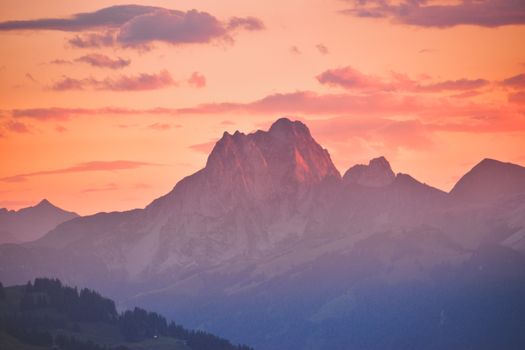
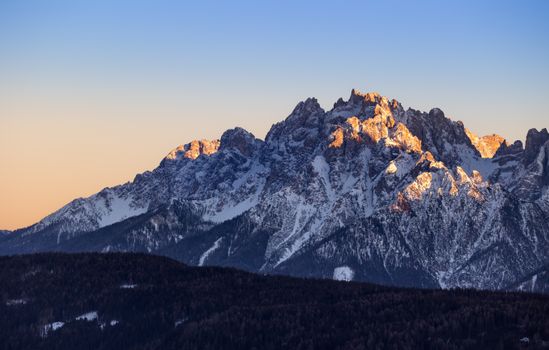
Why are mountain sunrises so uniquely captivating? It’s not just about the light; it’s the entire symphony of the experience. The crisp, clean air, the panoramic vistas stretching to infinity, the profound silence of a world still asleep beneath you. As the sun crests the horizon, it bathes the landscape in a soft, warm glow known as "alpenglow" – a magical light that transforms ordinary rock faces into canvases of vibrant reds, oranges, and pinks.
Unlike a flat horizon sunrise, mountain peaks offer dramatic foregrounds and incredible depth. The interplay of light and shadow dancing across valleys and ridges creates dynamic compositions. You're not just observing; you're immersed in a grand, theatrical performance by nature itself. There’s a sense of accomplishment that comes with reaching a high vantage point before dawn, a feeling of earning that breathtaking view. It's a connection to the wild, a moment of solitude and reflection that grounds you and reminds you of the sheer power and beauty of our planet.
Peak Perfection: My Top Picks for Unforgettable Sunrise Shots
From volcanic landscapes to iconic granite spires, these are the peaks that have captured my heart and filled my memory cards with pure magic. Trust me, each one offers a unique and unforgettable sunrise experience.
1. Mount Bromo, East Java, Indonesia: A Volcanic Dreamscape
Imagine standing on the rim of an ancient caldera, watching the sun rise over a landscape so alien it feels like another planet. That's Mount Bromo. Part of the Bromo Tengger Semeru National Park, this active volcano offers one of the most surreal sunrise experiences on Earth.
My first time here, I was picked up by a jeep at 3 AM from my guesthouse in Cemoro Lawang. The ride up to King Kong Hill (or Penanjakan Viewpoint 1, which can get crowded) was bumpy, thrilling, and utterly dark. We joined a throng of excited travelers, all bundled up against the biting cold, sipping hot coffee from vendors. As the first light began to paint the sky, a collective gasp swept through the crowd. Below us, the sea of sand stretched out, with the perfectly conical Mount Batok, the smoking crater of Mount Bromo, and the distant, towering Mount Semeru (Indonesia's highest volcano) all emerging from the pre-dawn mist. The ethereal fog swirling around the volcanoes, combined with the vibrant sunrise colors, created a scene straight out of a fantasy novel. It was truly humbling.
- Why it's epic: The otherworldly volcanic landscape, the iconic silhouettes of multiple peaks, and the frequent low-lying mist create a truly dramatic and unique photography opportunity.
- Practical Tips:
- Getting there: Fly into Surabaya (SUB) or Malang (MLG), then take a bus/private car to Cemoro Lawang. Hire a jeep tour from your accommodation or a local agency.
- Best Viewpoints: King Kong Hill, Penanjakan Viewpoint 1, or Seruni Point (less crowded, but a longer walk).
- Gear: A wide-angle lens (14-24mm) is essential to capture the vastness. A telephoto (70-200mm) is great for isolating Bromo's crater or Semeru. Tripod is a must for low light.
- Cost: National Park Entrance Fee (approx. 220,000-320,000 IDR, depending on weekday/weekend). Jeep rental (shared) around 500,000-600,000 IDR per jeep.
- Insider Tip: Arrive very early (by 4 AM) to secure a good spot, especially on weekends. Bring layers – it’s freezing before dawn but warms up quickly. Consider hiking to Bromo's crater after sunrise for another unique perspective.
2. Patagonia: Fitz Roy & Torres del Paine - The Granite Giants
Patagonia is a land of myth and legend, and its mountain ranges, particularly the Fitz Roy massif in Argentina and the Torres del Paine in Chile, offer some of the most dramatic sunrises imaginable. These are not for the faint of heart; they require effort, often multi-day treks, but the reward is beyond compare.
My journey to witness the alpenglow on Mount Fitz Roy began with a pre-dawn hike from Laguna de los Tres campsite, near El Chaltén, Argentina. We started at 4 AM, headlamps cutting through the absolute darkness, the wind whipping at our faces. The final ascent to the laguna viewpoint is steep and rocky, a true test of endurance. But as the sky began to lighten, revealing the serrated silhouette of Fitz Roy, Cerro Poincenot, and their companions, every ache vanished. The moment the first rays of sun kissed the granite, turning the peaks from cold grey to fiery red and orange, was pure magic. The reflection in the calm waters of Laguna de los Tres was the cherry on top. It felt like I was standing on the edge of the world, witnessing a primordial sunrise.
Similarly, the iconic Mirador Las Torres in Torres del Paine National Park, Chile, demands an equally challenging pre-dawn ascent to see the famous granite towers ignite with the morning light.
- Why it's epic: Unbelievably dramatic, jagged granite peaks that catch the sunrise in spectacular fashion, often with reflections in glacial lakes. Pure, untamed wilderness.
- Practical Tips:
- Getting there: Fly to El Calafate (FTE) for Fitz Roy (then bus to El Chaltén) or Punta Arenas (PUQ) for Torres del Paine (then bus to Puerto Natales).
- Best Viewpoints: Laguna de los Tres (Fitz Roy), Mirador Las Torres (Torres del Paine).
- Gear: Essential hiking gear (boots, layers, rain gear), sturdy tripod, wide-angle and telephoto lenses. Extra batteries are crucial in the cold.
- Cost: Fitz Roy is free to hike, but you'll need to pay for accommodation in El Chaltén and potentially camping permits. Torres del Paine has significant park entrance fees (approx. 21,000 CLP for foreigners, multi-day).
- Insider Tip: For Fitz Roy, camp at Poincenot or Laguna Capri to minimize your pre-dawn hike. For Torres del Paine, book refugios or campsites months in advance, especially for the 'W' or 'O' treks. Weather can change in minutes, so be prepared for anything!
3. Matterhorn, Zermatt, Switzerland: The Iconic Pyramid
The Matterhorn, with its distinctive pyramid shape, is arguably the most famous mountain in the world. While you can't hike to its summit for sunrise unless you're an experienced mountaineer, there are several incredible viewpoints around Zermatt that offer breathtaking alpenglow views of this majestic peak.
My favorite experience was staying overnight at the 3100 Kulmhotel Gornergrat. Imagine waking up at 3,100 meters, stepping out onto a viewing platform, and having the Matterhorn directly in front of you, bathed in the soft glow of pre-dawn light. The first time I saw the sun hit its east face, turning the rock a vibrant, impossible orange, it was like a painting coming to life. The advantage of staying up there is avoiding the crowds that arrive on the first cogwheel train, allowing for a more serene and intimate experience. For a classic reflection shot, hiking to Stellisee lake (accessible via gondola and then a hike from Sunnegga) before dawn offers another iconic perspective.
- Why it's epic: The instantly recognizable shape of the Matterhorn, the pristine alpine environment, and the accessible (yet still dramatic) viewpoints make it a photographer's dream.
- Practical Tips:
- Getting there: Zermatt is car-free. Take a train to Zermatt, then the Gornergrat cogwheel train up.
- Best Viewpoints: Gornergrat (staying at the hotel is highly recommended), Stellisee lake (requires a hike from Sunnegga), or even from a hotel balcony in Zermatt itself for a distant view.
- Gear: Wide-angle for the full panorama, but a telephoto (70-200mm or even 100-400mm) is excellent for compressing the peaks and capturing details of the Matterhorn. Tripod, of course.
- Cost: Gornergrat Bahn ticket is expensive (around 120 CHF round trip, less with a Swiss Pass). Hotel stays are also pricey but often worth it for the views.
- Insider Tip: If staying at Kulmhotel Gornergrat, scout your photo spot the evening before. Check the train schedule for the first descent, as you might want to capture the Matterhorn from different angles as you go down.
4. Mount Fuji, Japan: The Sacred Silhouette
Mount Fuji, Japan's highest peak, is a symbol of beauty and serenity. While climbing Fuji for sunrise is a popular summer activity, capturing its iconic, perfectly symmetrical cone from a distance, especially with traditional Japanese elements in the foreground, offers a truly unique cultural and photographic experience.
My go-to spot for an unforgettable Fuji sunrise is the Chureito Pagoda, part of the Arakurayama Sengen Park near Kawaguchiko. I arrived an hour before sunrise, joining a respectful crowd of photographers. As the sky lightened, revealing the pagoda in the foreground, framed by cherry blossoms (if you're lucky enough to be there in spring) and with Fuji majestically rising behind it, it was a moment of pure zen. The golden light slowly illuminating the sacred mountain, turning its snow-capped peak a soft pink, was absolutely breathtaking. Another fantastic spot is from the shores of Lake Kawaguchiko, where Fuji's reflection can be perfectly captured on a calm morning.
- Why it's epic: The iconic, perfectly conical shape of Mount Fuji, often framed by beautiful Japanese landscapes or architecture, creates a serene and powerful composition.
- Practical Tips:
- Getting there: Take a train or highway bus from Shinjuku, Tokyo, to Kawaguchiko Station.
- Best Viewpoints: Chureito Pagoda (Arakurayama Sengen Park), shores of Lake Kawaguchiko, or from one of the many Ryokans (traditional inns) with Fuji views.
- Gear: A wide-angle lens for the pagoda and lake scenes, but a mid-range zoom (24-70mm) is also very versatile here. Tripod is a must.
- Cost: Transportation to Kawaguchiko, minimal fees for certain parks/attractions.
- Insider Tip: The best time for clear views of Fuji is typically in the colder months (October to March). Use a weather app that forecasts cloud cover for specific altitudes. Arrive at Chureito Pagoda very early to get a good spot on the platform.
5. Dolomites, Italy: The Grandeur of the Pale Mountains
The Dolomites in Northern Italy are a UNESCO World Heritage site, famous for their dramatic, jagged limestone peaks, sheer cliffs, and beautiful alpine meadows. While there are countless spots for incredible sunrises, Tre Cime di Lavaredo and Seceda stand out for their sheer grandeur.
My first sunrise at Tre Cime di Lavaredo was after a night spent in Rifugio Auronzo. Waking up before dawn, I hiked towards the iconic three peaks, feeling the crisp mountain air on my face. As the sun kissed the eastern faces of the Tre Cime, they transformed from grey rock into a vibrant, almost ethereal orange, contrasting beautifully with the deep blues and purples of the pre-dawn sky. It was a symphony of light and color that felt ancient and powerful. Later, a sunrise at Seceda, accessible via cable car from Ortisei, offered a different kind of drama – the incredibly steep, blade-like ridgeline catching the first light, with the rolling green slopes below.
- Why it's epic: Unique rock formations, dramatic verticality, and the famous "alpenglow" effect on the pale dolomite rock make for stunning, painterly landscapes.
- Practical Tips:
- Getting there: Fly into Venice (VCE) or Innsbruck (INN), then rent a car. A car is highly recommended for exploring the Dolomites.
- Best Viewpoints: Tre Cime di Lavaredo (hike from Rifugio Auronzo or Rifugio Lavaredo), Seceda (cable car from Ortisei), Passo Giau, Alpe di Siusi.
- Gear: Wide-angle for sweeping panoramas, a telephoto for isolating specific peaks and compressing the landscape. Drone photography is popular here (check local regulations).
- Cost: Toll road to Tre Cime (around 30 EUR per car), cable car fees for Seceda (around 30-40 EUR return). Rifugio stays vary but are generally affordable.
- Insider Tip: Plan your hikes the day before. Staying in a rifugio significantly cuts down on pre-dawn travel time. Always check the weather forecast, as conditions can change rapidly. Don't forget to look behind you – often, the light on the valleys or clouds can be just as stunning!
The Photographer's Arsenal: Gear & Settings for Golden Hour Glory
Capturing these epic sunrises requires more than just being there; it requires preparation. Here’s a quick run-down for your photography kit:
- Camera: A DSLR or mirrorless camera with manual controls is essential.
- Lenses:
- Wide-angle (14-24mm): For grand, sweeping landscapes, capturing the vastness.
- Mid-range zoom (24-70mm): Versatile for various compositions.
- Telephoto (70-200mm or longer): To compress distant peaks, isolate details, or capture close-ups of alpenglow.
- Sturdy Tripod: Absolutely non-negotiable for sharp images in low light.
- Remote Shutter Release: Prevents camera shake.
- Extra Batteries: Cold weather drains batteries fast. Carry several, keep them warm.
- Headlamp: Essential for navigating in the dark.
- Warm Layers: You'll be standing still in freezing temperatures. Hats, gloves, and insulated jackets are crucial.
- Power Bank: For charging your phone or other small electronics.
Essential Camera Settings:
- RAW Format: Always shoot in RAW. It gives you maximum flexibility in post-processing.
- Aperture: Start around f/8 to f/16 for landscapes to ensure everything from foreground to background is sharp.
- ISO: Keep it as low as possible (ISO 100-400) to minimize noise.
- Shutter Speed: This will vary depending on the light. With a tripod, you can use longer exposures (several seconds) to capture more light and detail.
- White Balance: Set it to 'Daylight' or 'Cloudy' for warmer tones, or shoot in RAW and adjust later.
- Bracketing: When the light changes rapidly, or you have extreme dynamic range (bright sky, dark foreground), bracket your shots (take multiple photos at different exposures) to merge them later into an HDR image.
Composition Tips:
- Rule of Thirds: Place your horizon or key elements along the grid lines.
- Leading Lines: Use paths, rivers, or ridges to draw the viewer's eye into the scene.
- Foreground Interest: A rock, a flower, a small tree – something in the foreground adds depth.
- Silhouettes: Before the sun fully rises, use the dark shapes of peaks against the colorful sky for dramatic effect.
- Reflections: If there's water, use it! Reflections can double the beauty of your shot.
Beyond the Lens: Essential Tips for a Smooth Sunrise Adventure
Getting the shot is one thing, but making the experience enjoyable and safe is paramount.
- Safety First:
- Check Weather: Mountain weather is notoriously unpredictable. Always check forecasts (multiple sources) and be prepared for sudden changes.
- Tell Someone: Inform someone of your plans, especially if you're hiking alone.
- Pack Essentials: Water, snacks, first-aid kit, navigation (map, compass/GPS app), and emergency shelter are crucial.
- Know Your Limits: Don't attempt hikes beyond your fitness level, especially in the dark.
- Logistics are Key:
- Research Access: Are permits required? Is there a road, cable car, or a long hike?
- Transportation: How will you get to the trailhead? Book taxis or jeeps in advance if needed.
- Accommodation: Book nearby accommodation to minimize pre-dawn travel. Staying in a mountain hut (rifugio) is often ideal.
- Wake-Up Call: Set multiple alarms! You'll often need to be up by 2-3 AM.
- Respect Nature:
- Leave No Trace: Pack out everything you pack in. Do not litter.
- Stay on Trails: Protect fragile ecosystems.
- Observe Wildlife: Keep a respectful distance.
- Embrace the Journey:
- While getting the perfect shot is the goal, don't forget to put your camera down for a few moments. Breathe it in. Feel the cold air, listen to the silence, and simply be present. The memory of the experience is often more valuable than any photograph.
Post-Processing Power: Making Your Sunrises Shine
Once you're back home, the magic continues in post-processing. Using software like Adobe Lightroom or Photoshop, you can enhance the RAW files you captured.
- Exposure Adjustments: Fine-tune highlights, shadows, whites, and blacks to bring out details.
- Color Grading: Enhance the natural warmth of the sunrise. Pay attention to the blues in the shadows and the fiery tones in the sky.
- Contrast & Clarity: Add punch to your images.
- Sharpening & Noise Reduction: Apply sparingly to give your photos that professional edge.
- Perspective Correction: Straighten horizons and correct any lens distortion.
Remember, the goal is to enhance the natural beauty you witnessed, not to fabricate it. Let the authenticity of the moment shine through.
Which Peak Will You Conquer First?
There’s an undeniable allure to witnessing a mountain sunrise. It’s a primal, soul-stirring experience that reminds you of the profound beauty and power of our world. Each peak offers its own unique challenge and reward, a story waiting to be told through your lens and your memories.
So, what are you waiting for? Start planning. Research your destination, pack your bags, set that early alarm, and prepare to be utterly captivated. These aren't just photos; they're moments that will stay with you long after the sun has climbed high in the sky.
Which mountain peak is calling your name for that epic sunrise shot? Share your dream destination or your favorite sunrise memory in the comments below! Don't forget to tag #TripsoraSunrise and #MountainMagic on Instagram when you capture your own unforgettable moments!
---
More pictures



Tags
Share this guide
We may earn a commission if you click a link and buy a product or service, at no extra cost to you. How affiliate links work.
Been there?