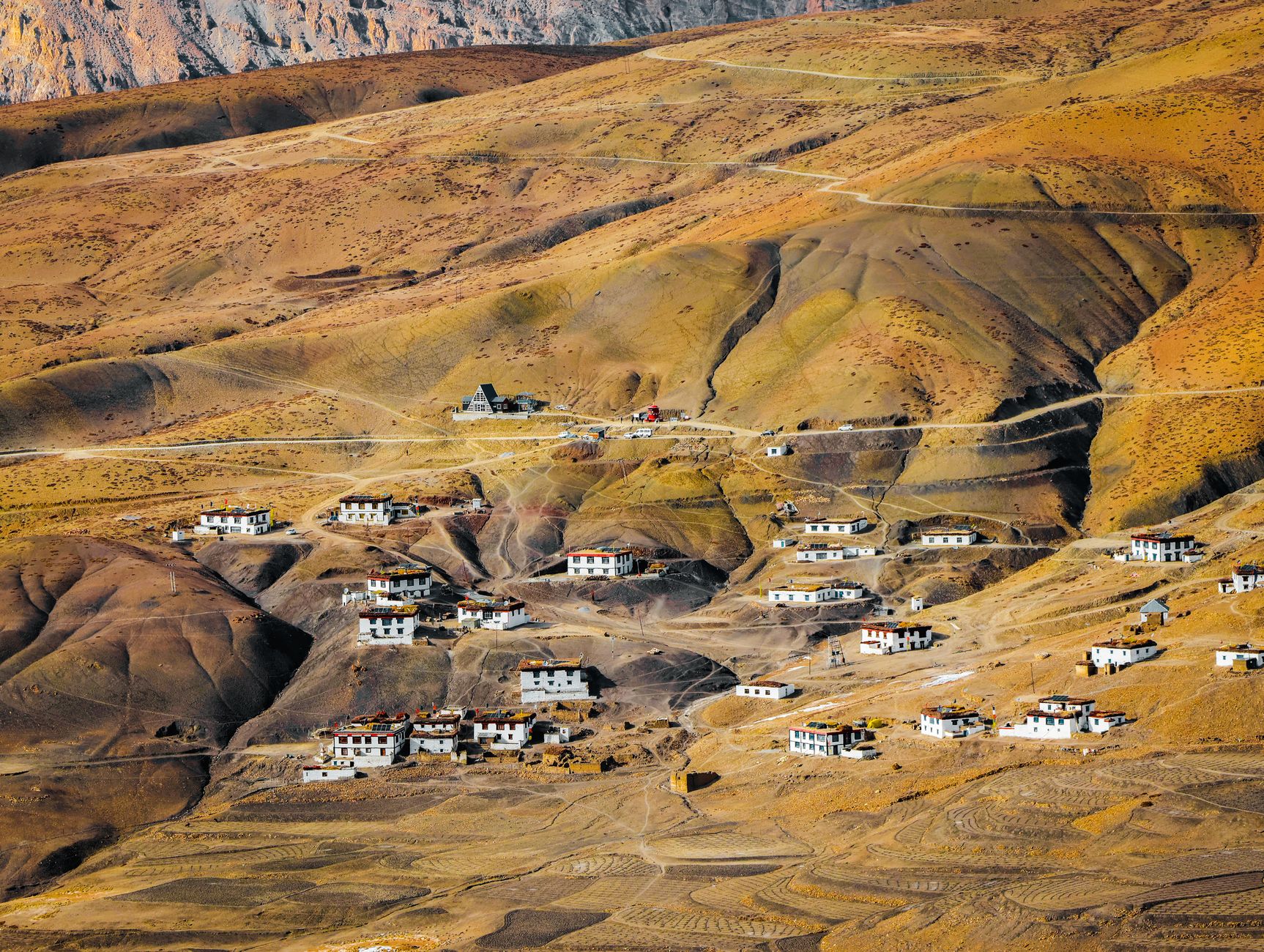
Tired of battling selfie sticks and photo-bombing tourists at every "iconic" landmark? This post is your secret weapon, revealing seven truly breathtaking, crowd-free destinations where you can capture stunning, authentic photos and experience pure, unadulterated beauty. Prepare to have your mind blown and your camera roll filled with envy-inducing shots! ---
The Quest for the Perfect Shot: Why Crowds Are the Ultimate Photo Killer (and How I Found My Solitude)
Remember that iconic shot you saw on Instagram, the one that made your heart ache with wanderlust? You booked the flight, packed your bags, and arrived, only to find... a hundred other people trying to get the exact same shot, jostling for position, their selfie sticks glinting in the sun. Your dream photo quickly devolves into a game of "dodge the tourist" and "wait for a gap." Sound familiar?
I’ve been there. Countless times. I remember standing at the base of Skogafoss in Iceland, a waterfall of mythical proportions, utterly mesmerized. But then I looked around: busloads of tourists, a drone buzzing like an angry bee, and a queue forming for the "perfect" rock. The magic, for a fleeting moment, was diluted. It was then I vowed to change my travel strategy. I craved authenticity, solitude, and the chance to truly see and feel a place without the constant hum of human activity. I wanted to capture images that weren't just pretty, but profound.
Thus began my personal quest for the most photogenic spots on Earth where the only company you keep is the whispering wind, the soaring eagle, or the gentle lapping of waves. I’ve spent years traversing continents, venturing off the well-trodden path, and sometimes, quite literally, getting gloriously lost. And let me tell you, the rewards have been beyond anything I could have imagined. The photos I've captured in these places aren't just pictures; they're memories steeped in silence, wonder, and a deep connection to the raw beauty of our planet.
So, if you're ready to ditch the queues, silence the noise, and discover landscapes that will genuinely blow your mind – and deliver those truly unique, viral-worthy shots – then buckle up. Because I'm about to share my most guarded secrets. These aren't just places; they're experiences, waiting to be captured.
---
1. The Mystical Isles of the North: Faroe Islands (Europe's Unsung Drama)
Imagine jagged, emerald-green cliffs plunging into an angry North Atlantic, turf-roofed houses straight out of a fairy tale, and waterfalls cascading directly into the sea. This isn't a fantasy; it's the Faroe Islands, an autonomous archipelago under the Kingdom of Denmark, nestled between Iceland and Norway. While gaining popularity, its remote location and sometimes challenging weather keep the true crowds at bay, leaving vast stretches of dramatic beauty for you and your lens.
Why it's a Photographer's Dream:
Every turn is a postcard. From the iconic village of Saksun, with its black-sand lagoon and turf-roofed church, to the dramatic sea stacks of Drangarnir and the vertigo-inducing cliff walk to the Kallur Lighthouse on Kalsoy Island (yes, the James Bond film location!), the visual drama is relentless. The light here is often moody and ethereal, creating incredible depth and atmosphere. And those adorable puffins on Mykines? Pure gold.
Why You'll Find Solitude:
The Faroes are still relatively inaccessible compared to other European destinations, requiring a flight transfer or a long ferry ride. The weather can be unpredictable (expect four seasons in one day!), which deters casual tourists. Many of the most stunning spots require a hike, further thinning the crowds. My most cherished memory is standing alone at Saksun at dawn, the only sound the bleating of sheep and the gentle lapping of the tide. It felt like I'd stepped into a forgotten world.
Practical Tips for Your Trip:
* Getting There: Fly into Vágar Airport (FAE), usually via Copenhagen or Edinburgh.
* Getting Around: A rental car is essential for true exploration. Book well in advance, especially for automatic transmission. Roads are excellent, but tunnels can be long and sometimes single-lane.
* Best Time to Visit: Late spring (May-June) or early autumn (September-October) for fewer crowds and potentially more stable weather than peak summer. Puffins are present from May-August.
* Costs: Mid-range to expensive. Accommodation can be pricey, and food is imported. Expect to pay around $150-250/night for a decent guesthouse or Airbnb. Ferry to Mykines (for puffins) is around $15-20 return.
* Gear: Layers (waterproof!), sturdy hiking boots, and a wide-angle lens are non-negotiable. A drone is fantastic here, but be aware of local regulations and no-fly zones.
* Local Insight: Hiking permits are becoming more common for popular spots to manage tourism and maintain trails. Check ahead!
---
2. The Wild Heart of Central Asia: Kyrgyzstan (Where Mountains Meet Nomadic Soul)
When I first told friends I was going to Kyrgyzstan, I was met with blank stares. "Where's that?" they'd ask. That, my friends, is precisely the point. Nestled in the heart of Central Asia, bordered by the mighty Tian Shan mountains, Kyrgyzstan is a land of vast, unspoiled wilderness, alpine lakes, and a deeply ingrained nomadic culture. It’s a photographer’s paradise where every frame tells a story of ancient traditions and breathtaking natural grandeur.
Why it's a Photographer's Dream:
Imagine horse trekking through valleys so green they hurt your eyes, past yurts where nomadic families invite you for kumis (fermented mare's milk, an acquired taste!), and camping beside crystal-clear lakes reflecting snow-capped peaks. The Jyrgalan Valley offers incredible multi-day treks with barely another soul in sight. The thermal hot springs of Altyn Arashan are reached via a thrilling 4x4 journey, rewarding you with steaming pools amidst incredible mountain vistas. Even the famous Song-Kul Lake, while known, can be almost empty during the shoulder seasons, offering stunning reflections and starry night skies. The vibrant colours of traditional textiles, the stoic faces of eagle hunters, and the sheer scale of the landscape make for truly unique imagery.
Why You'll Find Solitude:
Kyrgyzstan is still an emerging tourist destination. Its infrastructure is developing, and getting to many of its most stunning locations requires a sense of adventure, often involving shared taxis, marshrutkas (minibuses), or hiring a private driver/guide. The country is vast, meaning even popular spots like Song-Kul are big enough to absorb visitors without feeling crowded. I spent three days horse trekking in Jyrgalan, and the only people I saw were my guide and the occasional shepherd. The quiet was profound.
Practical Tips for Your Trip:
* Getting There: Fly into Manas International Airport (FRU) in Bishkek.
* Getting Around: For remote areas, hire a local driver (often with a sturdy Soviet-era UAZ van) or join a tour. For treks, local guides are highly recommended for safety and cultural insight.
* Best Time to Visit: June to September for trekking and good weather. May and October offer beautiful autumn colours and even fewer tourists, but be prepared for colder temperatures, especially at altitude.
* Costs: Extremely budget-friendly. You can comfortably travel for $30-60/day excluding flights. Yurt stays range from $15-30 including meals. Guide fees for trekking can vary but are generally affordable.
* Gear: Sturdy hiking gear, warm layers (even in summer), a good headlamp, and a camera with a wide-angle lens for landscapes. A telephoto is great for wildlife and portraits.
* Local Insight: Learn a few basic Russian or Kyrgyz phrases; it goes a long way. Be respectful when photographing people, always ask permission. Winding roads mean motion sickness meds might be useful.
---
3. Rainbow Mountains & Desert Canyons: Northern Argentina (A Symphony of Color)
Forget Patagonia for a moment. Head north in Argentina, to the provinces of Salta and Jujuy, and prepare for a landscape that feels like it’s been painted by a whimsical deity. This region, particularly the Quebrada de Humahuaca, is a UNESCO World Heritage site, a valley of dramatic geological formations, ancient pre-Hispanic ruins, and vibrant indigenous culture. It's a kaleidoscope of reds, purples, greens, and yellows, all sculpted by millennia of erosion.
Why it's a Photographer's Dream:
The star attraction is undoubtedly the Cerro de los Siete Colores (Hill of Seven Colors) in Purmamarca, especially at sunrise or sunset when the light truly makes its hues sing. But that’s just the beginning. Drive through the Quebrada de las Conchas (Shells Gorge) near Cafayate, where wind and water have carved surreal rock formations like the "Devil's Throat" and the "Amphitheatre." The vast, blinding white expanse of Salinas Grandes, a salt flat at over 3,400 meters, offers incredible perspective photography opportunities. Then there are the charming adobe villages like Tilcara and Iruya (the latter requiring an adventurous drive through winding mountain passes), filled with history and character.
Why You'll Find Solitude:
While Purmamarca and Tilcara can see their share of visitors, the sheer size of the region means you can easily escape. The drives between towns are long and scenic, often with sparse traffic. Visiting Iruya, for instance, involves a several-hour journey on unpaved roads, deterring many. Exploring the lesser-known trails around the main towns or venturing into the high-altitude deserts will reward you with profound quietude. I remember pulling off a dirt road near Cachi, scaling a small hill, and watching the sunset paint the entire valley in fiery hues, completely alone. It was pure magic.
Practical Tips for Your Trip:
* Getting There: Fly into Salta (SLA).
* Getting Around: A rental car is highly recommended, especially a 4x4 if you plan to explore Iruya or more remote areas. Roads are generally good, but some are unpaved.
* Best Time to Visit: April-May or September-October for pleasant weather and fewer crowds. Summer (Dec-Feb) can be hot with more rain, but everything is lush. Winter (June-Aug) is dry and sunny but cold, especially at night.
* Costs: Mid-range. Flights within Argentina can be expensive. Accommodation and food are reasonable. Empanadas and local wines are a must-try!
* Gear: Wide-angle for landscapes, polarizing filter for those vibrant colors, and a telephoto for details in the distant mountains. Don't forget sun protection – the high altitude sun is intense.
* Local Insight: Altitude sickness can be an issue. Take it easy the first day, stay hydrated, and drink coca tea (mate de coca). Check your spare tire before venturing onto unpaved roads.
---
4. Ancient Wilderness & Pristine Coasts: Tasmania, Australia (The Wild Edge of the World)
Australia's smallest state, the island of Tasmania, often gets overlooked for its flashy mainland counterparts. But for those in the know, Tassie is a haven of ancient rainforests, rugged coastlines, unique wildlife, and a pervasive sense of wild beauty. It feels like stepping back in time, to a land where nature still truly reigns supreme.
Why it's a Photographer's Dream:
Where do I even begin? The Tarkine Rainforest (takayna) in the northwest is one of the largest temperate rainforests in the Southern Hemisphere, a primeval landscape of moss-draped trees, fern gulleys, and wild rivers. Imagine capturing the ethereal mist rising over ancient trees, or the intricate patterns of fungi on fallen logs. The iconic Cradle Mountain-Lake St Clair National Park is stunning, but instead of just the main Dove Lake circuit, venture onto lesser-known trails like the Overland Track (multi-day) or shorter walks around Ronny Creek for chances to spot wombats and wallabies in solitude. The fiery orange lichen-covered boulders of the Bay of Fires on the east coast, contrasting with turquoise waters and white sand, are breathtaking. Even Bruny Island, a short ferry ride from Kettering, offers dramatic cliffs, dense forests, and incredible wildlife.
Why You'll Find Solitude:
Tasmania is roughly the size of Switzerland but with a population of only half a million. Its focus on nature-based tourism means visitors spread out across its numerous national parks and wilderness areas. Many of the most stunning spots require a drive, a hike, or a boat trip, naturally filtering out the casual tourist. I once spent an entire morning walking along a remote beach in the Tarkine, the only footprints in the sand being my own and those of unseen creatures. It was utterly liberating.
Practical Tips for Your Trip:
* Getting There: Fly into Hobart (HBA) or Launceston (LST).
* Getting Around: A rental car is essential for exploring the island. Consider a campervan for ultimate flexibility and to access remote campsites.
* Best Time to Visit: Peak summer (Dec-Feb) offers the warmest weather and longest days, but also the most visitors. Spring (Sep-Nov) and Autumn (Mar-May) offer beautiful colours, fewer crowds, and pleasant temperatures. Winter (June-Aug) is cold but can be incredibly atmospheric, especially in the mountains.
* Costs: Mid-range to expensive. National Parks Pass is required (around AUD$80 for 2 months per vehicle). Accommodation can range from budget campsites to luxury lodges.
* Gear: Waterproofs are a must, even in summer. Sturdy hiking boots, wide-angle lens for landscapes, macro lens for rainforest details, and a telephoto for wildlife. Tripod for long exposures of waterfalls and moody landscapes.
* Local Insight: Mobile phone reception can be patchy in wilderness areas – download offline maps. Be aware of wildlife on roads, especially at dawn and dusk. Book popular accommodation and ferries (like Bruny Island) in advance during peak season.
---
5. Desert Peaks & Pacific Blues: Baja California Sur, Mexico (Beyond the Resort Strip)
When you hear "Baja California Sur," your mind might immediately jump to the bustling resorts of Cabo San Lucas. But venture just a little further, and you’ll discover a Baja that is raw, wild, and utterly captivating: a dramatic desert landscape crashing into the pristine turquoise waters of the Sea of Cortez and the vast Pacific Ocean. This is where adventure meets tranquility, and stunning photo opportunities abound without the crowds.
Why it's a Photographer's Dream:
The contrast here is extraordinary. Cacti-studded desert mountains, like those in the Sierra de la Laguna Biosphere Reserve, hide secret waterfalls and natural swimming holes. Then, you descend to the coast, where the Sea of Cortez, dubbed "the world's aquarium" by Jacques Cousteau, offers incredible marine life and idyllic, often deserted, beaches. Imagine capturing the vibrant pink and orange hues of a desert sunset reflecting off the calm waters of Balandra Beach (visit early morning for true solitude) near La Paz, or the dramatic rock formations of Espíritu Santo Island from a kayak. The charming artsy town of Todos Santos offers a relaxed vibe and beautiful Pacific sunsets, while the lesser-known, rugged beaches north of La Paz feel like your own private paradise.
Why You'll Find Solitude:
Most tourists stick to the well-trodden paths of Cabo. To truly experience Baja's magic, you need to rent a car and be willing to explore dirt roads. Many of the most beautiful beaches are accessed via unpaved tracks, and hiking in the Sierra de la Laguna requires effort. Even popular spots like Balandra are remarkably quiet if you arrive just after dawn. My personal highlight was kayaking through a silent mangrove forest on a remote part of Espíritu Santo Island, the only sounds being my paddle dipping and the cries of seabirds.
Practical Tips for Your Trip:
* Getting There: Fly into San José del Cabo (SJD) and rent a car, or fly into La Paz (LAP) for closer access to the Sea of Cortez side.
* Getting Around: A rental car is essential. A 4x4 is ideal if you plan on exploring more rugged tracks, but a regular sedan will suffice for most main roads.
* Best Time to Visit: October to May offers pleasant temperatures and minimal rain. Avoid summer (June-September) due to extreme heat and hurricane season. Whale watching season is roughly December to April.
* Costs: Mid-range. Accommodation varies widely. Food is generally affordable and delicious (taco stands are your friend!). Eco-tours to Espíritu Santo or for whale watching can be around $80-150.
* Gear: Wide-angle for landscapes, polarizing filter for water, telephoto for wildlife (whales, dolphins, birds). Underwater housing or a GoPro for snorkeling/diving. Sunscreen, hat, and plenty of water!
* Local Insight: Many smaller towns and beaches rely on cash. Learn some basic Spanish. Respect local communities and the fragile desert ecosystem. Always tell someone your plans if heading to remote areas.
---
6. The Dragon's Back & Ancient Sanctuaries: Drakensberg Mountains, South Africa (Africa's Majestic Peaks)
When people think of South Africa, safaris often come to mind. And while those are incredible, there's another, equally breathtaking landscape awaiting discovery: the majestic Drakensberg Mountains. This UNESCO World Heritage site, meaning "Dragon's Back" in Afrikaans, is a colossal basalt escarpment forming the border with Lesotho, offering towering peaks, lush valleys, and the spiritual legacy of the San people through their ancient rock art.
Why it's a Photographer's Dream:
The Drakensberg is a landscape of epic proportions. Imagine capturing the dramatic "Amphitheatre" in Royal Natal National Park, a sheer wall of rock stretching for five kilometers, or the iconic Cathedral Peak with its distinctive spire. The rolling green foothills dotted with traditional Zulu villages provide a cultural counterpoint to the raw geology. The light here, especially at sunrise and sunset, casts incredible shadows and hues across the basalt cliffs. And finding ancient San rock art in hidden caves at places like Giant's Castle adds a profound historical and spiritual dimension to your photos.
Why You'll Find Solitude:
The Drakensberg is a vast area, divided into several distinct regions (Northern, Central, Southern). While some popular trailheads can see activity, the sheer number of trails and the size of the parks mean you can quickly find yourself in complete solitude. Many of the most rewarding photographic spots require a hike of several hours or even multi-day treks, naturally deterring casual visitors. I spent a full day hiking to a remote rock art site, and aside from my guide, I encountered no one else. The silence was absolute, broken only by the wind and the distant cry of a bird of prey.
Practical Tips for Your Trip:
* Getting There: Fly into Durban (DUR) or Johannesburg (JNB) and rent a car for a 2-4 hour drive to the foothills.
* Getting Around: A rental car is essential. Roads to the main park entrances are generally good, but some access roads within the parks can be gravel.
* Best Time to Visit: Spring (Sep-Nov) for lush green landscapes and wildflowers, or Autumn (Mar-May) for clear skies and pleasant temperatures. Summer (Dec-Feb) can be hot and rainy, while winter (Jun-Aug) is cold but offers crisp, clear days and sometimes snow on the peaks.
* Costs: Mid-range. National Park entrance fees are minimal (around $3-5/day). Accommodation ranges from budget campsites to luxurious lodges. Guided hikes can vary but are generally affordable.
* Gear: Sturdy hiking boots, layers of clothing (weather changes rapidly), wide-angle lens for grand landscapes, and a telephoto for distant peaks and wildlife (elande, baboons, various bird species). Tripod for low light in caves and dramatic sunsets.
* Local Insight: Always register your hiking intentions with park authorities. Consider hiring a local guide, especially for longer or less-marked trails; they also offer invaluable cultural insights. Be prepared for altitude, especially on higher trails.
---
General Tips for Finding Your Own Solitude (and the Perfect Shot!)
Finding these crowd-free havens isn't just about knowing the "where," but also the "how." Here are my go-to strategies:
1. Embrace the Off-Season or Shoulder Season: This is perhaps the most effective tactic. While the weather might be a bit more unpredictable, the trade-off in solitude is always worth it.
2. Go Early, Stay Late: For popular spots you must visit, aim for sunrise or sunset. The light is magical, and most tourists are still in bed or at dinner.
3. Hike Further: Many people stop at the first viewpoint. Push a little deeper into a trail, and you'll often find the crowds thin out dramatically.
4. Seek Local Guidance: Local guides or tour operators specializing in off-the-beaten-path experiences are invaluable. They know the hidden gems and the best times to visit.
5. Be Flexible & Spontaneous: Sometimes the best discoveries happen when you deviate from the plan. Follow a promising looking dirt road (safely, of course!), or accept an invitation from a local.
6. Respect Nature & Local Culture: Leave no trace, stay on marked paths, and always ask permission before photographing people. Maintaining these places means respecting them.
7. Invest in Good Gear (and Know How to Use It): A sturdy tripod, a range of lenses, and a basic understanding of light and composition will elevate your photography, especially in these unique environments. And don't forget extra batteries!
---
Your Adventure Awaits: Capture the Unseen, Feel the Unfelt
The world is vast and full of unimaginable beauty, much of which remains untouched by the relentless march of mass tourism. These seven destinations are just a starting point, a testament to the fact that true photographic magic often lies beyond the guidebook’s first few pages. They offer not just incredible backdrops for your camera, but profound, soul-stirring experiences that will change the way you see travel.
So, are you ready to trade the selfie sticks for silence, the crowds for contemplation, and the ordinary for the extraordinary? Pack your bags, charge your camera, and go forth to capture the unseen, feel the unfelt, and create memories (and photos!) that will genuinely blow your mind. The world's most photogenic, crowd-free spots are waiting for you.
Which of these mind-blowing spots are you adding to your bucket list first? Share your thoughts and any other hidden gems you've discovered in the comments below! And don't forget to share this post with your fellow wanderlusters – let's inspire more authentic, crowd-free adventures!
---
More pictures
Tags
Share this guide
We may earn a commission if you click a link and buy a product or service, at no extra cost to you. How affiliate links work.
Been there?