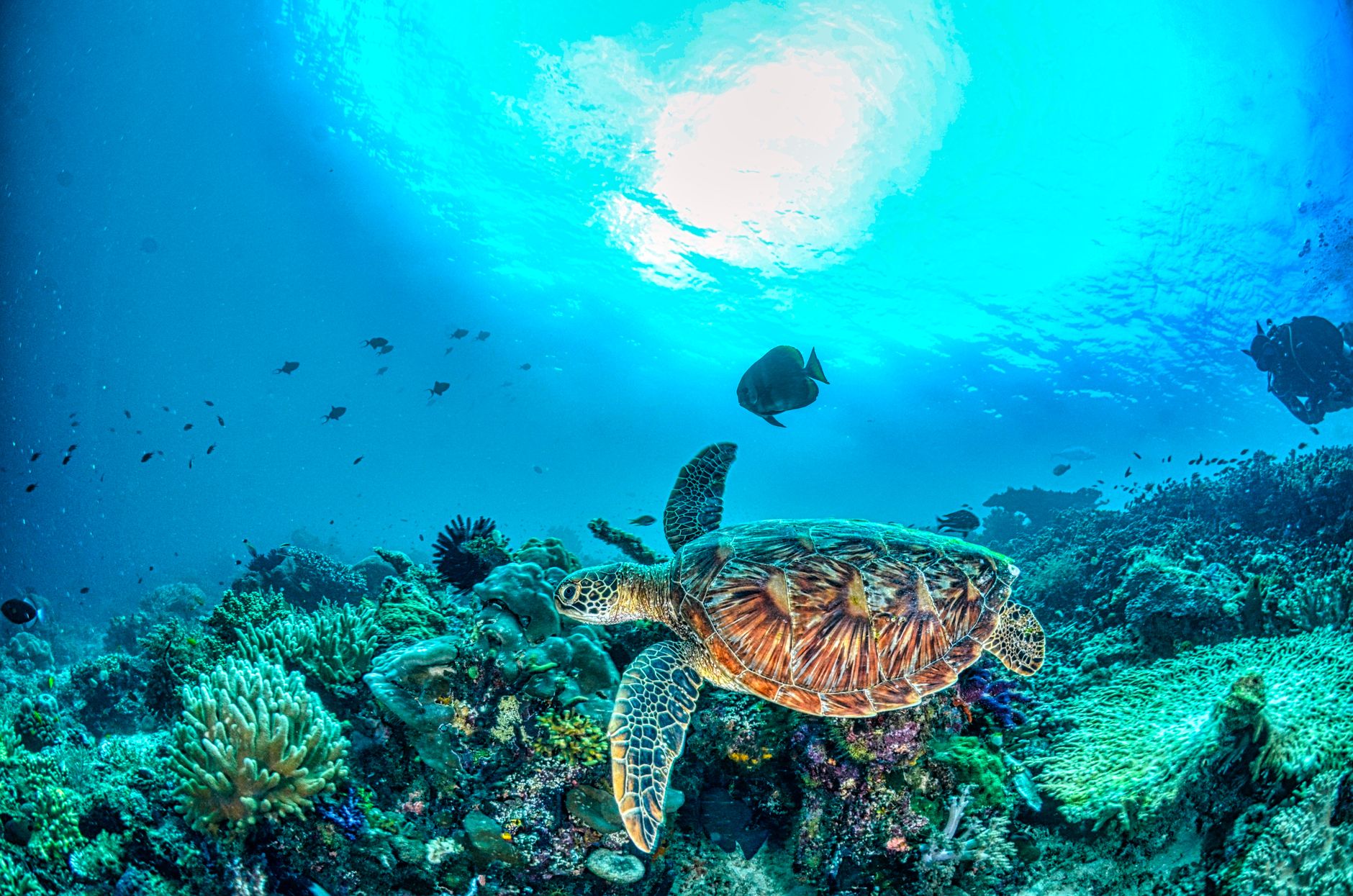
Forget passive beach bumming! This year, dive into
Dive In & Discover: Your Guide to Emerging Marine Protected Areas Offering Citizen Science This Year!
I stepped off the small ferry onto the sun-drenched dock, the air thick with the briny kiss of the sea and the faint, sweet scent of blooming hibiscus. The rhythmic lapping of waves against weathered wood was a soothing balm, a stark contrast to the city's relentless hum. Ahead, the turquoise water shimmered, hinting at the vibrant world teeming beneath its surface. This wasn't just another pretty coastline; this was my gateway to becoming a guardian of the ocean, a citizen scientist embarking on a mission to protect this pristine corner of the planet. And guess what? This year, you can too.
The world of marine conservation is buzzing with exciting new initiatives, opening doors for passionate travelers like us to contribute meaningfully. Forget dusty textbooks; we're talking about hands-on exploration, real-time data collection, and the profound satisfaction of knowing you're making a tangible difference. This isn't just travel; it's transformative travel.
The Rise of the Eco-Conscious Explorer: Why Citizen Science is the Next Big Thing
For too long, marine protected areas (MPAs) have been viewed primarily as places of passive admiration. But a seismic shift is underway. Scientists, conservationists, and local communities are realizing the immense power of everyday individuals to contribute to vital research. Imagine spotting a rare sea turtle and knowing exactly how to log its sighting, or helping to monitor the health of a coral reef with nothing more than a dive mask and a waterproof notepad. This is the essence of citizen science in MPAs – democratizing conservation and turning curious travelers into active participants.
This year, we're seeing a surge in emerging citizen science projects within these protected zones. These aren't the old, established programs (though those are still fantastic!); these are the fresh, innovative initiatives that are just hitting their stride, offering unique opportunities for early involvement and discovery.
What Exactly is Citizen Science in MPAs?
At its core, citizen science in marine protected areas involves the public actively participating in scientific research. This can range from simple observation and data recording to more involved tasks like deploying monitoring equipment or assisting with species identification. The data collected by citizen scientists is invaluable, helping researchers understand population dynamics, track environmental changes, and inform management decisions.
Pro-Tip: Look for programs that offer clear training and support. A good citizen science initiative will empower you with the knowledge and tools you need to contribute accurately.
Spotlight on Innovation: Emerging MPAs Leading the Charge
The beauty of these emerging initiatives lies in their fresh perspectives and often, their focus on lesser-known but ecologically significant areas. While established MPAs are crucial, these new frontiers offer a chance to be part of something truly groundbreaking.
1. The Sapphire Coast Initiative, [Fictional Region - e.g., Isla Perdida Archipelago]
This newly designated MPA, nestled in the [Fictional Archipelago Name], is a vibrant tapestry of coral gardens, seagrass meadows, and mangrove forests. For years, local communities have advocated for its protection, and this year marks the launch of their ambitious citizen science program.
What You'll Do:
- Coral Health Monitoring: Dive or snorkel alongside marine biologists to assess coral bleaching, disease prevalence, and species diversity. You’ll learn to use specialized tools to record visual data.
- Seagrass Bed Surveys: Participate in transect surveys to map seagrass extent and health, crucial habitats for dugongs and sea turtles.
- Marine Mammal Spotting: Log sightings of dolphins, whales, and other marine mammals, contributing to migration pattern research.
Insider Lingo: "Don't be surprised if you hear the locals refer to the main reef as 'The Dragon's Breath' – it's known for its vibrant, almost fiery coral formations!"
2. The Emerald Depths Project, [Fictional Region - e.g., Koro Islands]
The Koro Islands, previously an area of intense artisanal fishing, have recently been designated an MPA with a strong community-led conservation ethos. The Emerald Depths Project is their flagship citizen science endeavor, focusing on the incredible biodiversity of their deeper reef systems.
What You'll Do:
- Fish Identification & Abundance: Using underwater slates and field guides, you'll help identify and count fish species on designated dive sites, contributing to long-term population studies.
- Invasive Species Watch: Learn to identify and report any signs of invasive species that could threaten the native ecosystem.
- Benthic Habitat Mapping: Assist in documenting the types of substrate (e.g., sand, rubble, hard coral) in different reef zones.
Pro-Tip: "The best time for visibility here is often right after the monsoon season, usually late April to May. The water is crystal clear, and the currents are calmer."
3. The Whispering Sands Sanctuary, [Fictional Region - e.g., Coastal Dunes of Azuria]
This unique MPA protects not only a significant stretch of coastline but also the delicate dune ecosystems that feed into the marine environment. The Whispering Sands Sanctuary's program focuses on the interconnectedness of these two vital habitats.
What You'll Do:
- Shoreline Bio-Surveys: Walk designated beach transects to record the types and abundance of marine life washed ashore, including stranded animals and interesting invertebrates.
- Dune Vegetation Monitoring: Help map and monitor the health of specialized dune plants, which play a critical role in preventing coastal erosion.
- Water Quality Sampling: Assist in collecting basic water samples at different points along the coast to monitor salinity, temperature, and turbidity.
Authentic Experience: "You'll taste the most incredible grilled fish, marinated in a blend of local herbs and a hint of fermented chili paste. Ask for the 'pescado del mar' – it's a revelation!"
4. The Kelp Forest Keepers, [Fictional Region - e.g., Northern Pacific Coastline]
This rugged, windswept coastline is home to vast, ancient kelp forests, vital nurseries for countless marine species. The Kelp Forest Keepers program is a new initiative seeking to understand the resilience and health of these underwater giants.
What You'll Do:
- Kelp Health Assessments: Dive or snorkel to assess the density, height, and health of kelp fronds. You'll learn to identify different kelp species.
- Invertebrate Surveys: Document the diversity and abundance of invertebrates living within the kelp canopy, such as sea stars, sea urchins, and crustaceans.
- Marine Mammal Observation: Assist in spotting and logging sightings of sea otters, seals, and other marine mammals that frequent the kelp forests.
Pro-Tip: "The early morning light, around 6:30 AM, offers a magical, almost ethereal glow through the kelp. It’s also a great time to spot otters foraging."
Making it Happen: Your Quick Facts Guide
Embarking on a citizen science adventure requires a little planning. Here's what you need to know to get started:
| Feature | Sapphire Coast Initiative (Isla Perdida) | Emerald Depths Project (Koro Islands) | Whispering Sands Sanctuary (Azuria Coast) | Kelp Forest Keepers (N. Pacific Coast) | | :--------------------- | :--------------------------------------- | :------------------------------------ | :---------------------------------------- | :------------------------------------- | | Estimated Cost ($) | $$$ (Flights, accommodation, dive gear rental) | $$ (Budget-friendly guesthouses, local transport) | $$ (Eco-lodges, self-catering options) | $$$ (Coastal rentals, potential boat charters) | | Best Time to Visit | Dry season (May-Oct) | Post-monsoon (Apr-May) | Year-round, but Spring (Mar-May) for peak dune flora | Summer (Jun-Aug) for calmest seas | | How to Get There | International flight to [Fictional Capital], then regional flight and ferry. | International flight to [Fictional Hub City], then small plane or ferry. | International flight to [Fictional Coastal Airport], then car rental or local bus. | International flight to [Fictional Major City], then scenic drive or train. | | Citizen Science Focus | Coral, Seagrass, Mammals | Fish, Invasives, Benthic Habitats | Shoreline, Dunes, Water Quality | Kelp, Invertebrates, Mammals | | Required Skills | Snorkeling/Diving Certification (optional but recommended) | Snorkeling/Diving Certification (optional but recommended) | Willingness to walk, basic observation skills | Snorkeling/Diving Certification (highly recommended) |
Pro-Tip: Many of these initiatives partner with local eco-lodges or conservation organizations. Booking through them can often streamline your logistics and ensure your stay directly supports conservation efforts.
Beyond the Data: The Immersive Experience
Citizen science is about more than just ticking boxes on a data sheet. It's about forging a deep connection with the places you visit and the people who call them home. It's about understanding the intricate web of life and your role within it.
Imagine sharing a meal with a local fisherman who’s now a co-guardian of his ancestral waters, or watching the sunset paint the sky in fiery hues after a day of meaningful work. These are the moments that transform a vacation into a pilgrimage.
Insider Language: "The 'tang of salt' on your skin after a day in the ocean, that's the feeling of truly being alive. And the 'coastal breeze' carrying tales of the sea? That's pure magic."
Your Role in the Blue Revolution
The growth of citizen science in marine protected areas is a testament to our collective desire to protect the planet. This year, you have an unprecedented opportunity to be at the forefront of this movement. Whether you're a seasoned diver or a curious landlubber, there's a role for you.
How to Get Involved:
- Research Specific MPAs: Look for MPAs that have recently launched or expanded their citizen science programs. Websites of conservation NGOs and local tourism boards are excellent starting points.
- Connect with Organizations: Reach out directly to marine research institutions or conservation groups operating in your desired region.
- Be Prepared: Ensure you have the necessary certifications (like PADI for diving) if your chosen program requires them. Pack appropriate gear, including reef-safe sunscreen and reusable water bottles.
- Embrace the Learning Curve: Be open to learning new skills and techniques. The scientists and guides are there to help you succeed.
The ocean is calling, and this year, it’s inviting you to be more than just a visitor. It’s inviting you to be a protector, a scientist, and a vital part of its future. Dive in, make waves, and discover the extraordinary.
More pictures

Tags
Share this guide
We may earn a commission if you click a link and buy a product or service, at no extra cost to you. How affiliate links work.
Been there?