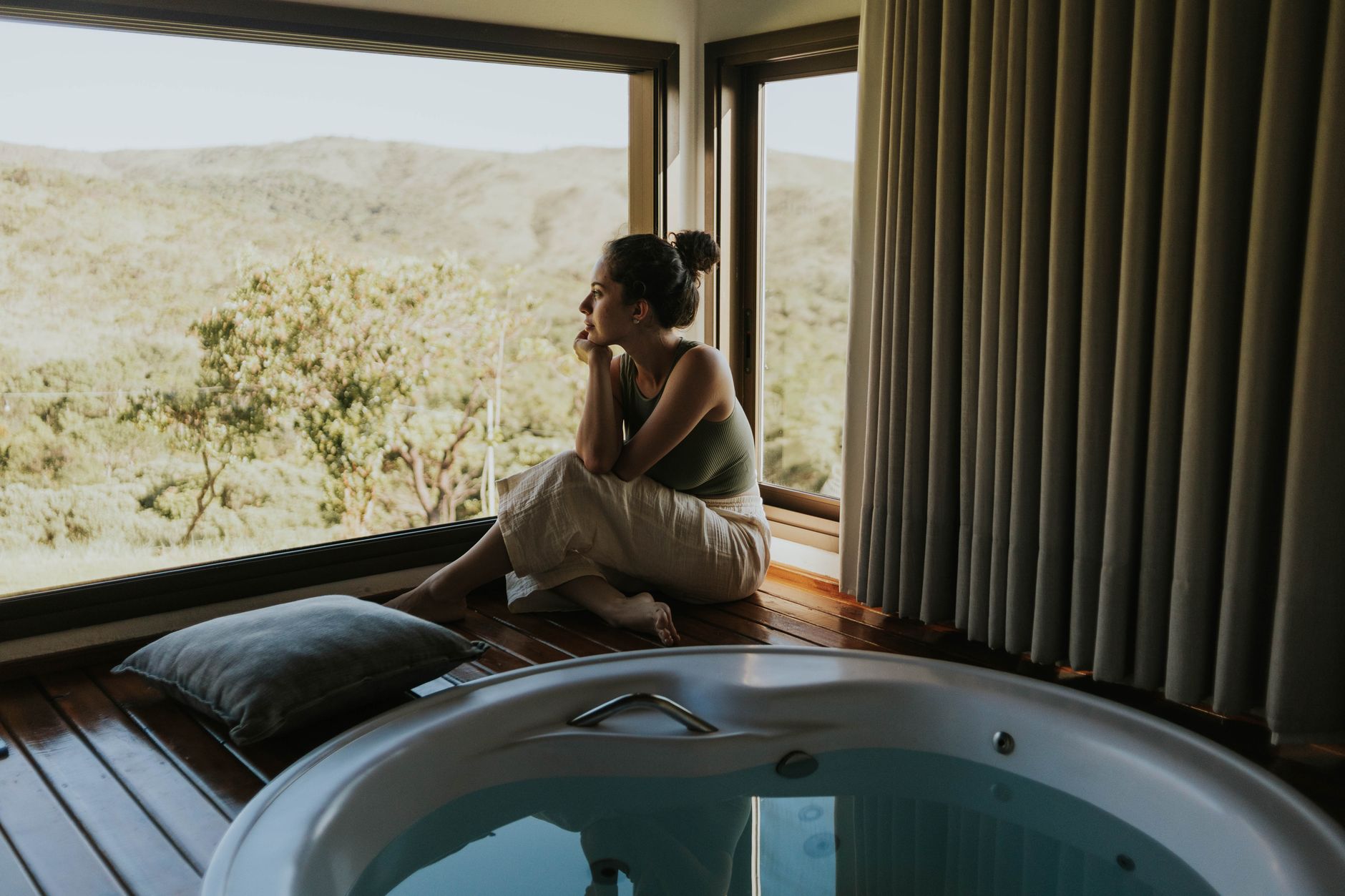
Skip the $300 resort spas. We've uncovered 6 jaw-dropping, architecturally stunning thermal sanctuaries across the globe where entry costs less than a premium pour-over in London or New York. From Tokyo's designer bathhouses to Budapest's hidden Ottoman steam rooms, here is your ultimate guide to champagne wellness on a draft-beer budget. ---
The Confession: Why I Stopped Paying for $300 Hotel Spas
I stepped off the train in Tokyo’s Sumida ward, the chilly evening air carrying the scent of burning binchotan charcoal and damp cedar. My muscles were screaming from a twelve-hour flight, and my lower back felt like it had been fused together by the airline's economy seating.
In my early travel writing days, I would have booked a $300 massage at a five-star hotel spa, convincing myself that luxury required a triple-digit price tag. But tonight, I was heading to a local neighborhood bathhouse that cost exactly 520 JPY—about $3.40 USD.
What I found wasn't a sterile, utilitarian municipal shower. It was a masterpiece of raw concrete, warm hinoki wood, custom-designed ceramic tiles, and ambient lighting that would make a boutique design hotel jealous. As I sank into a carbonated bath of silky, skin-softening water, listening to the gentle hum of vinyl records spinning at the reception desk, I had a revelation: the world’s best wellness experiences aren't hidden behind five-star hotel paywalls. They are hidden in plain sight, preserved by local bathing cultures, and priced for the public.
Here is my handpicked, field-tested list of luxury spas charging what you pay for coffee worth considering.
---
1. The Designer Sento: Koganeyu (Tokyo, Japan)
``` Cost: 520 JPY (~$3.40 USD) Vibe: Minimalist hipster paradise meets traditional bathhouse ```
Traditional Japanese bathhouses (sento) are heavily subsidized by the government, keeping prices locked at a flat rate nationwide. While many are aging relics, a new wave of architects is transforming them into design-forward sanctuaries. Koganeyu, located near the Tokyo Skytree, is the poster child of this movement.
The Experience
Designed by Schemata Architects, Koganeyu features a striking raw-concrete aesthetic balanced by soft, warm lighting. The bathhouse is split into gendered sides, each featuring three pools of varying temperatures, including a deeply carbonated bath that gently tingles the skin and a jet massage bath.
The water here is softened using advanced filtration, making it feel like liquid silk. After your soak, head to the front desk, which doubles as a craft beer bar spinning classic vinyl records.
- The Architecture: Look closely at the dividing wall between the baths; it features a beautifully hand-painted mural of Mount Fuji rendered in a contemporary, pixelated style.
- The Water: The cold plunge pool here is kept at a shivering 15°C (59°F), fed by a deep-well natural spring. It is the ultimate reset for jet lag.
> Pro-Tip: Koganeyu is incredibly popular with local creatives. Visit at 3:00 PM on a Tuesday—right when they open—to secure a spot before the post-work rush. The hidden entrance is marked by a simple, elegant navy blue noren curtain with a minimalist hot spring icon.
---
2. The Secret Ottoman Relic: Veli Bej Baths (Budapest, Hungary)
``` Cost: 3,500 HUF (~$9.50 USD) for a 3-hour ticket Vibe: Moody, medieval, and deeply historic ```
While tourists queue for hours and pay upwards of $40 to squeeze into the crowded pools of Széchenyi or Gellért, clued-in locals head to Veli Bej. Tucked away inside a modern hospital complex, this is the oldest and arguably most beautiful Turkish bath in Budapest.
The Experience
Built in 1574 by Sokollu Mustafa Pasha, Veli Bej has been meticulously restored to its 16th-century glory. The centerpiece is a classic octagonal pool beneath a massive brick dome. Tiny, star-shaped skylights pierce the ceiling, casting dramatic shafts of dusty light through the rising steam.
The water here is rich in calcium, magnesium, and hydrogen carbonate, bubbling up naturally from thermal springs right beneath the pool floor. It smells faintly of sulfur—the true mark of therapeutic thermal water—and works wonders on joint pain.
- The Layout: Surrounding the central octagonal pool are four smaller thermal pools of varying temperatures (ranging from 30°C to 40°C), a steam bath, and a Finnish sauna.
- The Atmosphere: Unlike the party-centric Széchenyi, Veli Bej enforces a strict policy of quiet relaxation. It is a place for contemplation, not taking selfies.
> Pro-Tip: The entrance is notoriously tricky to find. Walk through the main gates of the Betegápoló Rend Kórház (hospital) on Frankel Leó út. Follow the signs for "Császár-Komjádi Uszoda" and look for the glass-walled building that connects the modern clinic to the ancient stone domes.
---
3. The Imperial Sulfur Sanctuary: Bathhouse No. 5 (Tbilisi, Georgia)
``` Cost: 15 GEL (~$5.50 USD) for public hall entry Vibe: Subterranean brick vaulting and intense physical restoration ```
In the heart of Tbilisi’s Abanotubani district, dome-shaped brick roofs rise from the ground like giant stone beehives. These are the famous sulfur baths, fed by hot springs that have bubbled beneath the city for millennia. While private rooms can get pricey, the public halls of Bathhouse No. 5 offer an incredibly authentic, high-end thermal experience for pennies.
The Experience
Stepping into the public men's or women's hall of Bathhouse No. 5 feels like entering an ancient Roman vault. The walls are lined with local gray marble, and the air is thick with the heavy, egg-like scent of natural sulfur.
The thermal waters here emerge from the earth at a piping hot 40°C (104°F). The high mineral content is legendary for curing skin conditions and boosting circulation.
- The Kisa Scrub: You cannot leave without getting a traditional kisa scrub. For an extra 20 GEL (~$7.40 USD), a burly bath attendant will douse you in warm water, scrub every inch of your body with a coarse black mitt, and wrap you in a cloud of olive-oil soap suds. You will lose three layers of dead skin and emerge feeling like a newborn seal.
- The Architecture: Take a moment to admire the soaring brick arches and the central light wells that let the blue Georgian sky peer into the steam-filled chambers.
> Pro-Tip: Bring your own rubber flip-flops, a towel, and a bar of soap. While you can rent them at the counter, having your own gear saves you money and marks you as an experienced traveler rather than a lost tourist.
---
4. The 24-Hour Clay & Jade Palace: Spa Rex (Seoul, South Korea)
``` Cost: 12,000 KRW (~$9.00 USD) for daytime entry Vibe: Subterranean wellness village that never sleeps ```
South Korea’s jjimjilbangs (bathhouses) are a marvel of modern social wellness. For the price of a fancy coffee, you get access to a multi-story playground of hot tubs, cold plunges, themed saunas, and relaxation zones. Spa Rex, located in the Dongdaemun district, offers a surprisingly luxurious Hanok-style aesthetic deep underground.
The Experience
After scrubbing down in the gender-segregated wet areas—which feature mineral baths infused with green tea and ginseng—you slip into a pair of provided cotton pajamas and head to the communal lounge.
The communal area is designed to look like a traditional Korean village, complete with tiled roofs and wooden pillars. Here, you can bake yourself in a variety of therapeutic kiln rooms:
- The Yellow Clay Room: Lined with mineral-rich clay bricks that emit far-infrared heat, perfect for detoxifying.
- The Jade Room: Covered in smooth jade stones, believed to balance the body's energy.
- The Ice Room: A freezing chamber designed to close your pores and tighten the skin after a hot session.
> Pro-Tip: Hungry? Head to the on-site snack bar and order a cup of Sikhye (a sweet, icy fermented rice drink) and a couple of Maekbanseok eggs (slow-cooked in the sauna heat until they develop a nutty, smoky flavor). It is the quintessential Korean spa meal, costing less than $4.
---
5. The Mid-Century Arctic Escape: Kotiharjun Sauna (Helsinki, Finland)
``` Cost: €15.00 (~$16.00 USD) Vibe: Raw, social, and unapologetically classic Finnish ```
In Finland, sauna is not a luxury; it is a basic human right. While modern design saunas along the waterfront charge premium prices, Kotiharjun Sauna in the Kallio district has been warming the souls of working-class Helsinkians since 1928. It is the last remaining wood-fired public sauna in the city.
The Experience
The heart of Kotiharjun is its massive, wood-fired stove (kiuas), which holds several tons of stones. It takes hours to heat up, but the steam (löyly) it produces is incredibly soft, deep, and humid—worlds away from the dry, electric saunas found in western gyms.
The ritual here is simple: heat up until you can’t stand it, throw water on the stones, beat yourself gently with a birch whisk (vihta) to stimulate circulation, and then walk outside in your towel to cool off on the sidewalk.
- The Street Scene: Sitting on the street curb in a towel in sub-zero temperatures, sipping a cold Finnish long drink while chatting with locals, is one of the most liberating travel experiences you can have.
- The Interior: The change rooms feature original mid-century wooden lockers and vintage benches, preserving an era of travel that has largely disappeared.
> Pro-Tip: Buy a fresh birch whisk from the counter for €3. Soak it in warm water before entering the sauna, and tap it against your skin. The heat releases the birch sap, filling the entire sauna room with the scent of a fresh rain-soaked forest.
---
6. The Medina Time Machine: Hammam Mouassine (Marrakech, Morocco)
``` Cost: 10 MAD (~$1.00 USD) for basic entry; 150 MAD (~$15.00 USD) for full scrub service Vibe: 16th-century architectural drama and deep steam ```
Tucked away in the labyrinthine alleys of the Marrakech medina, Hammam Mouassine is a living museum. Built in 1562 alongside the Mouassine Mosque, this public hammam has been operating continuously for nearly five centuries, utilizing a traditional wood-fired underfloor heating system.
The Experience
You enter through a modest, unmarked wooden door into a world of dramatic, vaulted ceilings made of tadelakt—a traditional Moroccan waterproof plaster polished with olive soap. The hammam consists of three main chambers that progressively increase in temperature.
You sit on the warm floor, pouring buckets of heated spring water over your body, letting the high humidity open your pores.
- The Ritual: Apply savon noir (a thick, dark soap made from crushed olives and eucalyptus oil) all over your body. Let it sit for ten minutes to soften the skin before scrubbing it off with a kessa glove.
- The Architecture: Look up at the star-shaped vents carved into the domed ceilings, designed to let steam escape while casting beautiful beams of light into the dark chambers.
``` ⚠️ INSIDER WARNING: This is a highly authentic, local public bath. There are no English signs, and there is no pampering. You will be sitting on the floor alongside locals. If you want a sanitized, Westernized experience, this is not it. If you want true cultural immersion and baby-soft skin, it is unmatched. ```
> Pro-Tip: The hammam is divided by gender and operates on specific schedules. Women and men have separate hours or separate entrances. Always check the daily schedule posted on the outer door before planning your visit.
---
Quick Facts & Budget Comparison
| Destination | Spa Name | Estimated Cost (USD) | Best Time to Visit | How to Get There | | :--- | :--- | :--- | :--- | :--- | | Tokyo, Japan | Koganeyu | $3.40 | Tuesday, 3:00 PM | 6-minute walk from Kinshicho Station (Hanzomon Line) | | Budapest, Hungary | Veli Bej | $9.50 | Weekday mornings (9:00 AM) | Tram 17 or 19 to Szent Lukács Gyógyfürdő | | Tbilisi, Georgia | Bathhouse No. 5 | $5.50 | Daily, 8:00 AM | Walk to Abanotubani district, near the sulfur dome park | | Seoul, South Korea | Spa Rex | $9.00 | Weekdays, late morning | Underneath the Good Morning City Mall, Dongdaemun History & Culture Park Station | | Helsinki, Finland | Kotiharjun Sauna | $16.00 | Thursday evening (locals' night) | Metro to Sörnäinen, then a 5-minute walk | | Marrakech, Morocco | Hammam Mouassine | $1.00 - $15.00 | Mid-afternoon | Walk past the Mouassine Mosque; look for the arched wooden doorway |
---
The Blueprint: How to Find Your Own "Coffee-Priced" Luxury Spas
You don't have to limit yourself to this list. Every country with a rich bathing culture has these hidden gems. Here is my strategy for finding them:
- Search for Municipal and Historic Baths: Look for bathhouses owned by city councils or historic preservation societies. They are often architecturally magnificent but priced for the public.
- Look for the "Locals' Entrance": If a famous bathhouse has a "public" or "communal" section alongside private cabins, always choose the communal side. It is where the authentic culture—and the low prices—reside.
- Translate Your Search Queries: Don't search for "luxury spa" in English. Search for local terms in the native language: Sento (Japan), Hammam (North Africa/Middle East), Jjimjilbang (Korea), Banja (Eastern Europe), or Public Sauna (Scandinavia).
Wellness shouldn't be a luxury reserved for the wealthy. By stepping out of the resort spas and into the communal baths of the world, you don't just save money—you gain an authentic piece of human connection that no five-star hotel can ever sell you.
---
More pictures


Tags
Share this guide
We may earn a commission if you click a link and buy a product or service, at no extra cost to you. How affiliate links work.
Been there?