
If your clients span the globe, certain cities give you a head start. Here is how popular remote-work bases compare for time-zone overlap, plus what else to check before you move.
Choosing a city, not just a zone
Remote workers often talk about time zones in the abstract, but you live in a city. Two places in the same zone can offer very different lives, and a city with slightly less perfect overlap may be the better choice if it has fast internet, a good coworking scene and a visa that allows you to stay.
This guide looks at popular remote-work cities through the lens of one question: how easily can you work with clients in the Americas, Europe and Asia from there? For each, we also note the practical factors that affect daily life.
Time differences below assume standard time and can shift by an hour during daylight saving periods.
Lisbon, Portugal (UTC+0/+1)
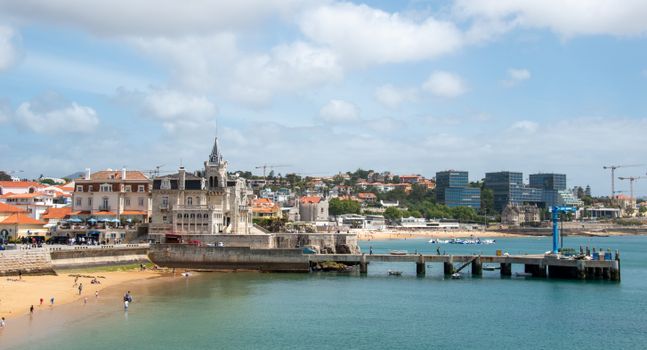
Lisbon is one of the most popular bases for remote workers, and time zone is a big reason. It sits at the western edge of Europe, so a normal working day covers the European morning, the US East Coast late morning and a few hours with the Americas in the afternoon.
- Europe: Same day, little or no adjustment.
- US East Coast: A five-hour difference. You can have your client calls in the afternoon.
- US West Coast: An eight-hour difference, so calls are limited to your evening.
- Asia: Seven or eight hours behind Singapore, so overlap is in your morning.
Practical notes: Lisbon has many coworking spaces, a large expat community and good public transport. Housing has become expensive. Portugal has offered visas aimed at remote workers, but rules change, so check the official government site.
Dubai, United Arab Emirates (UTC+4)
Dubai sits between Europe and Asia and is well placed for working with India, the Middle East and Europe.
- Europe: Two to three hours ahead of Western Europe, so overlap is generous.
- India: Only 1.5 hours behind, so easy coordination.
- Singapore and Hong Kong: Four hours behind, so overlap is in your morning.
- US East Coast: Eight to nine hours ahead, so you meet in your late afternoon and evening.
Practical notes: Dubai offers modern infrastructure, strong internet and a remote work visa option. Summers are extremely hot, and the cost of living, especially housing, can be high.
Mexico City, Mexico (UTC-6)
Mexico City is a natural base for anyone working with US clients, because it shares nearly the same time zone as Chicago.
- US: Excellent overlap, whichever coast you serve.
- Europe: Six to eight hours behind, so you can meet European clients in the morning.
- Asia: Difficult, with a 13 to 14 hour difference.
Practical notes: The city has a large community of remote workers, lively neighbourhoods such as Roma and Condesa, and a wide range of coworking spaces. Altitude can affect sleep at first, and air quality varies.
Bangkok and Chiang Mai, Thailand (UTC+7)
Thailand has been a nomad favourite for years, with low costs and a huge community.
- Asia-Pacific: Excellent.
- Europe: Five to six hours ahead of Central Europe, so overlap is in your afternoon and evening.
- US: Very difficult. You will need to work at night for US clients.
Practical notes: Internet is generally reliable in cities, coworking spaces are plentiful, and food and accommodation are affordable. Visa rules for long stays and remote work change, so check them.
Tbilisi, Georgia (UTC+4)
Tbilisi has attracted remote workers with a low cost of living, a long stay allowance for many nationalities and a lively cultural scene. It shares a time zone with Dubai.
- Europe: Good overlap.
- Asia: Reasonable, particularly for India and Central Asia.
- US East Coast: Eight to nine hours ahead, so calls are in your evening.
Practical notes: The city has coworking spaces, cafes with decent internet and an active community. Check visa rules before you go.
Medellín and Bogotá, Colombia (UTC-5)
Colombia's major cities offer pleasant weather (especially Medellín) and a time zone close to the US East Coast.
- US East Coast: Same time zone in winter.
- Europe: Five to six hours behind, so you meet in the morning.
- Asia: Twelve or thirteen hours difference.
Practical notes: Colombia has introduced remote work visas, and there is a large community of expats and remote workers. Check security advice for specific neighbourhoods.
Tallinn, Estonia (UTC+2/+3)
Tallinn is a good base for Europe and the Middle East, with strong digital infrastructure.
- Europe: Excellent.
- India: About three hours apart.
- US East Coast: Seven hours ahead, so overlap is in your afternoon.
Practical notes: Estonia has a digital nomad visa and is known for efficient e-services. Winters are dark and cold.
Canary Islands, Spain (UTC+0/+1)
Las Palmas on Gran Canaria and other islands combine mild weather, good internet and Atlantic time.
- Europe: Almost the same as London.
- US East Coast: Five hours ahead.
- Asia: Seven to eight hours behind.
Practical notes: The islands have a strong remote-work community, direct flights to many European cities and mild winters.
Quick comparison
- Best for US clients: Mexico City, Medellín, Bogotá.
- Best for Europe plus US East Coast: Lisbon, the Canary Islands, Madeira.
- Best for Europe, Middle East and India: Dubai, Tbilisi, Istanbul.
- Best for Asia-Pacific: Bangkok, Chiang Mai, Singapore, Bali.
What else to check before you move
- Internet speed and reliability. Ask your accommodation for a speed test, and have a backup connection such as an eSIM.
- Visa and work rules. A tourist visa often does not allow remote work.
- Taxes. Spending long periods in one country can create tax obligations. Seek advice.
- Cost of living. Compare rent and daily costs.
- Healthcare and insurance.
- Community. Coworking spaces and meet-ups can make a new place feel like home.
- Safety and quality of life.
Making your day work
Whichever city you choose, structure your schedule to suit overlap hours. Put meetings in the shared window, protect deep work in the quiet hours, and use asynchronous tools for the rest.
If you work with several continents, accept that you may need a split day. Many remote workers in Western Europe, for example, work in the morning, take a long break, then return for afternoon and evening calls.
Frequently asked questions
Is it better to live closer to my clients or in a cheap city? It depends on your priorities. A cheaper place may save money, but poor overlap can hurt your work and wellbeing. Try to balance cost and schedule.
Can I change cities if the overlap does not work? Yes. Many remote workers test a city for a month before committing. Look for short-term rentals so you can move easily.
What if I need to attend an occasional meeting at an odd hour? That is usually fine. The problem is regular, long-term disruption to sleep.
Summary
The right city for you is the one that gives you enough overlap with your clients, reliable internet, a legal right to stay and a life you enjoy. Make a shortlist, compare overlap and costs, and try before you commit. Visa rules, prices and internet quality change, so confirm current details with official and local sources.
More pictures




Tags
Share this guide
We may earn a commission if you click a link and buy a product or service, at no extra cost to you. How affiliate links work.
Been there?