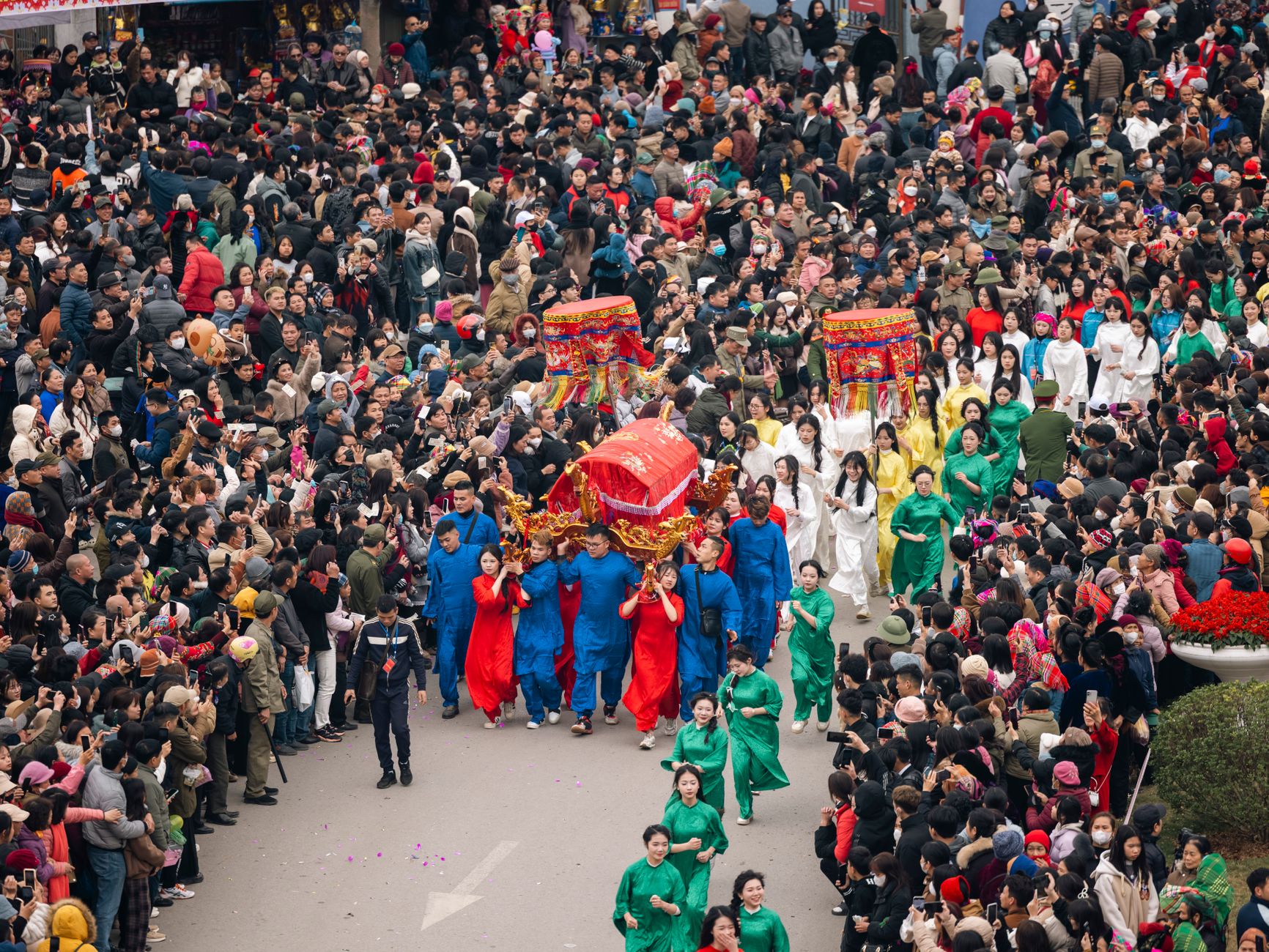
Ever wonder what makes a local truly tick? Beyond the guidebooks and common advice, there's a secret language of local customs that can unlock a deeper, more authentic travel experience. We're diving into the surprising nuances locals often keep to themselves, revealing the subtle etiquette that will transform you from a mere visitor to a respected insider. ---
Unlocking the Unspoken: Local Customs Locals Don't Want Tourists To Know (But You Need To!)
I still cringe thinking about my first trip to Rome. Picture this: I’m in a bustling trattoria, feeling incredibly pleased with myself for ordering a cappuccino after lunch, just like I would at home. The waiter, a kindly older man, gave me a look I couldn't quite decipher – a mix of amusement, bewilderment, and perhaps a touch of pity. It wasn't until a local friend gently clued me in later that I realized my innocent coffee choice was a major cultural faux pas. In Italy, a cappuccino after 11 AM is practically sacrilege!
That moment sparked a realization that has shaped my travels ever since: the true magic of exploring a new place isn't just seeing the sights, it's understanding the unspoken rules, the subtle nuances, and the hidden customs that locals live by. These aren't secrets kept out of malice, but rather traditions so ingrained they rarely need explaining. Yet, learning them can elevate your trip from a surface-level visit to a deeply enriching, respectful, and genuinely authentic experience.
Today, we're diving deep into the fascinating world of these 'secret' local customs. I'm going to share some of my hard-won lessons, revealing the surprising etiquette that will help you blend in, earn respect, and truly connect with the heart of your destination. Get ready to ditch the tourist label and become a savvy, culturally sensitive explorer!
1. Japan: The Sacred Silence of Public Transport & The Art of the Slurp
My first ride on the Shinkansen (bullet train) in Japan was an exercise in awe and slight anxiety. The train was packed, yet the silence was profound – a stark contrast to the lively chatter of trains back home. I saw a tourist loudly chatting on their phone, completely oblivious, and the subtle shifts in expression from the Japanese passengers around them spoke volumes.
The Unspoken Rule: In Japan, public transport – especially trains and buses – is a sanctuary of silence. Locals rarely speak loudly, make phone calls, or play music without headphones. Even conversations are kept hushed. This extends to priority seats; while marked, locals often avoid them unless truly needed, out of deference to those who might need them more.
My Anecdote: I once witnessed a young Japanese man, clearly tired after a long day, stand for an hour rather than take an empty priority seat. When an elderly woman eventually boarded, he instantly offered it, a silent exchange of respect. It taught me that while rules are important, the spirit behind them – consideration for others – is paramount.
Practical Tips:
- Silence is Golden: Keep conversations hushed, use headphones for music/videos, and avoid phone calls altogether on public transport. If you must take a call, step off at the next station or wait until you reach your destination.
- Priority Seats: Only use them if you genuinely need to, and always be ready to offer them to the elderly, pregnant, or those with disabilities.
- Dining Nuances: While loud talking in public is a no-no, don't be afraid to slurp your ramen or noodles! It’s a sign of enjoyment and appreciation for the chef. Just keep general restaurant chatter at a respectful volume.
Instagram-Worthy Moment: A serene shot of a quiet train carriage, or a beautifully presented bowl of ramen with chopsticks mid-slurp (capture the steam!).
2. Italy: The Sacred Ritual of Coffee & The Aperitivo Code
Ah, Italy, the land of passion, pasta, and perplexing coffee rules. As my Roman blunder taught me, the Italian approach to coffee is less about a beverage and more about a deeply ingrained cultural ritual.
The Unspoken Rule: Cappuccinos are strictly a morning drink, consumed only with breakfast. After 11 AM, it's espresso time. Ordering a milky coffee after a meal is akin to asking for a steak for breakfast. Also, water is rarely served automatically; you'll usually be asked if you want "acqua naturale" (still) or "acqua frizzante" (sparkling), and it's almost always bottled and paid for.
My Anecdote: I was once at a small bar in Florence, watching a group of tourists order lattes with their pasta. The barista, a wonderfully expressive man, simply sighed and then delivered the drinks with a theatrical shrug. He didn't say anything, but his face told a story of deep, ancestral disapproval. Learning to order a "caffè" (espresso) at the counter, drink it quickly, and move on made me feel like I’d unlocked a secret level of Italian life.
Practical Tips:
- Coffee Etiquette: Cappuccino, latte, or any milky coffee is for breakfast only. After 11 AM, order an "espresso" (a single shot), "caffè macchiato" (espresso with a dash of milk), or "caffè americano" (espresso with hot water).
- Water Wisdom: When dining, be prepared to order bottled water. Don't expect tap water unless specified.
- Aperitivo Hour: This pre-dinner ritual (usually 6-8 PM) is not just about drinks; it's often accompanied by complimentary snacks (olives, crisps, small bites). Don't expect a full meal, but do enjoy the social aspect. It's a great way to experience local life without breaking the bank (a spritz might cost €8-12, but includes delicious snacks!).
Instagram-Worthy Moment: A perfectly foamy cappuccino next to a cornetto in a sunlit Italian bar (before 11 AM!), or a vibrant Aperol Spritz with a plate of olives during aperitivo.
3. Thailand: Beyond the Wai – Head, Feet, and the Art of Subtle Respect
Thailand is known as the "Land of Smiles," and its people are incredibly warm. However, beneath the surface of friendliness lies a deeply hierarchical culture with specific rules of respect that often go unsaid.
The Unspoken Rule: The head is considered the most sacred part of the body, and the feet the lowest and dirtiest. This translates into subtle but crucial etiquette. Never touch someone’s head, even playfully. Never point your feet at anyone, a Buddha image, or even a doorway. When sitting, avoid pointing your feet towards others, especially elders or monks. Removing shoes before entering homes, temples, and even some shops is also non-negotiable.
My Anecdote: I was exploring a bustling market in Chiang Mai, captivated by a street artist. Without thinking, I gestured over his shoulder to point out something to my friend. My Thai guide subtly intercepted my hand, then later explained the profound disrespect of touching or pointing over someone's head. It was a gentle correction that stuck with me.
Practical Tips:
- Head High, Feet Low: Never touch someone’s head (even a child's). Always keep your feet pointed away from people, religious images, and doors. When sitting on the floor, tuck your feet beneath you or to the side.
- Shoe Savvy: Always remove your shoes before entering temples, homes, and sometimes guesthouses or shops. Look for piles of shoes outside as your cue.
- The Wai Nuance: While many tourists learn the wai (the prayer-like gesture), the height of your hands and the depth of your bow convey different levels of respect. Generally, hands at chest level for peers, chin level for elders, and nose/forehead level for monks or royalty. Don't wai children or service staff unless they initiate it.
Instagram-Worthy Moment: A respectful shot of a temple entrance with neatly arranged shoes, or a beautiful offering at a shrine.
4. France: The Boulangerie Ballet & The Café Code of Conduct
France, particularly Paris, has a reputation for being chic and a little intimidating. But often, it's just a misunderstanding of their very specific, very logical (to them) social codes. My first time in a Parisian boulangerie was a dizzying experience.
The Unspoken Rule: In a French boulangerie, you do not touch the bread. The baguette, croissant, or pain au chocolat you're eyeing will be selected and bagged by the baker or shop assistant. Also, in cafés, don't linger for hours over a single espresso, especially during peak times. The table is for consumption, not an office.
My Anecdote: I remember reaching for a particularly crusty baguette in a small bakery near Le Marais, only to have the stern-faced baker gently swat my hand away with a polite "Non, monsieur!" I quickly learned that touching the bread is a hygiene no-no. It made perfect sense once explained, but was a surprising cultural hurdle for a self-service-accustomed tourist.
Practical Tips:
- Boulangerie Protocol: Wait your turn, and when it’s your time, tell the staff exactly what you want. They will pick it up with tongs or a gloved hand. Don't touch! And don't forget to say "Bonjour" and "Merci."
- Café Courtesy: If you're just having a quick coffee, drink it at the counter (it's often cheaper!). If you take a table, order more than just water if you plan to stay a while. When you’re ready to leave, catch the waiter's eye and say "L'addition, s'il vous plaît" (the bill, please). They won’t bring it until you ask.
- Small Talk: A simple "Bonjour" when entering any shop or establishment, and "Au revoir" when leaving, goes a long way. It's a fundamental courtesy.
Instagram-Worthy Moment: A perfectly golden croissant or baguette artfully displayed (untouched!) in a boulangerie window, or a classic Parisian café scene with a small espresso cup.
5. Mexico: The Art of the Soft 'No' & Haggling with Heart
Mexico is vibrant, colorful, and incredibly warm. But navigating social interactions, especially when it comes to saying no or bargaining, requires a touch more finesse than blunt honesty.
The Unspoken Rule: Direct refusal or a flat "no" can sometimes be perceived as rude or confrontational. Mexicans often employ a "soft no" – a polite deflection, a promise to consider, or a vague future commitment rather than an outright rejection. This also extends to bargaining in markets; it's an art form, not a battle.
My Anecdote: I was once offered a tour by a persistent vendor in Cancún. My initial, polite "no, thank you" wasn't enough. It wasn't until a local friend whispered to me to say "Quizás mañana" (maybe tomorrow) or "Lo pensaré" (I'll think about it) with a friendly smile that the vendor finally moved on, satisfied that I hadn't completely shut him down. It taught me the importance of maintaining harmony in interactions.
Practical Tips:
- Graceful Refusal: Instead of a blunt "no," try phrases like "Gracias, pero estoy bien" (Thanks, but I'm fine), "Lo pensaré" (I'll think about it), or "Quizás en otro momento" (Maybe another time), always with a friendly smile.
- Haggling with Respect: In markets, bargaining is expected and part of the fun. Start by offering about 50-60% of the asking price, and then slowly negotiate up. Do it with a smile, be friendly, and don't be aggressive. If you can't agree on a price, a polite "Muchas gracias, pero no" and walking away often works. Remember, it's about the interaction as much as the price.
- Time Fluidity: The concept of "mañana" (tomorrow) can sometimes mean "not today" or "eventually." Don't expect strict punctuality for social engagements; patience is key.
Instagram-Worthy Moment: A vibrant market scene with a friendly interaction between a vendor and a traveler, or a colorful street food stall with people enjoying the atmosphere.
6. India: The Left Hand Taboo & The Power of the Nod
India is a sensory explosion, a land of ancient traditions and profound hospitality. But its customs, particularly around cleanliness and communication, are deeply rooted and can be a source of confusion for the uninitiated.
The Unspoken Rule: The left hand is traditionally considered impure, reserved for personal hygiene. It should never be used for eating, passing food, shaking hands, giving or receiving money, or touching anything considered sacred. Additionally, communication often involves subtle head movements that can be misinterpreted.
My Anecdote: My first time sharing a meal in a small guesthouse in Rajasthan, I instinctively reached for a piece of naan with my left hand. My host's eyes widened, and he quickly, but gently, guided my right hand forward. He explained the tradition, and I was so grateful for his patience. It was a simple correction that prevented further offense.
Practical Tips:
- Right Hand Rule: Always use your right hand for eating, passing items, giving/receiving money, and shaking hands. Keep your left hand to yourself.
- The Indian Head Wobble: This unique head gesture can mean "yes," "I understand," "okay," or "I'm listening." It's not a "no." Pay attention to context and body language. If in doubt, ask for verbal confirmation.
- Foot Focus: Similar to Thailand, feet are considered impure. Avoid pointing your feet at people or religious objects. When sitting, try to keep your feet tucked under you.
- Dress Code: While not always a 'secret,' dressing modestly (shoulders and knees covered, especially for women) is a sign of respect, particularly in religious sites and rural areas.
Instagram-Worthy Moment: A close-up of beautifully spiced food being eaten respectfully with the right hand, or a vibrant street scene where subtle interactions are happening.
Embracing the Unspoken: Your Passport to Deeper Travel
Learning these 'secret' local customs isn't about rigid adherence or fear of making mistakes. It's about demonstrating respect, fostering connection, and enriching your own travel experience. It’s about understanding that every culture has its own intricate dance, and learning a few steps can transform you from an observer to a participant.
These are just a few of the countless unspoken rules that make each destination unique. The best way to uncover them? Observe, ask (politely!), and be open to learning. Chat with locals, watch how they interact, and don't be afraid to make a small mistake – often, your effort to understand will be appreciated far more than perfect execution.
So, on your next adventure, go beyond the guidebooks. Look for the subtle cues, listen to the quiet rhythms, and embrace the beautiful complexities of local life. You'll not only avoid those awkward moments but also unlock a deeper, more authentic journey that will stay with you long after you've returned home.
What 'secret' local customs have you discovered on your travels? Share your stories and tips in the comments below! Let's help each other become the most respectful and savvy travelers out there.
---
More pictures

Tags
Share this guide
We may earn a commission if you click a link and buy a product or service, at no extra cost to you. How affiliate links work.
Been there?