
Forget basic glamping – imagine drifting to sleep with the symphony of the jungle beneath you, high in the canopy. These incredible jungle treks offer an unparalleled overnight experience, a chance to truly connect with nature before the crowds descend. Discover where to find these hidden gems and how to embark on your own aerial adventure.
The first time I heard the jungle truly wake up, I wasn't on the ground, peering through dense foliage. I was suspended 60 feet above it, cocooned in a simple, weather-resistant tree tent, the vibrant tapestry of the Amazon stretching out beneath me like an endless, emerald duvet. The pre-dawn darkness was still absolute, but the air was alive – a chorus of howler monkeys, the chirps of unseen birds, the rustle of leaves, and the distant roar of a jaguar. It wasn't just a sound; it was a feeling, a vibration that hummed through the ropes holding my temporary home. That night, high above the forest floor, I didn't just sleep; I became part of the jungle, a fleeting, silent observer in its ancient, wild rhythm.
And that, my friends, is the magic of a jungle canopy trek where you actually sleep in the trees. This isn't your average treehouse hotel, nor is it a simple hike. This is an immersive, raw, and utterly unforgettable experience that puts you directly into the heart of the rainforest, offering a perspective few ever get to witness. But here's the kicker: these experiences, while growing, are still very much off the mainstream radar. They're for the adventurous, the curious, the ones who crave a story that goes beyond the typical Instagram feed. And trust me, you want to experience them now, before the secret gets out and these pristine aerial sanctuaries become another checkbox on everyone's bucket list.
Why the Canopy? The Unrivaled Magic of Sleeping Among the Trees
Why trade a comfortable lodge bed for a suspended platform or a fabric tent high in the air? Because the jungle, my friends, is a multi-layered world, and the canopy is its most vibrant, least explored realm.
A Symphony of the Senses: Imagine the humid air, thick with the scent of damp earth and blooming orchids. The constant hum of insects, punctuated by the calls of exotic birds and the rustle of unseen creatures. From the canopy, these sounds aren't just background noise; they're an enveloping concert. You hear the delicate patter of rain on leaves above and below you, the whisper of the wind through ancient branches, and the distinct, close calls of nocturnal animals that typically remain hidden from ground-level observers. It's an auditory feast that lulls you into a primal state of relaxation.
A Perspective Shift Like No Other: We spend our lives on the ground, looking up. Sleeping in the canopy flips that entirely. You're looking down at the forest floor, across a sea of green, and up at a ceiling of stars unobscured by light pollution. This elevated vantage point offers a profound sense of scale and interconnectedness. You see how the canopy forms a continuous, living roof, a highway for monkeys, sloths, and countless bird species. It’s humbling, exhilarating, and profoundly beautiful.
Exclusive Wildlife Encounters: Many jungle creatures are arboreal, meaning they live their lives in the trees. From the canopy, your chances of spotting a sloth slowly traversing a branch, a family of monkeys foraging for fruit, or even a rare bird species are significantly higher. Nocturnal animals, too, become more accessible. On my Amazon trek, I woke to the distinct silhouette of a Spectacled Owl perched just meters from my platform, its eyes glowing in my headlamp beam – a moment I'll never forget.
The Rise of the Aerial Adventure: What Exactly is a Canopy Sleep?
So, what does "sleeping in the canopy" actually entail? It's not a one-size-fits-all experience, but generally, it involves a guided multi-day trek that culminates in an overnight stay (or several nights) high in the trees.
Tree Tents & Portaledges: These are often the most adventurous options. Tree tents are essentially robust, triangular hammocks with a waterproof cover, suspended by ropes between three trees. Portaledges are similar, originally designed for big-wall climbers, offering a flat platform suspended from a single anchor point. Both provide a surprisingly comfortable and secure night's sleep, swaying gently with the breeze.
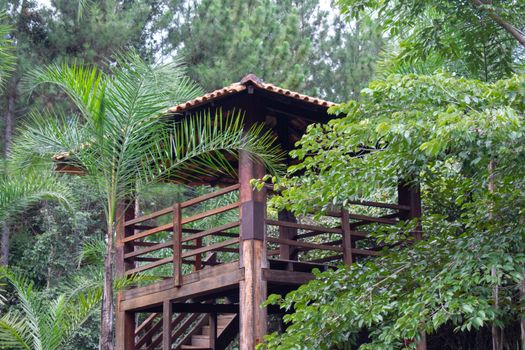
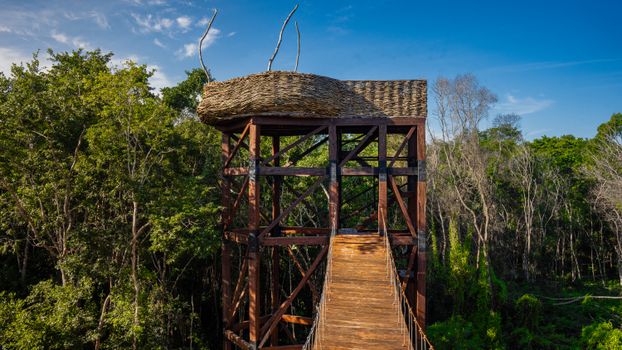
Canopy Platforms: Some eco-lodges or dedicated tour operators build semi-permanent platforms high in the trees. These might be open-air with mosquito nets, or simple, rustic shelters. They offer a bit more space and stability than a tree tent and often come with basic amenities like a small composting toilet nearby.
Rope & Harness Ascents: To reach these lofty sleeping spots, you'll typically use a combination of hiking, rappelling, and sometimes even ascenders and harnesses to climb fixed ropes. Don't worry, reputable operators provide extensive safety briefings and expert guides who handle all the technical aspects. You're always secured, and the focus is on a safe, enjoyable ascent.
The key is that these aren't luxury resorts. They're about raw immersion, minimal impact, and an authentic connection to nature. Expect rustic, expect basic, and expect to be blown away.
My Top Picks: Hidden Gems for Your Canopy Climb
While the concept is gaining traction, truly authentic canopy sleep experiences are still found in specific, often remote, locations. Here are a few places where you can find these incredible adventures:
1. Borneo (Malaysia & Indonesia): A Primate Paradise Above the Trees
- Why it's special: Borneo is a biodiversity hotspot, home to orangutans, pygmy elephants, clouded leopards, and an incredible array of birds. Sleeping in its ancient rainforest canopy offers an unparalleled chance to witness these creatures in their natural habitat.
- Where to go:
- Danum Valley Conservation Area, Sabah, Malaysian Borneo: This is arguably the holy grail. The Borneo Rainforest Lodge offers luxury, but for a true canopy sleep, look for specialized tours that arrange overnight stays on observation platforms within the reserve, often through scientific research stations or dedicated eco-tour operators. These are highly regulated and often require permits.
- Tabin Wildlife Reserve, Sabah: Similar to Danum, but slightly less remote, Tabin offers opportunities for guided treks and sometimes features basic canopy platforms.
- What to expect: Expect dense jungle, high humidity, and incredible wildlife. Treks can be challenging but rewarding. Guides are often local experts with an encyclopedic knowledge of the flora and fauna.
- Cost & Duration: A multi-day trek (3-5 days) with a canopy sleep component in Borneo can range from $800 - $2,000+ USD, depending on the level of comfort, remoteness, and inclusions. Book well in advance!
- My Experience: I spent a night on a simple platform overlooking the Segama River in Tabin. The highlight was waking to the guttural calls of orangutans swinging through the trees nearby, a sight that still gives me goosebumps. It felt like I was in a nature documentary.
2. The Amazon Rainforest (Peru & Ecuador): The World's Lungs from Above
- Why it's special: The sheer scale and biodiversity of the Amazon are unmatched. Canopy sleeping here means being enveloped by the greatest rainforest on Earth, with opportunities to see jaguars, anacondas, countless bird species, and unique riverine wildlife.
- Where to go:
- Tambopata National Reserve, Peru: Several eco-lodges in this region offer canopy towers and platforms. While some are purely for observation, a few, like the Heath River Wildlife Center (on the Peru-Bolivia border), offer more immersive canopy overnight options.
- Yasuni National Park, Ecuador: Known for its incredible birdlife and indigenous communities, Yasuni also has select eco-lodges that integrate canopy experiences, sometimes including suspended tents.
- What to expect: Intense heat and humidity, but also incredibly vibrant ecosystems. Many tours involve river travel to reach remote jungle camps.
- Cost & Duration: A 4-7 day Amazon expedition with a canopy sleep can range from $1,000 - $3,500+ USD, varying greatly by country, lodge, and tour operator.
- My Experience: My first canopy sleep, as mentioned in the intro, was in a tree tent near the Heath River. The guides were incredible, teaching us about the medicinal plants and tracking techniques. The sense of isolation and immersion was absolute – a true digital detox!
3. Costa Rica: Sustainable Adventures in the Cloud Forest
- Why it's special: Costa Rica is a pioneer in ecotourism, making it a great choice for those seeking well-established, safe, and sustainable canopy experiences. While famous for zip-lining, some unique lodges offer actual overnight stays high in the trees.
- Where to go:
- Monteverde Cloud Forest: While not strictly "sleeping on a trek," some unique lodges like the Monteverde Cloud Forest Lodge or the Hidden Canopy Treehouses offer incredible treehouse-style accommodations that put you right in the canopy, often with private balconies. For a more adventurous "sleep-out," inquire with local guides about specific platforms.
- Arenal Volcano Region: Similar to Monteverde, lodges like Pacuare River Lodge (though primarily a rafting experience, their remote location and tree-top bungalows offer a similar feel) or other eco-lodges might have unique offerings.
- What to expect: Lush cloud forests, incredible birdwatching (quetzals!), sloths, monkeys, and a strong emphasis on sustainability.
- Cost & Duration: Treehouse stays can range from $200 - $600+ USD per night, while specific guided canopy sleep treks might be harder to find as standalone options but could be integrated into multi-day eco-adventures.
- My Experience: While not a true "trek and sleep," staying in a treehouse at a lodge in Monteverde gave me a taste of that elevated perspective. Waking up to the mist rolling through the cloud forest, eye-level with hummingbirds, was pure magic.
4. Belize: Mayan History Meets Jungle Heights
- Why it's special: Belize offers a unique blend of ancient Mayan history, incredible cave systems, and vibrant rainforests. Canopy experiences here often combine cultural immersion with adventure.
- Where to go:
- Cayo District: This region is known for its dense jungle and proximity to Mayan ruins. Look for eco-lodges and tour operators in areas like San Ignacio. Some lodges, like Chaa Creek or Black Rock Lodge, offer luxury treehouses, but for a more rugged experience, inquire about specific guided "jungle survival" or "canopy camping" tours.
- What to expect: A mix of jungle trekking, river activities, and potentially exploring ancient sites. The wildlife is abundant, though perhaps less overtly "primate-focused" than Borneo or the Amazon.
- Cost & Duration: Multi-day tours that incorporate unique jungle stays (which might include a canopy element) can range from $700 - $1,500+ USD.
- My Experience: I did a multi-day trek through the Cayo District that involved a night in an open-air platform near a waterfall. The sound of the rushing water combined with the jungle symphony was incredibly soothing, and the stars were mind-blowing.
Planning Your Ascent: Practical Tips for a Seamless Canopy Trek
Ready to ditch the ground and embrace the trees? Here's what you need to know to plan your epic aerial adventure:
- Research, Research, Research: This is not a trip you book on a whim. Look for reputable tour operators specializing in ecotourism and jungle adventures. Check their safety records, guide certifications, and environmental policies. Read reviews on platforms like TripAdvisor, but also seek out niche adventure travel blogs for deeper insights.
- Go Small, Go Local: Opt for smaller, locally-owned operators. They often have the most authentic experiences, highly knowledgeable guides, and a deeper commitment to sustainable practices and community benefit.
- Fitness Level: You don't need to be an Olympic athlete, but a moderate level of fitness is usually required. Expect to hike, climb, and potentially use ropes. If you have any mobility issues or extreme fear of heights, discuss this with the operator beforehand.
- Pack Smart & Light:
- Clothing: Lightweight, quick-drying, long-sleeved shirts and pants (for sun and insect protection). Earthy tones are best for wildlife viewing.
- Footwear: Sturdy, waterproof hiking boots are essential. Bring an extra pair of comfortable sandals or water shoes for camp.
- Essentials: Headlamp (with extra batteries!), high-quality insect repellent (DEET or picaridin recommended), small first-aid kit, personal medications, wide-brimmed hat, sunglasses.
- Gear: Binoculars are a must for spotting wildlife. A waterproof daypack for your essentials. A good camera with a zoom lens (and waterproof protection!).
- Hydration: Reusable water bottle. Many operators provide filtered water.
- Comfort: A lightweight sleeping bag liner can add a layer of comfort and hygiene.
- Safety First: Your guides are experts. Listen to every safety briefing, follow instructions implicitly, and never wander off alone. The jungle is wild, and respect for its power is paramount.
- Embrace the Unplug: Most of these remote locations will have little to no cell service or Wi-Fi. This is a feature, not a bug! Use this opportunity for a true digital detox. Bring a power bank for your camera and headlamp, but otherwise, disconnect and reconnect with nature.
- Leave No Trace: Practice strict leave-no-trace principles. Pack out everything you pack in. Do not disturb wildlife, take souvenirs from the forest, or litter. Support operators committed to conservation.
- Be Prepared for the Elements: Expect heat, humidity, and rain. Embrace it! A good quality lightweight rain jacket is crucial.
The Unforgettable Moments: Beyond Just Sleeping
While the night spent suspended among the trees is the headline act, the entire experience is a tapestry of incredible moments:
- Sunrise from the Canopy: Waking up as the first slivers of light pierce through the dense canopy, painting the leaves in a thousand shades of green. It's a quiet, spiritual moment that truly makes you feel alive.
- Nocturnal Discoveries: Guided night walks, often leading to your canopy sleep spot, reveal a completely different jungle. Tarantulas, tree frogs, scorpions, and nocturnal birds come alive.
- The Power of Silence: Away from civilization, the silence (save for the jungle's own symphony) is profound. It's a rare commodity in our noisy world and incredibly restorative.
- Deepening Connection with Your Guides: Local guides often have generations of knowledge about the forest. Their stories, insights, and tracking skills are an invaluable part of the journey. You'll learn about medicinal plants, animal behaviors, and the delicate balance of the ecosystem.
- The Bragging Rights: Let's be honest, not many people can say they've slept 60 feet up in the Amazon rainforest. This is a story you'll be telling for years, complete with Instagram-worthy photos (if you manage to get reception for a quick share!).
Ethical Considerations & Future-Proofing Your Adventure
The allure of "before mainstream" isn't just about avoiding crowds; it's about preserving the authenticity and ecological integrity of these experiences. As these adventures gain popularity, it's crucial that they develop sustainably.
Choose Responsible Operators: Prioritize companies that demonstrate a genuine commitment to:
- Environmental Protection: Minimal impact infrastructure, waste management, conservation efforts.
- Community Engagement: Employing local guides, fair wages, supporting local economies, respecting indigenous cultures.
- Wildlife Welfare: No direct interaction with wild animals, ethical viewing distances, avoidance of practices that stress animals.
By choosing ethical operators, you're not just booking a trip; you're investing in the future of these incredible ecosystems and the communities that depend on them. You're helping to ensure that "mainstream" doesn't mean "over-exploited."
Sleeping in the jungle canopy is more than just an overnight stay; it's an awakening. It's an opportunity to shed the distractions of modern life and reconnect with the raw, untamed heart of our planet. It’s a challenge, an education, and an experience that will fundamentally shift your perspective on nature and your place within it.
These aerial adventures are still relatively rare, still whispered about among seasoned travelers, still waiting to be discovered by those brave enough to look beyond the ordinary. So, what are you waiting for? The jungle is calling, and its highest branches await. Book your canopy trek now, before the secret gets out, and claim your piece of this extraordinary, elevated world.
Have you ever dreamt of sleeping in the trees? Share your thoughts and dream destinations in the comments below!
More pictures


Tags
Share this guide
We may earn a commission if you click a link and buy a product or service, at no extra cost to you. How affiliate links work.
Been there?