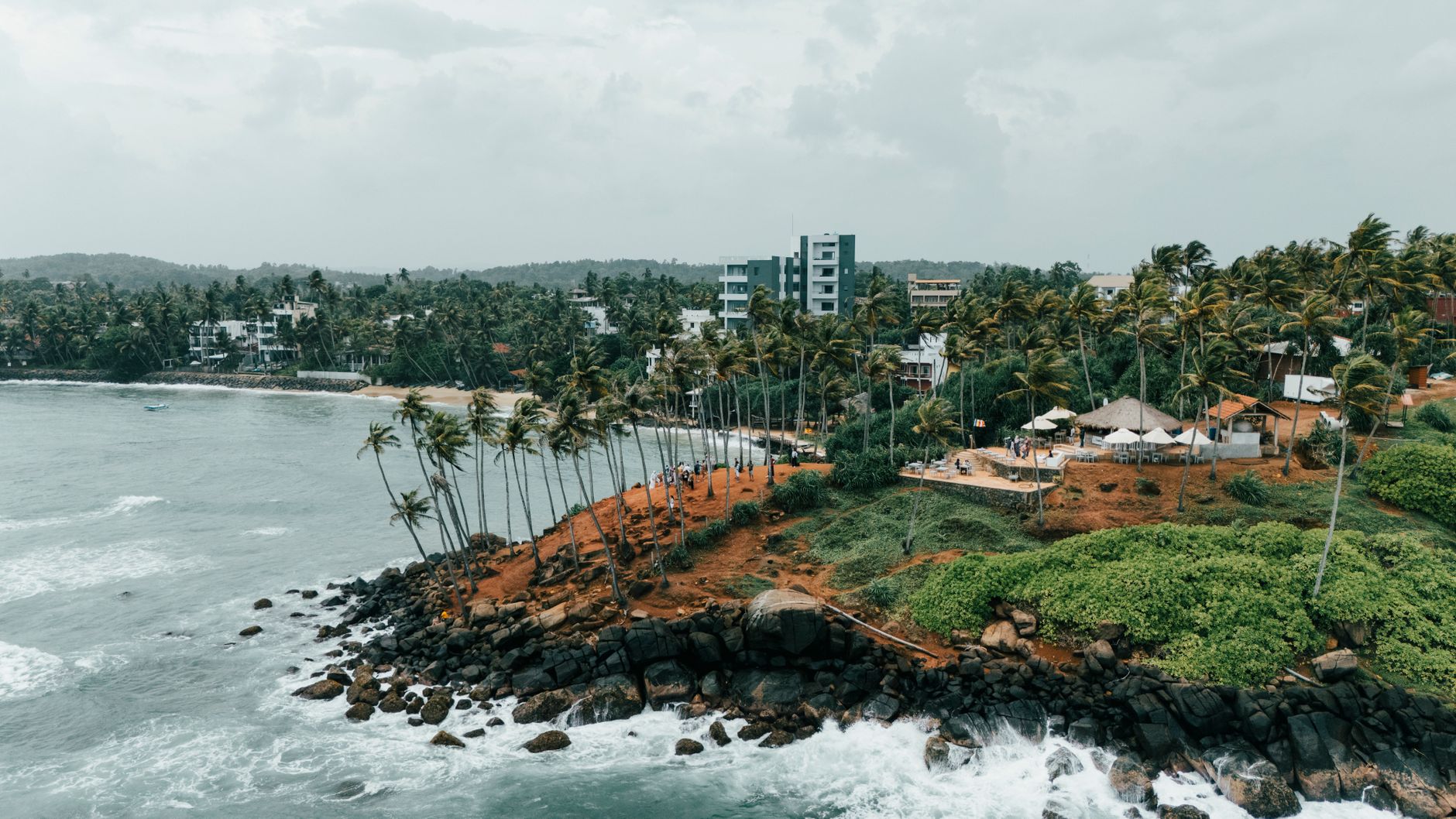
Ever wondered how some travelers seem to live like royalty without breaking the bank? The secret lies in uncovering local wisdom – the kind of 'first-class' experiences that aren't listed in guidebooks and often cost a fraction of tourist prices. Get ready to transform your next trip into an opulent adventure, all while sticking to your budget. ---
The Unwritten Rules of Luxury: How I Unlocked First-Class Experiences on an Economy Budget (and Why Locals Don't Want You to Know)
The bustling market in Marrakech was a symphony of sounds and smells. I was haggling for a hand-woven rug, a small, intricate piece that had caught my eye. "Too much, habibi," I’d said with a smile, using the few Arabic phrases I knew. The merchant, a wizened man with kind eyes, chuckled. "You travel like a local, not a tourist. You deserve a local price." He gave me a knowing wink, and I walked away with my treasure, feeling like I’d just pulled off a grand heist.
That moment wasn't just about a rug; it was about a realization. For years, I’d been chasing the 'best deals' and 'top attractions,' often ending up in crowded, overpriced tourist traps. But on that trip, something shifted. I started observing, listening, and living more like the people who called Marrakech home. And what I discovered was a world of "first-class" experiences – incredible food, stunning accommodations, breathtaking views, and authentic cultural immersion – all available for what I’d previously considered an economy budget.
This isn't about being cheap; it's about being smart. It's about understanding that true luxury isn't always about a five-star hotel or a Michelin-starred restaurant with a hefty price tag. Often, it's about authenticity, exclusivity, and a feeling of genuine connection with a place. These are the secrets locals guard, not out of malice, but to preserve the magic of their everyday lives. And today, I’m sharing them with you.
Beyond the Tourist Traps: Savoring Gourmet on a Shoestring
Let’s be honest, one of the biggest budget-busters for any traveler is food. We gravitate towards the pretty restaurants on the main square, only to be met with mediocre food and exorbitant prices. But what if I told you that some of the most mind-blowing culinary experiences are found just a few blocks away, often for less than the price of a coffee at a tourist café?
My rule of thumb is simple: Follow the locals, especially the queues! If there’s a line of people, particularly older folks or families, waiting for a street food stall or a small eatery, you’ve hit gold. These places thrive on repeat business and word-of-mouth, meaning quality and authenticity are paramount.
Practical Tips for First-Class Feasting:
- Embrace Street Food: In places like Bangkok, Hanoi, or Mexico City, street food isn't just a snack; it's a culinary institution. In Bangkok, for example, a bowl of Boat Noodles (Kuay Teow Ruea) from a bustling stall near Victory Monument will set you back about 50-70 THB ($1.50-$2.30) and deliver flavors that rival any high-end Thai restaurant. Don't be afraid to try multiple stalls!
- Lunch Deals are Your Best Friend: Many upscale restaurants, especially in Europe, offer incredible prix fixe lunch menus that are a fraction of their dinner prices. In Paris, I once enjoyed a three-course gourmet lunch at a bistro just off the Marais for €25, a meal that would have easily cost €70+ at dinner. Look for "Menu du Jour" or "Plat du Jour."
- Explore Local Markets: Forget the supermarket! Head to a local wet market or farmers market. Not only can you buy fresh, seasonal ingredients for a picnic, but many markets also have food stalls serving incredibly delicious, freshly prepared meals at local prices. In Rome, the Mercato Testaccio offers everything from supplì (fried rice balls) to gourmet sandwiches, all for a few euros.
- Aperitivo Culture: In Italy, particularly in cities like Milan or Florence, "aperitivo" is a pre-dinner ritual where you buy a drink (often around €8-€12) and get access to a complimentary buffet of delicious snacks – sometimes enough to constitute a full dinner! It’s an elegant, social way to eat well for less.
My Anecdote: In Florence, I stumbled upon a tiny trattoria tucked away on a side street, recommended by a local shop owner. It had no English menu, and the owner spoke no English, but with a lot of pointing and smiling, I enjoyed the most divine Pappa al Pomodoro (Tuscan tomato bread soup) and a glass of house wine for just €12. It was a meal more memorable than any fancy restaurant I’d visited.
From Hostels to Hidden Gems: Unlocking Affordable Luxury Stays
The idea of "luxury" accommodation on a budget might sound like an oxymoron, but it’s entirely possible if you know where to look. Forget the soulless chain hotels; the real gems are often smaller, more personal, and surprisingly affordable.
Practical Tips for Royal R&R:
- Boutique Hostels with Private Rooms: The hostel scene has evolved dramatically. Many now offer beautifully designed private rooms with en-suite bathrooms, often with access to great common areas, kitchens, and social events. You get the community feel without sacrificing privacy, often for half the price of a budget hotel. In Lisbon, I stayed in a private room at "The Independente Hostel & Suites" with a balcony overlooking the city for €60/night, a steal for the location and style.
- Guesthouses and B&Bs in Residential Areas: Step away from the main tourist drag. Residential neighborhoods often have charming guesthouses or B&Bs run by locals. They tend to be quieter, offer a more authentic experience, and are significantly cheaper. Plus, you get to see how real people live.
- Strategic Airbnb/Booking.com Searches: When using platforms like Airbnb or Booking.com, filter by "Superhost" or "Highly Rated" and look for properties slightly outside the absolute city center but still well-connected by public transport. You can often find stunning apartments with unique decor, great amenities (like a kitchen or a balcony), and plenty of space for the price of a cramped hotel room. In Medellín, Colombia, I rented a gorgeous Airbnb apartment in El Poblado with a city view and a pool in the building for $40 a night.
- Off-Season Travel: This is a no-brainer for budget travelers, but it bears repeating. Traveling during the shoulder season (just before or after peak season) or the low season can slash accommodation prices by 30-50%, while still offering pleasant weather and fewer crowds.
- Direct Bookings for Small Establishments: Many smaller guesthouses or boutique hotels offer better rates if you book directly through their website or by calling them, as they avoid commission fees from OTAs (Online Travel Agencies).
My Anecdote: In Kyoto, I yearned for the traditional ryokan experience but couldn't afford the exorbitant prices. Instead, I found a beautifully restored machiya (traditional wooden townhouse) guesthouse a short bus ride from the city center. My room had tatami mats, a futon, and a lovely garden view. It wasn't a full-service ryokan, but it offered the aesthetic and tranquility I craved for just €70/night, complete with shared traditional baths. It felt incredibly authentic and luxurious in its simplicity.
Beyond the Ticket Booth: Unlocking Exclusive Local Experiences
Tourist attractions are often crowded, expensive, and sometimes underwhelming. But what if you could experience the essence of a place, its true cultural pulse, often for free or at a minimal cost? This is where locals truly excel – they know the hidden viewpoints, the free cultural events, and the best times to visit popular spots.
Practical Tips for VIP Access:
- Free Walking Tours (Tip Generously!): Many cities offer free walking tours led by passionate locals. While "free," it's customary and highly encouraged to tip your guide well (e.g., €10-€20 per person). These tours offer invaluable historical context, local insights, and often recommendations for food and activities that you won't find in guidebooks.
- Museum Free Days/Evenings: Many world-class museums offer free entry on specific days or evenings of the week/month. For instance, the British Museum and National Gallery in London are always free. In NYC, several museums offer "pay-what-you-wish" or free hours. Plan your itinerary around these!
- Sunrise or Sunset at Popular Landmarks: Want to experience the Eiffel Tower, the Colosseum, or the Taj Mahal without the hordes of tourists? Go at sunrise. The soft light is perfect for photos, the crowds are minimal, and the atmosphere is magical. It feels like you have the place to yourself, a truly first-class experience.
- Public Transport for Scenic Routes: Instead of expensive boat tours, use local ferries or buses that double as scenic routes. In New York City, the Staten Island Ferry offers breathtaking views of the Manhattan skyline and the Statue of Liberty, absolutely free. In Venice, a Vaporetto pass allows you to cruise the Grand Canal and explore different islands for a fraction of the cost of a private gondola.
- Attend Local Festivals and Events: Check local event calendars before you go. You might stumble upon a free music festival, a vibrant market, a religious procession, or a local sporting event that offers a much deeper cultural immersion than any paid tour.
My Anecdote: In Florence, I was determined to find a unique view of the Duomo. Instead of joining the crowds at Piazzale Michelangelo, a local student I met recommended climbing to the top of the Torre di Arnolfo at Palazzo Vecchio just before sunset. It was less crowded, offered a different perspective, and felt like a secret discovery. The golden hour light washing over the city was pure magic, a moment I’ll never forget.
Mastering Local Transit: Your Passport to Affordable Exploration
Getting around can eat a significant chunk of your budget, and tourist-centric options (like private taxis from the airport) are often the most expensive. Learning to navigate a city like a local not only saves you money but also provides a more authentic and often more efficient experience.
Practical Tips for Seamless Journeys:
- Public Transport Passes: Invest in a daily, weekly, or monthly public transport pass if you're staying for a few days. Cities like London, Paris, Tokyo, and Rome have excellent, extensive public transport networks (subways, buses, trams) that are far cheaper and often faster than taxis. A Suica or Pasmo card in Tokyo makes navigating the intricate train system a breeze.
- Walk, Walk, Walk: This is the ultimate free transport! Many cities are incredibly walkable. Not only do you save money, but you also discover hidden alleyways, charming cafes, and local shops that you'd miss from a vehicle. Wear comfortable shoes!
- Ride-Sharing Apps (Strategically): In many parts of the world (Southeast Asia, Latin America), ride-sharing apps like Uber, Grab, or Bolt can be significantly cheaper and more reliable than traditional taxis. Always check the estimated fare beforehand. In Hanoi, a Grab Bike ride for a short distance costs less than a dollar and is an exhilarating way to experience the city's pulse.
- Overnight Buses/Trains: For inter-city travel, consider an overnight bus or train. You save on a night's accommodation, and you wake up in your new destination refreshed (hopefully!) and ready to explore. Plus, the views from a train can be spectacular.
- Avoid Airport Taxis: Almost every major airport has an express train or bus service that's a fraction of the cost of a taxi and often just as fast, if not faster, especially during rush hour. Do your research before you land!
My Anecdote: Landing in Bali, I initially considered a private driver to my guesthouse in Ubud. But a local suggested taking the Kura-Kura Bus, a public shuttle service. For just a few dollars, I got to enjoy the scenic drive through rice paddies and local villages, interacting with other travelers and locals. It was slower, yes, but far more enriching and authentic than being cocooned in a private car.
Beyond the Itinerary: The Art of Slow Travel & Authentic Connection
The real secret locals don't want you to know isn't a specific place or a hidden discount; it's a mindset. It's about embracing their pace, their customs, and their way of life. When you do this, you stop being a transient visitor and start becoming a temporary resident, opening doors to experiences money can't buy.
Practical Tips for an Insider's Mindset:
- Learn a Few Local Phrases: A simple "hello," "please," "thank you," and "excuse me" in the local language goes a long way. It shows respect and can open up interactions that wouldn't happen otherwise.
- Be Open to Spontaneous Interactions: Don't be glued to your phone. Look up, smile, and be open to conversations. A simple chat with a shopkeeper, a fellow passenger on a bus, or a barista can lead to invaluable recommendations or even new friendships.
- Observe and Adapt: Watch how locals order food, how they greet each other, how they dress, and how they navigate their city. This isn't about mimicking, but about understanding and respecting the local rhythm.
- Shop at Local Markets, Not Just Souvenir Shops: Beyond food markets, seek out local craft markets or second-hand stores. You'll find unique, authentic souvenirs and support local artisans directly, often at better prices.
- Embrace Discomfort and Unexpected Turns: Travel is rarely perfect. Missing a train, getting lost, or encountering a language barrier can be the source of your most memorable stories and deepest learning. These are the moments that truly make you feel alive.
- Spend Longer in Fewer Places: Instead of rushing through five cities in a week, pick one or two and delve deeper. This allows you to truly settle in, discover local haunts, and build a routine, making those "first-class" local experiences more accessible.
My Anecdote: In a small village in Puglia, Italy, I spent a week living in a rented trullo (a traditional dry-stone hut). Every morning, I’d walk to the local bakery for fresh bread, greeting the same people each day. One afternoon, the baker, noticing my curiosity, invited me into his back room to show me how he made focaccia. It was a simple, unscripted moment that taught me more about Italian culture and hospitality than any guided tour ever could. This is the true luxury of travel.
Your First-Class Economy Adventure Awaits!
The idea that locals "don't want tourists to know" these secrets isn't about exclusion; it's about preserving the authenticity and charm of their everyday lives. By adopting a mindset of respect, curiosity, and genuine engagement, you’re not just saving money – you’re enriching your travel experience exponentially. You're moving beyond the superficial to connect with the heart and soul of a destination.
So, next time you plan a trip, ditch the exhaustive guidebooks and the pre-packaged tours. Look for the queues, wander down the side streets, strike up a conversation, and embrace the local way of life. You'll be amazed at the first-class experiences that unfold before you, all on an economy budget.
What's your favorite 'local secret' for budget luxury? Share your insider tips in the comments below! Let's inspire each other to travel smarter, deeper, and more authentically. Happy travels, Tripsonians!
---
More pictures


Tags
Share this guide
We may earn a commission if you click a link and buy a product or service, at no extra cost to you. How affiliate links work.
Been there?