
Stop being a tourist and start being a stakeholder. We’re diving into the revolutionary world of Indigenous-led profit-sharing models—where your vacation dollars bypass the middleman and go directly into the hands of the people whose culture you’re celebrating. From the misty peaks of the Andes to the red dust of the Outback, here is how to travel with a clean conscience and a full heart. ---
I Stepped Into the Smoke and Everything Changed
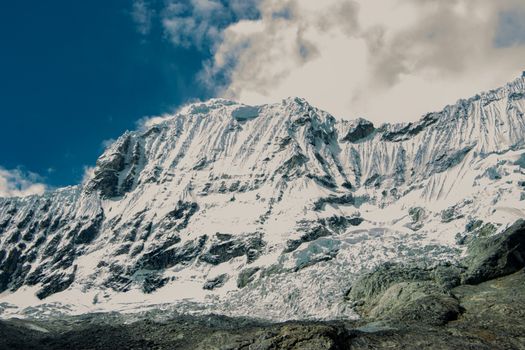
I stepped off the dusty 4x4 in the Sacred Valley of Peru, and the first thing that hit me wasn't the altitude—it was the scent of muña. It’s a wild Andean mint, sharp and medicinal, swirling in the steam of a communal pot. I wasn't at a luxury resort; I was in the village of Huchuy Qosqo, standing in a kitchen owned, operated, and managed entirely by the local Quechua community.
As I sat down to a bowl of quinoa soup, my guide, a local named Marco, didn't just tell me about the mountains. He told me how the restaurant we were sitting in had funded a new irrigation system for the entire village. "Before this model," Marco said, "we were just the backdrop for someone else's photo. Now, we own the camera."
This is the power of Indigenous tourism with profit-sharing models. It’s the death of the "extractive" tour and the birth of the "regenerative" journey.
1. The Death of the "Trickle-Down" Myth
For decades, the travel industry sold us a lie: that by simply visiting a remote area, our money would naturally "trickle down" to the locals. In reality, most of that cash "leaks" out—ending up in the pockets of international hotel chains and foreign tour operators.
Experts are now pivoting toward Direct Equity Models. In these structures, the Indigenous community isn't just the staff; they are the shareholders. When you book a trek or a stay, a fixed percentage (often 20-50%) goes directly into a community fund. This fund is then democratically allocated to education, healthcare, or infrastructure.
Pro-Tip: When booking, ask for the "leakage rate." High-authority ethical operators like G Adventures (via their Planeterra projects) can tell you exactly how much of your dollar stays in the local zip code.
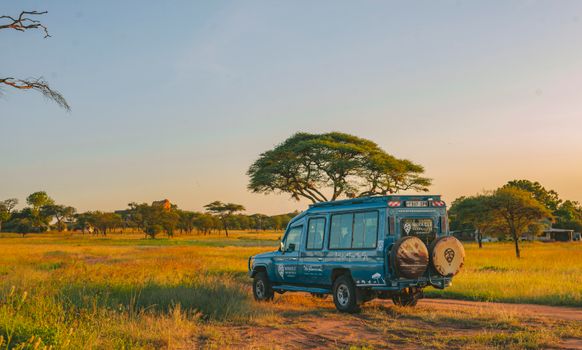
2. The Maasai Mara: Beyond the Safari Jeep
In Kenya, the old model involved white-owned lodges paying a pittance to "rent" Maasai land. The new model, pioneered by conservancies like Enonkishu, is a game-changer.
Here, the Maasai people are the landlords. They have pooled their land to create a protected wildlife corridor. The profit-sharing works on a "per-bed, per-night" fee. Every time you sleep in a luxury tent, a specific dollar amount goes into a transparent livestock improvement program.
Insider Language: Look for "Community Conservancies" rather than "National Parks." In a conservancy, the locals have the legal right to manage the land and keep the revenue.
3. Haida Gwaii: The Gold Standard of Sovereignty
If you want to see profit-sharing at its most sophisticated, head to the edge of the world: Haida Gwaii, off the coast of British Columbia. The Haida House at Tllaal is 100% owned by the Haida Nation.
This isn't just about jobs; it’s about cultural reclamation. The profits fund the "Watchmen" program—guardians who protect ancient village sites like SGang Gwaay.
- The Vibe: Think cedar-scented air, towering totem poles weathered by salt, and the best smoked salmon you will ever taste.
- Pro-Tip: Visit the Haida Heritage Centre at 10 AM on a Tuesday. You’ll often find master carvers working on new poles; they are usually happy to chat if you approach with respect and a quiet voice.
4. The Salkantay Trek: Equity in the Andes
While the Inca Trail is the "celebrity" route, the Salkantay Trek is where the real innovation is happening. Experts are recommending the Parwa Community Restaurant model in the Sacred Valley.
This isn't a charity; it’s a high-end culinary experience. The community saw that thousands of hikers passed through their village but never spent a dime. They built a professional-grade kitchen, trained as chefs, and now, every trekking group stops there for lunch. The profits have built a computer lab for the village school.
Logistics Note: Don't book the cheapest Salkantay trek on TripAdvisor. Those often bypass these community hubs. Look for operators like Mountain Lodges of Peru or Evolution Treks who prioritize fair wages and community stops.
5. Australia’s Kimberley: The Narlijia Experience
In Broome, Western Australia, Bart Pigram, a Yawuru man, runs Narlijia Experiences. This is a micro-model of profit-sharing. As a solo entrepreneur, Bart shares the "profit" of knowledge.
He takes you into the mangroves to explain the "Saltwater People" lifestyle. The money you pay doesn't go to a corporate office in Sydney; it stays in Broome, supporting Indigenous-owned supply chains (like the local bakeries and transport).
The Detail: Ask Bart about the "pearling history." It’s a gritty, fascinating look at how Indigenous labor built the town—and how they are finally reclaiming the narrative.
6. Quick Facts & Logistics: Planning Your Impact Trip
| Destination | Best Time to Visit | Estimated Cost (Daily) | How to Get There | | :--- | :--- | :--- | :--- | | Sacred Valley, Peru | May - September | $150 - $300 | Fly to Cusco; 1.5hr drive. | | Maasai Mara, Kenya | July - October | $400 - $800 | Bush plane from Nairobi. | | Haida Gwaii, Canada | June - August | $250 - $500 | Ferry from Prince Rupert or fly to Sandspit. | | The Kimberley, Aus | May - September | $200 - $450 | Fly to Broome via Perth. |
7. How to Spot a Fake: The "Greenwashing" Red Flags
Not every "community tour" is created equal. Here is how to vet them like an elite travel journalist:
- The "Photo Op" Test: If the itinerary promises "a photo with a local child," run. Ethical models focus on cultural exchange, not human zoos.
- The Transparency Test: Check the "About Us" page. If they don't mention a specific community fund or a partnership with a local NGO, the profit-sharing is likely negligible.
- The Ownership Test: Who owns the land? Who owns the lodge? If the answer isn't the Indigenous community, it’s not a profit-sharing model; it’s just a job.
The Final Word: Travel as an Investment
When you choose a profit-sharing model, your vacation becomes a form of direct investment. You aren't just seeing the world; you’re ensuring the world stays worth seeing. You’ll find that the coffee tastes better, the stars look brighter, and the stories feel deeper when you know the people telling them are the ones benefiting from your presence.
Pro-Tip: Leave your ego at the airport. Indigenous tourism is about listening. Put the phone down, breathe in the woodsmoke, and let the culture speak for itself.
---
More pictures

Tags
Share this guide
We may earn a commission if you click a link and buy a product or service, at no extra cost to you. How affiliate links work.
Been there?